

Why Winter Dries Out Your Skin
Cold weather brings a unique set of challenges for your skin. As temperatures drop and humidity plummets, your skin's natural moisture barrier faces relentless assault from both the frigid outdoor air and the dry heat indoors. Understanding why winter wreaks havoc on your complexion is the first step toward keeping it healthy and hydrated through the coldest months of the year.
The fundamental problem with winter is humidity — or rather, the lack of it. Cold air holds significantly less moisture than warm air, and outdoor humidity levels can drop below 30 percent in many regions during winter months. When you step inside, forced-air heating systems reduce indoor humidity even further, sometimes to levels comparable to a desert environment.
This low-humidity environment creates a steep moisture gradient between your skin and the surrounding air. Water naturally moves from areas of higher concentration to lower concentration, so your skin essentially loses moisture to the dry environment through a process called transepidermal water loss. In winter, this process accelerates dramatically.
Cold temperatures also slow down sebaceous gland activity, meaning your skin produces less of the natural oils that form a protective barrier on its surface. Without adequate sebum, the lipid layer that normally traps moisture becomes compromised, allowing even more water to escape. Wind compounds the problem by physically disrupting the skin barrier and accelerating evaporation.
The constant transition between cold outdoor air and heated indoor spaces creates additional stress. These rapid temperature fluctuations cause blood vessels to expand and contract repeatedly, which can lead to redness, sensitivity, and broken capillaries over time. People with conditions like rosacea or eczema often find their symptoms significantly worsen during winter months precisely because of this thermal stress.
Hot showers, while tempting after a cold day, strip away protective oils and further compromise the barrier. Even your clothing choices matter — wool and synthetic fabrics can irritate already-sensitized skin.
Switching to Richer Moisturizers
The lightweight lotion that served you well during summer simply cannot keep up with winter's demands. Transitioning to a richer, more occlusive moisturizer is one of the most impactful changes you can make for your winter skincare routine. Look for moisturizers that contain a combination of three key ingredient types: humectants, emollients, and occlusives.
Our guide to moisturizers explained covers these in detail. Humectants like hyaluronic acid and glycerin attract water molecules. Emollients such as ceramides, squalane, and fatty acids fill in gaps between skin cells to smooth and soften.
Occlusives like shea butter, petrolatum, and dimethicone create a physical seal that prevents moisture from escaping. Ceramide-based moisturizers are particularly effective in winter because they directly replenish the lipids that form your skin's natural moisture barrier.!! During cold months, your skin's ceramide production decreases, making external supplementation especially valuable.
The texture of your moisturizer matters as well. Cream formulations are generally better suited for winter than lotions because they contain a higher ratio of oil to water. Balms and ointments provide the heaviest occlusion and work well for extremely dry areas like elbows, knees, and heels.
For facial skin, a rich cream layered over a hydrating serum typically provides the best balance of moisture and comfort. Timing is also important. Apply your moisturizer to slightly damp skin — within a minute or two of cleansing — to trap that surface water and maximize hydration.
At night, consider a thicker layer or a dedicated sleeping mask to support overnight skin repair. Your skin's permeability increases during sleep, making nighttime an ideal window for intensive hydration. Do not overlook your cleanser either. Switch from foaming or gel cleansers to cream or milk-based formulas that cleanse without stripping your skin's protective oils.

Humectants in Dry Air: A Double-Edged Sword
Humectants are widely celebrated in skincare for their ability to draw moisture to the skin, but their behavior changes significantly in low-humidity environments. Understanding this nuance is critical for building an effective winter routine. Hyaluronic acid, glycerin, and other humectants work by attracting water molecules from the surrounding environment and from the deeper layers of your skin.
In humid conditions, there is abundant atmospheric moisture for humectants to pull toward the skin surface. However, when the air is extremely dry — as it is during winter — humectants may draw water upward from the deeper dermal layers instead, potentially leaving the skin even more dehydrated if not properly sealed in. This does not mean you should avoid humectants in winter.
Rather, you need to use them strategically. The key is always layering an occlusive product over your humectant-based serums and moisturizers. This creates a barrier that prevents the moisture attracted by humectants from evaporating into the dry air.
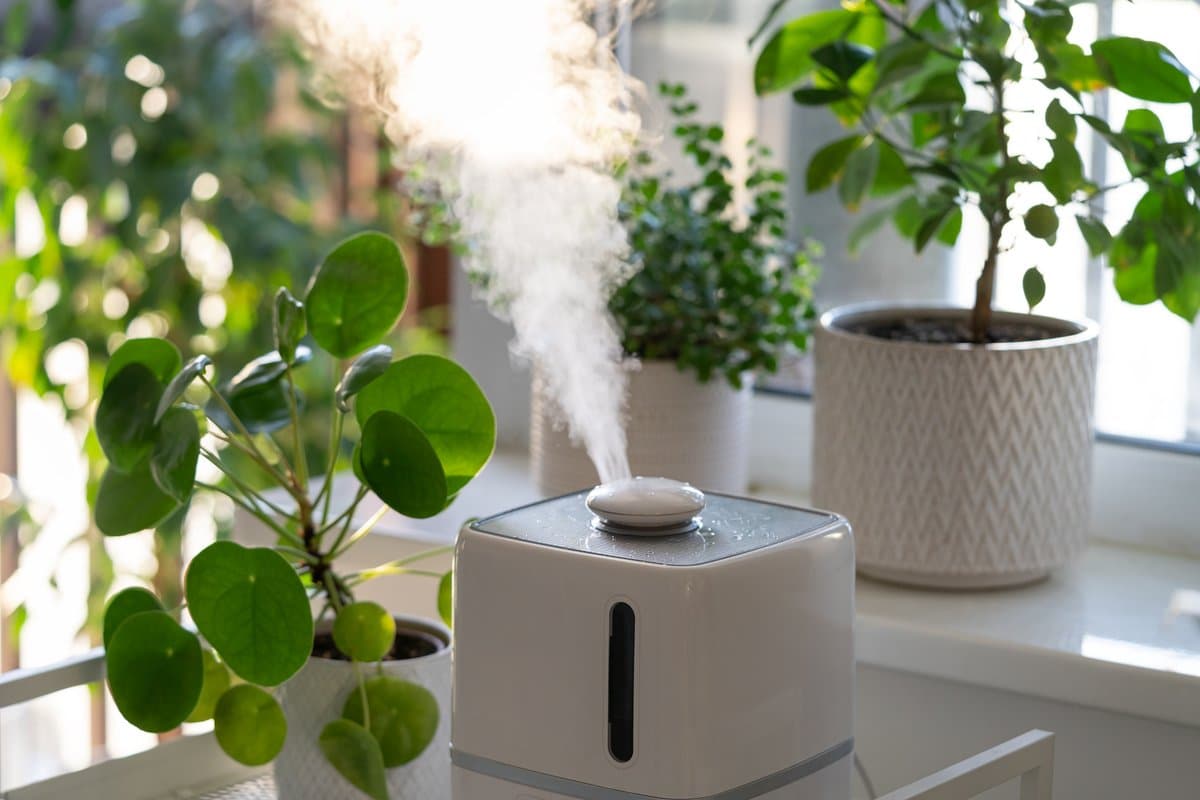
When humidity drops below 40 percent, applying hyaluronic acid without an occlusive layer on top can actually draw moisture out of your skin rather than into it.!! A thin layer of a petrolatum-based product or a rich cream containing dimethicone effectively seals humectants in place. Consider also using a humidifier in your bedroom and living spaces to maintain indoor humidity between 40 and 60 percent.
This not only supports your skincare products but also benefits your respiratory health. A humidifier effectively transforms your indoor environment into one where humectants can function optimally, drawing atmospheric moisture to your skin as intended. Multi-weight hyaluronic acid serums — containing both high and low molecular weight forms — tend to perform better in winter because the smaller molecules penetrate deeper while the larger ones hold water at the surface.
Lip Care and Hand Care Essentials
The skin on your lips and hands is uniquely vulnerable during winter. Lips lack sebaceous glands entirely, meaning they produce no protective oil and rely completely on external moisture sources. The skin on the backs of your hands is thin with few oil glands, and hands face constant exposure and frequent washing.
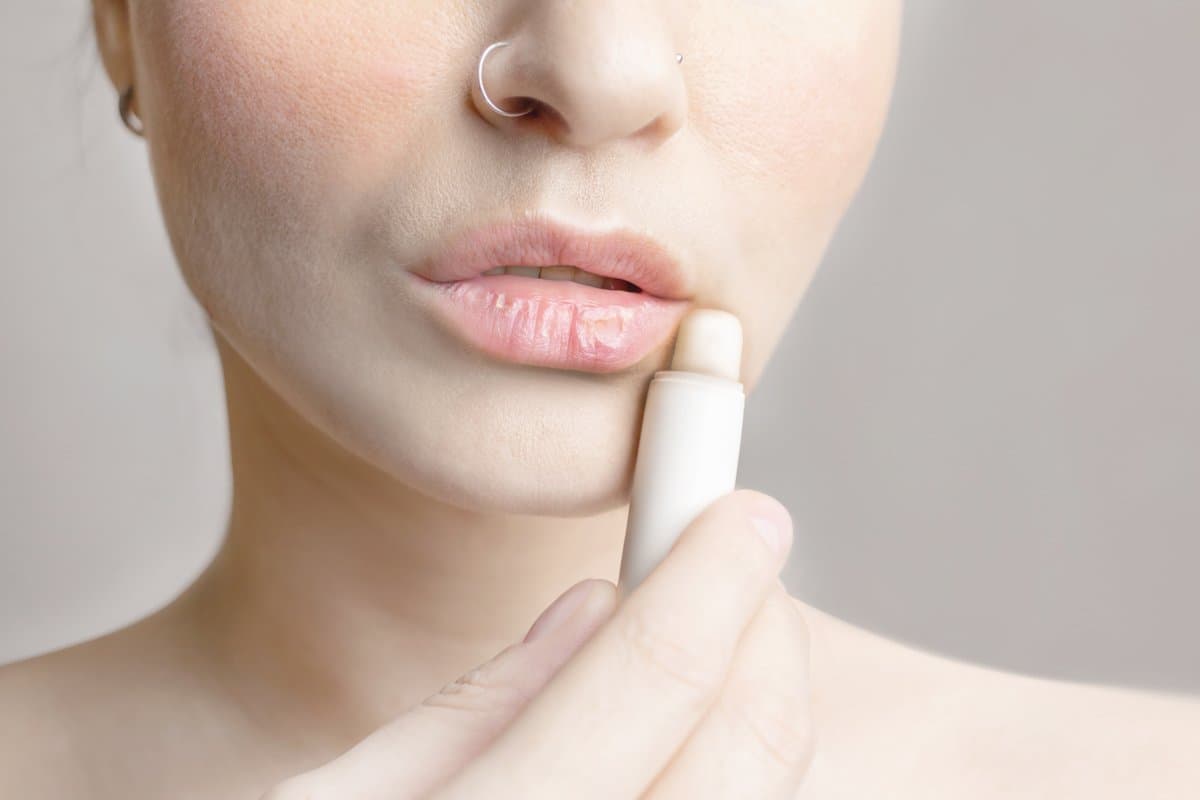
For lip care, the most important step is breaking the licking cycle. Saliva contains digestive enzymes that actually break down the delicate lip tissue, making dryness worse with each lick. Instead, keep a quality lip balm accessible at all times.
Look for balms containing beeswax, shea butter, or lanolin as occlusive agents, combined with humectants like honey or hyaluronic acid. Avoid products with menthol, camphor, or strong fragrances, as these can irritate and further dry the lips. Apply lip balm proactively — before your lips feel dry — and always before going outdoors.
At night, a thick layer of a healing ointment or a dedicated lip sleeping mask provides intensive overnight repair. If your lips are severely cracked, avoid the temptation to peel or pick at flaking skin, as this damages the healing tissue underneath. For hand care, the strategy centers on protection and repair.
Wear gloves outdoors and consider cotton-lined rubber gloves for dishwashing and cleaning. After every hand wash, apply a hand cream while your hands are still slightly damp. Keep hand cream at every sink in your home and carry a small tube in your bag.
Nighttime hand care can be transformative. Apply a thick layer of a rich hand cream or ointment before bed, and consider wearing cotton gloves overnight to lock in the moisture. Ingredients like urea at 5 to 10 percent, glycerin, and shea butter are particularly effective for repairing cracked, winter-damaged hands.
Layering Your Routine for Cold Weather
Building an effective winter skincare routine is fundamentally about layering products in the correct order to maximize hydration, support the moisture barrier, and protect against environmental stressors. The principle is simple: apply products from thinnest to thickest consistency, finishing with the most occlusive layer. Start with a gentle, non-foaming cleanser that removes impurities without stripping natural oils.
Cream cleansers, micellar water, or oil-based cleansers are excellent choices for winter. If you use a toner, choose one that is hydrating rather than astringent — alcohol-based toners are counterproductive in dry winter conditions. Next, apply a hydrating essence or serum.
This is where humectant-rich products like hyaluronic acid serums or niacinamide formulations do their best work, delivering concentrated hydration to the skin. Pat the product in gently rather than rubbing, and apply to damp skin for best absorption. Follow with your treatment products — retinoids, vitamin C, or other active ingredients.
Note that some actives, particularly retinoids, can increase dryness and sensitivity. In winter, you may benefit from reducing the frequency of strong actives or buffering them by applying moisturizer first. Layering a hydrating serum underneath a ceramide-rich moisturizer and sealing with a facial oil creates a triple-barrier approach that dramatically reduces winter moisture loss.!!
Your moisturizer goes on next, and in winter, this should be the richest formula your skin comfortably tolerates. During the day, finish with a broad-spectrum sunscreen — UV damage occurs year-round, and snow can reflect up to 80 percent of UV rays. At night, you can replace sunscreen with a facial oil or sleeping mask as your final occlusive layer. This seals in all the hydration from your previous steps and supports the skin's natural overnight repair processes.