

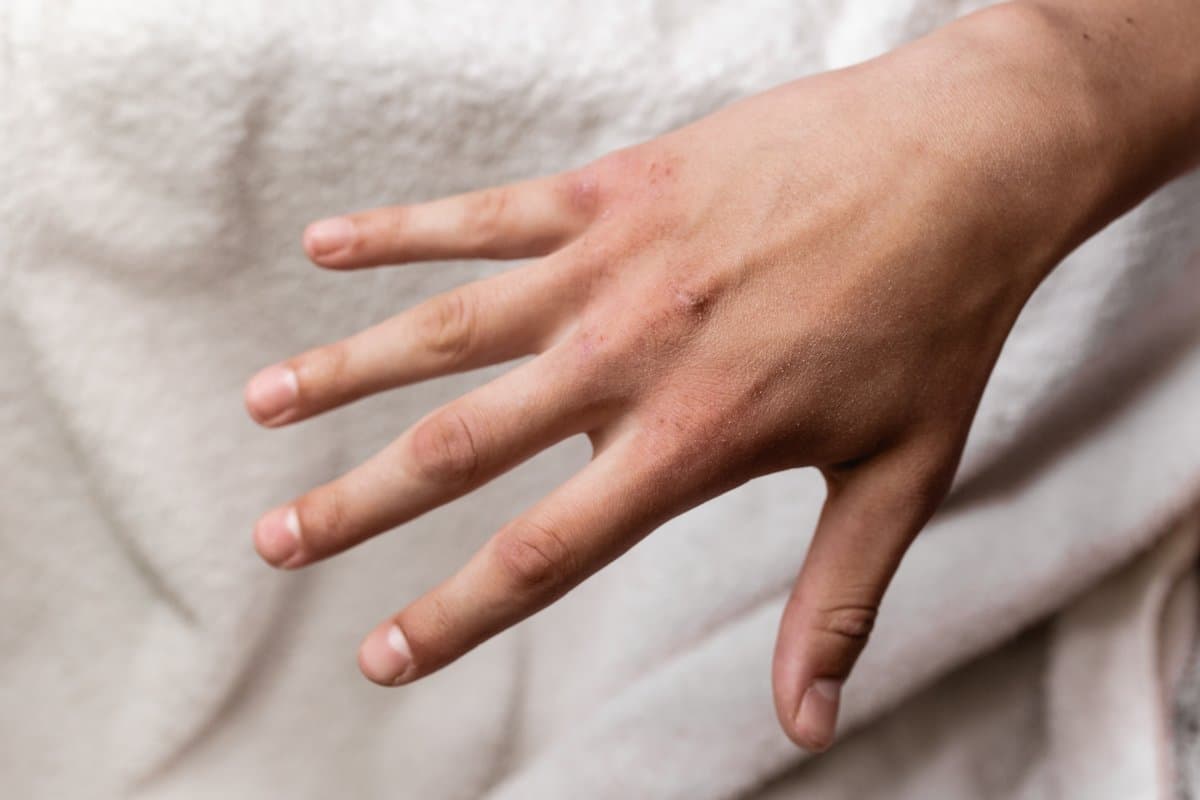
Why Your Hands Are Cracking
The skin on your hands is uniquely vulnerable to cracking because it is thinner than skin on most other body parts, contains fewer oil glands, and endures constant exposure to environmental stressors. Every time you wash your hands, handle cleaning products, or step outside in cold weather, you are challenging your hand skin's ability to maintain its protective barrier. Cracked skin, medically known as fissures, occurs when the stratum corneum becomes so dry and rigid that it literally splits apart, sometimes deep enough to reach blood vessels and nerve endings, causing pain and bleeding.
The most common cause is frequent handwashing and the use of harsh soaps or sanitizers, which strip the skin's natural lipid layer. Healthcare workers, food handlers, cleaners, and parents of young children are especially affected due to the frequency of hand hygiene required in their daily routines. Cold, dry winter air dramatically accelerates moisture loss from the hands, and indoor heating compounds the problem by reducing ambient humidity.
Hand eczema, also called hand dermatitis, is responsible for a significant proportion of chronic hand cracking and affects up to 10 percent of the population at some point in their lives, often requiring more than simple moisturizing to resolve.!! Contact dermatitis from workplace chemicals, rubber gloves, or even certain metals can also cause the skin on your hands to crack and peel. Psoriasis can target the palms specifically, creating thick, scaly patches with deep fissures. Fungal infections, though less common on the hands than the feet, can cause peeling and cracking that mimics eczema.
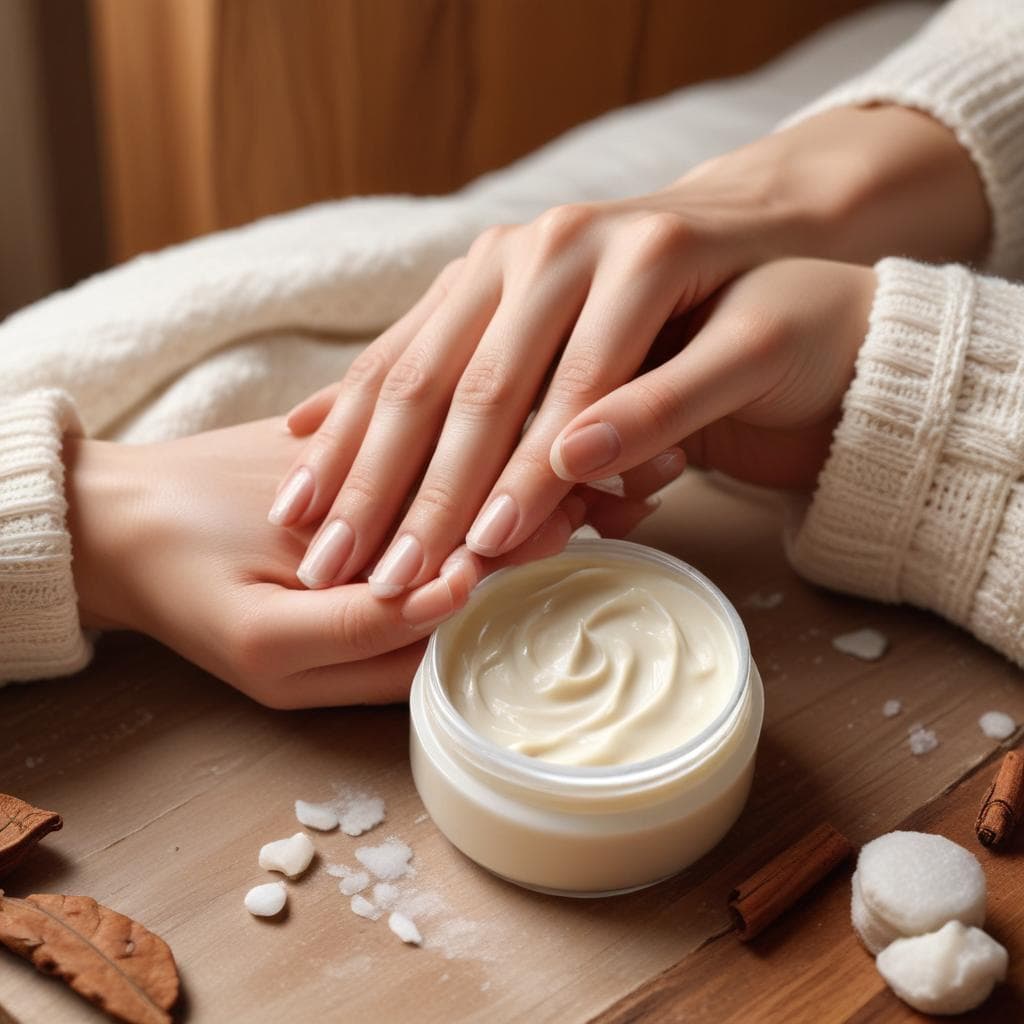
Healing Cracked Hands and Keeping Them Protected
Healing cracked hand skin requires a two-pronged approach: intensive moisture repair and consistent protection from further damage. For active fissures, start by applying a thick, occlusive ointment or balm containing ingredients like petrolatum, dimethicone, shea butter, or beeswax. These create a physical seal over the cracks, protecting exposed tissue from irritants while allowing healing underneath.
For deep, painful cracks, liquid bandage products can seal individual fissures and provide immediate pain relief while the skin repairs itself. The overnight soak-and-seal method is highly effective: soak your hands in lukewarm water for five minutes, pat dry, apply a generous layer of a ceramide-rich cream, then seal everything in with a thin layer of petroleum jelly and wear cotton gloves to bed. Repeat this nightly until the cracks heal, which typically takes one to two weeks for mild cases.
During the day, apply hand cream after every handwash and carry a travel-sized tube to maintain consistency. Switching from soap to a gentle, fragrance-free hand cleanser and using lukewarm rather than hot water can reduce further barrier damage by up to 50 percent and is one of the most impactful changes you can make.!! Wear protective gloves when washing dishes, cleaning, or handling chemicals, choosing cotton-lined rubber gloves to minimize irritation.
In cold weather, wear insulated gloves outdoors. If cracks persist despite consistent care, are worsening, or show signs of infection like redness, warmth, or pus, see a dermatologist. Prescription treatments for hand eczema may include topical corticosteroids, calcineurin inhibitors, or in severe cases, short courses of oral medication.
