
Ukwazi iintlobo ezintathu eziphambili ze-Skin Cancer
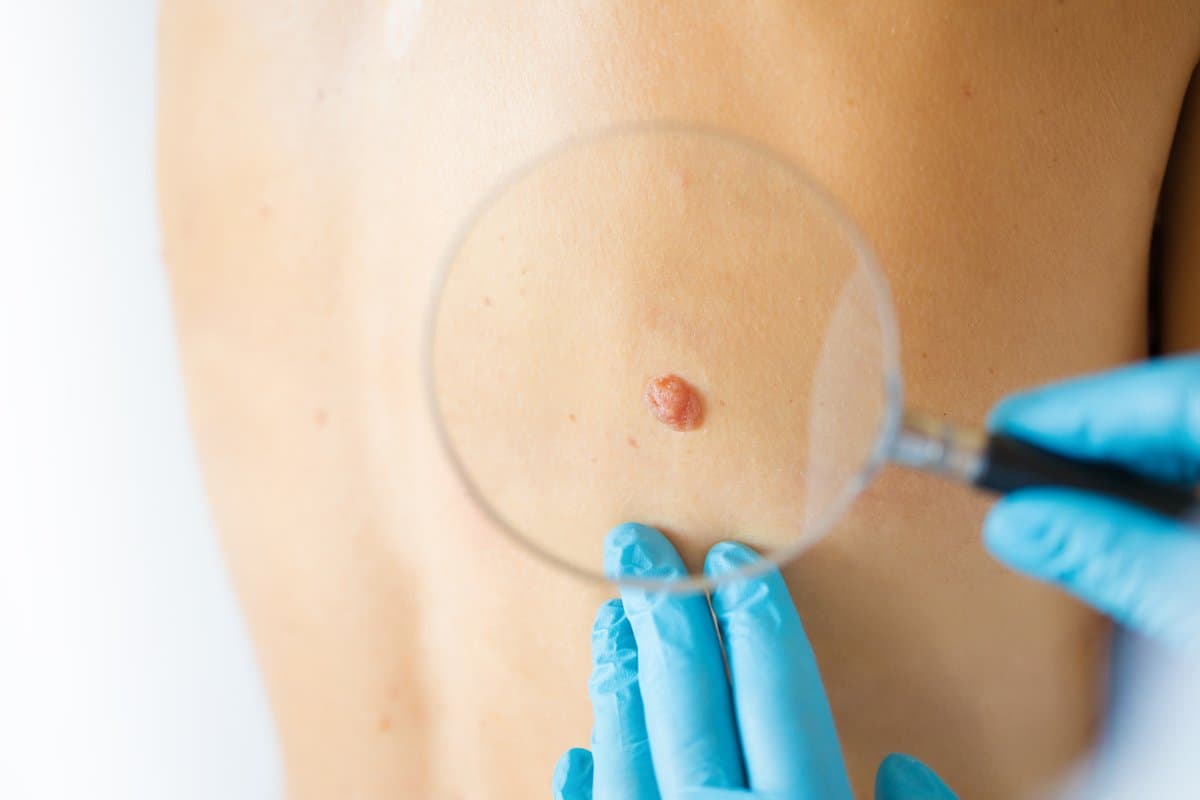
I-skin cancer ayinayo imbonakalo enye, nto leyo eyenza kube lula ukuyiphosa. I-basal cell carcinoma, uhlobo oluqhelekileyo, ihlala ibonakala njengepungushe yepearl okanye ye-waxy kwiindawo ezixhaswe ilanga ezifana nobuso, iindlebe, okanye umqala. Iphinde ibonakale njenge-lesion elula, enombala wombhoxo okanye omnyama.
I-squamous cell carcinoma ikhululekile ukuvela njenge-nodule ebomvu eqinileyo okanye i-lesion elula enephepha, elinokukhanya. Iphakathi kokukhula kwiindawo ezixhaswe ilanga ngokuqhubekayo ezifana neengalo, iiforearm, kunye ne-scalp. I-melanoma, uhlobo oluyingozi kakhulu, ihlala ibonakala njengepungushe elikhulu elinombala omnyama onemibala emnyama, i-mole eguqukayo kumbala, ubungakanani, okanye umphunga, okanye i-lesion encinci enomda ongalinganiyo kunye neendawo ezibomvu, pinki, mhlophe, blue, okanye blue-black.
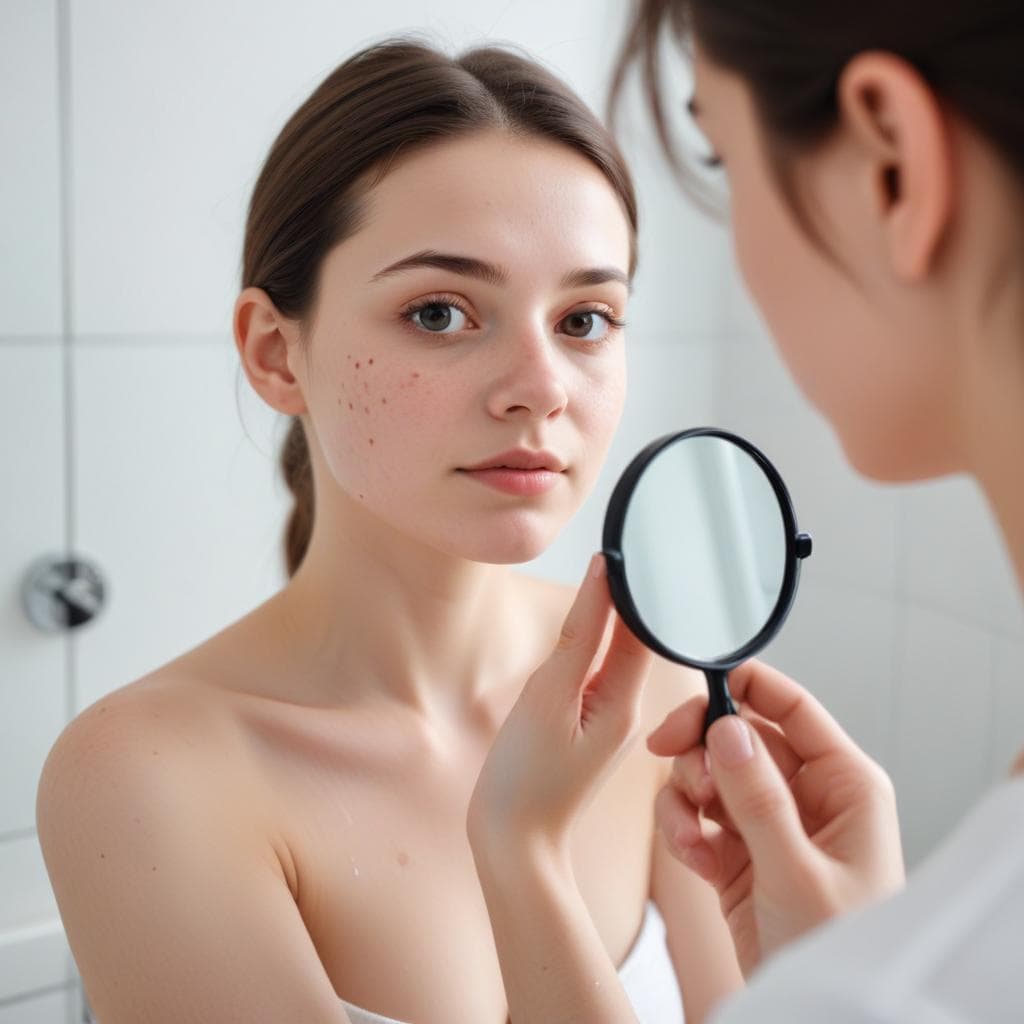
I-skin cancer ye-early-stage iyaphumelela ngaphezu kwe-95 percent, kodwa ukuchongwa kuxhomekeke ngokupheleleyo ekwazini ukuba yintoni okufuneka uyijonge.!! Qaphela kakhulu nayiphi na imveliso entsha engapholi kwiiveki ezine, nayiphi na indawo ekhona eguqukayo kumfanekiso, umbala, okanye umphunga, kunye nayiphi na i-lesion ehlamba, e-ooze, okanye e-crusts ngokuqhubekayo. Abantu abanobuso obucacileyo, imbali yokutshiswa ilanga, okanye imbali yosapho ye-skin cancer kufuneka babe qaphela ngakumbi. Ukuzihlola ngenyanga usebenzisa isibuko esipheleleyo kunye nesibuko sesandla kwiindawo ezinzima ukujonga kungabamba utshintsho olungafanelekanga ngaphambi kokuba lube yingozi.
Umgaqo we-ABCDE kunye nexesha lokufuna uncedo
Abahlengikazi beDermatology basebenzisa umgaqo we-ABCDE njengomkhombandlela osheshayo wokuhlola iindawo ezibuhlungu. A imele i-Asymmetry, apho enye ingxenye ye-mole ingahambelani nezinye. B imele i-Border irregularity, okuthetha ukuba imiphetho ibuhlungu, inezikhala, okanye ibhujiswe kunokuba ibe mhlophe.
C ibhekisa kwi-Color variation, apho indawo iqulethe imibala emininzi ye-brown, black, red, white, okanye blue endaweni ye-toni eyodwa. D imele i-Diameter, ibonisa nayiphi na i-mole engaphezulu kweemilimitha ezi-6, ngokuqhelekileyo ubungakanani be-eraser ye-pencil. E ithetha i-Evolution, eyona nto ibandakanya utshintsho ubungakanani, umfanekiso, umbala, ukuphakama, okanye iimpawu ezintsha ezifana nokopha okanye ukungakhathali.
I-mole ethobela naziphi na ezi migaqo ifanele ukuhlolwa ngochwepheshe, kwaye i-mole enezimfuno ezininzi kufuneka ihlolwe ngokukhawuleza.!! Ngaphandle komthetho we-ABCDE, jonga uphawu lwe-ugly duckling, i-mole ebonakala ihluke kakhulu kwiimole zakho zonke. Thembela kwiingcinga zakho ukuba into ibonakala ingalunganga.
Abahlengikazi beDermatology baphinde bancoma ukuthatha iifoto zeemole zakho rhoqo ukuze ukwazi ukujonga utshintsho ngokuhamba kwexesha kwaye ubone utshintsho oluncinci olungangabikho. Ukuba awuqinisekanga ngendawo, ungabambeleli iinyanga ukuze ulinde umhlangano ojolise. Iiklinikhi ezininzi zikhupha iindawo zokuhlola isikhumba eziphuthumayo, kwaye iithuluzi ezisebenzisa i-AI ezifana neSkinscanner zinganika uhlolo lwezingozi olungxamisekileyo oluvela kwiifoto ezilula ze-smartphone.
