

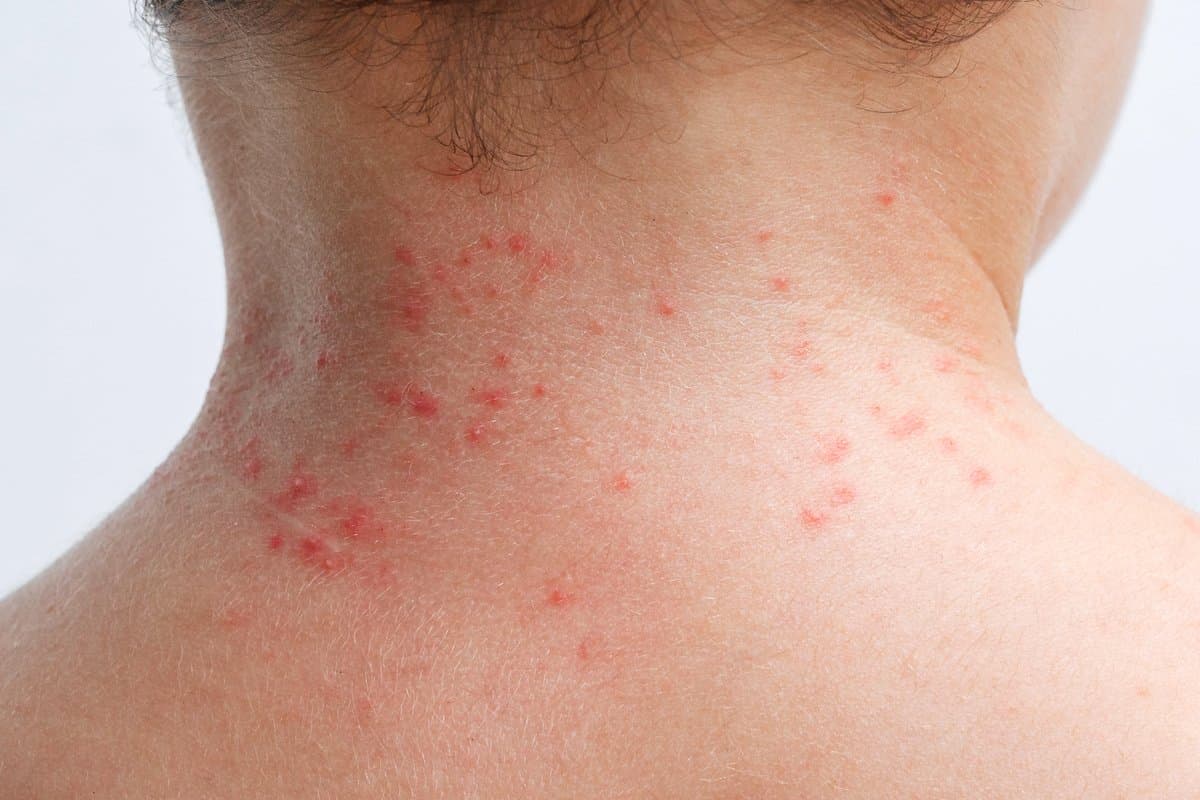
Cause Innocue di Macchie Rosse di Cui Puoi Smettere di Preoccuparti
Non ogni macchia rossa segnala un problema. Gli angiomi ciliegia sono piccole protuberanze rosso brillante a forma di cupola causate da una proliferazione di vasi sanguigni. Sono estremamente comuni dopo i 30 anni e sono completamente benigni.
Le petecchie sono piccoli punti rossi o viola che appaiono quando piccoli vasi sanguigni chiamati capillari si rompono sotto la pelle, spesso a causa di tosse, sforzi o lievi infortuni. L'eritema da calore, noto anche come miliaria, produce gruppi di piccole protuberanze rosse quando il sudore rimane intrappolato sotto la pelle durante il caldo o l'umidità. La dermatite da contatto crea macchie rosse e pruriginose ovunque un irritante o un allergene tocchi la pelle, come un nuovo detersivo per la biancheria o gioielli in nichel.
Le punture di insetto lasciano pomfi rossi localizzati che possono prurire intensamente ma si risolvono da sole entro una settimana. La maggior parte delle macchie rosse benigne condivide alcune caratteristiche rassicuranti: sono simmetriche, hanno bordi lisci, rimangono stabili in dimensione nel tempo e non sanguinano né si crostano spontaneamente.!! La cheratosi pilaris produce piccole protuberanze rosse o color carne sulla parte superiore delle braccia e delle cosce, causate dal keratina che ostruisce i follicoli piliferi.
Sebbene sia cosmeticamente fastidiosa, è completamente innocua. Se le tue macchie rosse corrispondono alla descrizione di una di queste cause comuni e non stanno cambiando, diffondendosi o causando un disagio significativo, è probabile che non richiedano un'attenzione medica urgente, anche se monitorarle nel tempo è sempre saggio.
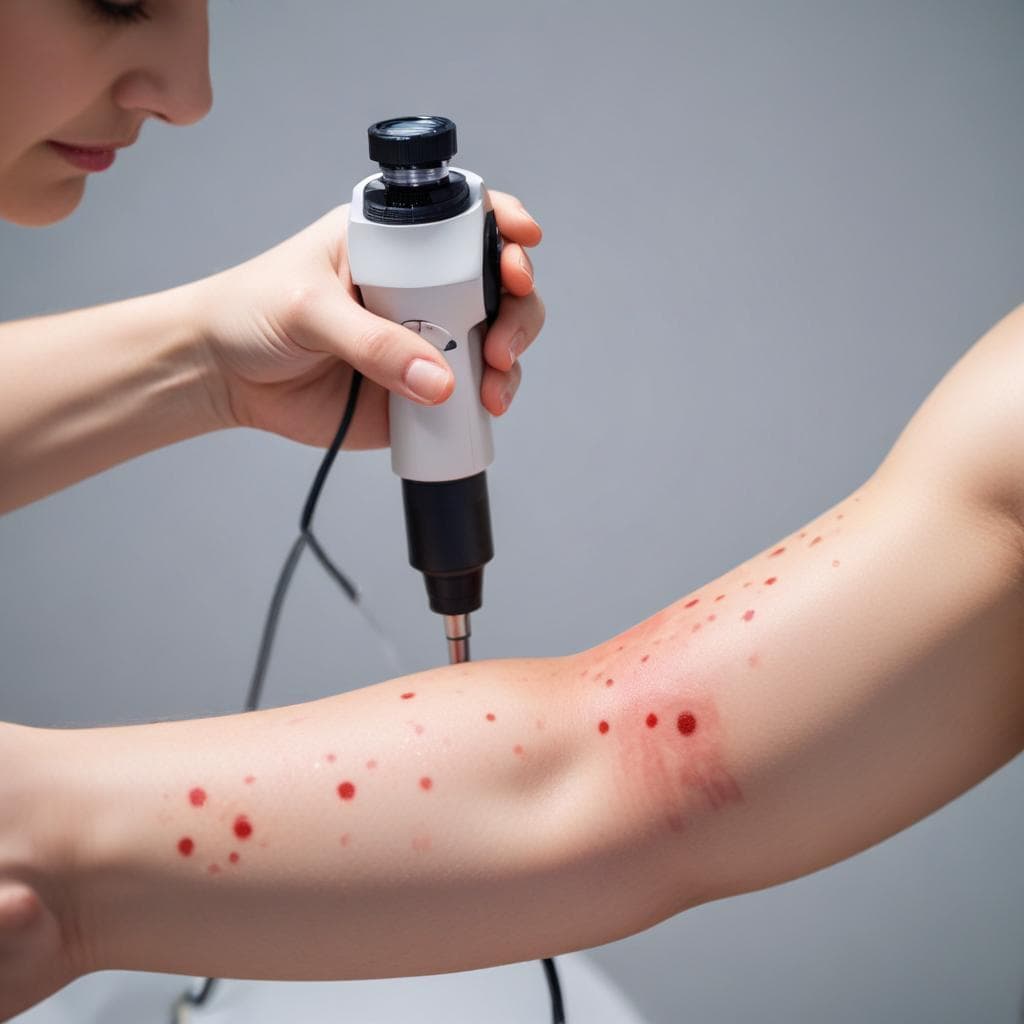
Macchie Rosse Che Necessitano di Attenzione Medica
Alcune macchie rosse indicano condizioni che beneficiano di una diagnosi e di un trattamento tempestivi. La psoriasi produce chiazze rosse in rilievo coperte da squame bianco-argentee, più comunemente sui gomiti, sulle ginocchia e sul cuoio capelluto. L'eczema crea aree infiammate, pruriginose e rosse che possono gocciolare o crostificarsi, apparendo frequentemente nelle pieghe dei gomiti e delle ginocchia.
Le infezioni fungine come la tigna formano chiazze rosse circolari con un bordo in rilievo e squamoso e un centro più chiaro. La vasculite provoca macchie rosse o viola quando i vasi sanguigni si infiammano, e può essere un segno di una condizione autoimmune sottostante. La cellulite si presenta come un'area in espansione di pelle rossa, calda, gonfia e tenera che segnala un'infezione batterica che richiede antibiotici.
Cerca immediatamente assistenza medica se le macchie rosse sono accompagnate da febbre, diffusione rapida, dolore intenso, vesciche, o se una macchia che era precedentemente stabile inizia a cambiare dimensione, forma o colore.!! Il carcinoma basocellulare può apparire come un rigonfiamento rosso persistente e lucido che sanguina facilmente e non guarisce. Il carcinoma squamoso può sembrare una macchia rossa ruvida e squamosa che si crostifica o sanguina.
Se non sei sicuro che una macchia rossa sia innocua o preoccupante, documentarla con fotografie e monitorare i cambiamenti nel corso di diverse settimane fornisce informazioni preziose. Strumenti come Skinscanner possono confrontare la tua macchia con migliaia di casi diagnosticati e aiutarti a determinare se una visita dermatologica debba essere una priorità.
