
What Is Psoriasis and Why Does It Keep Coming Back?
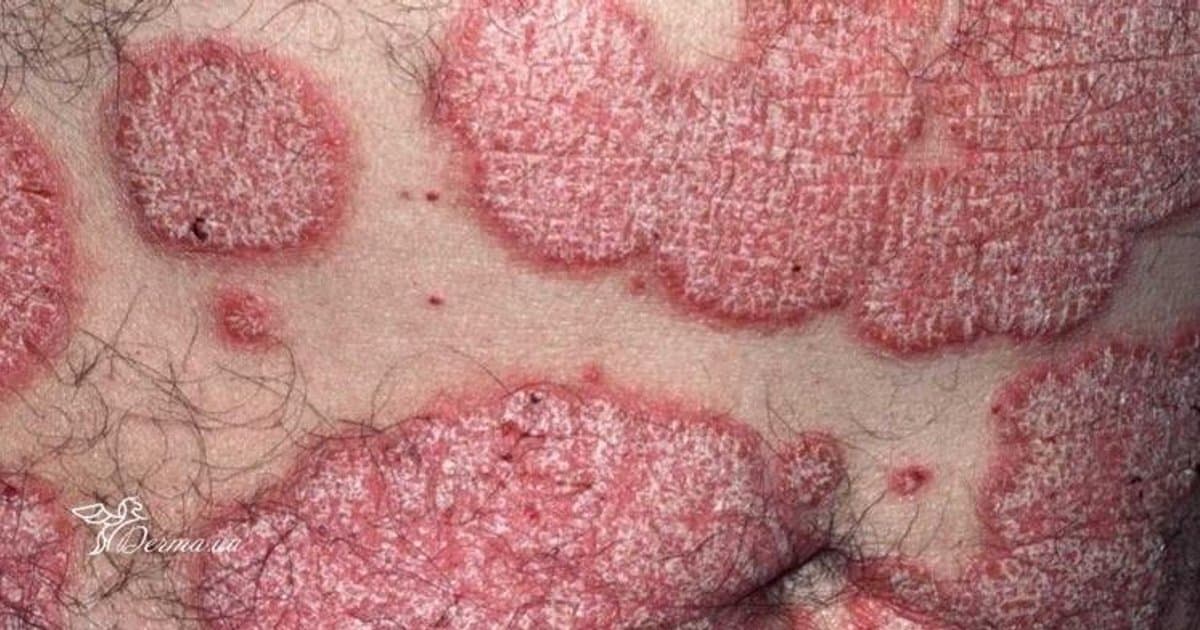
Psoriasis is a chronic, immune-mediated inflammatory disease that causes skin cells to build up rapidly on the surface of the skin, forming thick, silvery scales and itchy, dry, red patches that are sometimes painful. While normal skin cells mature and shed in about 28-30 days, in psoriasis this process is accelerated to just 3-4 days, creating the characteristic buildup. This isn't just a skin condition—it's a systemic inflammatory disease with far-reaching health implications.
Psoriasis affects approximately 2-3% of the global population, with onset typically between ages 15-35 or 50-60, though it can develop at any age. The condition results from a dysfunctional immune system that mistakenly attacks healthy skin cells, triggering inflammation and excessive skin cell production. Genetics play a crucial role: if one parent has psoriasis, you have a 10% chance of developing it; if both parents have it, your risk jumps to 50%.
But here's what makes psoriasis particularly cruel: it's incurable and unpredictable. You might experience clear skin for months or years, then suddenly face a devastating flare triggered by stress, illness, medication, or no identifiable cause at all. The visible nature of psoriasis—raised, scaly, red patches that can cover large areas of the body—carries profound psychological and social consequences.
People with psoriasis report depression, anxiety, social isolation, and reduced quality of life at rates comparable to other serious chronic diseases like cancer and heart disease. The physical symptoms—relentless itching, painful cracking and bleeding, joint pain—are compounded by the emotional burden of living with a highly visible condition that others often misunderstand as contagious or resulting from poor hygiene. Every day with untreated or poorly managed psoriasis is a day of unnecessary suffering. Upload a photo and get results in seconds to understand what you're dealing with.
Types of Psoriasis: From Common Plaques to Life-Threatening Forms
Psoriasis manifests in several distinct forms, each with unique characteristics and treatment implications. Plaque psoriasis (psoriasis vulgaris) accounts for 80-90% of cases, presenting as raised, red patches covered with silvery-white scales, most commonly on elbows, knees, scalp, and lower back. These plaques can be small or cover large body areas, and they itch, burn, or crack and bleed.
Guttate psoriasis appears as small, drop-shaped lesions on the trunk, arms, and legs, often triggered by streptococcal throat infection and more common in children and young adults. It may resolve on its own or evolve into plaque psoriasis. Inverse psoriasis develops in skin folds—armpits, groin, under breasts, around genitals—appearing as smooth, red, inflamed patches without scaling due to moisture in these areas.
The lack of scaling doesn't mean it's less problematic; friction and sweating make inverse psoriasis particularly uncomfortable. Pustular psoriasis features white, pus-filled blisters surrounded by red skin, occurring in localized areas (often hands and feet) or covering the body (generalized pustular psoriasis). The pus is not infectious but consists of white blood cells.
Generalized pustular psoriasis can be life-threatening, causing fever, chills, severe itching, rapid pulse, and muscle weakness requiring immediate hospitalization. Erythrodermic psoriasis is the rarest and most dangerous form, causing widespread, fiery redness and scaling of most of the body surface. This type can cause severe illness with shivering, fluid retention, increased heart rate, and fluctuating body temperature.
Erythrodermic psoriasis is a medical emergency that can be fatal if untreated, as the widespread inflammation disrupts the body's temperature regulation and barrier function, leading to protein and fluid loss, infection risk, and cardiovascular stress.!! Nail psoriasis affects up to 50% of people with psoriasis and 80% of those with psoriatic arthritis, causing pitting, abnormal growth, discoloration, and separation from the nail bed. Scalp psoriasis ranges from mild scaling to thick, crusted plaques covering the entire scalp, extending beyond the hairline.
If you're experiencing any widespread, rapidly worsening, or pustular psoriasis, this is a medical emergency. Don't wait—early detection saves lives.
Triggers and Flares: Understanding What Makes Psoriasis Worse
One of the most frustrating aspects of living with psoriasis is its unpredictability—the condition can flare without warning or identifiable cause. However, common triggers include infections, particularly streptococcal throat infections which can precipitate guttate psoriasis or worsen existing plaques. Stress is a powerful trigger, creating a vicious cycle where psoriasis causes stress, and stress worsens psoriasis.
Skin injury (the Koebner phenomenon) means that cuts, scrapes, bug bites, sunburn, or even tattoos can trigger new psoriasis lesions at the injury site 10-14 days later. Weather and climate significantly impact symptoms: cold, dry weather typically worsens psoriasis while warm, humid conditions and moderate sun exposure often improve it. However, sunburn triggers flares, so sun exposure must be carefully managed.
Medications are notable triggers: lithium (used for bipolar disorder), beta-blockers (for high blood pressure), antimalarials, NSAIDs like ibuprofen, and sudden withdrawal from corticosteroids can all provoke or worsen psoriasis. Alcohol consumption correlates with increased psoriasis severity and reduces treatment effectiveness. Smoking not only increases psoriasis risk but also makes the disease more severe and treatment-resistant.
Hormonal changes during puberty, pregnancy, and menopause can influence disease activity. Obesity worsens psoriasis severity and reduces treatment response—excess weight increases systemic inflammation and makes inverse psoriasis more problematic in skin folds. The metabolic factors associated with obesity (insulin resistance, inflammation) create a hostile environment that perpetuates psoriasis.
Understanding your personal triggers requires careful observation and documentation—what provokes a flare in one person might not affect another. Keeping a detailed symptom diary tracking flares, potential triggers, stress levels, illnesses, medications, and environmental factors can reveal patterns that allow you to anticipate and potentially prevent flares. But even with perfect trigger management, psoriasis remains unpredictable and incurable.
Your skin tells a story. Let AI read it.

Treatment Options: From Topicals to Biologics
Psoriasis treatment follows a stepwise approach based on disease severity and response. For mild psoriasis (affecting less than 3% of body surface area), topical treatments are first-line: corticosteroids reduce inflammation and slow cell turnover but must be used carefully due to skin thinning, stretch marks, and rebound flares when discontinued; vitamin D analogues like calcipotriene slow skin cell growth and remove scales; topical retinoids normalize skin cell production but cause irritation; calcineurin inhibitors (tacrolimus, pimecrolimus) reduce inflammation, particularly useful for facial and inverse psoriasis; coal tar has been used for over a century to reduce scaling, itching, and inflammation, though it's messy and smells unpleasant; salicylic acid helps lift and remove scales, allowing other medications to penetrate better. Moderate to severe psoriasis (affecting more than 3-10% of body surface area or significantly impacting quality of life) requires systemic treatment.
Phototherapy involves exposing skin to ultraviolet light under medical supervision: narrowband UVB is most common; PUVA combines psoralen medication with UVA exposure. Phototherapy requires 2-3 sessions weekly for months and carries skin cancer risk with prolonged use. Oral medications include methotrexate, which suppresses the immune system but requires monitoring for liver damage; cyclosporine, a powerful immunosuppressant used for short-term control of severe flares; apremilast, which targets inflammatory pathways with fewer serious side effects but moderate efficacy.
The revolution in psoriasis treatment came with biologic drugs—genetically engineered proteins that target specific parts of the immune system. TNF-alpha inhibitors (etanercept, adalimumab, infliximab) were first-generation biologics; IL-17 inhibitors (secukinumab, ixekizumab) and IL-23 inhibitors (guselkumab, risankizumab, tildrakizumab) represent newer, highly effective options that can achieve near-complete clearance in many patients. Biologics are administered by injection or infusion and cost tens of thousands of dollars annually, though insurance often covers them for appropriate candidates.
They carry risks including serious infections and require monitoring. The challenge: finding the right treatment combination for your specific situation often involves trial and error, and what works beautifully for months or years can suddenly stop being effective. Not sure if it's serious? Let our AI take a look.

Beyond the Skin: Psoriatic Arthritis and Systemic Health Risks
Psoriasis is not merely a cosmetic condition—it's a systemic inflammatory disease with serious health implications beyond the skin. Up to 30% of people with psoriasis develop psoriatic arthritis (PsA), an inflammatory arthritis that causes joint pain, stiffness, and swelling.!! PsA can affect any joint but commonly impacts fingers, toes, wrists, knees, ankles, and lower back.
It causes permanent joint damage if left untreated, leading to deformity and disability. The insidious aspect of PsA is that irreversible joint damage can occur before symptoms become severe, making early detection and treatment critical. Symptoms include swollen fingers or toes (dactylitis or 'sausage digits'), foot pain particularly in the heel or sole (enthesitis), lower back pain (spondylitis), nail changes, and morning stiffness lasting over 30 minutes.
If you have psoriasis and experience any joint symptoms, immediate rheumatological evaluation is essential. Beyond PsA, people with psoriasis face significantly elevated risks for multiple serious conditions. Cardiovascular disease risk is increased 50% or more—psoriasis, particularly severe cases, correlates with heart attack, stroke, and cardiovascular death independent of other risk factors.!!
The chronic inflammation driving psoriasis also damages blood vessels and promotes atherosclerosis. Metabolic syndrome (obesity, high blood pressure, abnormal cholesterol, insulin resistance) occurs at higher rates in psoriasis patients, as does type 2 diabetes. Non-alcoholic fatty liver disease is more common and more severe.
Chronic kidney disease risk is elevated. 5-2 times higher than the general population, anxiety is prevalent, and suicide rates are increased. Inflammatory bowel diseases (Crohn's disease and ulcerative colitis) share immune pathways with psoriasis and co-occur more frequently.
The systemic inflammation that creates skin plaques is simultaneously damaging organs throughout your body. Managing psoriasis effectively isn't vanity—it's protecting your overall health and longevity. Take 30 seconds to scan—it could save your life.
Living with Psoriasis: Daily Management and Quality of Life
Living with psoriasis means navigating a complex daily reality that healthy-skinned people rarely consider. The physical routine is demanding: applying topical medications can take 30-60 minutes daily, covering large areas of the body with creams and ointments that are greasy, smell unpleasant, and stain clothing. Phototherapy requires multiple weekly clinic visits.
Managing the itch without scratching (which worsens lesions and triggers the Koebner phenomenon) requires constant vigilance. Scaling creates a constant mess—flakes on clothing, furniture, and bedding. Showering becomes complicated: hot water and harsh soaps worsen psoriasis, but gentle lukewarm showers with mild cleansers feel inadequate.
Moisturizing immediately after bathing is essential but time-consuming. The social and emotional burden is equally heavy. Visible plaques on hands, arms, legs, face, and scalp trigger stares, comments, and discrimination.
People have been asked to leave pools, gyms, and salons due to visible psoriasis, despite it being non-contagious. Dating becomes fraught with anxiety about when and how to disclose the condition. Intimacy suffers when genital psoriasis is present.
Clothing choices are limited by the need to cover affected areas or avoid fabrics that irritate skin. Professional opportunities may be limited by visible lesions and the discrimination that persists despite being illegal. The financial burden is substantial: even with insurance, copays for biologics can be hundreds of dollars monthly; topical medications for large body surface areas cost hundreds out-of-pocket; phototherapy requires transportation to appointments; time away from work for medical appointments and severe flares affects income.
The mental burden of a chronic, incurable, unpredictable condition that visibly marks you as different erodes psychological wellbeing. The constant awareness that a flare could happen at any time—before your wedding, important presentation, or vacation—creates anxiety. Support systems matter enormously: connecting with others who understand the condition through support groups (in-person or online) reduces isolation; educating friends and family helps them provide appropriate support; working with mental health professionals who understand chronic illness addresses the psychological impacts.
Psoriasis will demand much from you, but it doesn't have to control your entire life. Curious about that spot? Get instant AI analysis.

Emerging Treatments and Hope for the Future
While psoriasis remains incurable, the treatment landscape has transformed dramatically over the past two decades, offering hope that once seemed impossible. The development of biologic drugs targeting specific immune pathways has allowed many patients to achieve near-complete clearance for extended periods—something unimaginable before the 2000s. Newer biologics like risankizumab and tildrakizumab (IL-23 inhibitors) demonstrate superior efficacy and longer dosing intervals (every 12 weeks) compared to earlier options, reducing treatment burden.
Research into oral small molecule drugs continues advancing: oral TYK2 inhibitors like deucravacitinib offer biologic-level efficacy in pill form without the need for injections. Gene therapy approaches are in early research stages, targeting the genetic mutations that predispose to psoriasis. The microbiome's role in psoriasis is being investigated, with studies suggesting that gut bacteria composition influences disease activity—this could lead to probiotic or dietary interventions.
Artificial intelligence and machine learning are being applied to predict which patients will respond to which treatments, potentially eliminating the current trial-and-error approach. Personalized medicine approaches analyzing genetic markers, immune profiles, and disease characteristics promise to match patients with their optimal treatment from the start. Research into preventing psoriatic arthritis in those with skin psoriasis is ongoing—early intervention with systemic treatments might prevent joint damage before it begins.
Patient advocacy has improved insurance coverage for expensive biologics, and patient assistance programs help offset costs. Telemedicine has expanded access to dermatological and rheumatological care for those in underserved areas. The pipeline of drugs in development is robust, with multiple novel targets being investigated.
While we cannot yet cure psoriasis, we're approaching an era where sustained clearance and normal quality of life are achievable goals for most patients rather than rare exceptions. The key is early diagnosis, appropriate treatment escalation, and refusing to accept suffering as inevitable. The treatments available today are exponentially better than those available even ten years ago, and the future is brighter still.

How Skinscanner Supports Your Psoriasis Journey
Managing psoriasis requires tracking changes over time, identifying flares early, and communicating effectively with healthcare providers—all areas where Skinscanner provides valuable support. Our artificial intelligence has been trained to recognize psoriasis and distinguish it from other scaly, red skin conditions like eczema, seborrheic dermatitis, and fungal infections that require different treatments. Simply photograph affected areas using your smartphone, and our AI analyzes the images within seconds, assessing the extent and characteristics of the lesions.
This objective documentation is invaluable for tracking disease activity over time: upload photos weekly or monthly to create a visual timeline showing whether your current treatment regimen is improving, maintaining, or failing to control your psoriasis. When starting a new treatment—whether topical, systemic, or biologic—Skinscanner provides concrete evidence of whether it's working, helping you and your healthcare provider make informed decisions about continuing, adjusting, or changing therapy. For those trying to identify personal triggers, pairing AI-documented photos with a symptom diary tracking stress, illness, medications, and environmental factors can reveal patterns linking specific triggers to flares.
Before dermatology appointments, having a series of time-stamped photos provides your doctor with far more information than verbal descriptions or memory alone. This is particularly valuable given the limited time available during appointments and the fact that your skin might look better or worse on appointment day than it did throughout the preceding weeks. Skinscanner also helps distinguish psoriasis from potentially more serious conditions—if what you think is psoriasis suddenly changes character, our AI can flag concerning features warranting urgent evaluation.
While Skinscanner doesn't replace dermatological care—psoriasis requires professional diagnosis and treatment—it empowers you with documentation, tracking, and insights that enhance your ability to manage this chronic condition effectively. Psoriasis has already taken too much from you. Don't let uncertainty and inadequate monitoring steal more. Check your skin now with a free AI scan and take control of your psoriasis management with better information and documentation.