
What Are Seborrheic Keratoses?
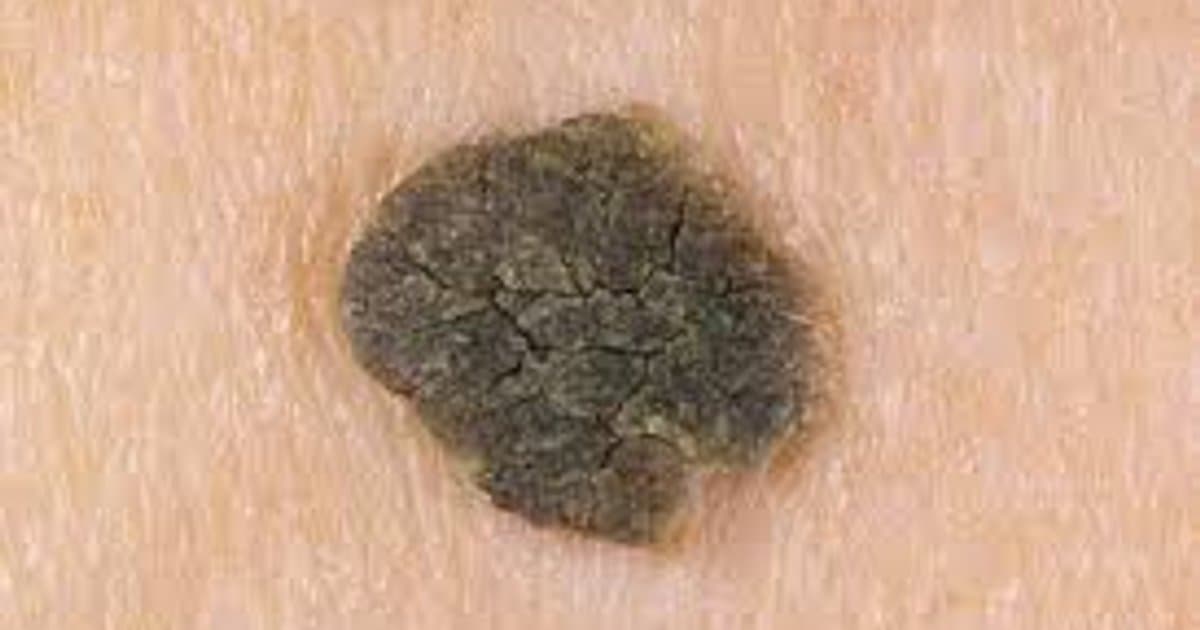
Seborrheic keratoses (SKs) are benign (non-cancerous) skin growths that are among the most common skin lesions in adults, affecting virtually everyone who lives long enough. They are sometimes affectionately — or less affectionately — called the 'barnacles of aging' because they tend to accumulate progressively with age, starting typically in the 30s or 40s and becoming increasingly numerous in the decades that follow. By age 50, most adults have at least one, and many have dozens or even hundreds.
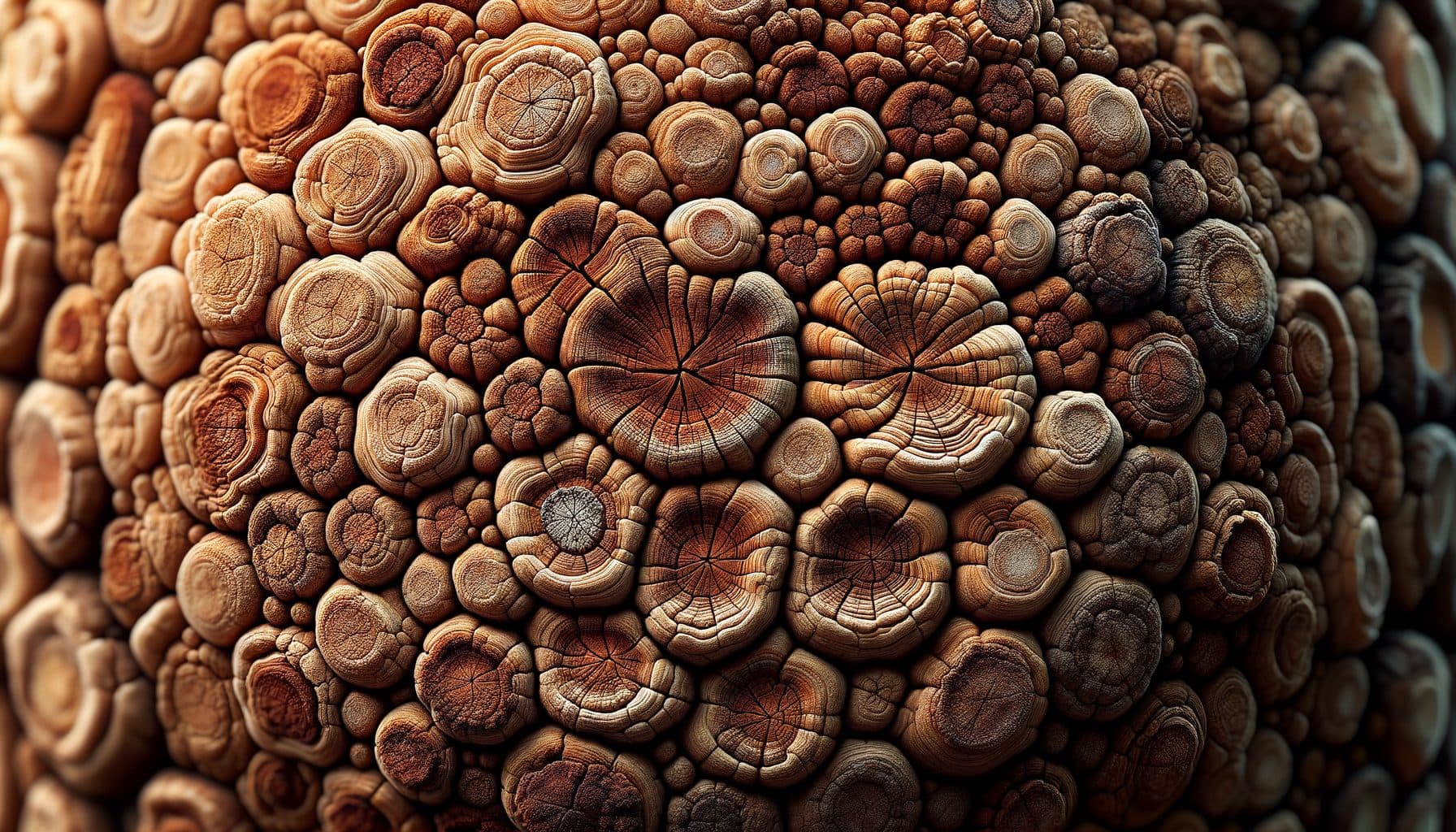
SKs arise from keratinocytes (skin cells) that proliferate to form a well-defined, waxy, raised growth that appears to be 'stuck on' to the skin surface — as if you could peel it off with your fingernail (though you shouldn't try). They range from light tan to dark brown or even black, from a few millimeters to several centimeters in diameter, and from flat to significantly raised. Their surface texture is characteristically waxy, velvety, or verrucous (wart-like), often with visible horn cysts (tiny keratin-filled pores) and fissures that give them a cerebriform (brain-like) or rough appearance under magnification.
The cause of seborrheic keratoses is not fully understood, but genetic predisposition is strong — they tend to run in families. Sun exposure plays some role, as SKs are more common on sun-exposed areas, though they also develop in sun-protected sites. Activating mutations in growth factor receptor genes (particularly FGFR3 and PIK3CA) have been identified in SKs, but these are somatic mutations (occurring in individual cells) rather than inherited cancer-predisposing mutations. Despite harboring growth-promoting mutations, SKs are definitively benign — they do not progress to skin cancer and have no malignant potential.
Why Seborrheic Keratoses Cause So Much Alarm
Despite being completely harmless, seborrheic keratoses are responsible for a disproportionate number of urgent dermatology referrals and patient anxiety. The reason is simple: they can look terrifying. Dark seborrheic keratoses are frequently mistaken for melanoma — their irregular pigmentation, variable coloring (multiple shades of brown and black), and sometimes irregular borders trigger justified concern.
Even experienced clinicians occasionally struggle to distinguish a dark, atypical SK from melanoma without dermoscopy or biopsy. Rough, scaly SKs can be confused with squamous cell carcinoma or actinic keratosis, particularly on sun-damaged skin where genuine pre-cancerous and cancerous lesions may coexist with benign SKs. Inflamed or irritated SKs — rubbed by clothing, scratched accidentally, or subject to friction — can become red, swollen, crusted, or even bleed, mimicking the appearance of an aggressive skin lesion.
The sudden appearance of multiple SKs has historically been associated with internal malignancy (the sign of Leser-Trelat), though the clinical significance of this association is debated, and most sudden SK eruptions are not associated with cancer. The anxiety SKs cause is understandable and often beneficial — it motivates skin examinations that sometimes discover genuine problems. The danger lies in the opposite direction: people who have been told they have 'just seborrheic keratoses' may become complacent about new skin growths, assuming everything is benign.
Each new lesion deserves individual evaluation. A melanoma growing next to a seborrheic keratosis is just as dangerous as one growing on clear skin — familiarity with your existing SKs should not breed neglect of new or changing spots.!!

How to Identify Seborrheic Keratoses
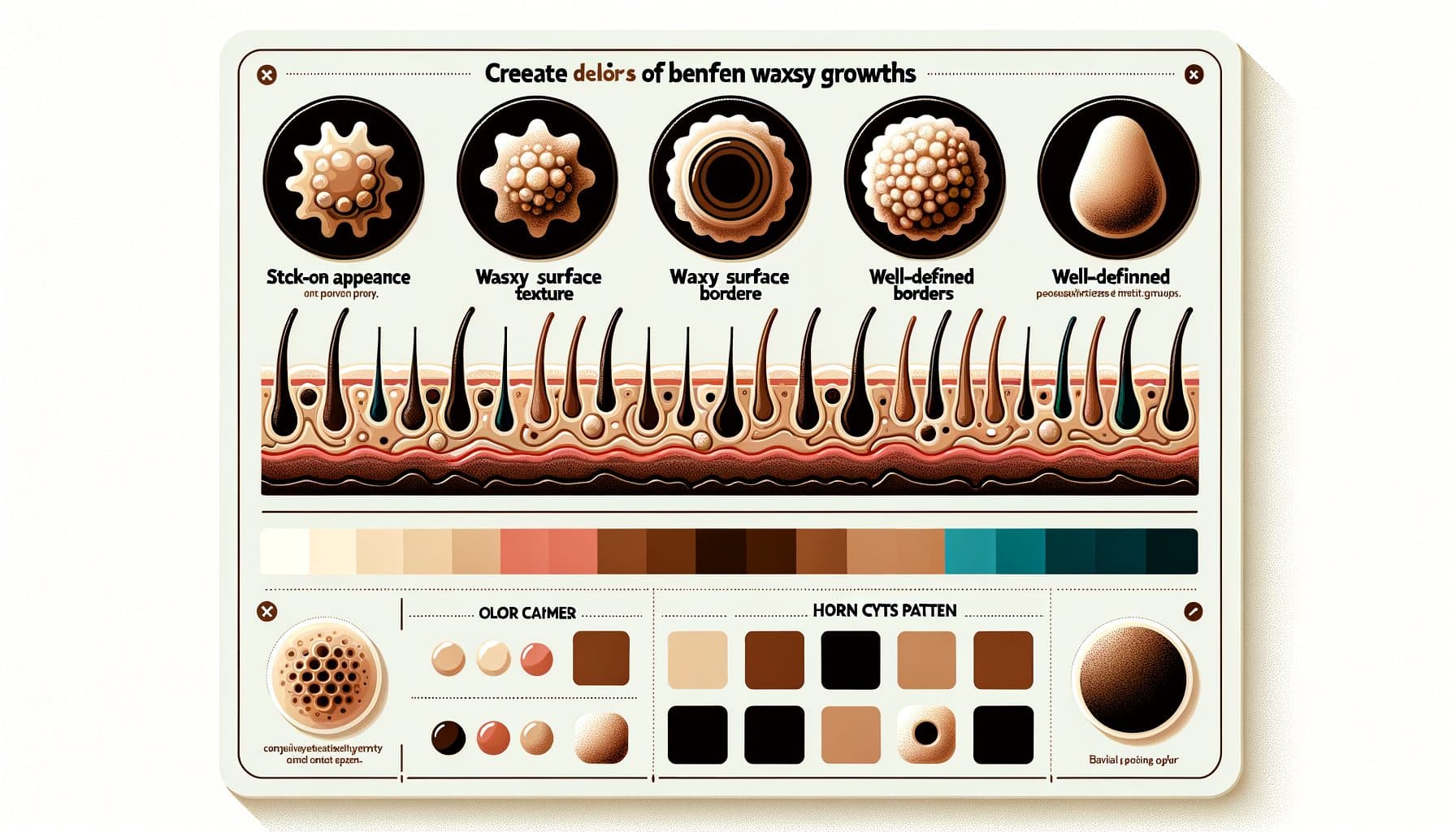
Several features help distinguish seborrheic keratoses from more concerning lesions, though definitive differentiation sometimes requires professional evaluation with dermoscopy or biopsy. The 'stuck-on' appearance is the hallmark feature — SKs look as if they sit on top of the skin rather than growing from within it, with a well-defined border where the growth meets normal skin. The waxy, slightly greasy surface texture is characteristic and differs from the matte, rough surface of actinic keratoses or the smooth, shiny quality of basal cell carcinoma.
Horn cysts — tiny, round, keratin-filled pores visible as pale dots on the SK surface — are a highly specific feature rarely seen in malignant lesions. Comedo-like openings (dark pores resembling blackheads) on the surface are similarly characteristic. The color of SKs tends to be uniform within the brown-to-black spectrum, and while they can be quite dark, they typically lack the true jet-black, blue-black, or red-blue-white color variation seen in melanoma.
SKs have well-defined, regular borders — even large ones tend to have smooth, sharply demarcated edges rather than the notched, scalloped borders of melanoma. Size varies widely (2mm to 3cm or more) and is not a reliable distinguishing feature. SKs can occur anywhere on the body except the palms and soles, with the trunk, face, and extremities being most common.
They do not occur on mucous membranes. When in doubt, apply this principle: if a skin growth concerns you for any reason — color, shape, change, symptoms — get it evaluated professionally.!! ' Dermoscopy (examination with a specialized magnifying instrument) in trained hands can distinguish SKs from melanoma with high accuracy, often avoiding the need for biopsy.
When Biopsy Is Needed: Ruling Out the Dangerous Mimics
While most seborrheic keratoses are readily identified clinically, biopsy (surgical removal with pathologic examination) is indicated in several circumstances. Any lesion that the clinician cannot confidently diagnose as benign based on clinical and dermoscopic examination should be biopsied — when in doubt, cut it out. Specific indications for biopsy include a lesion that has changed rapidly in size, shape, or color (SKs are slow-growing and stable; rapid change suggests a different diagnosis); a very dark or black lesion where melanoma cannot be confidently excluded; a lesion with atypical features for SK (irregular borders, color variation not typical of SK, lack of characteristic surface features); a lesion that is painful, tender, or bleeds repeatedly without obvious irritation cause; a single lesion that looks different from the patient's other SKs (an 'ugly duckling' among keratoses); and any lesion in a patient with a personal history of melanoma, where the threshold for biopsy should be lower.
The phenomenon of collision tumors — where a melanoma or other malignancy develops within or adjacent to a seborrheic keratosis — is rare but documented, reinforcing the importance of evaluating atypical-appearing areas within otherwise typical SKs. Pathological examination of a biopsied SK reveals characteristic features: acanthosis (thickened epidermis), papillomatosis (finger-like projections), hyperkeratosis (thickened surface layer), and horn cysts — a pattern that pathologists recognize immediately. Occasionally, biopsy of a lesion clinically suspected to be an SK reveals an unexpected diagnosis — melanocytic nevus, melanoma in situ, or squamous cell carcinoma — highlighting the value of maintaining appropriate clinical suspicion even for 'obvious' SKs.
Removal Options: When and How to Get Rid of Them
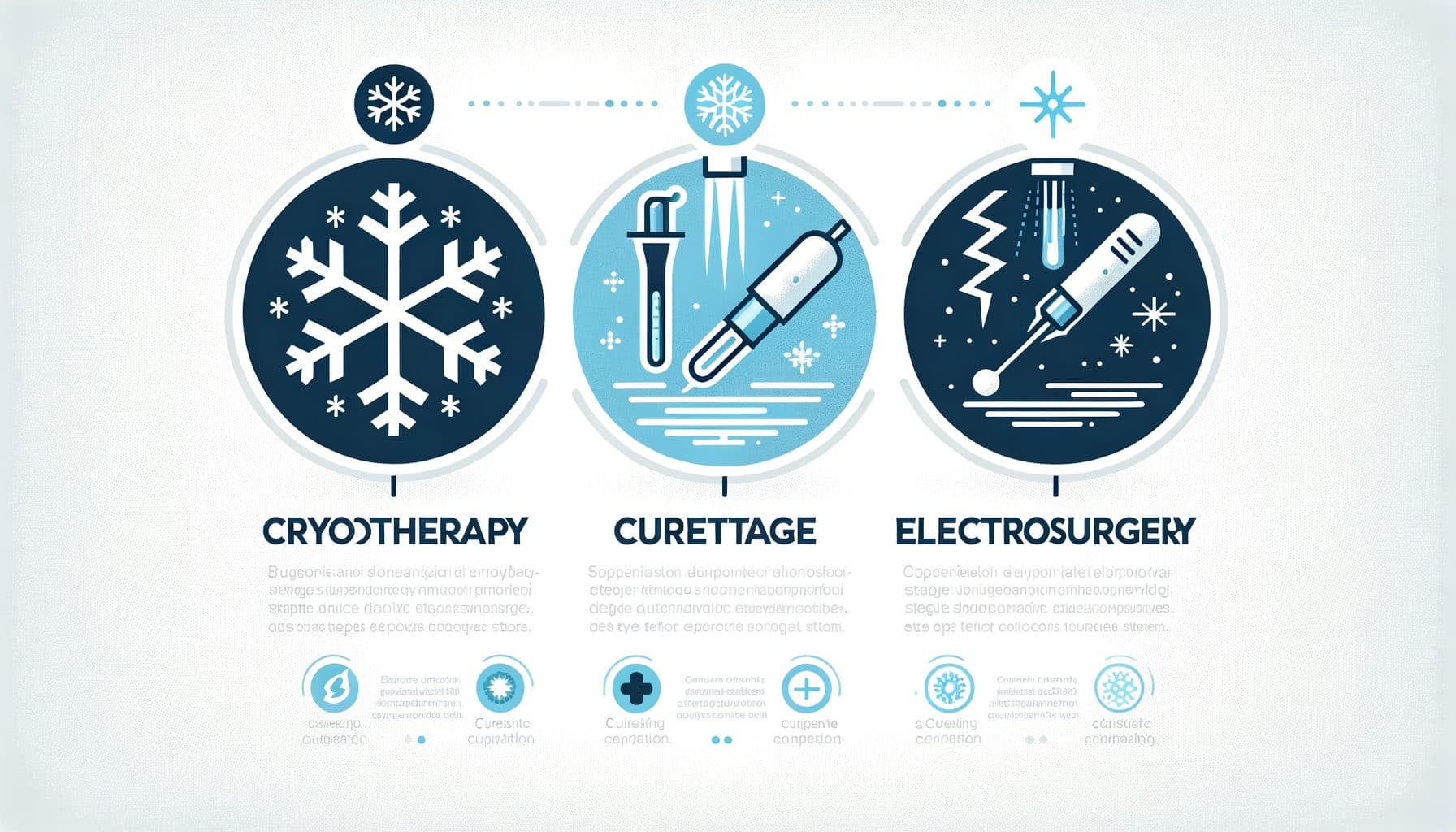
Seborrheic keratoses do not require medical treatment, as they are benign and pose no health risk. However, many patients seek removal for cosmetic reasons, because of irritation from clothing or jewelry friction, or for peace of mind after concern about a suspicious-looking growth. The most common removal method is cryotherapy — liquid nitrogen applied for a brief freeze, causing the SK to blister and fall off over 1-2 weeks.
Cryotherapy is quick, inexpensive, and effective for flat to moderately raised SKs, but may require multiple treatments for thick lesions and can cause temporary or permanent hypopigmentation (white spots), particularly in darker skin tones. Shave excision (tangential excision) uses a blade to shave the SK off at or slightly below the skin surface after local anesthesia. This provides a tissue specimen for pathological examination (confirming the diagnosis) and gives excellent cosmetic results for raised SKs.
It is particularly useful when there is any diagnostic uncertainty, as the removed tissue can be examined under the microscope. Curettage (scraping) with or without electrodesiccation is effective for soft, raised SKs. The growth is scraped away with a curette, and the base may be lightly cauterized to stop bleeding and prevent regrowth.
Laser ablation using CO2 or erbium lasers vaporizes the tissue and can treat multiple SKs in a single session with good cosmetic outcomes. Electrosurgery uses electrical current to destroy the SK tissue. For patients with numerous SKs seeking treatment, hydrogen peroxide 40% topical solution (Eskata) was an FDA-approved in-office treatment that dissolved SKs through direct application, though availability may vary.
An important practical consideration: insurance coverage for SK removal is inconsistent. When removal is performed for diagnostic purposes (biopsy to rule out malignancy), it is typically covered. Purely cosmetic removal may not be covered, and patients should clarify coverage before proceeding. After removal, SKs can recur at the same site (especially if removal was incomplete) or, more commonly, new SKs develop at other sites — removal does not prevent future SKs from forming.
When to See a Doctor About Skin Growths
While seborrheic keratoses themselves are harmless, they serve as a useful reminder to pay attention to your skin. See a doctor if you develop a new skin growth that is very dark (black) or has multiple colors within it, as melanoma must be excluded. Any growth that changes rapidly over days to weeks needs evaluation — SKs grow slowly over months to years; rapid change suggests something different.
Seek assessment for any skin growth that bleeds spontaneously or repeatedly without obvious trauma. If a growth becomes painful or tender without clear irritation cause, professional evaluation is warranted. The sudden eruption of numerous seborrheic keratoses (sign of Leser-Trelat) should prompt medical evaluation, as it may rarely be associated with internal malignancy.
If you have difficulty distinguishing your SKs from other lesions on your skin — particularly if you also have sun damage, actinic keratoses, or a history of skin cancer — regular professional skin examinations help ensure that benign SKs aren't obscuring detection of genuinely concerning lesions. For cosmetic concerns, consult a dermatologist about removal options appropriate for your specific lesions, skin type, and expectations. Do not attempt to remove SKs at home using cutting, burning, or strong chemical agents — this risks scarring, infection, incomplete removal, and missing a misdiagnosed malignancy.

How AI Skin Analysis Can Help Evaluate Skin Growths
One of the most common reasons people use skin scanning tools is to evaluate a growth they've noticed and determine whether it might be something to worry about. Skinscanner is particularly valuable in this context because seborrheic keratoses are so frequently confused with more serious conditions. By photographing a concerning growth, you receive immediate AI analysis of its features — including characteristics suggestive of SK (stuck-on appearance, waxy texture, horn cysts) versus features that raise concern for melanoma or other cancers (irregular borders, color variation, asymmetry).
This initial assessment helps you make an informed decision about whether to seek professional evaluation urgently, at your next routine appointment, or not at all. For those with numerous seborrheic keratoses, Skinscanner provides a practical way to monitor your existing growths and identify new ones that look different from your established pattern. The 'ugly duckling' concept — a lesion that looks markedly different from your others — applies not only to moles but to SKs as well.
A growth that doesn't match the typical appearance of your other keratoses deserves closer attention. Regular scanning creates a photographic inventory of your skin growths, making it easier to detect genuinely new lesions against the background of existing benign ones. Skinscanner does not replace dermatologic examination — any growth with features concerning for malignancy needs professional evaluation and potentially biopsy. But it provides accessible, immediate analysis that helps you navigate the common dilemma of distinguishing harmless seborrheic keratoses from lesions that deserve medical attention.