

Lightweight SPF Options for Daily Protection
Summer brings warmth, longer days, and increased outdoor activity — but it also exposes your skin to its most formidable opponents: ultraviolet radiation, extreme heat, and humidity. The damage that accumulates during summer months contributes more to premature aging and skin cancer risk than any other seasonal factor. Read our complete guide to sun protection for year-round strategies.
A thoughtful summer skincare routine is not just about comfort — it is about long-term skin health. Sunscreen is the single most important product in your summer skincare arsenal, yet many people skip it because they find traditional formulations heavy, greasy, or uncomfortable in the heat. Fortunately, modern sunscreen technology has produced a range of lightweight options that provide excellent protection without compromising comfort.
Chemical sunscreens — those containing organic UV filters like avobenzone, homosalate, or newer filters such as tinosorb and mexoryl — tend to have lighter textures than mineral formulations. They absorb into the skin and convert UV radiation into heat, offering a virtually invisible finish that works well under makeup. Many modern chemical sunscreens come in fluid, milk, or gel-cream textures that feel weightless on the skin.
A fluid-textured SPF 50 sunscreen applied generously provides far better real-world protection than a thick SPF 100 cream that you apply sparingly because it feels uncomfortable.!! The best sunscreen is ultimately the one you will actually use consistently and in adequate amounts — roughly a quarter teaspoon for the face alone. Mineral sunscreens containing zinc oxide and titanium dioxide sit on top of the skin and physically block UV rays.
While older formulations were notoriously chalky and white, modern micronized and tinted mineral sunscreens offer much more elegant finishes. Tinted mineral sunscreens provide the added benefit of visible light protection, which is particularly relevant for individuals prone to melasma or post-inflammatory hyperpigmentation. For those who find even lightweight sunscreens too heavy, SPF-infused moisturizers, setting sprays, and powder sunscreens can supplement your primary protection.
However, these should be viewed as reapplication tools rather than primary sunscreen, as it is difficult to achieve adequate coverage with powder or spray formats alone. Reapplication is non-negotiable — every two hours during continuous sun exposure, or immediately after swimming or heavy sweating.

Building a Sweat-Proof Summer Routine
Heat and humidity fundamentally change how your skincare products behave on your skin. Products that layer beautifully in cooler conditions (see our winter skincare routine) may pill, slide, or break down in summer heat. Adapting your routine to be sweat-resistant while still providing adequate care requires strategic product choices and application techniques.
Start by simplifying your routine. Summer is the time to pare back to essentials rather than layering multiple serums and treatments. A typical effective summer morning routine might include a gentle cleanser, a lightweight antioxidant serum such as vitamin C, a hydrating but non-heavy moisturizer, and sunscreen.
Fewer layers mean fewer opportunities for products to interact poorly in the heat. Choose water-based and gel formulations over creams and oils. Gel moisturizers containing hyaluronic acid provide adequate hydration without the heavy feel that causes summer breakouts.
Oil-free formulations are particularly important for those with oily or combination skin, as heat increases sebum production naturally. Setting your sunscreen and skincare with a light dusting of translucent powder can help absorb excess oil and improve the longevity of your products throughout the day. Blotting papers are another useful tool — they remove surface oil and sweat without disturbing your sunscreen layer underneath.
Water-resistant sunscreen formulations maintain their protective film for 40 to 80 minutes during swimming or sweating, but no sunscreen is truly waterproof, and reapplication after toweling off is always necessary.!! For active outdoor days, look for sunscreens specifically labeled as sport or water-resistant, and carry a travel-size tube or stick sunscreen for convenient reapplication. In the evening, double cleansing becomes especially important during summer. An oil-based first cleanser dissolves sunscreen, sweat, and excess sebum, followed by a gentle water-based cleanser to remove any remaining residue.

Heat Rash Prevention and Skin Protection
Heat rash, also known as miliaria, occurs when sweat ducts become blocked and sweat gets trapped beneath the skin surface. It manifests as small, itchy red bumps or blisters, most commonly in areas where skin folds or clothing creates friction — the neck, chest, groin, and inner elbows. While generally not serious, heat rash is uncomfortable and can lead to secondary infection if scratched excessively.
Prevention centers on keeping the skin cool and allowing sweat to evaporate freely. Wear loose-fitting, breathable clothing made from natural fibers like cotton or moisture-wicking technical fabrics. Avoid heavy, occlusive skincare products on areas prone to heat rash, as these can block sweat ducts in the same way that thick clothing does.
Stay in air-conditioned or well-ventilated environments during the hottest parts of the day when possible. When you do sweat heavily, change out of damp clothing as soon as practical and gently cleanse affected areas to remove salt and bacteria that can clog pores and sweat ducts. Calamine lotion can provide soothing relief for existing heat rash, as can cool compresses and colloidal oatmeal baths.
Anhydrous lanolin has been shown in some studies to help prevent blockage of sweat ducts when applied prophylactically to rash-prone areas. Avoid scratching, as broken skin in warm, moist conditions is an invitation for bacterial infection. Beyond heat rash, prolonged heat exposure can cause generalized skin inflammation.
Heat dilates blood vessels, increases inflammatory mediators, and can worsen conditions like rosacea, eczema, and acne. Keeping the skin cool with facial mists, cooling gels, or even brief application of a cold cloth can help manage heat-related inflammation during peak summer temperatures. Those who exercise outdoors should pay particular attention to friction areas. Anti-chafing balms or products designed to reduce friction can prevent the painful irritation that occurs when sweaty skin rubs against clothing or other skin surfaces.
After-Sun Care and Damage Repair
Despite your best prevention efforts, some degree of UV exposure is inevitable during summer. How you care for your skin after sun exposure significantly influences whether that exposure leads to lasting damage or is effectively repaired by your skin's natural recovery mechanisms. If you experience sunburn, the priority is reducing inflammation and supporting the skin's healing process.
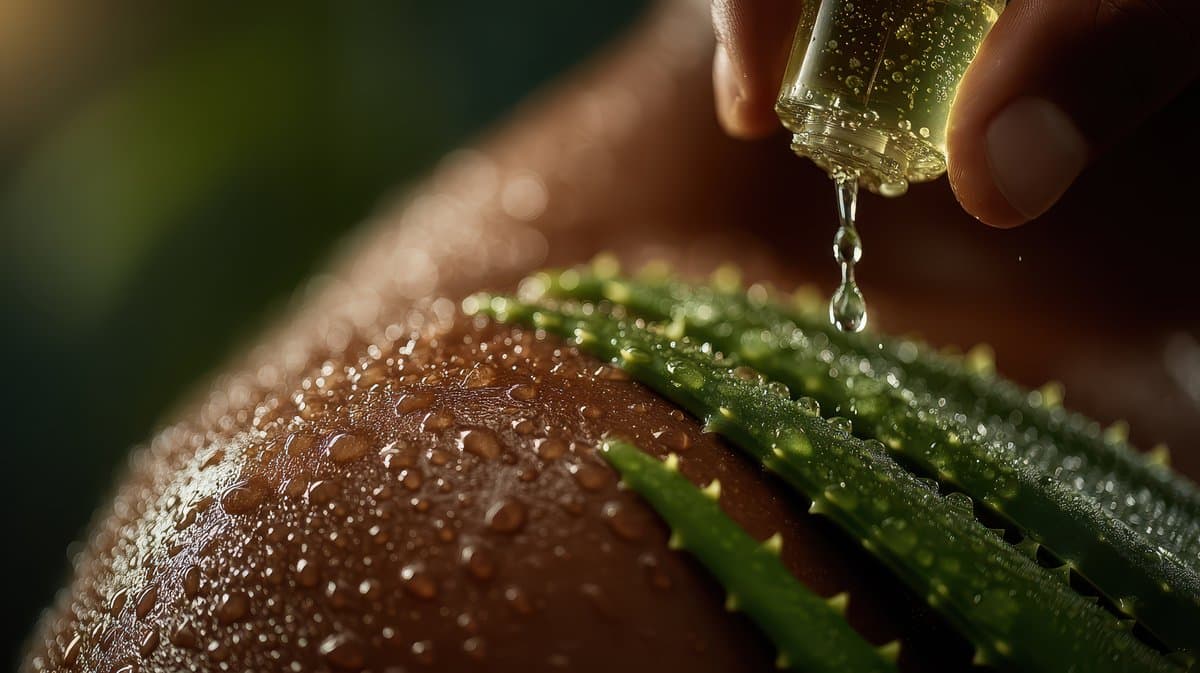
Cool — not cold — compresses applied to burned areas help constrict blood vessels and reduce pain. Aloe vera gel provides a soothing, anti-inflammatory effect, though look for products with a high aloe concentration and minimal added fragrances or dyes. Nonsteroidal anti-inflammatory medications taken orally within the first few hours can help reduce the inflammatory cascade.
Applying a niacinamide serum after sun exposure can help mitigate UV-induced DNA damage and support the skin's natural repair processes, making it one of the most evidence-supported after-sun ingredients.!! Niacinamide, also known as vitamin B3, enhances cellular energy production needed for DNA repair and reduces the immunosuppressive effects of UV radiation. Even without visible sunburn, cumulative UV exposure causes subclinical damage that benefits from targeted repair.
Antioxidant serums applied in the evening — containing ingredients like vitamin C, vitamin E, or resveratrol — help neutralize the free radicals generated by UV exposure throughout the day. Retinoids used at night promote cell turnover and collagen production, counteracting some of the photoaging effects of summer sun. Keep your post-sun skin well hydrated.
UV exposure compromises the moisture barrier, and dehydrated skin is less efficient at repair. Ingredients like centella asiatica, panthenol, and ceramides support barrier recovery and soothe irritated, sun-stressed skin. Never peel sunburned skin manually.
Allow it to shed naturally while keeping the area moisturized. Peeling skin prematurely exposes vulnerable new skin cells to further damage.

Hydration and Routine Adjustments for Summer
Summer heat increases water loss through perspiration, often without you fully recognizing how much fluid you are losing. This internal dehydration manifests on your skin as dullness, increased sensitivity, and a paradoxically oilier complexion — the skin overproduces sebum to compensate for water loss. Internal hydration is your foundation.
Aim to increase your water intake during hot months, and consume water-rich foods like watermelon, cucumber, and berries. Electrolyte balance matters as well — if you sweat heavily, plain water alone may not adequately replace the minerals lost through perspiration. Consider adding electrolyte supplements or consuming naturally mineral-rich beverages.
For your topical routine, the transition from winter to summer should involve switching to lighter textures across every product category. Replace cream cleansers with gentle foaming or gel formulas. Swap heavy moisturizers for water-gel or fluid moisturizers.
Essence-type products and lightweight serums deliver active ingredients without the heavy feel that leads to summer breakouts. Exfoliation needs may change as well. Increased sweating and sebum production can clog pores more readily, making regular gentle exfoliation more important.
However, be cautious with strong exfoliants during peak sun exposure, as freshly exfoliated skin is more susceptible to UV damage. Keep exfoliation to your evening routine and ensure diligent sunscreen use the following morning. Consider incorporating a dedicated antioxidant serum into your morning routine if you have not already.
Antioxidants like vitamin C, ferulic acid, and vitamin E provide a secondary line of defense against UV-generated free radicals, complementing your sunscreen rather than replacing it. The combination of broad-spectrum sunscreen and topical antioxidants offers significantly more protection than either strategy alone.