Internal vs. External Hydration: Separating Fact from Fiction
Few topics in skincare generate as much confusion as hydration. The oversimplified advice to "drink more water for better skin" is everywhere, yet the actual science of skin hydration is far more nuanced and interesting. Understanding how your skin gains, loses, and retains moisture — and the difference between hydration and moisturization — is fundamental to building a routine that genuinely keeps your skin healthy, plump, and resilient.
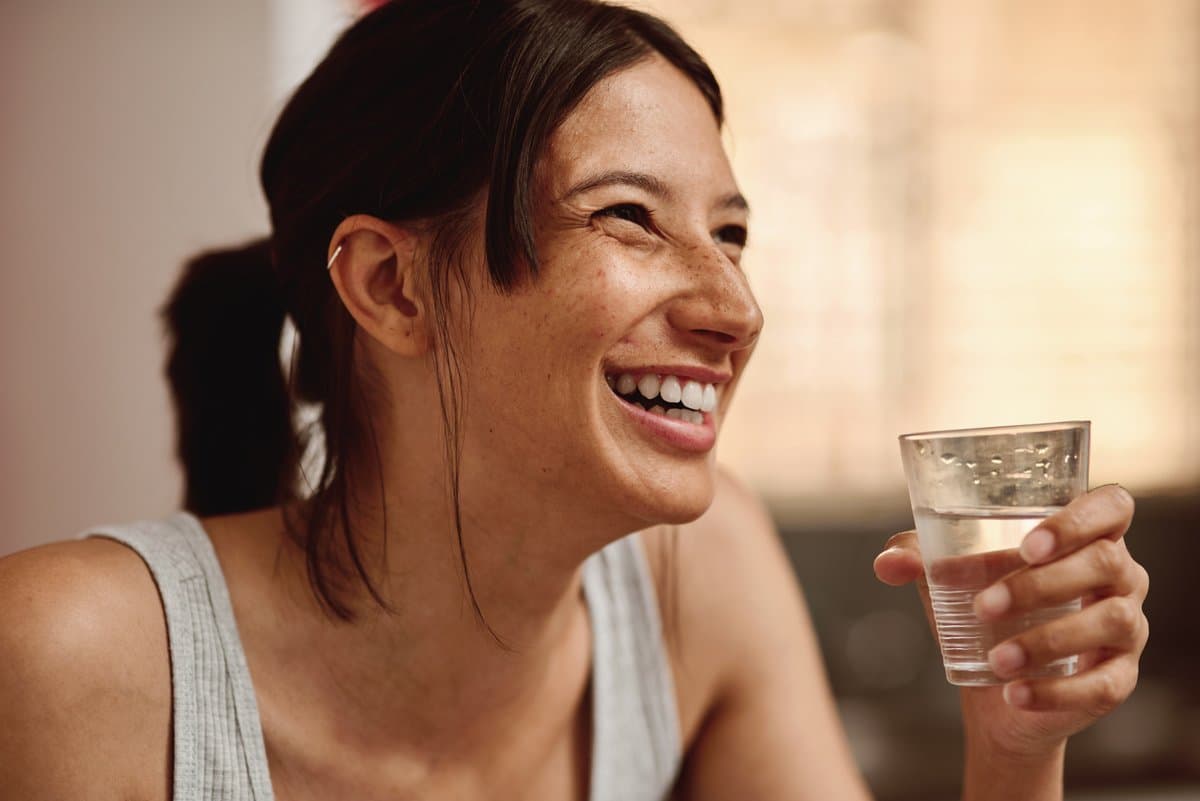
The relationship between water intake and skin appearance is one of the most persistent topics in skincare discussions, and the truth is more complex than either extreme suggests. Neither the claim that drinking water will transform your skin nor the dismissal that water intake is irrelevant to skin health accurately reflects the scientific evidence. Your skin receives moisture from the inside out, delivered via the bloodstream to the dermis, where it moves upward to hydrate the epidermis.
This internal water supply is essential — severe dehydration produces visibly dry, tented, and dull skin. However, the body prioritizes water distribution to vital organs, and the skin, while the largest organ, receives water last in the hierarchy of physiological needs. For a person who is already adequately hydrated, drinking additional water beyond normal needs has not been convincingly shown to improve skin appearance in rigorous clinical studies.
The kidneys efficiently regulate water balance, and excess intake is simply excreted rather than directed to the skin. A 2018 review of the available literature found limited evidence that increased water intake benefits skin physiology in individuals who are not dehydrated. That said, mild chronic dehydration is more common than many people realize, particularly among older adults, those who consume significant caffeine or alcohol, and people living in hot or dry climates.
For these individuals, ensuring adequate hydration may indeed produce noticeable improvements in skin turgor and radiance. While drinking excess water beyond adequate hydration levels has not been proven to improve skin appearance, even mild chronic dehydration can reduce skin turgor and contribute to a dull, tired complexion.!! The practical takeaway is that adequate hydration is necessary but not sufficient for healthy skin.
Your skin needs both internal water supply and external protection to maintain optimal moisture levels. Topical skincare addresses the external component, which is often the more impactful factor in how your skin looks and feels.
How Skin Loses Water: Understanding Transepidermal Water Loss
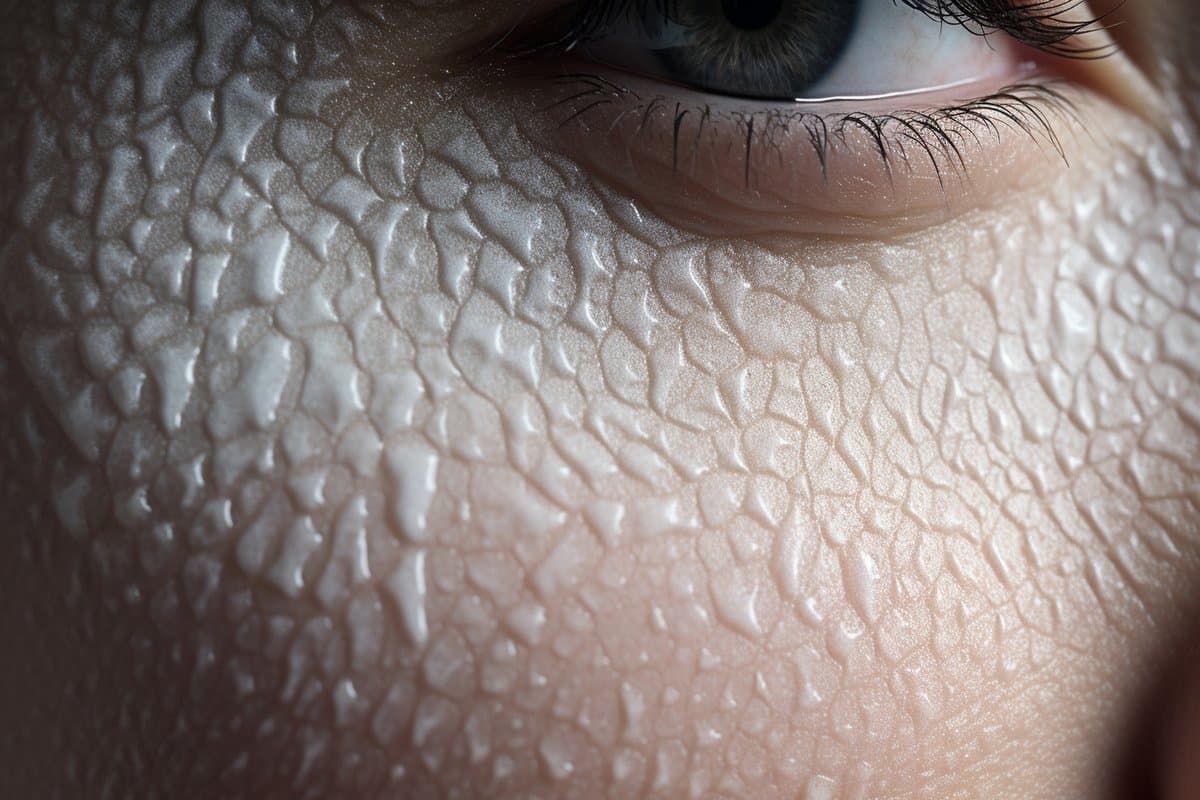
Transepidermal water loss, commonly abbreviated as TEWL, is the continuous process by which water evaporates from the deeper layers of the skin through the epidermis and into the surrounding atmosphere. It is a normal physiological process, but when TEWL exceeds the rate at which moisture is replenished, the skin becomes dehydrated — regardless of how much water you drink. The stratum corneum, the outermost layer of the epidermis, serves as the primary barrier against excessive water loss.
This layer is often described using a "bricks and mortar" analogy: the corneocytes (dead skin cells) are the bricks, and the intercellular lipids — primarily ceramides, cholesterol, and free fatty acids — are the mortar. When this lipid matrix is intact, TEWL is kept at a manageable baseline level. When it is disrupted, water escapes rapidly.
Numerous factors can compromise this barrier and increase TEWL. Harsh cleansers that strip natural lipids, over-exfoliation, prolonged hot water exposure, low environmental humidity, wind exposure, and certain skin conditions like eczema all weaken the lipid barrier. Age is also a factor — the skin produces fewer barrier lipids as we grow older, making the stratum corneum progressively less effective at retaining moisture.
TEWL is measurable using specialized instruments, and dermatologists use these measurements to assess barrier function objectively. Higher TEWL values indicate greater barrier impairment. Interestingly, TEWL varies significantly across different body sites — the face, palms, and soles have higher baseline TEWL than the trunk or limbs, which partly explains why facial skin is more prone to dehydration.
Understanding TEWL reframes the goal of skin hydration. Rather than simply adding water to the skin, the most effective strategy is reducing the rate at which water escapes while ensuring adequate water delivery from both internal and external sources. This is where the distinction between humectants and occlusives becomes critical.
Humectants vs. Occlusives: How Moisturizers Actually Work
Moisturizers are not all created equal, and understanding the three functional categories of moisturizing ingredients (see our moisturizers explained guide for more) — humectants, emollients, and occlusives — helps you choose products that address your specific hydration needs effectively. Humectants are hygroscopic substances that attract and bind water molecules. They pull moisture from two sources: the atmosphere when humidity is high enough, and the deeper layers of the skin.
Common humectants include hyaluronic acid, glycerin, urea, propylene glycol, and alpha hydroxy acids. Hyaluronic acid is particularly popular because a single molecule can hold up to 1,000 times its weight in water, creating a visible plumping effect in the skin. Glycerin, one of the most studied humectants in dermatology, consistently outperforms hyaluronic acid in clinical trials measuring skin hydration improvement, yet it receives a fraction of the marketing attention.!!
However, humectants alone are insufficient in dry environments. When the surrounding air has low humidity, humectants may draw water upward from the dermis rather than from the atmosphere, potentially worsening dehydration if not sealed with an occlusive layer. Occlusives create a physical barrier on the skin surface that reduces TEWL by preventing water from evaporating.
Petrolatum is the most effective occlusive, reducing TEWL by up to 99 percent. Other occlusives include dimethicone, lanolin, mineral oil, beeswax, and plant butters like shea and cocoa butter. Occlusives do not add moisture — they simply prevent its loss, making them most effective when applied to already-hydrated skin.
Emollients fill the gaps between skin cells, smoothing the surface and improving the overall texture of the skin. Ceramides, squalane, fatty alcohols, and various plant oils serve as emollients. They also contribute to barrier repair by mimicking or supplementing the natural intercellular lipids of the stratum corneum.
The most effective moisturizers combine all three categories. A humectant draws water in, an emollient smooths and repairs, and an occlusive seals everything in place. Understanding this framework allows you to customize your moisturizing approach based on your skin's specific needs and your environment.
Dehydrated Skin vs. Dry Skin: A Critical Distinction
One of the most important concepts in skin hydration is the difference between dehydrated skin and dry skin. Though the terms are often used interchangeably in everyday conversation, they describe fundamentally different conditions with different underlying causes and different solutions. Dry skin is a skin type characterized by insufficient oil (sebum) production.
It is largely genetic and tends to be a persistent characteristic throughout life. Dry skin lacks the lipids needed to form a robust barrier, leading to chronic moisture loss, flaking, and a rough texture. It is most common on the body — particularly the lower legs, arms, and hands — and tends to worsen with age as sebaceous gland activity declines.
Dehydrated skin, on the other hand, is a temporary condition characterized by insufficient water content in the stratum corneum. Crucially, any skin type can become dehydrated — including oily skin. Dehydrated skin often presents with a tight, uncomfortable feeling, dull appearance, more visible fine lines, and paradoxically, sometimes increased oiliness as the skin overproduces sebum to compensate for the lack of water.
The distinction matters because the treatments differ. Dry skin benefits most from lipid-rich products — rich creams, facial oils, and barrier-repair formulations containing ceramides and fatty acids. Dehydrated skin needs water-attracting humectants, gentle barrier-supportive products, and often a reevaluation of the routine elements that may be causing excessive water loss.
Oily skin can be dehydrated simultaneously, a condition frequently misdiagnosed as simply oily, leading people to strip their skin further with harsh products when they actually need hydrating and barrier-repairing ingredients.!! Many people with combination skin are actually experiencing dehydrated-oily skin — they have adequate or excess oil production but insufficient water retention. Piling on mattifying products and harsh cleansers makes the problem worse by further compromising the barrier and increasing TEWL.
A simple at-home assessment can help differentiate the two. If your skin feels tight after cleansing but becomes oily within an hour or two, dehydration is likely the primary issue. If your skin consistently feels dry, flaky, and never produces noticeable oil, you likely have a genuinely dry skin type. Of course, some individuals have dry skin that is also dehydrated, requiring both lipid and water replenishment.
Building a Hydration-Focused Skincare Routine
Armed with an understanding of how skin hydration actually works, you can build a routine specifically designed to optimize your skin's moisture levels. The approach centers on three principles: deliver water to the skin, reinforce the barrier that retains it, and minimize the habits and products that deplete it. Start by evaluating your cleanser.
Harsh sulfate-based cleansers strip the lipid barrier and are the single most common cause of dehydrated skin from a skincare routine perspective. 5, which matches the skin's natural acid mantle. Cream, milk, or low-foaming gel cleansers clean effectively without compromising barrier lipids.
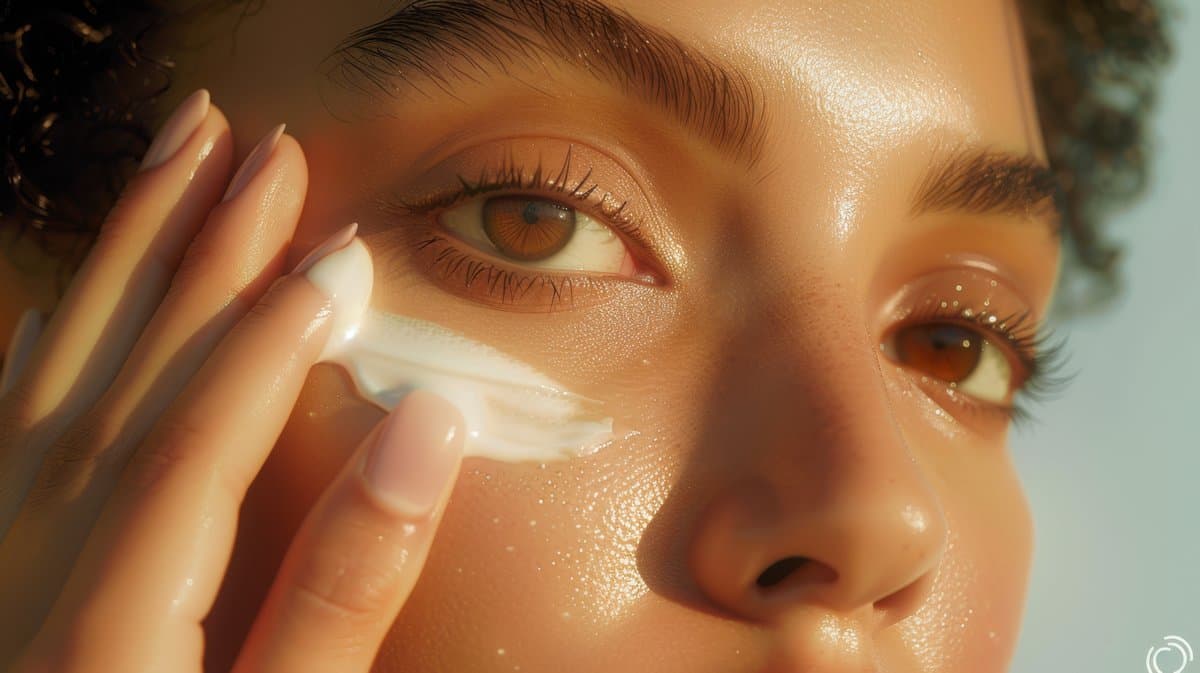
After cleansing, apply a hydrating toner or essence to damp skin. These lightweight, water-based products deliver an initial layer of humectants that prepare the skin to receive subsequent products. Look for ingredients like hyaluronic acid, glycerin, panthenol, and beta-glucan.
Patting the product into skin rather than wiping supports better absorption. Next, apply a hydrating serum. This step concentrates the humectant delivery and may include additional beneficial ingredients like niacinamide for barrier support or centella asiatica for calming.
If your skin is dehydrated, this is often the most impactful step in the routine, as it provides a concentrated dose of water-binding ingredients. Your moisturizer should combine humectants, emollients, and occlusives appropriate to your skin type and environment. In humid conditions, a lighter gel-cream may suffice.
In dry or cold conditions, a richer cream with stronger occlusive properties is warranted. Our winter skincare routine guide covers cold-weather strategies in depth. Apply to damp or just-treated skin to trap all the hydration from your previous layers.
For extremely dry or dehydrated skin, consider the "moisture sandwich" technique: apply a humectant serum, then a moisturizer, then mist with a hydrating toner, then seal with a final layer of facial oil or occlusive balm. This multi-step approach maximizes both water delivery and retention, addressing the hydration equation from every angle. Equally important is what to avoid.
Limit exposure to very hot water, reduce the frequency of strong exfoliants if your barrier is compromised, avoid alcohol-heavy toners, and use a humidifier in dry indoor environments. Sometimes the most effective hydration strategy is simply stopping the habits that are causing excessive moisture loss.