The Science of Skin Moisture and Your Barrier
Your skin's outermost layer, the stratum corneum, is often compared to a brick wall. The corneocytes (dead skin cells) are the bricks, and the intercellular lipids (ceramides, cholesterol, and fatty acids) are the mortar holding everything together. This barrier serves two critical functions: it keeps environmental threats like bacteria, irritants, and allergens out, and it keeps water in.
When this barrier is compromised, water escapes from the skin at an accelerated rate through a process called transepidermal water loss (TEWL). Increased TEWL leads to dryness, flaking, tightness, and sensitivity. The skin then becomes more vulnerable to irritants, allergens, and infections because the protective mortar between the cells has gaps.
Moisturizers work by addressing this problem through three mechanisms that correspond to three categories of moisturizing ingredients: humectants, emollients, and occlusives. Understanding these three categories is the key to choosing a moisturizer that truly works for your skin type and concerns. A well-formulated moisturizer typically contains ingredients from all three categories, working in concert to attract water, smooth the skin surface, and lock everything in place.
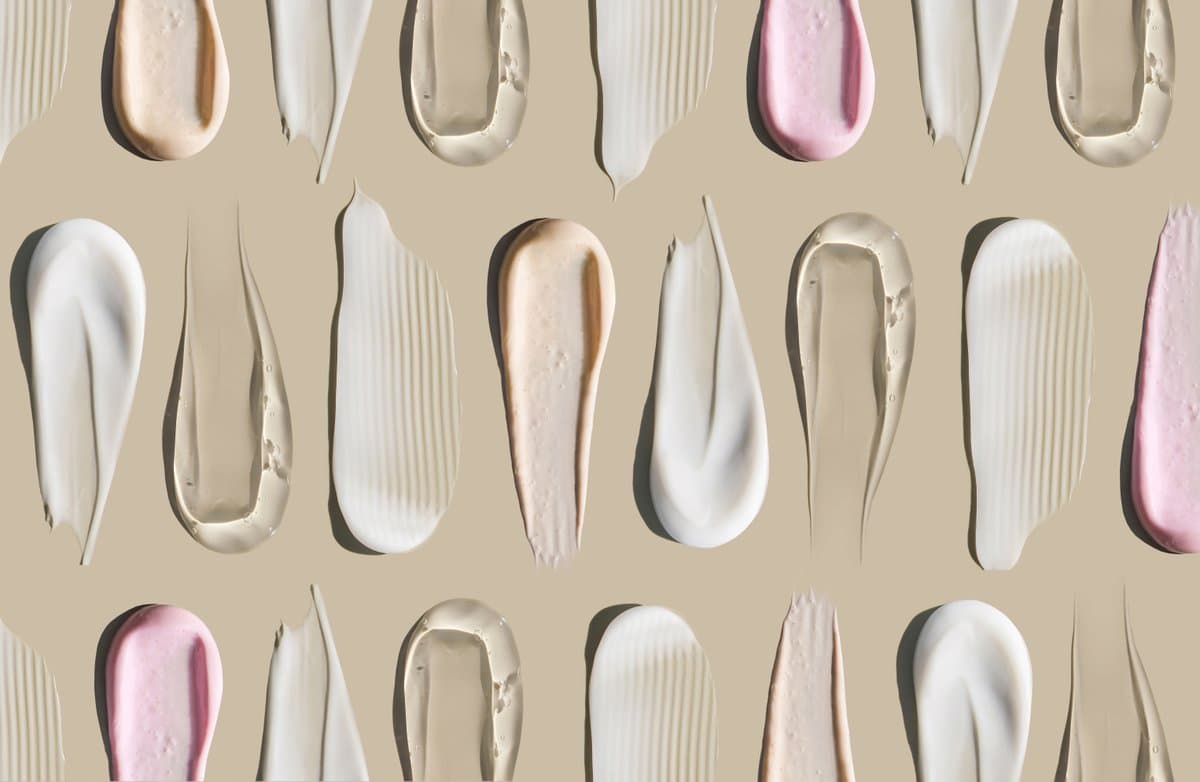
The specific ratio of humectants, emollients, and occlusives in a product determines its texture and suitability for different skin types. Gel moisturizers are humectant-heavy and light, making them ideal for oily skin. Lotions balance all three categories in a lighter format.
Creams contain more emollients and occlusives for dry skin. Ointments and balms are heavily occlusive and best for very dry or damaged skin. Regardless of your skin type, daily moisturizer use is essential for maintaining a healthy, functional skin barrier.
Humectants, Emollients, and Occlusives Explained
Humectants are water-attracting ingredients that pull moisture from the environment and from deeper skin layers into the upper epidermis. The most common humectants include hyaluronic acid, glycerin, propylene glycol, urea, and aloe vera. Glycerin is one of the most effective and well-studied humectants, found in the majority of moisturizers on the market.
Hyaluronic acid is celebrated for its ability to hold up to 1,000 times its weight in water, though in practice its hydrating effect depends on the molecular weight used and the ambient humidity. In very dry environments with humidity below 30 percent, humectants applied without an occlusive layer on top can actually draw moisture out of deeper skin layers rather than from the air, potentially worsening dehydration.!! This is why humectants alone are rarely sufficient and need to be sealed in with emollients or occlusives.
Emollients fill in the gaps between skin cells, smoothing and softening the skin's surface. They include ingredients like squalane, jojoba oil, capric triglycerides, dimethicone (a lightweight silicone), and fatty alcohols like cetyl and cetearyl alcohol. Despite the word alcohol in their name, fatty alcohols are not drying; they are waxy, moisturizing substances completely different from drying alcohols like denatured alcohol.
Emollients give moisturizers their smooth, spreadable texture and help the skin feel soft immediately after application. Occlusives form a physical film on the skin's surface that prevents water from evaporating. They include petroleum jelly (the most effective occlusive, reducing TEWL by up to 99 percent), mineral oil, beeswax, shea butter, lanolin, and silicones like dimethicone. While some people worry that occlusives will clog pores, most are non-comedogenic when used in appropriate amounts, and their barrier-protecting benefits make them valuable even for non-dry skin types.
Choosing the Right Moisturizer for Your Skin Type
Selecting a moisturizer is not a one-size-fits-all decision. The ideal product depends on your skin type, the climate you live in, the season, and what other products you are using in your routine. For oily skin, look for lightweight, oil-free gel or gel-cream moisturizers.
Formulas featuring hyaluronic acid and niacinamide as key ingredients provide hydration without adding shine or heaviness. Avoid products with heavy occlusives like shea butter or coconut oil, which can feel greasy and contribute to congestion on oily skin. A good oily-skin moisturizer should absorb quickly and leave a matte or semi-matte finish.
For dry skin, choose a rich cream moisturizer with a high proportion of emollients and occlusives. Moisturizers containing the three key barrier lipids — ceramides, cholesterol, and fatty acids — in a ratio similar to the skin's natural composition have been shown to repair the barrier more effectively than products containing only one of these lipids.!! Look for ingredients like shea butter, squalane, and dimethicone alongside ceramides for comprehensive moisture and protection.
For combination skin, a lotion or light cream formula works well across the entire face. Alternatively, you can apply a lighter gel to your T-zone and a richer cream to your cheeks if the difference between zones is significant. For sensitive skin, the ingredient list matters more than the texture.
Avoid fragrance, essential oils, and dyes. Look for minimal ingredient lists with proven soothing compounds like centella asiatica, colloidal oatmeal, or allantoin. Ceramide-rich formulas are particularly beneficial for sensitive skin because they strengthen the barrier against irritants.
For aging skin, choose moisturizers that include peptides, antioxidants, and niacinamide alongside the standard hydrating base. These added actives provide anti-aging benefits in the moisturizing step, maximizing the efficiency of your routine.
Gel vs Cream vs Ointment: Texture and Performance
Moisturizer textures exist on a spectrum from lightest to heaviest, and each format serves a specific purpose. Gels are water-based with minimal to no oil content. They feel cooling and refreshing, absorb almost instantly, and leave no visible residue.
Gel moisturizers are ideal for oily and acne-prone skin, humid climates, and use under makeup. However, they provide the least long-lasting hydration because they lack substantial occlusive properties. For someone with dry skin, a gel moisturizer will likely feel inadequate within a few hours.
Lotions are thin, pourable formulations that balance water and oil content. They absorb relatively quickly and provide moderate hydration. Lotions work well for normal to slightly dry skin and are popular as body moisturizers because they spread easily over large areas.
Creams have a higher oil-to-water ratio, giving them a thicker, richer texture. They provide significantly more hydration and occlusion than gels or lotions and are the most popular format for facial moisturizers. Within the cream category, there is a wide range of consistencies from light whipped textures to dense, heavy formulas.
Most people with normal, combination, or dry skin will find their ideal moisturizer within this range. Ointments and balms have the highest oil and wax content with minimal water. Petroleum jelly is the classic example.
These products provide maximum occlusion and are most appropriate for very dry, cracked, or eczema-prone skin. They can feel heavy and greasy, so many people reserve them for nighttime use or for targeted application on especially dry areas like elbows, knees, and lips. In clinical settings, ointment-based moisturizers are often recommended for atopic dermatitis flares because their superior occlusive properties help the damaged barrier retain moisture during the healing process. Choosing the right texture is about matching the moisturizer's performance to your skin's actual needs rather than defaulting to what looks most appealing on the shelf.
When and How to Apply Moisturizer for Best Results
The timing and method of moisturizer application can significantly affect its performance. The optimal time to apply moisturizer is within two to three minutes after washing your face, while the skin is still slightly damp. Applying to damp skin serves two purposes: the residual water on the surface gives humectant ingredients something to bind to, boosting their hydrating effect, and the moisture trapped under the moisturizer layer reduces TEWL more effectively than application on completely dry skin.
Use a nickel-to-quarter-sized amount for your face and gently press or pat the product into your skin rather than rubbing aggressively. Pressing distributes the product more evenly and minimizes friction that can irritate sensitive or inflamed skin. Do not forget your neck and the upper part of your chest, which are extensions of your facial skin and age similarly but are frequently neglected.
In the morning, apply your moisturizer after serums and before sunscreen. In the evening, apply it after your treatment products and before any occlusive oil or sleeping mask. If you use a retinoid that causes dryness, applying a thin layer of moisturizer before the retinoid (sometimes called the sandwich method) can buffer irritation without significantly reducing the retinoid's effectiveness.
You should moisturize twice daily, morning and evening, regardless of your skin type. Even oily skin benefits from consistent moisturizer use because it maintains barrier integrity and can actually help regulate oil production over time. If your skin feels dry between applications, a hydrating mist followed by a light moisturizer touch-up can help, especially in air-conditioned or heated environments that deplete skin moisture throughout the day. Seasonal adjustments are also important: many people need a richer moisturizer in winter when humidity drops and a lighter formula in summer when heat and humidity increase.