

Sensitive vs Sensitized Skin: An Important Distinction
Before building a routine, you need to understand whether your skin is inherently sensitive or has become sensitized through external factors — the distinction matters because the treatment approach differs. Truly sensitive skin is a genetic predisposition. If you have always reacted easily to products, experienced frequent redness, stinging, or rashes, and have a family history of eczema, rosacea, or allergies, your skin is likely constitutionally sensitive.
This type of sensitivity involves a thinner stratum corneum, a weaker lipid barrier, and a more reactive immune response in the skin. Sensitized skin, by contrast, was once tolerant but has become reactive due to damage from overuse of harsh products, over-exfoliation, excessive retinoid use, environmental exposure, or chronic stress. The good news about sensitized skin is that it can fully recover once the offending factors are removed and the barrier is repaired.
Both conditions share similar symptoms — redness, burning, stinging, tightness, dryness, and a tendency to react to products that most people tolerate without issue. However, someone with sensitized skin can eventually reintroduce active ingredients that their skin previously handled well, while someone with inherently sensitive skin will likely always need a more cautious product selection. A dermatologist can help determine which category you fall into, but a useful self-test is whether your sensitivity is lifelong or developed after a specific change in routine, environment, or health status. Regardless of the root cause, the immediate priority for both is the same: stop the damage, repair the barrier, and simplify everything.
Barrier Repair: The Foundation of Sensitive Skin Care
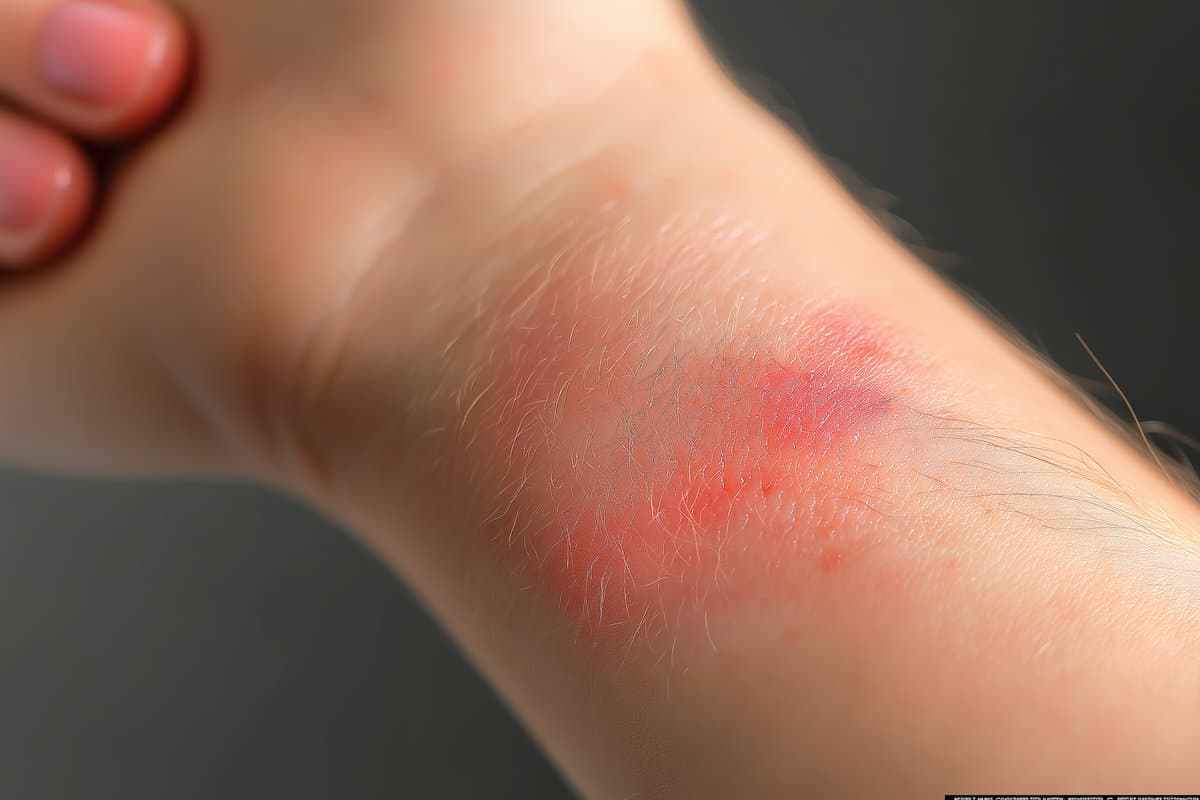
The skin barrier, also called the moisture barrier or acid mantle, is the outermost layer of the epidermis that protects against water loss, bacteria, allergens, and irritants. When this barrier is compromised — whether from genetics, over-exfoliation, or harsh products — water escapes more easily and irritants penetrate more deeply, creating a cycle of dryness, inflammation, and reactivity that perpetuates itself.!! Repairing the barrier is the single most important step in any sensitive skin routine.
The key ingredients for barrier repair are ceramides, cholesterol, and fatty acids — the three lipids that make up the mortar between skin cells in the stratum corneum. Products containing these ingredients in a physiological ratio help rebuild the barrier structure from the outside. Ceramide-rich moisturizers are the gold standard recommendation from dermatologists for compromised skin.
For a broader overview, see our guide to moisturizers explained. Niacinamide at concentrations of 2 to 5 percent strengthens the barrier by boosting natural ceramide production and reducing transepidermal water loss. Discover more about the best ingredients for glowing skin.
Panthenol (provitamin B5) is a humectant and anti-inflammatory that supports healing. Centella asiatica extract, sometimes listed as madecassoside or asiaticoside, has robust evidence for promoting wound healing and calming irritation. During the barrier repair phase, which typically takes four to six weeks, you should eliminate all potentially irritating products — retinoids, acids, vitamin C, physical scrubs, and fragranced products.
Use only a gentle cleanser, a barrier-repair moisturizer, and sunscreen. It may feel counterintuitive to pare back your routine, but giving your skin the space to heal is essential before introducing any active ingredients.
Minimal Ingredient Formulas and Patch Testing
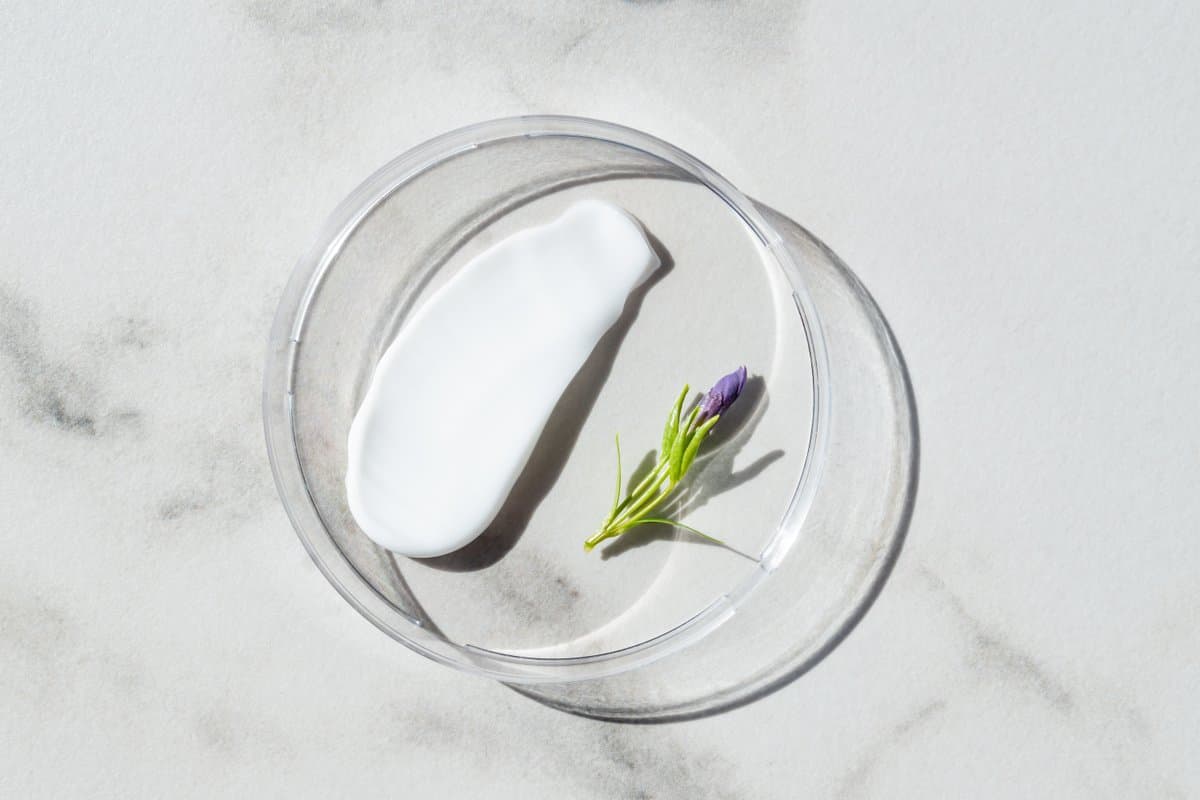
One of the most frustrating aspects of sensitive skin is the detective work involved in identifying which specific ingredients trigger a reaction. Products marketed as suitable for sensitive skin may still contain dozens of ingredients, any one of which could be problematic. This is why minimal ingredient formulas, sometimes called short INCI list products, are invaluable for sensitive skin.
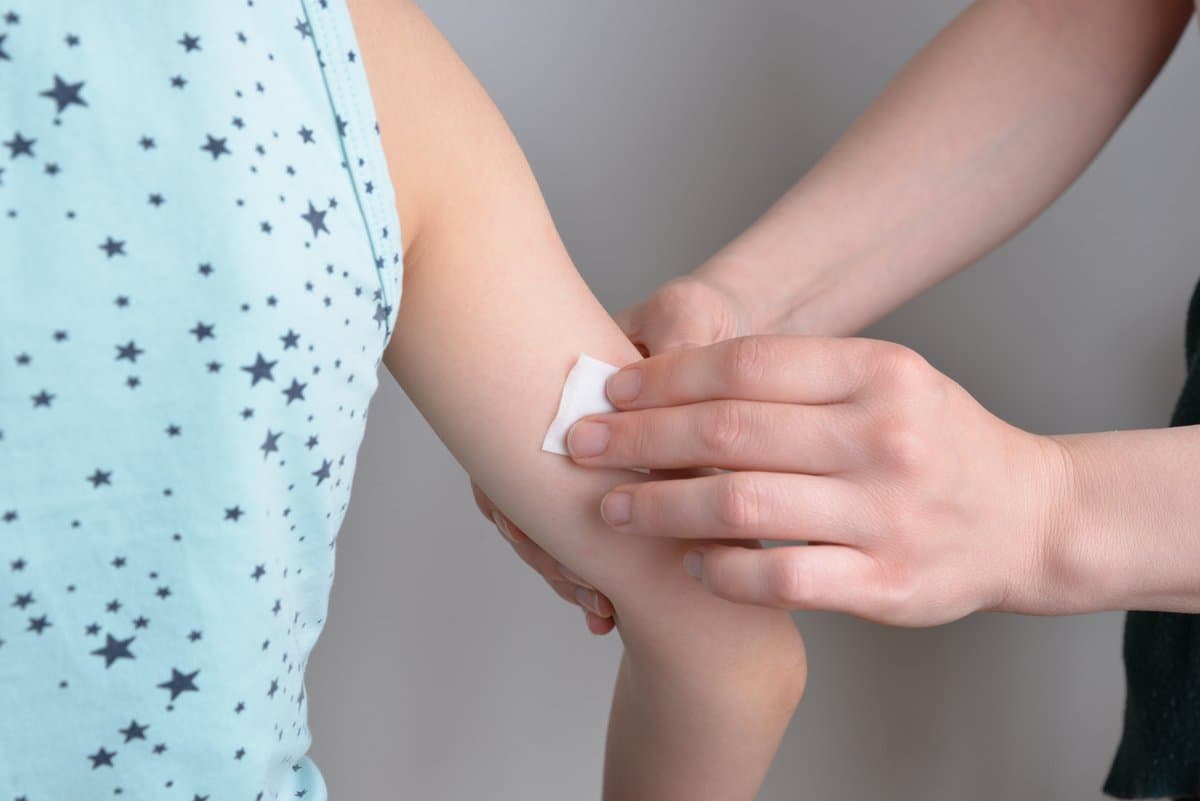
Products with fewer than fifteen ingredients reduce the number of potential irritants and make it easier to isolate the cause if a reaction does occur. When introducing any new product, patch testing is not optional — it is essential. Apply a small amount of the product to the inside of your forearm or behind your ear twice daily for at least three to five days before using it on your face.!!
If no redness, itching, burning, or bumps appear, it is likely safe to use on your face, though you should still start with every-other-day application. Keep a skincare diary recording every product you use and any reactions you experience. Over time, patterns will emerge that help you identify your specific triggers.
Common culprits in sensitive skin reactions include synthetic fragrances, essential oils, alcohol denat, sodium lauryl sulfate, propylene glycol, and certain preservatives like methylisothiazolinone. Natural does not mean gentle — many botanical extracts and essential oils are highly irritating to sensitive skin. Tea tree oil, lavender oil, and citrus extracts are among the most common offenders in so-called natural skincare products.
Fragrance-Free vs Unscented: A Critical Difference
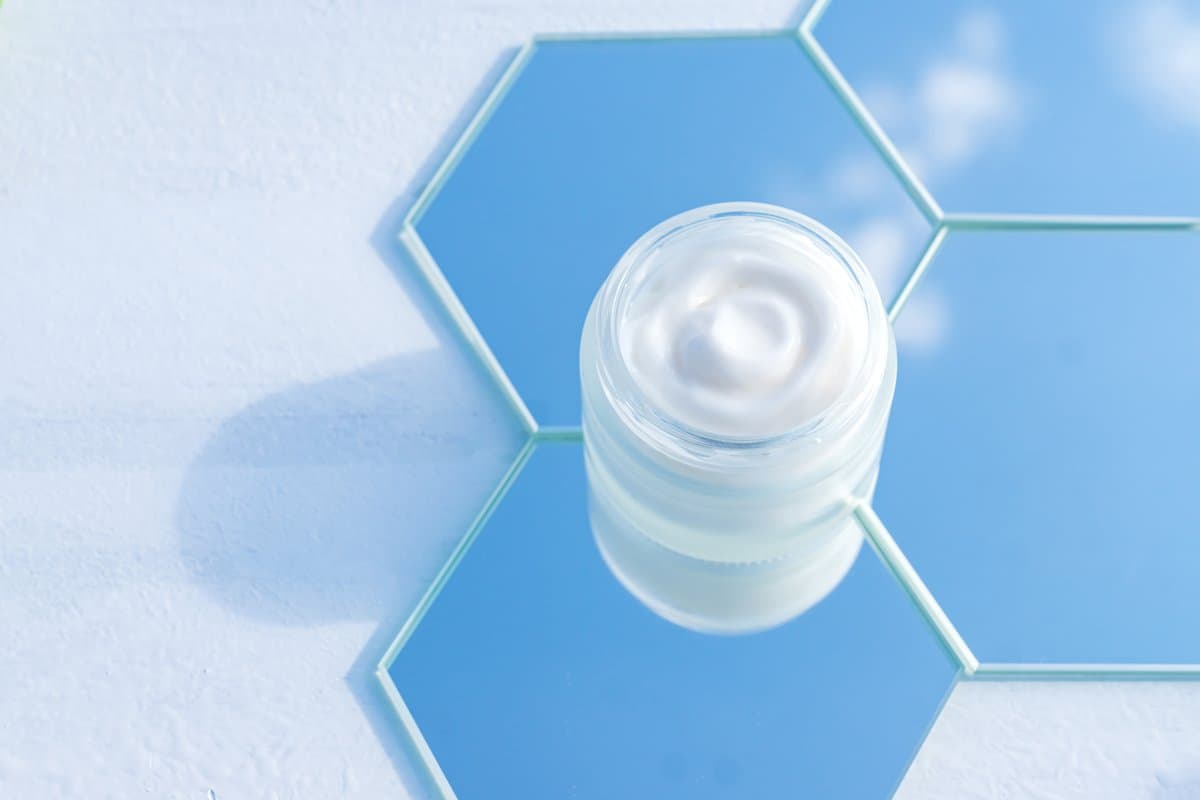
Product labels can be misleading, and one of the most important distinctions for sensitive skin is the difference between fragrance-free and unscented. These terms are not interchangeable, and choosing the wrong one can result in unnecessary irritation. Fragrance-free means the product contains no added fragrance ingredients — no synthetic perfumes, no essential oils, no masking fragrances.
This is what you want for sensitive skin. Unscented, however, means the product has no detectable scent, but it may contain masking fragrances — chemicals added specifically to neutralize the natural odor of other ingredients. These masking fragrances are still fragrances, and they can still trigger reactions in sensitive skin.
Always read the full ingredient list rather than relying on front-label claims. Look out for the term parfum or fragrance on the INCI list, and be aware that essential oils like lavender, eucalyptus, or citrus are fragrances by another name. The European Commission has identified 26 fragrance allergens that must be declared on product labels, and studies estimate that fragrance is the most common cause of contact dermatitis from cosmetic products, affecting up to 4 percent of the general population.!!
Beyond fragrance, other ingredients to approach with caution include drying alcohols (alcohol denat, isopropyl alcohol), harsh sulfate surfactants, and certain chemical sunscreen filters like oxybenzone and octinoxate that some individuals find irritating. Mineral sunscreen filters — zinc oxide and titanium dioxide — are generally better tolerated by sensitive skin because they sit on the surface rather than being absorbed. Building a routine around genuinely fragrance-free, minimal-ingredient products may limit your options, but the products that remain are far more likely to work for you without causing harm.
Soothing Ingredients and Building Your Routine
Once your barrier is repaired and you have identified your triggers, you can begin building a sustainable routine that keeps sensitive skin calm, hydrated, and healthy. The cornerstone soothing ingredients with strong evidence include colloidal oatmeal, which has FDA-recognized skin-protectant properties and reduces itch and inflammation; aloe vera, a mild anti-inflammatory and humectant; allantoin, which promotes cell regeneration and soothes irritation; bisabolol, derived from chamomile, which calms redness; and thermal spring water, which contains minerals that help settle reactive skin. For cleansing, use a micellar water or a cream-to-milk cleanser that removes dirt and sunscreen without foaming.
Foaming cleansers, even gentle ones, can strip moisture from sensitive skin. If you must double cleanse, use an oil-based first cleanser followed by a rinse-off cream cleanser. Apply a calming serum or essence containing centella or niacinamide on damp skin, followed by your ceramide-rich moisturizer.
In the morning, finish with a mineral sunscreen with zinc oxide as the active filter. When your skin has been stable for at least six weeks, you may consider carefully introducing one active ingredient at a time — a low-percentage azelaic acid or a gentle retinaldehyde are among the best-tolerated options for sensitive skin. Never introduce more than one new product per two-week period. If your skin is reactive and uncomfortable despite following these guidelines, consult a dermatologist, as you may have an underlying condition like rosacea or contact dermatitis that requires specific medical treatment rather than over-the-counter skincare alone.