
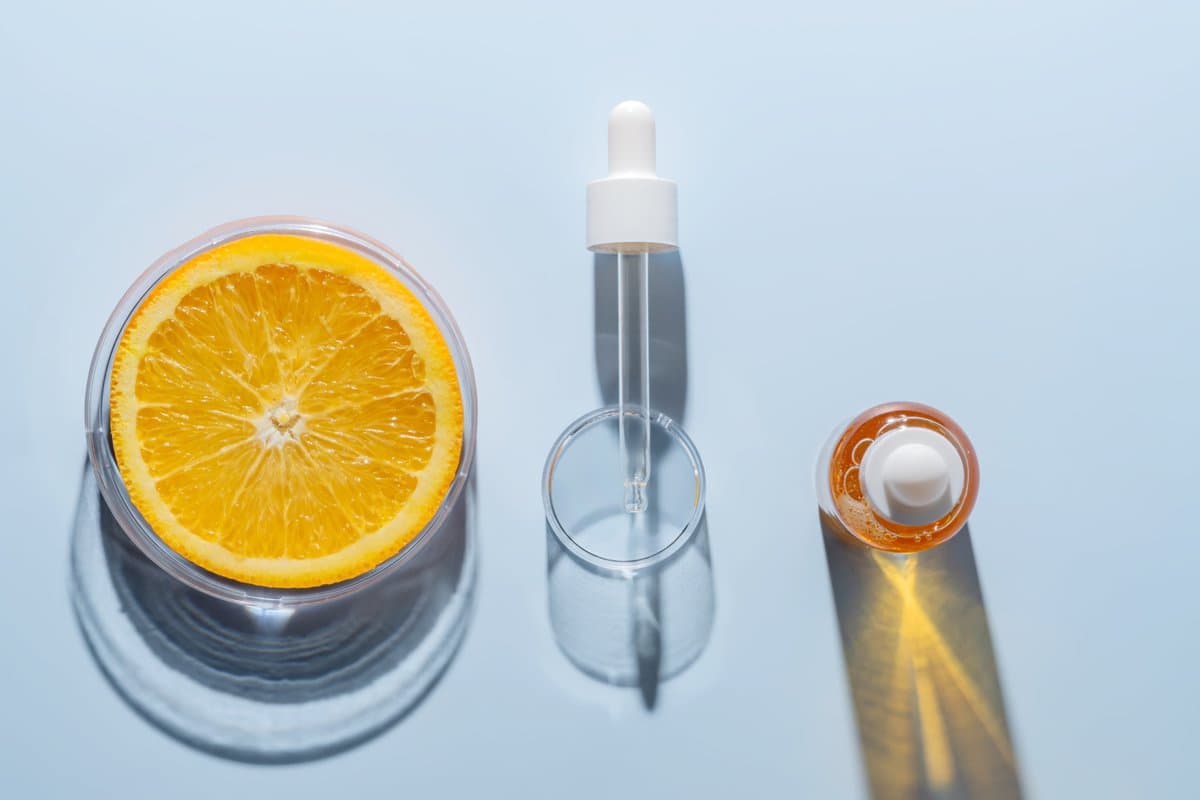
Understanding Active Ingredients and How They Work
The skincare industry is crowded with thousands of products, but the ingredients that truly make a measurable difference to your skin have been studied extensively in peer-reviewed dermatological research. Understanding what these key actives do at a cellular level helps you choose products intelligently rather than falling for marketing claims. Active ingredients are the components in a skincare product that deliver a specific biological effect on the skin.
They differ from inactive or base ingredients (like water, emulsifiers, and preservatives) that give a product its texture and stability but do not directly change the skin. The most well-researched active ingredients fall into several categories: antioxidants that neutralize free radical damage, retinoids that regulate cell turnover and collagen production, exfoliating acids that remove dead skin cells and improve texture, humectants that draw moisture into the skin, and barrier-repair ingredients that strengthen the skin's protective outer layer. When choosing products, the concentration of active ingredients matters enormously.
A vitamin C serum at 15 percent performs very differently from one at 2 percent. Similarly, the formulation surrounding the active ingredient affects its stability and penetration. A well-formulated product at a moderate concentration will often outperform a poorly formulated product at a higher concentration.
The pH of a product also affects how certain ingredients work. 5, while niacinamide works optimally at a pH between 5 and 7. These technical details explain why some products deliver remarkable results while others containing the same headline ingredient fall short.
Retinoids: The Gold Standard for Skin Renewal
Retinoids are derivatives of vitamin A and represent the single most well-studied class of ingredients in dermatology. They work by binding to specific receptors in skin cells, increasing the rate of cell turnover, stimulating collagen and elastin production in the dermis, and regulating sebum production. The result is smoother texture, reduced fine lines and wrinkles, more even skin tone, and fewer breakouts.
Prescription tretinoin (retinoic acid) is the most potent form and has decades of clinical evidence supporting its effectiveness for both anti-aging and acne. Over-the-counter retinol is a weaker precursor that the skin converts into retinoic acid. It is gentler but requires consistent use over several months to produce noticeable results.
Newer retinoid alternatives like adapalene (now available over the counter in some markets) and retinal (retinaldehyde) offer middle-ground options that are more effective than retinol but better tolerated than tretinoin. Clinical studies have shown that consistent retinoid use over 12 weeks can increase epidermal thickness by up to 25 percent and significantly boost collagen production in the dermis.!! Starting a retinoid requires patience and a gradual approach.
Begin with a low concentration two to three times per week on dry skin after cleansing. Expect an adjustment period of four to eight weeks during which you may experience dryness, flaking, and mild irritation, commonly called the retinization period. This is a normal sign that the ingredient is working.
During this phase, use a rich moisturizer, avoid other exfoliants, and apply sunscreen diligently since retinoids increase photosensitivity. Once your skin has adjusted, you can gradually increase the frequency to nightly use. Retinoids are not recommended during pregnancy or breastfeeding.
Vitamin C, Niacinamide, and Antioxidant Powerhouses
Vitamin C (L-ascorbic acid) is one of the most effective topical antioxidants available. It neutralizes free radicals generated by UV radiation and pollution, brightens the skin by inhibiting excess melanin production, and supports collagen synthesis. 5.
Vitamin C is notoriously unstable and degrades when exposed to light, air, and heat. Choose products in opaque, airtight packaging and discard any serum that has turned dark brown or orange, as this indicates oxidation. Vitamin C and sunscreen used together provide significantly greater protection against UV-induced skin damage than either product used alone.!!
Niacinamide (vitamin B3) is a remarkably versatile ingredient that addresses multiple skin concerns simultaneously. At concentrations of 2 to 5 percent, it strengthens the skin barrier by boosting ceramide production, reduces redness and inflammation, regulates sebum output, and fades hyperpigmentation by inhibiting the transfer of melanin to skin cells. Unlike many actives, niacinamide is well tolerated by nearly all skin types, including sensitive skin, and does not cause photosensitivity.
It pairs well with almost every other ingredient, making it an easy addition to any routine. Other notable antioxidants include vitamin E (tocopherol), which works synergistically with vitamin C to enhance its stability and efficacy. Resveratrol, derived from grapes, has anti-inflammatory and anti-aging properties.
Green tea extract (epigallocatechin gallate) is a potent anti-inflammatory that calms reactive skin. Ferulic acid stabilizes vitamins C and E and boosts their photoprotective effects. A serum combining vitamins C and E with ferulic acid is one of the most evidence-based antioxidant formulations available and provides robust daily protection against environmental damage.
Exfoliating Acids: AHAs, BHAs, and PHAs
Chemical exfoliants dissolve the bonds holding dead skin cells to the surface, revealing smoother, more radiant skin beneath. They fall into three main categories, each with distinct properties. Alpha-hydroxy acids (AHAs) include glycolic acid and lactic acid.
Glycolic acid has the smallest molecular size, allowing it to penetrate deeply and produce more dramatic results, but it can also cause more irritation. Lactic acid has a larger molecular size, penetrates more gently, and also functions as a humectant, drawing moisture into the skin. AHAs are water-soluble and work on the skin's surface, making them ideal for addressing dullness, uneven texture, fine lines, and hyperpigmentation.
Beta-hydroxy acid (BHA), primarily salicylic acid, is oil-soluble, which means it can penetrate into pores and dissolve the sebum and dead cells causing congestion. Salicylic acid is the only commonly used chemical exfoliant that works inside the pore, making it uniquely effective for treating and preventing blackheads, whiteheads, and acne.!! It also has anti-inflammatory properties that help calm active breakouts.
Polyhydroxy acids (PHAs) like gluconolactone and lactobionic acid are the gentlest exfoliants. Their larger molecular size means they work exclusively on the outermost skin surface without penetrating deeply enough to cause irritation. PHAs also function as humectants and antioxidants, making them suitable for sensitive, rosacea-prone, or eczema-prone skin that cannot tolerate AHAs or BHAs.
When incorporating exfoliating acids, start with a low concentration and use them two to three times per week. Increase frequency gradually only if your skin tolerates it well. Over-exfoliation is one of the most common skincare mistakes, leading to a damaged skin barrier, increased sensitivity, and paradoxically worse skin texture and breakouts.
Hydrators, Barrier Builders, and Peptides
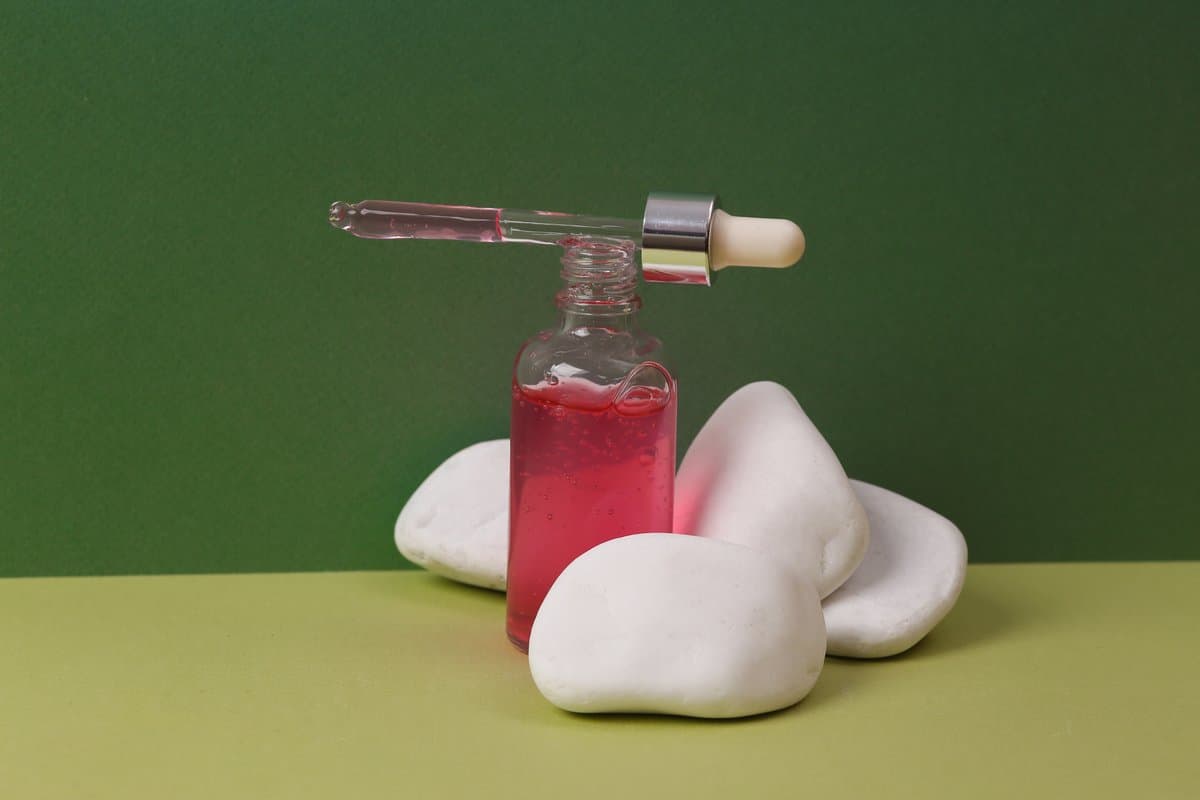
Hydrating and barrier-repair ingredients are the foundation upon which all other active ingredients perform optimally. Without adequate hydration and an intact skin barrier, even the best serums will underperform or cause irritation. Hyaluronic acid is a glycosaminoglycan naturally present in the skin that can hold up to 1,000 times its weight in water.
Topical hyaluronic acid in serums and moisturizers draws moisture from the environment and deeper skin layers into the upper epidermis, plumping the skin and smoothing fine lines. Look for products that contain multiple molecular weights of hyaluronic acid, as smaller molecules penetrate deeper while larger molecules hydrate the surface. Ceramides are essential lipids that make up approximately 50 percent of the skin barrier, and replenishing them topically has been shown to repair barrier damage and reduce transepidermal water loss within days.!!
They are particularly beneficial for dry, eczema-prone, or sensitized skin that has been compromised by harsh products or environmental stress. Squalane, derived from olives or sugarcane, closely mimics your skin's natural sebum and provides lightweight, non-comedogenic moisture. Peptides are short chains of amino acids that act as chemical messengers in the skin.
Different peptides serve different functions: signal peptides like palmitoyl pentapeptide-4 stimulate collagen and elastin production, neurotransmitter-inhibiting peptides like argireline may reduce the appearance of expression lines, and copper peptides promote wound healing and have antioxidant properties. While the clinical evidence for peptides is not as robust as for retinoids or vitamin C, emerging research is promising. Peptides are generally well tolerated and can be a good option for those who cannot use retinoids. Centella asiatica, also known as cica, contains active compounds called madecassoside and asiaticoside that calm inflammation, support wound healing, and strengthen the skin barrier, making it especially useful for irritated or post-procedure skin.