Cortisol and Your Skin: The Stress Hormone Connection
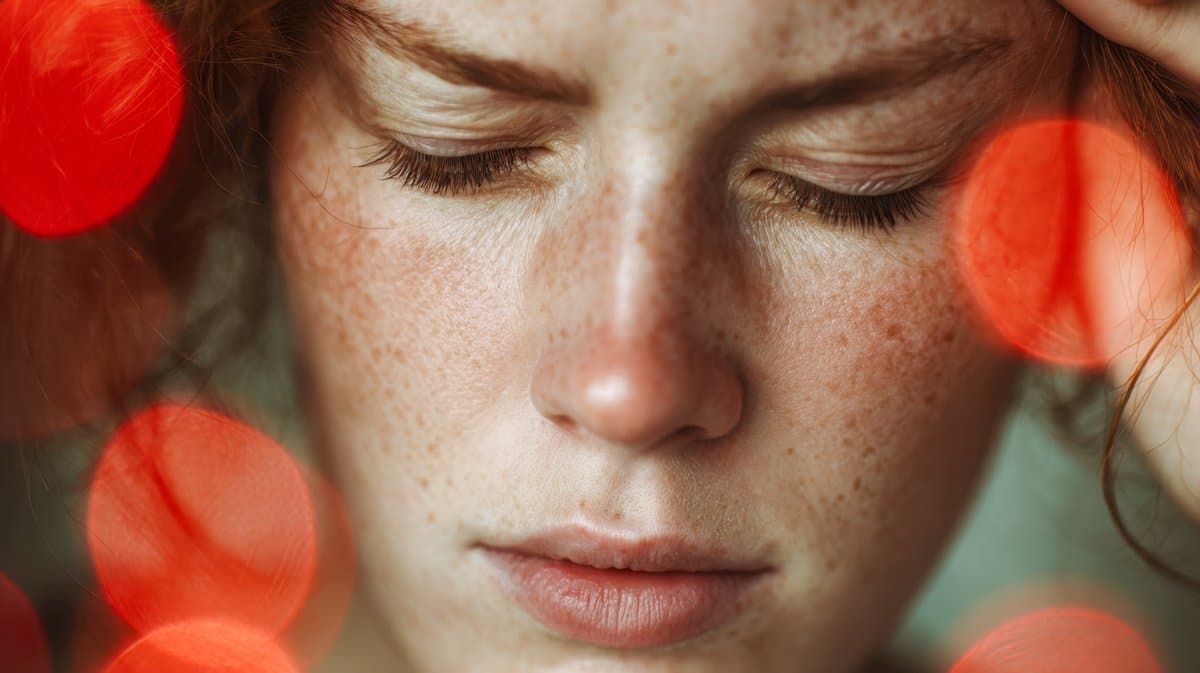
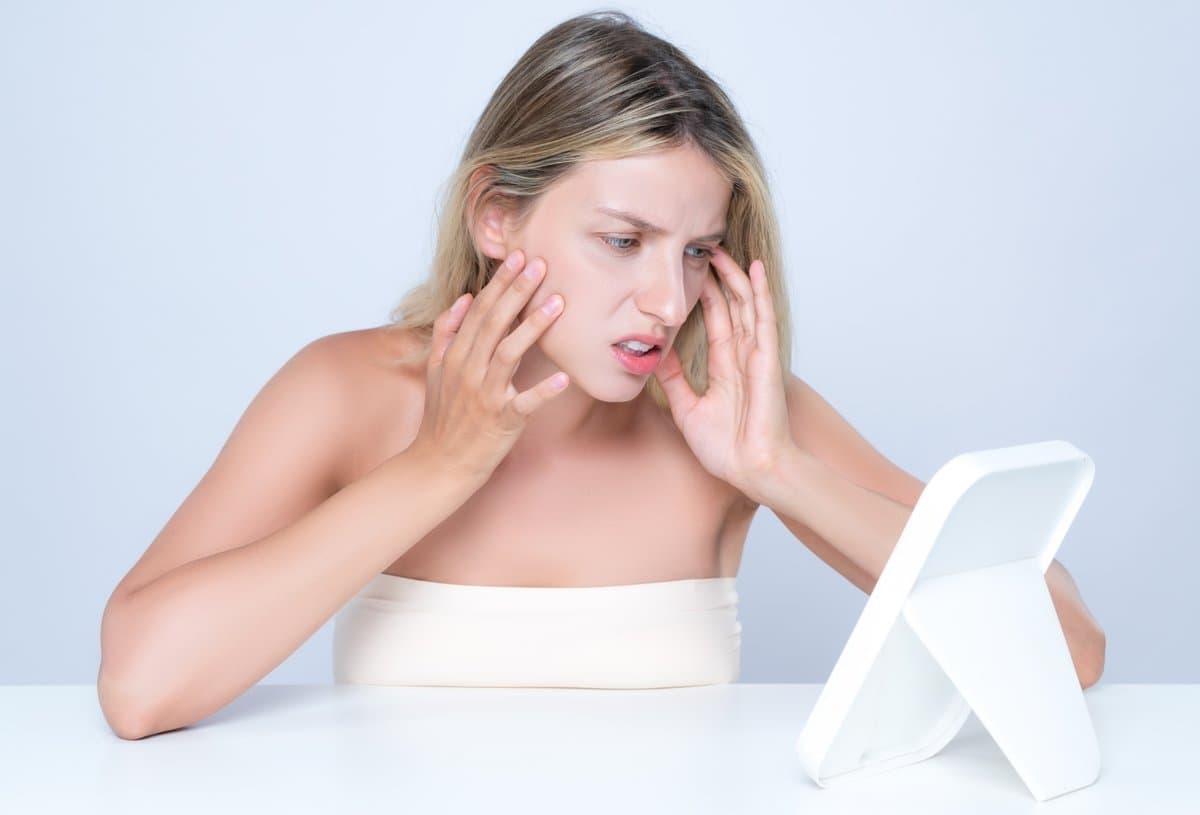
Your skin is often the first place that stress and poor sleep reveal themselves. Dark circles, sudden breakouts, dull complexion, and increased sensitivity are not just cosmetic inconveniences β they are visible signals of internal disruption. The brain-skin connection is mediated through hormones, immune function, and circadian biology, making mental health and sleep quality genuine determinants of skin health.
Cortisol, the body's primary stress hormone, plays a central role in how psychological stress translates into visible skin changes. Produced by the adrenal glands in response to perceived threats, cortisol evolved to prepare the body for immediate physical challenges. In modern life, however, chronic psychological stress keeps cortisol levels elevated for extended periods, creating a cascade of skin-damaging effects.
Elevated cortisol stimulates the sebaceous glands to produce more oil. This excess sebum, combined with the inflammatory environment that cortisol creates, provides ideal conditions for acne-causing bacteria to thrive. Studies have consistently demonstrated that students experience more breakouts during examination periods, and healthcare workers show increased skin problems during high-stress shifts β direct evidence of the cortisol-acne pathway.
Beyond acne, cortisol impairs the skin's barrier function by reducing the production of essential lipids and proteins that maintain the stratum corneum's integrity. A compromised barrier means increased transepidermal water loss, greater sensitivity to irritants, and slower healing from wounds or inflammation. People under chronic stress often report that their skin becomes simultaneously oilier and more dehydrated β a paradox explained by cortisol's dual effect on sebum production and barrier function.
Chronic stress elevates cortisol levels that simultaneously increase oil production and degrade the skin's moisture barrier, creating the paradoxical combination of oily yet dehydrated skin that many stressed individuals experience.!! Cortisol also breaks down collagen and inhibits new collagen synthesis. Over time, this accelerates the formation of fine lines and contributes to skin thinning Γ’β¬β a key driver of premature aging.
The immune-suppressive effects of cortisol further compromise the skin's ability to defend against infections and manage inflammatory conditions. The skin itself contains its own stress-response system, including local production of cortisol-releasing hormone. This means that stress affects skin not only through systemic cortisol from the adrenal glands but also through local stress hormones produced directly within skin tissue.

Stress-Induced Breakouts and Inflammatory Skin Conditions
The relationship between stress and skin flare-ups extends well beyond simple acne. Multiple skin conditions are now recognized as stress-responsive, meaning that psychological stress can trigger new episodes or worsen existing symptoms through measurable biological pathways. Acne mechanistically worsens under stress through several convergent pathways.
Cortisol increases sebum production, stress-related neuropeptides promote inflammation, and the immune suppression that accompanies chronic stress allows Cutibacterium acnes bacteria to proliferate more readily. Additionally, stress often leads to behavioral changes β touching or picking at the face, skipping skincare routines, eating poorly, and sleeping less β all of which compound the biological effects. Eczema and atopic dermatitis are perhaps the most dramatically stress-responsive skin conditions.
Stress triggers the release of inflammatory cytokines and neuropeptides that directly activate the itch-scratch cycle and disrupt the already compromised barrier function characteristic of eczema. Many patients with atopic dermatitis can identify specific stressful events that preceded their worst flares. Psoriasis, an autoimmune condition, is similarly stress-sensitive.
Research shows that psychological stress triggers the release of pro-inflammatory mediators that can initiate or worsen psoriatic plaques. The Koebner phenomenon β where psoriasis develops at sites of skin injury β may also be more pronounced during periods of stress due to delayed healing and heightened inflammatory responses. Rosacea flares frequently correlate with emotional stress, which triggers vasodilation and the release of inflammatory molecules in the facial skin.
Stress-related flushing can become self-perpetuating, as the visible redness itself causes social anxiety, creating a cycle of stress and symptom worsening. Dermatological research indicates that up to 70 percent of psoriasis patients identify stress as a primary trigger for disease flares, making stress management an essential component of treatment for inflammatory skin conditions.!! Recognizing these connections empowers individuals to treat stress management as a legitimate part of their skin health strategy rather than dismissing it as secondary.

Sleep Deprivation and Its Effects on Skin
Sleep is not merely rest β it is an active period of repair, regeneration, and rebalancing for every organ, including the skin. When sleep is insufficient or poor quality, the consequences become visible on your face remarkably quickly, and chronic sleep deprivation accelerates skin aging measurably. During deep sleep stages, growth hormone secretion peaks.
This hormone stimulates cell reproduction and collagen synthesis, making deep sleep the skin's primary repair window. Sleep-deprived individuals produce less growth hormone, directly impairing the nightly repair process that keeps skin firm, smooth, and resilient. A landmark study published in the journal Sleep found that sleep-deprived individuals were perceived as less healthy, more tired, and less attractive than when well-rested.
More objectively, researchers at University Hospitals Cleveland Medical Center demonstrated that poor sleepers showed increased signs of intrinsic aging β fine lines, uneven pigmentation, reduced elasticity, and slower recovery from sunburn. Blood flow to the skin increases during sleep, delivering oxygen and nutrients needed for repair. When sleep is cut short, this nourishing blood flow is reduced, resulting in the pale, dull, or sallow complexion commonly associated with tiredness.
Dark circles under the eyes β caused by blood pooling in the thin periorbital skin β worsen with sleep deprivation as vasodilation increases and the skin becomes more translucent due to dehydration. The immune system is also heavily dependent on sleep. Sleep deprivation elevates inflammatory markers and suppresses immune function, creating conditions that worsen acne, eczema, psoriasis, and other inflammatory skin conditions.
Even partial sleep restriction β getting six hours instead of eight β has been shown to increase levels of the inflammatory cytokine interleukin-6 significantly. Chronic sleep debt compounds these effects over time. While one poor night shows temporary changes, consistent sleep deprivation leads to cumulative damage that becomes progressively harder to reverse as the skin's repair mechanisms fall further behind.

The Circadian Rhythm of Skin
Your skin operates on a 24-hour biological clock that governs when different cellular processes are most active. Understanding this circadian rhythm reveals why the timing of your skincare routine matters and why disrupting your sleep schedule has such a pronounced impact on skin health. During the day, your skin prioritizes defense.
Antioxidant production increases to combat UV radiation and environmental pollutants, sebum production peaks to maintain the surface barrier, and inflammatory responses are primed to respond quickly to threats. The skin's barrier function is strongest during daytime hours, and transepidermal water loss is at its lowest. At night, the skin shifts into repair and regeneration mode.
Cell division rates peak between 11 PM and 4 AM, when growth hormone levels are highest. This is when damaged DNA is repaired, new collagen is synthesized, and the skin's stem cells are most active. Blood flow to the skin increases, delivering the nutrients and oxygen needed to fuel these regenerative processes.
Skin permeability also increases at night, which is why nighttime is the optimal window for applying treatment products. Active ingredients like retinoids, peptides, and exfoliating acids penetrate more effectively during the evening and work synergistically with the skin's natural repair processes. Disruptions to your circadian rhythm β whether from shift work, jet lag, chronic late nights, or irregular sleep schedules β desynchronize these finely tuned processes.
When your skin's repair phase is cut short or shifted, the balance between daily damage and nightly repair tips unfavorably. Research on shift workers consistently shows accelerated skin aging and increased prevalence of skin disorders compared to those who maintain regular sleep schedules. Blue light from screens in the evening suppresses melatonin production, delaying sleep onset and shortening the repair window. Melatonin itself is a potent antioxidant that protects skin cells during the night, so its suppression has direct consequences for skin health beyond simply reducing sleep duration.

Practical Strategies for Better Skin Through Rest and Stress Management
Improving your skin through better sleep and stress management requires consistent daily practices rather than occasional interventions. The following evidence-based strategies address both the biological and behavioral pathways that connect mental wellbeing to skin health. For sleep optimization, establish a consistent sleep and wake time β even on weekends.
The circadian system responds best to regularity. Create a cool, dark sleeping environment, as skin temperature regulation is part of the sleep cycle and a cooler room promotes deeper sleep. Limit screen exposure for at least 30 minutes before bed to protect melatonin production, or use blue-light filtering if screens are unavoidable.
Your nighttime skincare routine should be applied at least 15 to 20 minutes before lying down to allow products to absorb without transferring to your pillowcase. Silk or satin pillowcases create less friction against the skin than cotton, reducing sleep creases that can contribute to wrinkle formation over time. Change your pillowcase at least twice a week, as accumulated bacteria, oil, and product residue can contribute to breakouts.
Sleeping on a silk pillowcase reduces friction against the skin by up to 43 percent compared to cotton, potentially minimizing sleep creases and reducing irritation for sensitive or acne-prone skin.!! For stress management, the evidence most strongly supports regular physical activity, mindfulness meditation, and deep breathing exercises. Exercise reduces cortisol levels and increases endorphins, with benefits for both mood and skin blood flow.
Even 20 to 30 minutes of moderate activity most days shows measurable stress reduction. Mindfulness meditation has been studied specifically in dermatological contexts. A notable study by Jon Kabat-Zinn found that psoriasis patients who practiced mindfulness meditation during UV light therapy healed significantly faster than those receiving light therapy alone.
Regular meditation practice reduces cortisol, lowers inflammatory markers, and improves sleep quality β all pathways to better skin. Breathing exercises that emphasize long, slow exhalation activate the parasympathetic nervous system, countering the fight-or-flight response that drives cortisol production. Techniques like box breathing or the 4-7-8 method can be practiced anywhere and provide immediate stress relief that, over time, translates to measurable improvements in skin health.