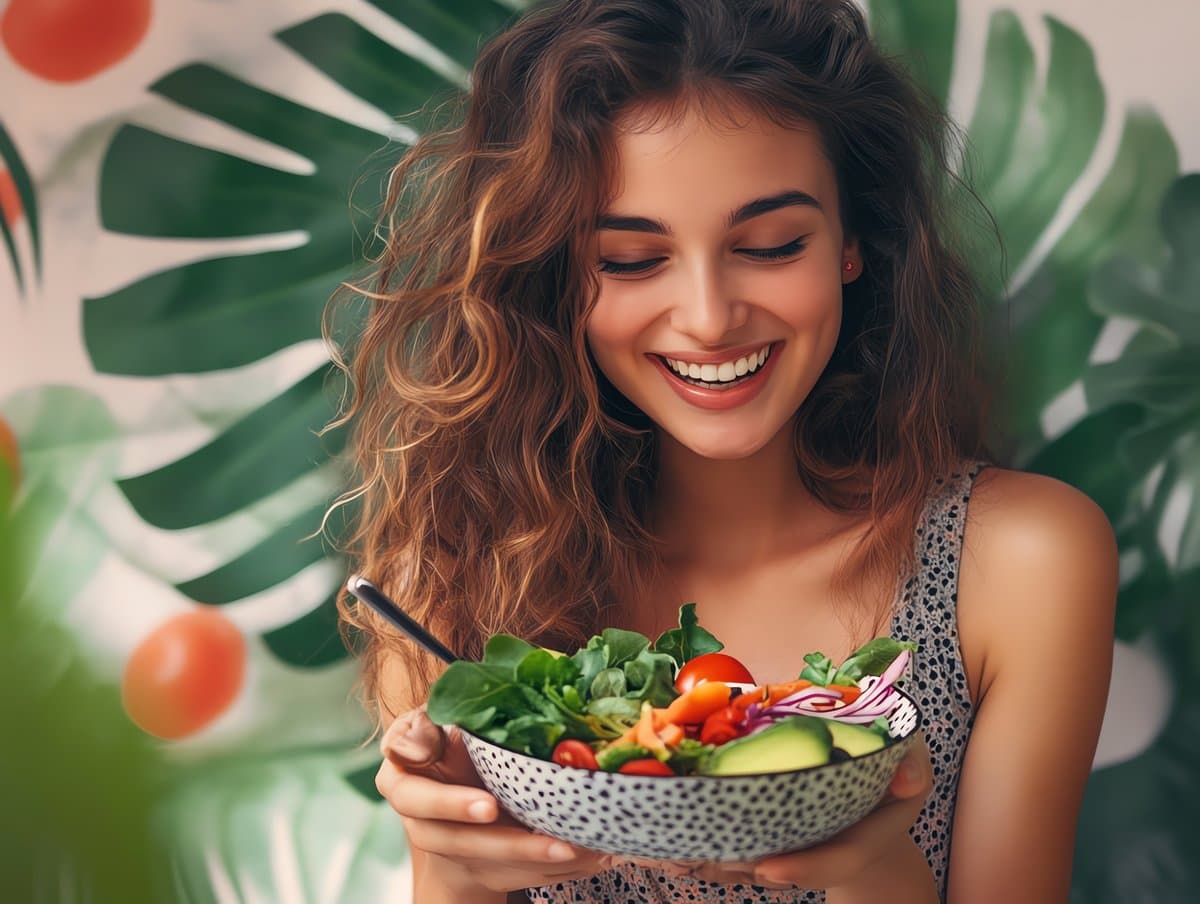

The Gut-Skin Axis: Your Digestive System's Impact on Skin
The connection between what you eat and how your skin looks is more than folk wisdom — it is increasingly supported by scientific research. Your skin is the body's largest organ, and like every organ, its health depends on the nutrients delivered through your bloodstream. The emerging field of nutritional dermatology reveals that dietary choices influence everything from acne and aging to inflammation and wound healing.
The gut-skin axis refers to the bidirectional communication pathway between your gastrointestinal system and your skin. This connection, first proposed nearly a century ago, has gained substantial scientific support in recent years as researchers uncover the mechanisms linking gut health to skin conditions. Your gut microbiome — the trillions of bacteria, fungi, and other microorganisms living in your digestive tract — plays a central role in this relationship.
A diverse, balanced gut microbiome supports proper immune function, nutrient absorption, and inflammatory regulation. When this microbial ecosystem is disrupted, a condition called dysbiosis, the consequences often manifest on the skin. Dysbiosis increases intestinal permeability, sometimes called "leaky gut," allowing bacterial fragments and inflammatory molecules to enter the bloodstream.
This systemic inflammation can trigger or worsen skin conditions including acne, eczema, psoriasis, and rosacea. Studies have found that people with acne are more likely to have altered gut microbiomes compared to those with clear skin. Probiotic and prebiotic foods support gut microbial diversity.
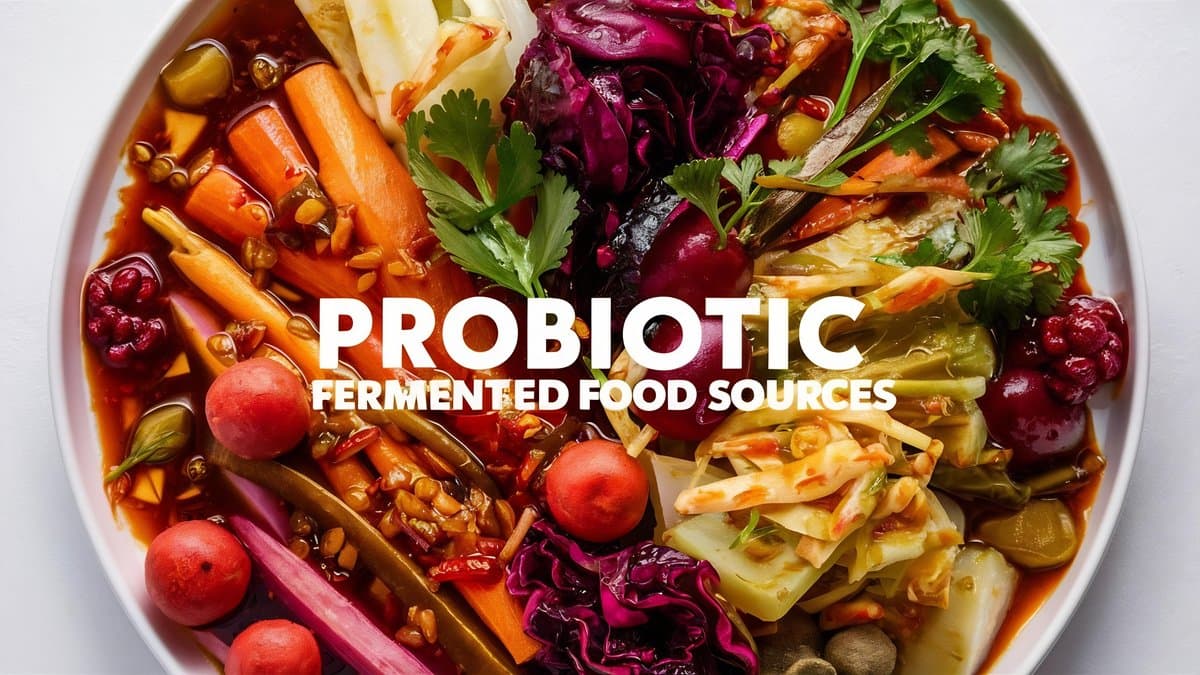
Fermented foods like yogurt, kefir, sauerkraut, kimchi, and kombucha introduce beneficial bacterial strains. Prebiotic fiber from foods like garlic, onions, asparagus, bananas, and oats feeds these beneficial microbes. Research suggests that oral probiotics, particularly strains of Lactobacillus and Bifidobacterium, may improve acne, eczema, and overall skin hydration.
Clinical studies have shown that oral probiotics can reduce acne lesion counts by up to 40 percent, suggesting that treating skin conditions may sometimes begin in the gut rather than on the skin surface.!! Dietary fiber also supports regular elimination, helping the body clear toxins and excess hormones that might otherwise contribute to skin issues.
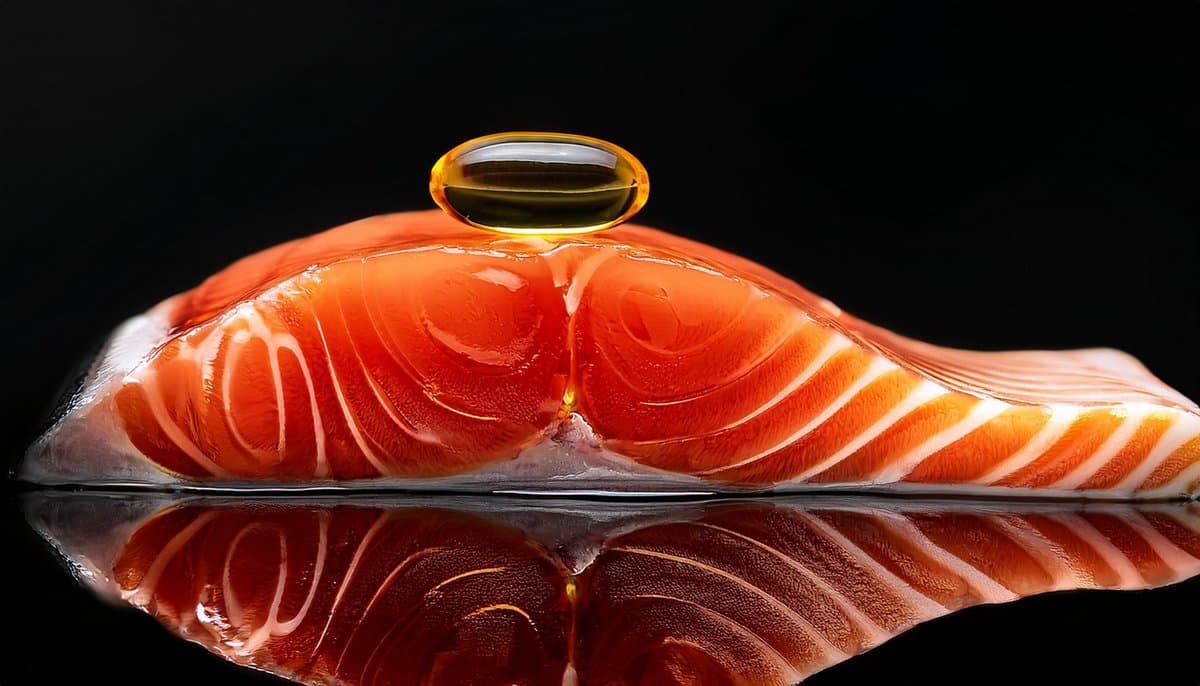
Anti-Inflammatory Foods and Skin Clarity
Chronic low-grade inflammation is a common denominator in many skin conditions, from acne and rosacea to premature aging. The foods you eat can either fuel or fight this inflammation, making dietary choices a powerful tool for skin health management. The Mediterranean diet — rich in fruits, vegetables, whole grains, fish, olive oil, and nuts — consistently shows anti-inflammatory effects in clinical research.
People who follow Mediterranean-style eating patterns tend to have lower levels of inflammatory markers like C-reactive protein and interleukin-6, both of which are implicated in skin inflammation. Omega-3 fatty acids, found abundantly in fatty fish like salmon, mackerel, sardines, and anchovies, are among the most potent dietary anti-inflammatory agents. These essential fats compete with pro-inflammatory omega-6 fatty acids for incorporation into cell membranes, effectively tipping the balance toward reduced inflammation.
The typical Western diet contains far more omega-6s than omega-3s, creating an inflammatory imbalance that may contribute to skin problems. Colorful fruits and vegetables provide a spectrum of anti-inflammatory phytonutrients. Berries contain anthocyanins, tomatoes provide lycopene, leafy greens offer flavonoids, and turmeric delivers curcumin — all compounds with demonstrated anti-inflammatory properties.
Eating a varied, colorful plant-based diet ensures you receive a broad range of these protective compounds. Green tea deserves special mention for its epigallocatechin gallate content, a polyphenol with strong anti-inflammatory and antioxidant effects. Regular green tea consumption has been associated with reduced sebum production, lower inflammatory markers, and improved skin elasticity in several studies.
Conversely, highly processed foods, refined carbohydrates, and industrial seed oils promote inflammation. Reducing these while increasing whole food intake creates a dietary environment that supports skin clarity and calm.

Sugar, Glycation, and Skin Aging
The relationship between sugar consumption and skin aging centers on a process called glycation. When excess sugar circulates in the bloodstream, glucose molecules attach to proteins and lipids without the control of an enzyme, forming harmful compounds known as advanced glycation end products, or AGEs. These compounds accumulate in tissues over time and are particularly damaging to the skin.
Collagen and elastin — the structural proteins responsible for skin firmness and elasticity — are especially vulnerable to glycation. When AGEs form on collagen fibers, they create rigid cross-links that prevent the normal flexibility of healthy collagen. Glycated collagen becomes stiff and resistant to the natural turnover process, accumulating as dysfunctional tissue rather than being replaced with fresh, healthy fibers.
Advanced glycation end products make collagen fibers stiff and brittle, directly contributing to the wrinkles, sagging, and loss of elasticity associated with aging skin.!! The visible result is skin that loses its bounce and resilience, developing wrinkles, sagging, and a dull, yellowish tone more rapidly than would otherwise occur. High-glycemic foods — white bread, sugary beverages, pastries, candy, and processed snacks — cause rapid spikes in blood sugar that accelerate glycation.
These spikes also trigger insulin release, which in turn stimulates androgen hormones and increases sebum production, linking high-sugar diets to both aging and acne. Cooking methods also influence AGE formation. Dry, high-heat cooking techniques like frying, grilling, and roasting produce significantly more dietary AGEs than wet, lower-temperature methods like steaming, boiling, or braising.
While dietary AGEs are not as efficiently absorbed as endogenously formed ones, reducing them may still benefit skin health over time. Managing blood sugar through balanced meals that combine protein, healthy fats, and fiber with complex carbohydrates helps minimize glycation. Cinnamon, alpha-lipoic acid, and carnosine are among the compounds being studied for their potential anti-glycation effects, though dietary balance remains the most reliable strategy.
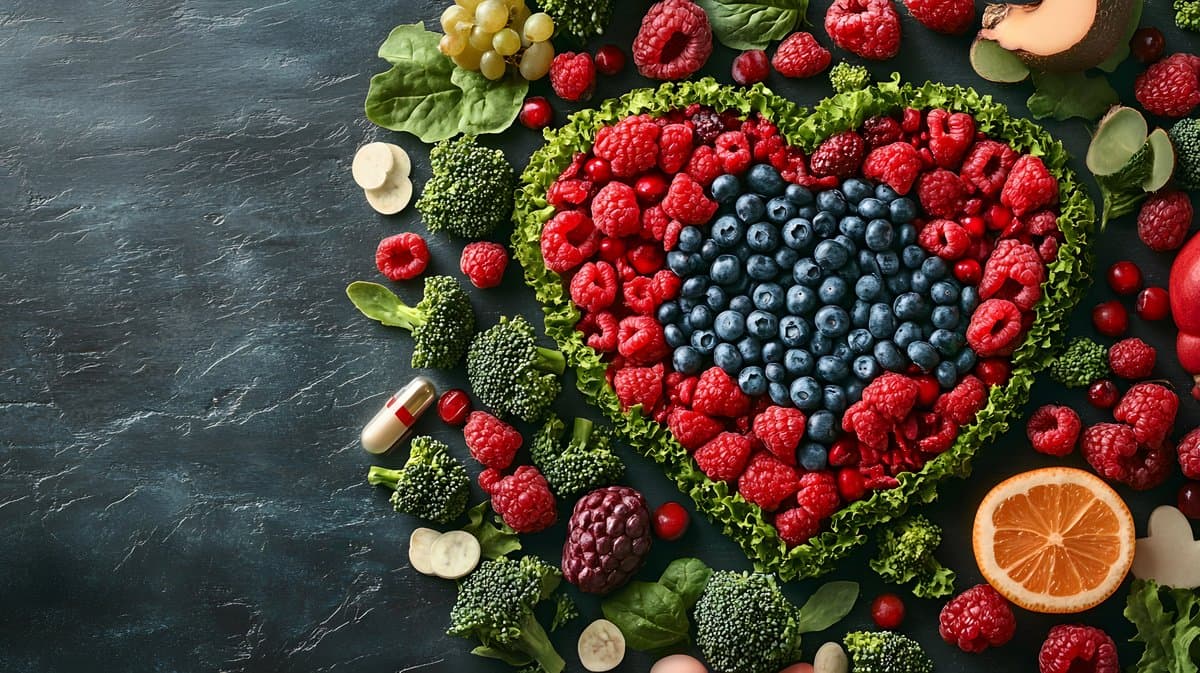
Antioxidant-Rich Foods for Skin Defense
Your skin faces constant oxidative stress from UV radiation, pollution, and normal metabolic processes. Free radicals generated by these exposures damage cellular DNA, proteins, and lipids, contributing to premature aging, pigmentation, and impaired healing. Dietary antioxidants provide an internal defense system that complements your topical skincare products.
Vitamin C, found in citrus fruits, bell peppers, strawberries, kiwi, and broccoli, is essential for collagen synthesis and serves as a potent water-soluble antioxidant. Adequate vitamin C intake supports the production of healthy collagen and helps neutralize free radicals in the aqueous compartments of your cells. Studies show that higher dietary vitamin C intake correlates with fewer visible signs of aging.
Vitamin E, abundant in nuts, seeds, avocados, and olive oil, protects cell membranes from oxidative damage as the body's primary fat-soluble antioxidant. Vitamins C and E work synergistically — vitamin C regenerates oxidized vitamin E, so consuming both together provides greater protection than either alone. Beta-carotene and other carotenoids from sweet potatoes, carrots, spinach, and pumpkin accumulate in the skin and provide mild natural sun protection from within.
While they cannot replace sunscreen, regular carotenoid consumption has been shown to provide a base level of UV protection equivalent to roughly SPF 2 to 4, and more importantly, they reduce UV-induced free radical damage. Selenium, a trace mineral found in Brazil nuts, fish, and whole grains, supports the activity of glutathione peroxidase, one of the body's most important antioxidant enzymes. Zinc, found in oysters, pumpkin seeds, and legumes, is critical for immune function, wound healing, and controlling inflammatory acne.
A single Brazil nut provides more than the daily recommended intake of selenium, a mineral that activates key antioxidant enzymes protecting skin cells from UV-induced oxidative damage.!! Polyphenols from dark chocolate, red wine in moderation, and colorful berries add yet another layer of antioxidant defense for the skin.
Foods That Trigger Breakouts and Skin Reactions
While the link between diet and acne was dismissed for decades, modern research has identified several dietary patterns that convincingly influence breakout frequency and severity. Understanding these triggers allows you to make informed choices about your nutrition. High-glycemic foods represent the most well-established dietary acne trigger.
Multiple clinical trials have demonstrated that low-glycemic diets reduce acne lesion counts compared to typical Western diets. The mechanism involves insulin and insulin-like growth factor 1, both of which are elevated by high-glycemic meals and both of which stimulate sebaceous gland activity and androgen production. Dairy products, particularly skim milk, show a consistent association with acne in observational studies.
The proposed mechanisms include the naturally occurring hormones and growth factors in milk, which may amplify the hormonal signals that drive sebum production. Interestingly, fermented dairy like yogurt shows a weaker or absent association with acne, possibly because the fermentation process alters these hormonal components. Whey protein supplements are a frequently overlooked acne trigger, particularly among fitness enthusiasts.
Whey is a potent stimulator of insulin and insulin-like growth factor 1, and multiple case reports and studies have linked whey protein consumption to the development or worsening of acne. Food sensitivities, while different from the metabolic pathways above, can also manifest as skin symptoms. Some individuals find that specific foods — commonly gluten, eggs, soy, or nightshade vegetables — trigger eczema flares, hives, or generalized skin irritation.
These responses are highly individual and best identified through careful elimination protocols supervised by a healthcare provider rather than blanket dietary restrictions. Alcohol deserves mention as well. It dilates blood vessels, promotes dehydration, disrupts sleep (learn more about how stress and sleep impact skin health), impairs liver detoxification, and increases inflammatory markers — all factors that can worsen skin appearance. Those with rosacea are often particularly sensitive to alcohol, especially red wine.