
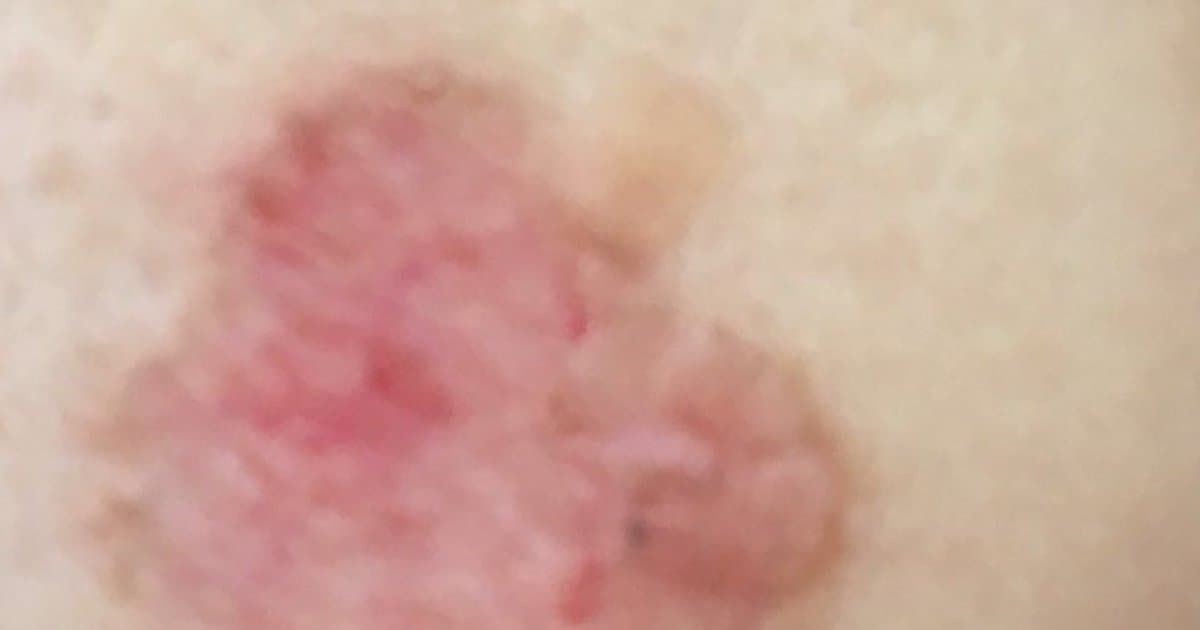
Kaj je skvamozni karcinom?
Skvamozni karcinom (SCC) je druga najpogostejša oblika kožnega raka, ki izhaja iz skvamoznih celic, ki sestavljajo srednje in zunanje plasti epidermisa. Vsako leto v ZDA diagnosticirajo več kot 1,8 milijona primerov, incidenca pa se je močno povečala — po nekaterih ocenah se je v zadnjih treh desetletjih povečala za 200 % zaradi staranja prebivalstva, nabranih UV-žarkov in povečane detekcije. SCC zaseda kritično srednjo pozicijo v resnosti kožnega raka: je veliko pogostejši in na splošno manj agresiven kot melanom, vendar bistveno bolj nevaren kot bazocelični karcinom zaradi svojega pravega potenciala za metastaziranje.
Ko SCC napreduje do regionalnih limfnih vozlov ali oddaljenih organov, se napoved drastično poslabša — metastatski SCC ima petletno preživetje približno 30-50 %, odvisno od obsega širjenja. Bolezen se običajno razvija na koži, izpostavljeni soncu — obraz, ušesa, lasišče, vrat, roke in podlakti — lahko pa se pojavi tudi na ustnicah, znotraj ust, na genitalijah in na območjih kroničnih brazgotin ali vnetij. SCC se pogosto razvije iz predhodnih lezij, zlasti aktiničnih keratoz, kar ga dela eno redkih rakovin s jasno prepoznavno predrakavo fazo, ki ponuja okno za preventivno posredovanje. Pot od normalne kože do sončne poškodbe do aktinične keratoze do invazivnega SCC ponazarja, zakaj je kumulativna zaščita pred soncem pomembna v vseh starostnih skupinah in zakaj zdravljenje predrakavih lezij preprečuje razvoj raka.
Dejavniki tveganja: Kdo razvije SCC in zakaj
Kumulativna izpostavljenost ultravijoličnemu sevanju je prevladujoč dejavnik tveganja za SCC — v nasprotju z melanomom, ki je povezan z intenzivno občasno izpostavljenostjo soncu in sončnimi opeklinami, SCC bolj močno korelira s skupnim UV odmerkom v življenju. To naredi SCC posebej pogostega pri delavcih na prostem, ljudeh, ki živijo na nižjih zemljepisnih širinah, in tistih z desetletji rekreacijske izpostavljenosti soncu. Svetla koža, svetli lasje in modre ali zelene oči prinašajo največje tveganje, vendar se SCC pojavlja pri vseh tipih kože.
Pri temnejših posameznikih se SCC pogosteje razvije na območjih kroničnih brazgotin, vnetij ali na mestih, ki niso izpostavljena soncu, in ti SCC-ji so običajno bolj agresivni. Imunosupresija je močan multiplikator tveganja: prejemniki organov, ki jemljejo zdravila proti zavrnitvi, se soočajo s 65-250-krat večjim tveganjem za SCC v primerjavi z splošno populacijo, njihovi SCC-ji pa so bolj agresivni in bolj verjetno metastazirajo. HIV/AIDS, kronična limfocitna levkemija in druge imunsko oslabitve podobno povečujejo tveganje.
Okužba s človeškim papiloma virusom (HPV) igra vlogo pri razvoju SCC, zlasti na genitalijah, perianalnem območju in pri imunsko oslabljenih posameznikih. Nekatere vrste HPV (16, 18) so neposredno karcinogene za skvamozne celice. Kronične rane, brazgotine in območja kroničnega vnetja lahko privedejo do SCC — Marjolinov ulkus opisuje SCC, ki nastane v kronični rani ali brazgotini po opeklini, pogosto desetletja po prvotni poškodbi.
Radioterapija za druge bolezni povečuje tveganje za SCC na obravnavanem področju. Izpostavljenost arseniku, nekaterim industrijskim kemikalijam in derivatom katrana povečuje tveganje. Osebna zgodovina katerega koli kožnega raka znatno povečuje tveganje za SCC, prav tako zgodovina aktiničnih keratoz.
Genetske bolezni, kot je xeroderma pigmentosum (okvarjena popravila DNA), povzročajo izjemno dovzetnost. Kajenje je posebej povezano s SCC na ustnicah.
Prepoznavanje SCC: Na kaj paziti
Skvamoznocelični karcinom se pojavlja v več oblikah, prepoznavanje njegovih raznolikih pojavov pa je ključno za zgodnje odkrivanje. Najpogostejša predstavitev je trdna, rdeča vozliča, pogosto z grobo, luskasto ali skorjastno površino. V nasprotju z bisernim, prosojnim videzom bazoceličnega karcinoma, SCC običajno izgleda debelejši, grob in bolj neprosojen.
Ravna lezija z luskasto, skorjastno površino, ki se postopoma povečuje, je še ena pogosta predstavitev, zlasti na trupu in okončinah. SCC na ustnicah se običajno pojavi kot vztrajno groba, luskasta ali razjedasta pega na spodnji ustnici. Značilni opozorilni znak, ki se pojavlja pri vseh predstavitvah SCC, je rana, ki se ne zaceli — lezija, ki krvavi, se skorji, se zdi, da se izboljšuje, nato pa se znova in znova poslabša v obdobju tednov do mesecev.!!
Vsaka rana, ki se ne celi na koži izpostavljeni soncu, bi morala biti ocenjena. SCC se lahko pojavi tudi kot rast, podobna bradavici, projekcija trdega keratina (kožni rogov) ali območje zadebeljene, grobe kože, ki krvavi, ko se luske odstranijo. Na ušesu se SCC pogosto pojavi kot občutljiva, skorjastna vozliča na heliksu ali antiheliksu.
Na lasišču se lahko pojavi kot rana, ki se ne celi, ali območje zadebelitve na plešastem ali redčevalnem območju. Značilnosti, ki nakazujejo višje tveganje, vključujejo hitro rast, veliko velikost (več kot 2 cm), lokacijo na ušesu, ustnici ali templju, invazijo v globlje strukture (opipljiva fiksacija na podložna tkiva), občutljivost ali bolečino ter simptome perinevrne invazije, kot so otrplost, mravljinčenje ali mišična oslabelost na tem območju. Prehod iz aktinične keratoze v SCC je lahko subtilen — AK, ki postane debelejša, bolj občutljiva ali razvije dvignjeno bazo, se lahko razvija v invazivni SCC in zahteva biopsijo.
Stadij in prognoza: Zakaj sta velikost in globina pomembni
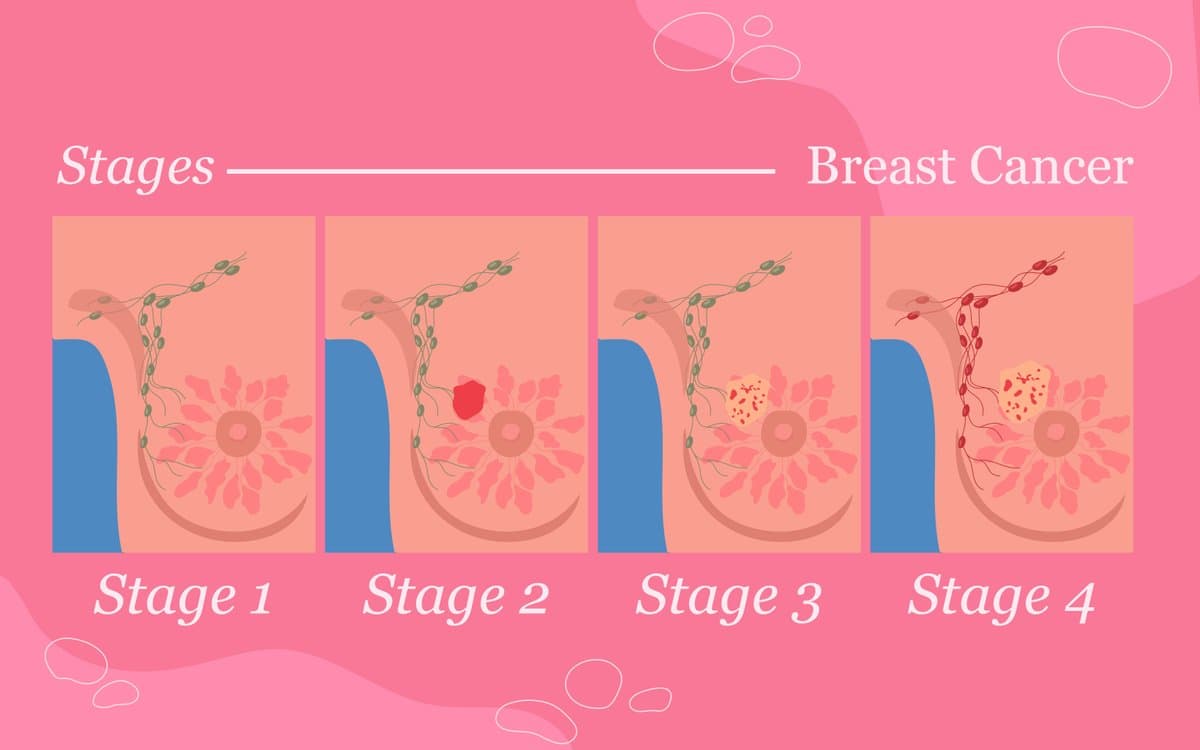
Stadij SCC določa pristop zdravljenja in napoveduje izid. Sistem stadiranja Ameriškega združenja za boj proti raku (AJCC) upošteva velikost tumorja, globino invazije, lokacijo in patološke značilnosti. Stadij I SCC so lokalizirani tumorji, manjši od 2 cm, brez visokotveganih značilnosti, z uspešnostjo zdravljenja, ki presega 95 % ob ustreznem zdravljenju.
Tumorji stadija II so večji od 2 cm ali imajo visokotvegane patološke značilnosti (slaba diferenciacija, perinevrna invazija, globina večja od 6 mm ali v podkožno maščobo), vendar ostajajo lokalizirani, z uspešnostjo zdravljenja 70-90 %. Stadij III označuje regionalno vključenost bezgavk, pri čemer petletna preživetje pade na približno 40-60 %. Stadij IV predstavlja oddaljeno metastazo, pri čemer je petletna stopnja preživetja približno 20-30 %.
Visokotvegane značilnosti, ki poslabšajo prognozo, vključujejo premer tumorja večji od 2 cm, globino, ki presega 6 mm ali invazijo preko podkožne maščobe, perinevrno invazijo (rak raste ob živčnih ovojnicah, kar povzroča bolečino, otrplost ali oslabelost), slabo histološko diferenciacijo, lokacijo na ušesu ali ustnici (ki nosita 2-3 krat višje tveganje za metastaze kot druge lokacije), imunosupresijo in ponovitev po prejšnjem zdravljenju. Stopnja metastaz za kožni SCC znaša približno 2-5 %, vendar se za visokotvegane podskupine ta številka znatno poveča — SCC na ustnicah metastazira v do 14 % primerov, SCC pri imunosupresivnih bolnikih pa metastazira veliko pogosteje. Razumevanje vašega specifičnega tveganja usmerja intenzivnost zdravljenja: majhen, dobro diferenciran SCC na podlahti se lahko ustrezno zdravi z običajno ekscizijo, medtem ko SCC slabo diferenciran na ušesu s perinevreno invazijo zahteva Mohsovo operacijo, morebitno adjuvantno radioterapijo in natančno spremljanje za metastaze.
Zdravljenje: Od ekscizije do Mohsove operacije do imunoterapije
Možnosti zdravljenja za SCC so odvisne od značilnosti tumorja in stratifikacije tveganja. Standardna kirurška ekscizija s predvidenimi robovi (4-6 mm za tumorje z nizkim tveganjem, širši za tumorje z višjim tveganjem) je primerna za mnoge SCC, saj zagotavlja stopnje ozdravitve nad 92 % za primarne lezije. Vzorec se pošlje na patološki pregled, da se potrdi jasnost robov.
Mohsova mikrograpfska kirurgija ponuja najvišjo stopnjo ozdravitve (97-99 % za primarni SCC) in največjo ohranitev tkiva, saj med postopkom pregleda 100 % kirurškega roba. Mohs je še posebej indiciran za SCC na obrazu, ušesih, ustnicah, rokah in genitalijah; za velike ali agresivne tumorje; za tumorje z slabo opredeljenimi robovi; za ponavljajoče se SCC; in za tumorje pri imunosupresivnih bolnikih. Sposobnost pregleda celotnega kirurškega roba v realnem času, namesto da bi vzeli vzorec le dela, kot pri standardni eksciziji, pojasnjuje višjo stopnjo ozdravitve Mohsove operacije.
Za bolnike, ki niso kandidati za operacijo zaradi medicinskih sočasnih bolezni, je radioterapija učinkovita alternativa, ki dosega stopnje ozdravitve 90 % za majhne, primarne SCC. Radioterapija se uporablja tudi kot adjuvantno zdravljenje po operaciji za visokotvegane značilnosti, kot so perinevrna invazija ali pozitivni robovi, ko ponovna ekscizija ni izvedljiva. Kuretacija in elektrodeseikacija sta lahko primerna za majhne, nizkotvegane SCC v nekritičnih lokacijah.
Za napredne, neoperabilne ali metastatske SCC je sistemska imunoterapija s kontrolnimi inhibitorji spremenila zdravljenje. Cemiplimab (Libtayo) in pembrolizumab (Keytruda) sta odobrena za napredni kožni SCC in dosegata stopnje odziva približno 40-50 %, kar ponuja pomembne koristi za bolnike, ki so imeli prej malo možnosti. Kemoterapija (regimi na osnovi cisplatina) ostaja možnost, vendar je manj učinkovita in bolj strupena kot imunoterapija.
Ciljna terapija z inhibitorji EGFR (cetuximab) ponuja še eno sistemsko možnost. Za lokalno napredne SCC, ki niso primerne za operacijo ali radioterapijo, pregled multidisciplinarnega tumorja zagotavlja optimalno načrtovanje zdravljenja.

Kdaj obiskati zdravnika: Nujni opozorilni znaki
Vsaka nova ali spreminjajoča se rast na koži izpostavljeni soncu zasluži strokovno oceno, vendar določene značilnosti zahtevajo nujno pozornost. Rana, ki se ne zaceli po 3-4 tednih, bi morala biti pregledana — vztrajno neceljenje je najpogostejši simptom SCC.!! Hitro rast kožne lezije v obdobju dni do tednov nakazuje agresiven proces, ki zahteva takojšnjo biopsijo.
' Če imate zgodovino aktiničnih keratoz in ena postane debelejša, bolj boleča ali razvije dvignjeno, zgoščeno bazo, to lahko nakazuje napredovanje v SCC. Vsaka rast na ustnici, ušesu ali templju, ki vztraja več kot nekaj tednov, bi morala biti biopsirana — te lokacije nosijo višje tveganje za metastaze in zahtevajo proaktivno oceno. Otrplost, mravljinčenje ali mišična oslabelost v bližini kožne lezije nakazuje perinevrno invazijo in zahteva nujno oceno.
Otekle bezgavke v bližini kožnega raka ali prejšnjega mesta kožnega raka zahtevajo takojšnjo oceno za metastaze. Za imunosupresivne bolnike (prejemnike organov, HIV pozitivne posameznike, bolnike na imunosupresivnih zdravilih) vsaka nova kožna rast zahteva nižjo mejo za biopsijo zaradi dramatično povišanega tveganja za SCC in bolj agresivnega vedenja v tej populaciji. Če ste imeli prejšnji SCC, bodite pozorni — tveganje za razvoj dodatnih SCC je znatno, zgodnje odkrivanje novih primarnih ali ponovitev pa je ključnega pomena.

Kako lahko analiza kože z umetno inteligenco pomaga zgodnjemu odkrivanju SCC
Skvamoznocelični karcinom je zelo ozdravljiv, ko je odkrit zgodaj, vendar lahko postane življenjsko ogrožajoč, če je diagnosticiran pozno. Skinscanner ponuja dostopno orodje za presejanje, ki lahko pomaga prepoznati sumljive lezije med profesionalnimi pregledi kože. Naša umetna inteligenca je bila usposobljena za prepoznavanje vizualnih značilnosti, povezanih s SCC — trdne vozliče z grobimi ali skorjastnimi površinami, rane, ki se ne celijo, in subtilne spremembe, ki ločijo razvijajoči se rak od benignih madežev.
Z fotografiranjem zaskrbljujočih lezij prejmete takojšnjo analizo, ki označuje značilnosti, ki zahtevajo dermatološko oceno. Za tiste z visokim tveganjem — svetlopolti posamezniki z obsežno izpostavljenostjo soncu, imunosupresivni bolniki, kdorkoli z zgodovino kožnega raka ali aktiničnih keratoz — redno skeniranje sončnim območjem ustvarja sistem nadzora, ki zgodaj ujame spremembe. Mesečna dokumentacija vaše kože vam omogoča, da zaznate postopno povečanje, spremembe površine ali razvoj novih lezij, ki se dogajajo dovolj počasi, da bi ušle naključnemu opazovanju, vendar so očitne v primerjavah fotografij, posnetih tedne narazen.
Skinscanner je še posebej dragocen za spremljanje znanih aktiničnih keratoz, saj je prehod iz pred-raka v invazivni SCC lahko subtilen — zadebelitev, povečana občutljivost ali razvoj dvignjene baze se lahko ujame v fotografski primerjavi, preden bi opazili spremembo v vsakdanjem življenju. Za težko vidna območja, kot so lasišče, ušesa in hrbet, kjer se SCC pogosto razvija, je imeti partnerja, ki fotografira ta območja za analizo z umetno inteligenco, ključnega pomena za samopregledovanje. Skinscanner ne diagnosticira raka — le biopsija lahko dokončno postavi diagnozo SCC — vendar zagotavlja zgodnje opozorilo, ki vas spodbuja, da poiščete strokovno oceno, ki bi vam lahko rešila življenje.