
What Is Merkel Cell Carcinoma?
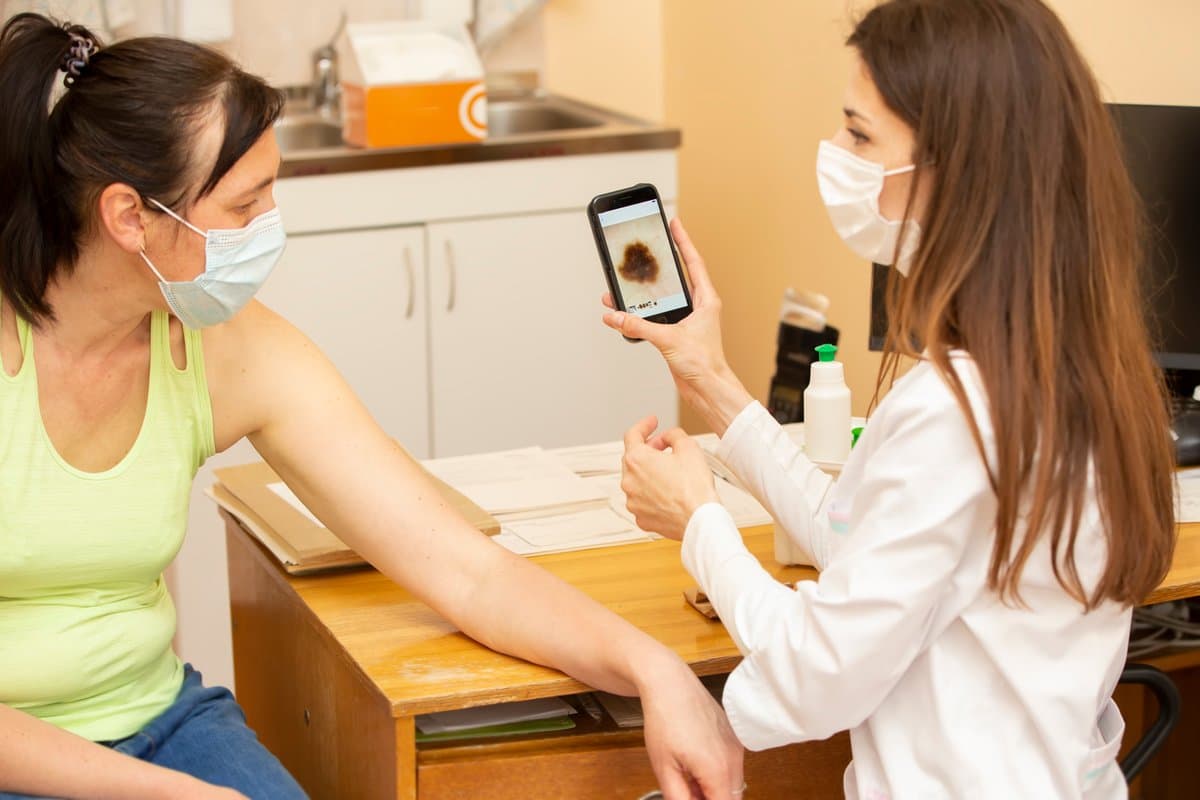
Merkel cell carcinoma (MCC) is a rare and aggressive form of skin cancer that arises from Merkel cells, specialized neuroendocrine cells located in the basal layer of the epidermis. These cells are involved in the sensation of light touch and are found in close association with nerve endings throughout the skin. MCC is classified as a neuroendocrine carcinoma, placing it in the same broad category as certain lung and gastrointestinal cancers that arise from hormone-producing cells. Despite its rarity, with roughly 3,000 new cases diagnosed annually in the United States, MCC has gained increasing attention due to its aggressive behavior and the discovery of its association with a specific virus.
Rarity and Aggressiveness
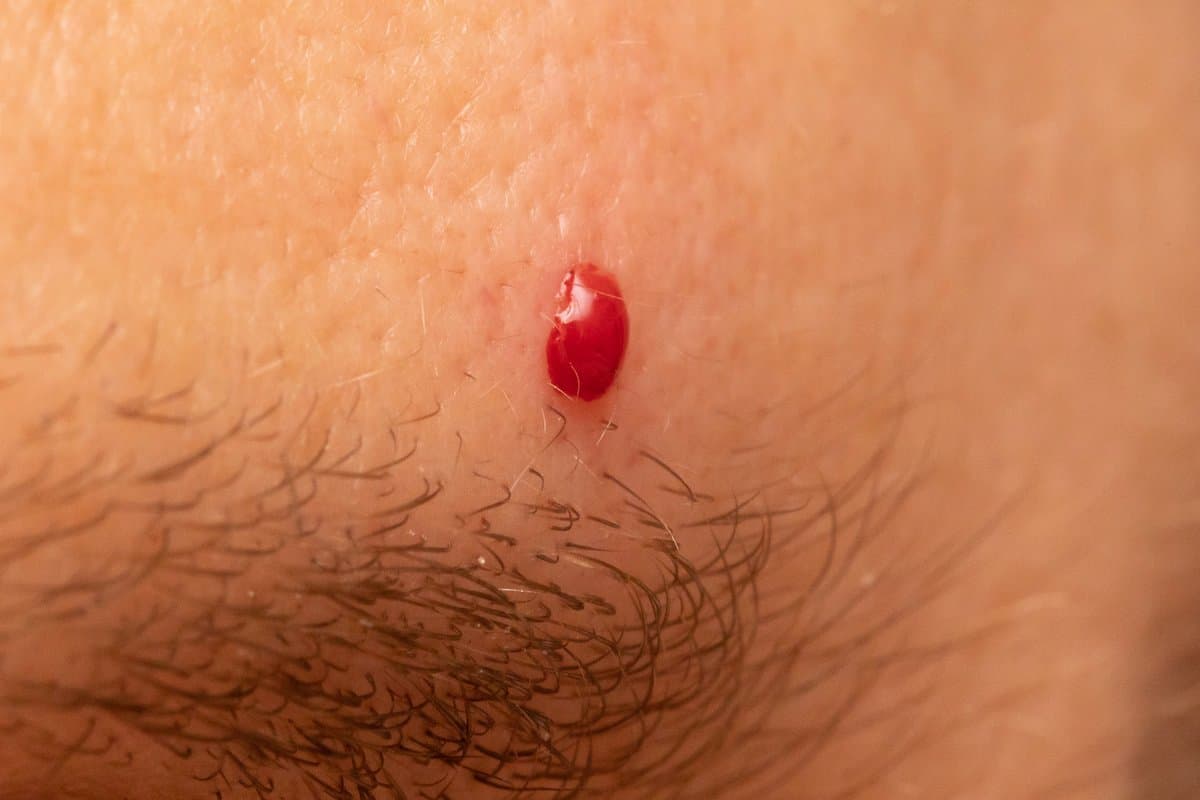
Merkel cell carcinoma is approximately 30 to 40 times rarer than melanoma, yet it carries a significantly higher mortality rate. The tumor has a strong tendency to recur locally after excision, spread to regional lymph nodes, and metastasize to distant organs including the liver, lungs, brain, and bones. Approximately one-third of patients present with lymph node involvement at the time of initial diagnosis, and the overall five-year survival rate is estimated at around 60 percent across all stages.!! The aggressiveness of MCC is partly attributable to its rapid growth rate and its ability to spread through both the lymphatic and blood vessel systems.
What Does It Look Like?
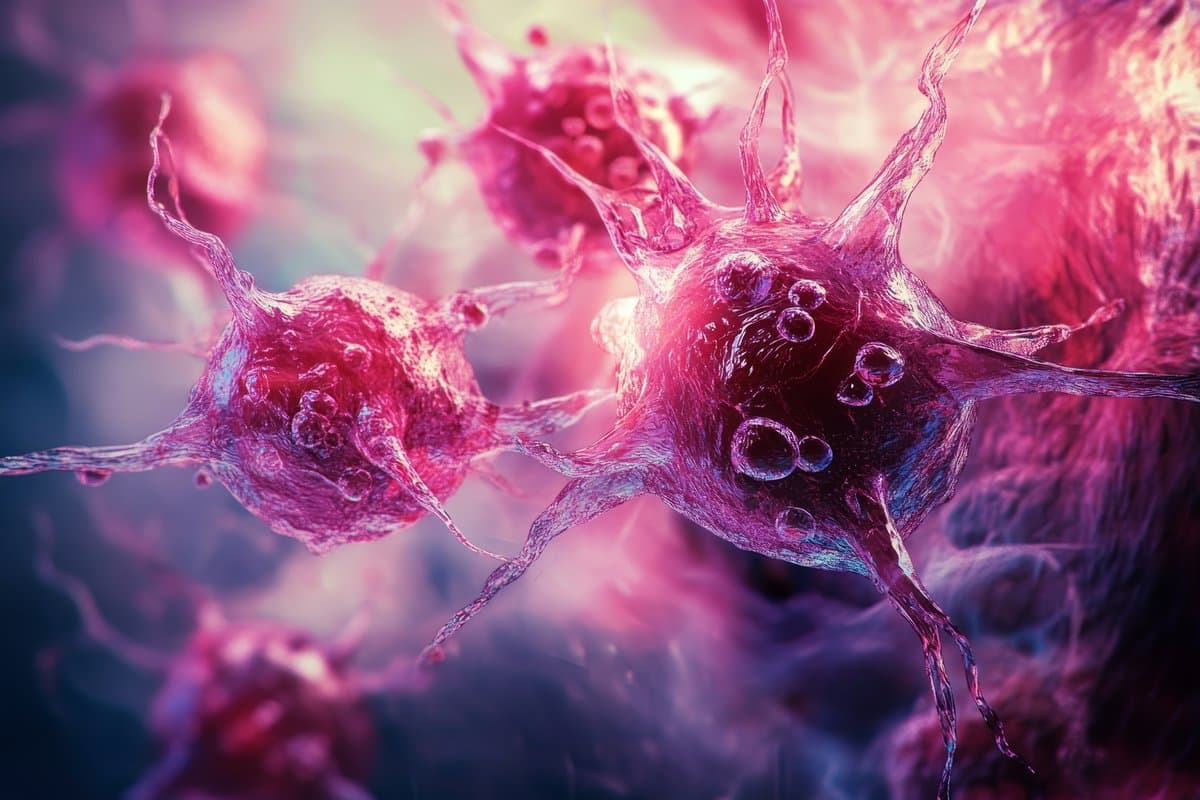
Merkel cell carcinoma most commonly presents as a painless, firm, dome-shaped nodule on the skin that grows rapidly over weeks to months. The color is typically red, pink, violet, or bluish-red, though it can occasionally appear skin-colored. The surface is usually smooth and shiny, and the overlying skin may have a translucent quality.
Clinicians sometimes use the acronym AEIOU to describe typical features: Asymptomatic, Expanding rapidly, Immune suppression, Older than 50, and UV-exposed site. Most tumors appear on the head, neck, or extremities, which are areas with significant cumulative sun exposure.
Risk Factors
Several well-established risk factors contribute to the development of Merkel cell carcinoma. Chronic and cumulative ultraviolet radiation exposure is one of the most significant, which explains why MCC predominantly occurs on sun-exposed skin. Advanced age is another major factor, with the vast majority of cases occurring in individuals over 65.
Immune suppression dramatically increases risk, with organ transplant recipients facing a 10 to 15 times greater likelihood of developing MCC. The Merkel cell polyomavirus (MCPyV) is found integrated into the tumor cells in approximately 80 percent of MCC cases.

Staging Merkel Cell Carcinoma
Staging is a critical step in determining the extent of disease and guiding treatment decisions for Merkel cell carcinoma. The staging system considers the size of the primary tumor, the involvement of regional lymph nodes, and the presence or absence of distant metastases. Stage I and II disease is confined to the skin, with stage distinctions based on tumor size.
Stage III indicates spread to regional lymph nodes. Stage IV represents distant metastatic disease. Sentinel lymph node biopsy is recommended for most patients with MCC because even small tumors have a significant risk of microscopic lymph node involvement.
Treatment Approaches
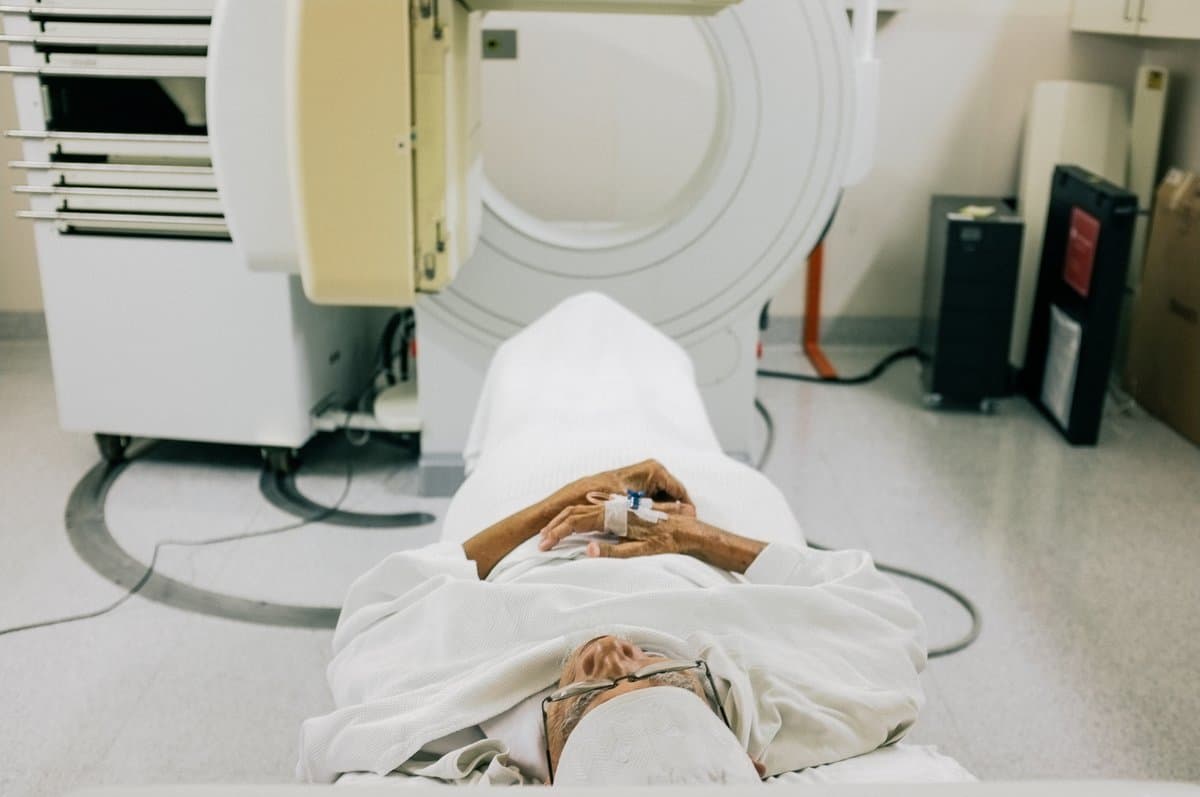
Treatment for Merkel cell carcinoma typically involves a multimodal approach combining surgery and radiation therapy. Wide local excision with margins of 1 to 2 centimeters is the standard surgical treatment for the primary tumor, and sentinel lymph node biopsy is usually performed simultaneously. Adjuvant radiation therapy to the primary tumor site and regional lymph nodes is commonly recommended because MCC is highly responsive to radiation. For advanced or metastatic disease, immunotherapy with checkpoint inhibitors such as avelumab or pembrolizumab has transformed outcomes in recent years, achieving durable responses in a substantial proportion of patients.

Prognosis and Survival
The prognosis for Merkel cell carcinoma varies significantly based on the stage at diagnosis. Patients with localized disease confined to the skin who receive appropriate treatment have five-year survival rates ranging from approximately 50 to 75 percent. When regional lymph nodes are involved, the five-year survival rate drops to around 35 to 50 percent.
The introduction of immunotherapy has meaningfully improved outcomes for patients with advanced disease. Factors associated with a better prognosis include smaller tumor size, absence of lymph node involvement, a robust immune system, and the presence of Merkel cell polyomavirus in the tumor.

Monitoring and Early Detection
Because Merkel cell carcinoma is rare and can mimic the appearance of more common benign skin conditions, awareness is the first step toward early detection. Any firm, painless, rapidly growing nodule on sun-exposed skin, particularly in an individual over 50 or with immune suppression, should prompt immediate medical evaluation.!! After treatment for MCC, intensive follow-up with regular clinical examinations and imaging is standard practice. Skinscanner can serve as a helpful companion for regular skin monitoring, enabling you to document and track any new or changing skin lesions and encouraging timely consultation with your dermatologist.