

What Is a Dysplastic Nevus?
A dysplastic nevus, also known as an atypical mole, is a mole that looks different from an ordinary common mole under both clinical examination and microscopic analysis. Dysplastic nevi tend to be larger than typical moles, often exceeding 5 to 6 millimeters in diameter, and they display irregular features such as uneven coloring, indistinct borders, and an asymmetric shape. They are extremely common, occurring in approximately 2 to 8 percent of the Caucasian population. While the vast majority of dysplastic nevi are benign and will never become cancerous, their presence is considered a marker of increased melanoma risk, particularly when multiple atypical moles are present or when there is a family history of melanoma.

How Dysplastic Nevi Differ from Normal Moles
Normal common moles are typically small (less than 6 millimeters), round or oval, evenly colored in a single shade of brown, and have smooth, well-defined borders. They are generally uniform in appearance and symmetrical. Dysplastic nevi, by contrast, are often larger and display a mixture of colors including tan, brown, pink, and dark brown within a single lesion.
Their borders tend to be irregular, fading gradually into the surrounding skin rather than having a sharp edge. They may have a flat component with a raised center, sometimes described as a fried egg appearance. Under the microscope, dysplastic nevi show architectural disorder and cytological atypia in the melanocytes, which is what distinguishes them histologically from common moles.
Dysplastic Nevi and Melanoma Risk
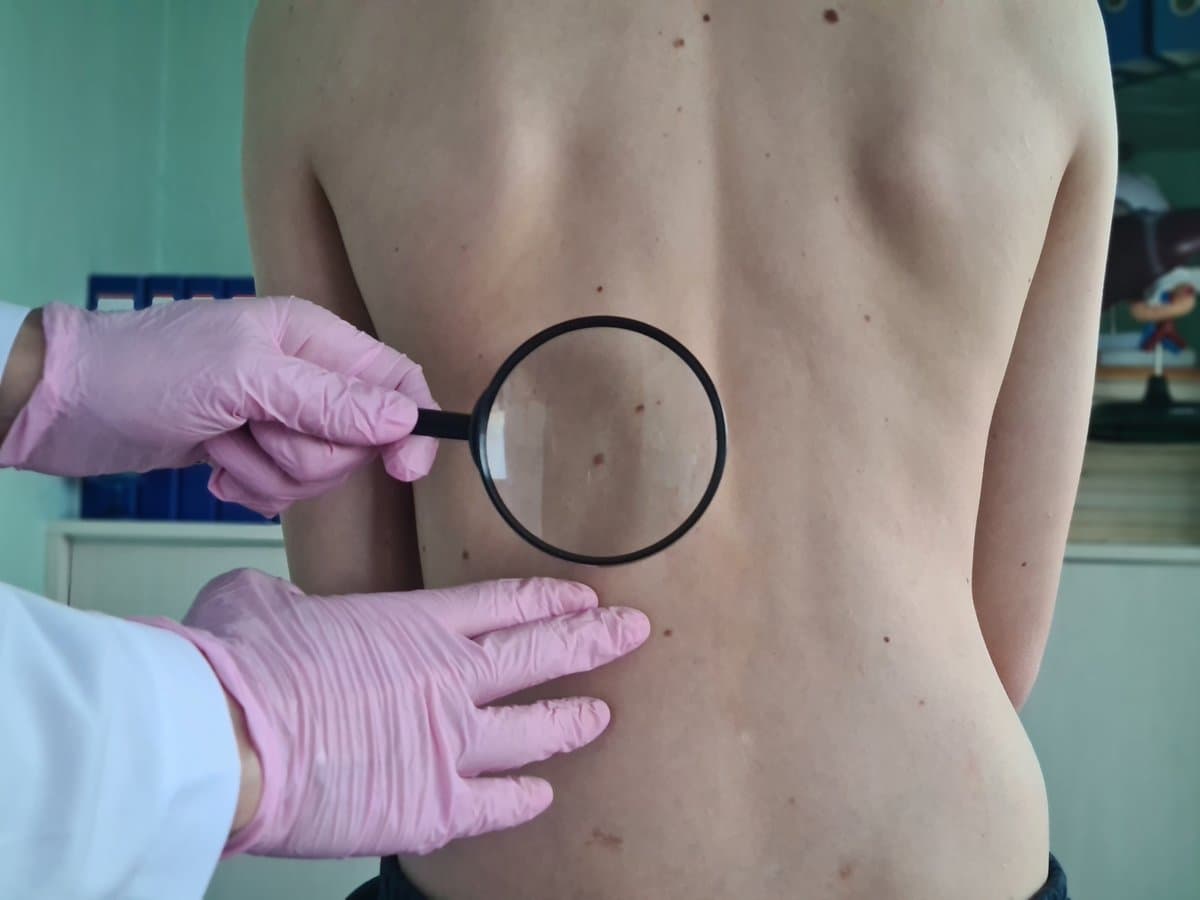
The relationship between dysplastic nevi and melanoma is one of the most studied topics in dermatology. Having one or two atypical moles slightly increases your lifetime melanoma risk. However, having many dysplastic nevi, particularly ten or more, substantially elevates that risk.
Individuals with dysplastic nevus syndrome (also called familial atypical multiple mole melanoma syndrome or FAMMM) have numerous atypical moles and a strong family history of melanoma, placing them at very high lifetime risk. It is important to understand that most melanomas do not arise from pre-existing dysplastic nevi.!! Rather, the presence of atypical moles serves as a phenotypic marker indicating that a person's skin has an increased overall tendency toward melanocytic instability. This means the entire skin surface, not just the atypical moles themselves, requires careful surveillance.
The ABCDE Rule and Identifying Concerning Changes
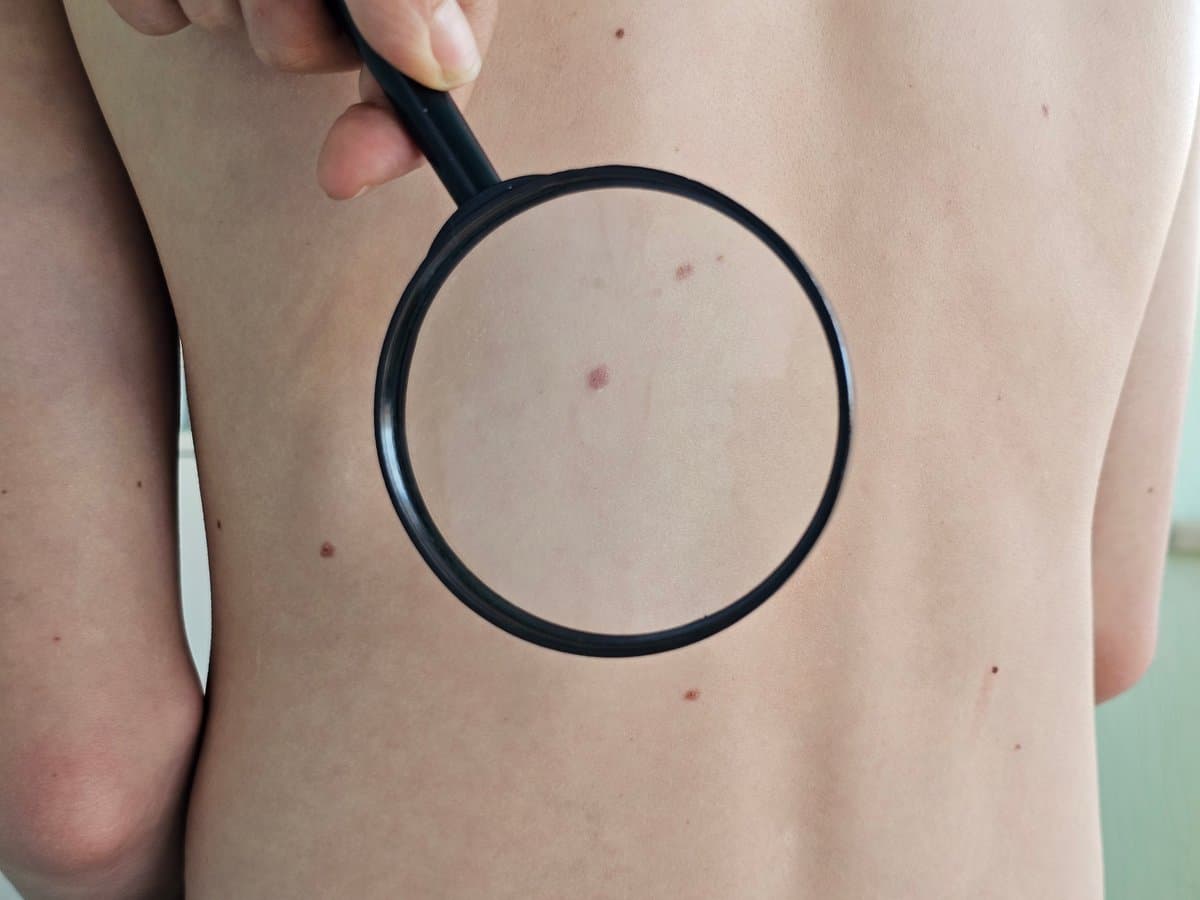
The ABCDE rule is a practical tool for evaluating any mole, including dysplastic nevi, for features that may suggest melanoma. Asymmetry means one half of the mole does not match the other. Border irregularity refers to edges that are ragged, notched, or blurred.
Color variation includes multiple shades of brown, black, red, white, or blue within a single mole. Diameter greater than 6 millimeters is worth noting, though melanomas can be smaller. Evolution, the most important criterion, refers to any change in size, shape, color, or symptoms over time.
Because dysplastic nevi inherently display some of these features, monitoring for evolution is especially critical. Any atypical mole that is noticeably changing should be evaluated promptly by a dermatologist.!!

Monitoring Strategies for Atypical Moles
Effective monitoring of dysplastic nevi requires a systematic approach that combines self-examination with professional surveillance. Monthly self-checks allow you to become familiar with your moles and notice changes early. Photographing your moles under consistent lighting conditions creates a visual record that makes it much easier to detect subtle evolution over time.
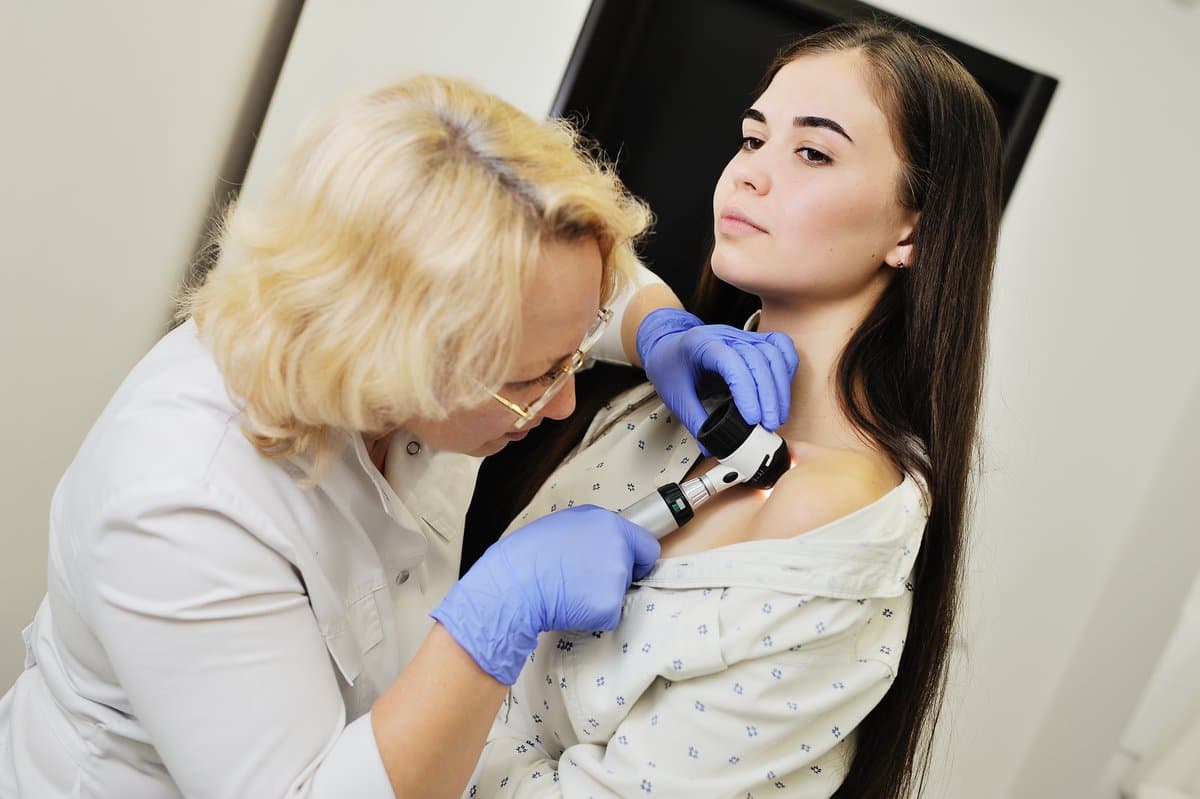
Dermatologists use total body photography and sequential digital dermoscopy to track atypical moles over months and years, comparing high-resolution images to detect changes as small as fractions of a millimeter. The frequency of professional skin examinations depends on your individual risk profile, ranging from every three to six months for high-risk patients with many dysplastic nevi and a family history of melanoma to annually for those with fewer risk factors.
When Should a Dysplastic Nevus Be Removed?
Not every dysplastic nevus needs to be removed. Routine prophylactic excision of all atypical moles is neither practical nor recommended, especially in patients who may have dozens or even hundreds of such lesions. Removal is typically recommended when a mole shows significant or rapid change over time, when dermoscopic features raise concern for melanoma, or when a biopsy reveals severe dysplasia.
If a biopsy shows moderate to severe atypia with positive margins, re-excision is generally performed to ensure complete removal. Moles in locations that are difficult to monitor, such as the scalp or between the toes, may also be considered for removal. The decision is always individualized and based on a combination of clinical appearance, dermoscopic findings, patient history, and the degree of histological atypia if a biopsy has been performed.
The Role of AI Skin Scanning in Monitoring Atypical Moles
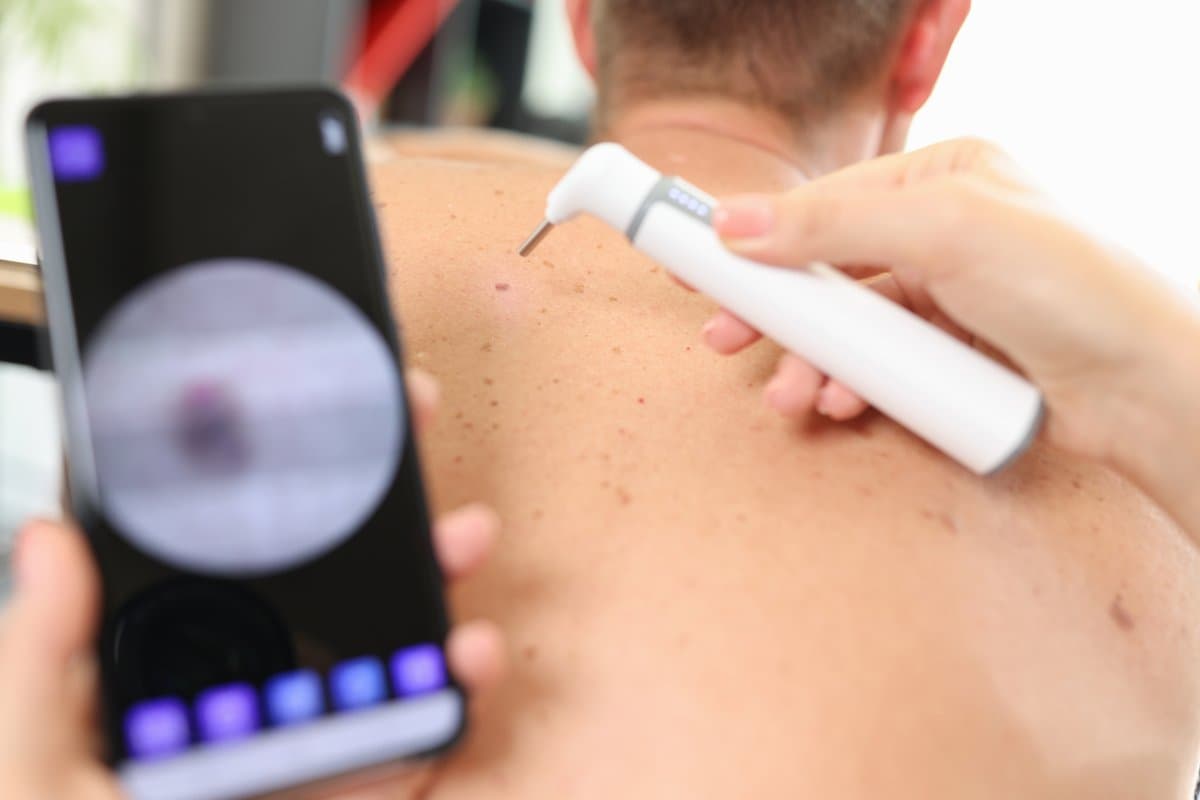
Regular monitoring is the cornerstone of managing dysplastic nevi, and technology is making this process more accessible and effective. Skinscanner allows you to photograph and track your moles over time using AI-powered image analysis that evaluates features such as asymmetry, border irregularity, color distribution, and structural patterns. By building a visual history of each mole, you and your dermatologist can detect subtle changes that might be missed during periodic visual inspection.
AI scanning is particularly valuable for individuals with many atypical moles who face the challenge of keeping track of dozens of lesions across their body. While AI-based monitoring does not replace professional dermatological evaluation, it serves as a powerful complementary tool that empowers you to take an active role in your skin health and catch potential problems at the earliest possible stage.