

What Is Folliculitis?
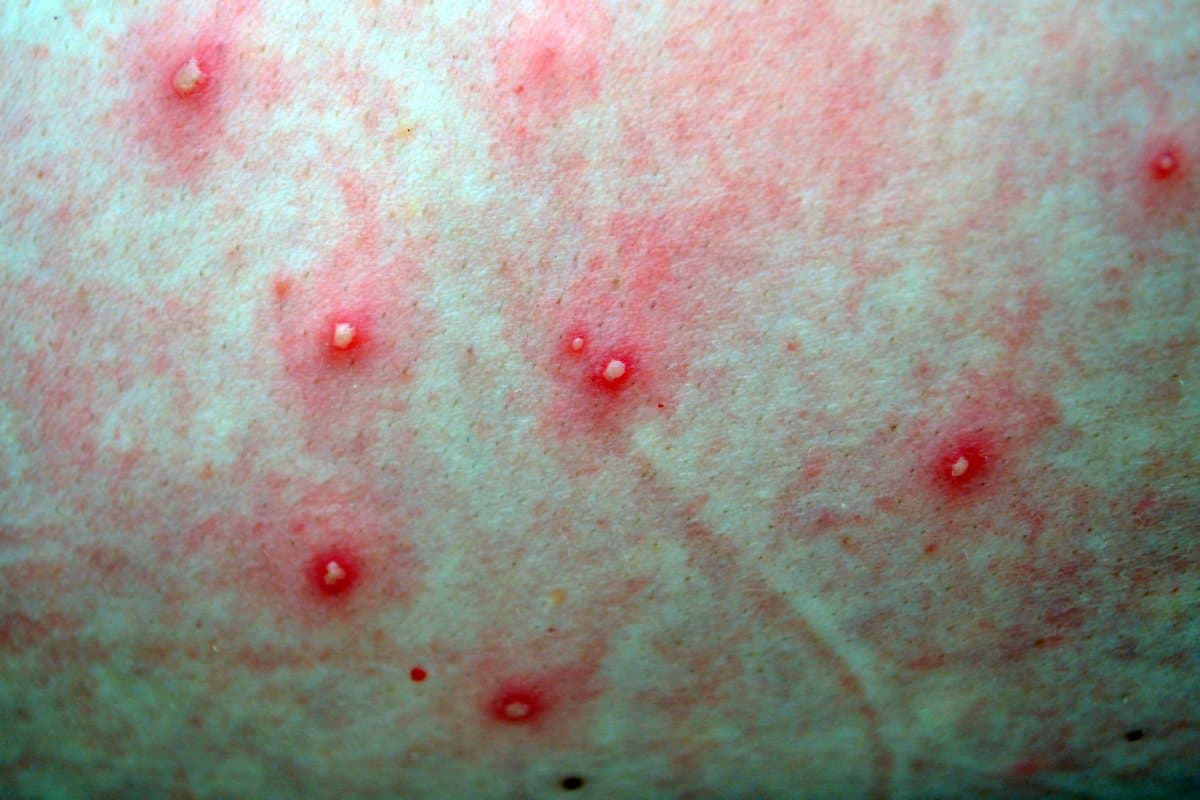
Folliculitis is a common skin condition in which hair follicles become inflamed, typically due to a bacterial or fungal infection. It appears as small red bumps or white-headed pimples around hair follicles, the tiny pockets from which each hair grows. While it can occur anywhere on the body where hair grows, it most commonly affects the face, scalp, thighs, and groin. Though usually not serious, folliculitis can be itchy, uncomfortable, and cosmetically concerning.
Types of Folliculitis
Folliculitis is broadly divided into superficial and deep types. Superficial forms include bacterial folliculitis, the most common type caused by Staphylococcus aureus, and pseudomonas folliculitis, often called hot tub folliculitis because it results from contaminated water. Pityrosporum folliculitis is caused by yeast and produces itchy, uniform bumps that are often mistaken for acne. Deep folliculitis forms, such as sycosis barbae affecting the beard area and folliculitis decalvans on the scalp, penetrate further into the hair follicle and can lead to more significant scarring if untreated.

Common Causes and Triggers
The most frequent cause of folliculitis is infection with Staphylococcus aureus bacteria, which can enter damaged follicles through shaving, friction, or skin injuries. Tight clothing, excessive sweating, and prolonged exposure to hot, humid conditions create an environment where bacteria and fungi thrive.!! Certain activities increase risk, including regular shaving, using poorly maintained hot tubs or pools, and wearing occlusive gear such as rubber gloves or hip boots. Immunosuppression, diabetes, and long-term antibiotic use can also make individuals more susceptible to developing folliculitis.

Recognizing the Symptoms
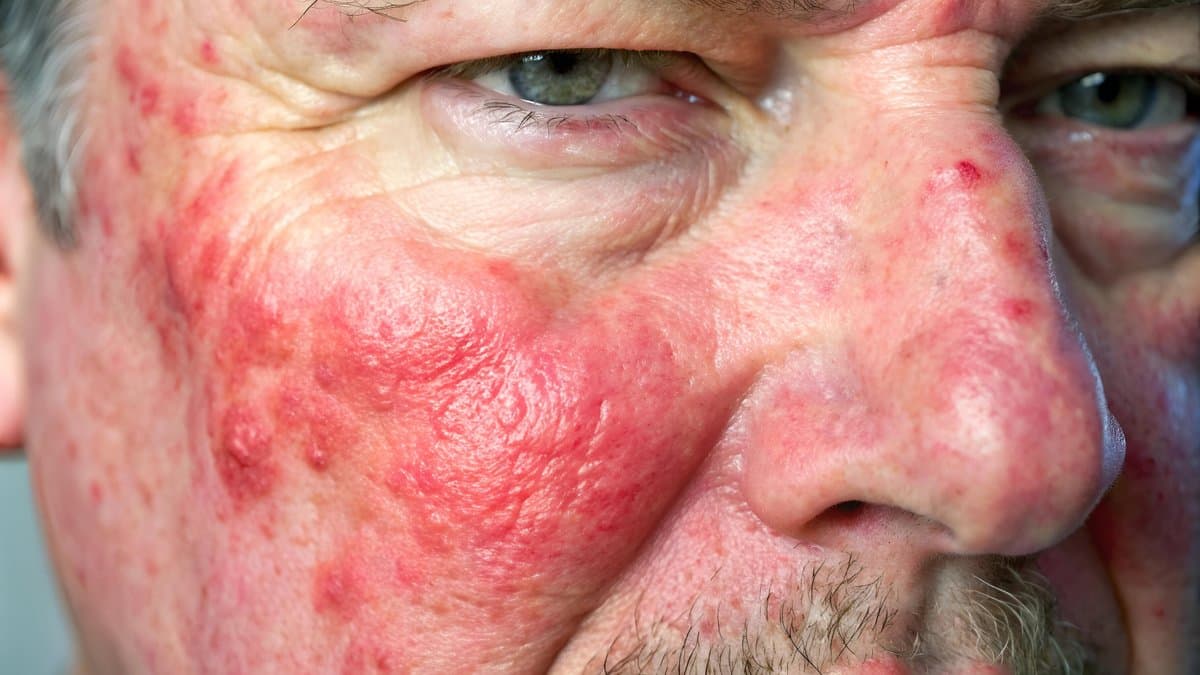
Folliculitis typically presents as clusters of small red bumps or white-tipped pustules that develop around hair follicles. The affected area may feel itchy, tender, or mildly painful, and the skin surrounding the bumps can become red and inflamed. In more severe cases, the bumps may enlarge into boils or carbuncles that are filled with pus. Some types of folliculitis, particularly those caused by fungi, produce intensely itchy bumps that do not respond to standard acne treatments.!!
Treatment Options
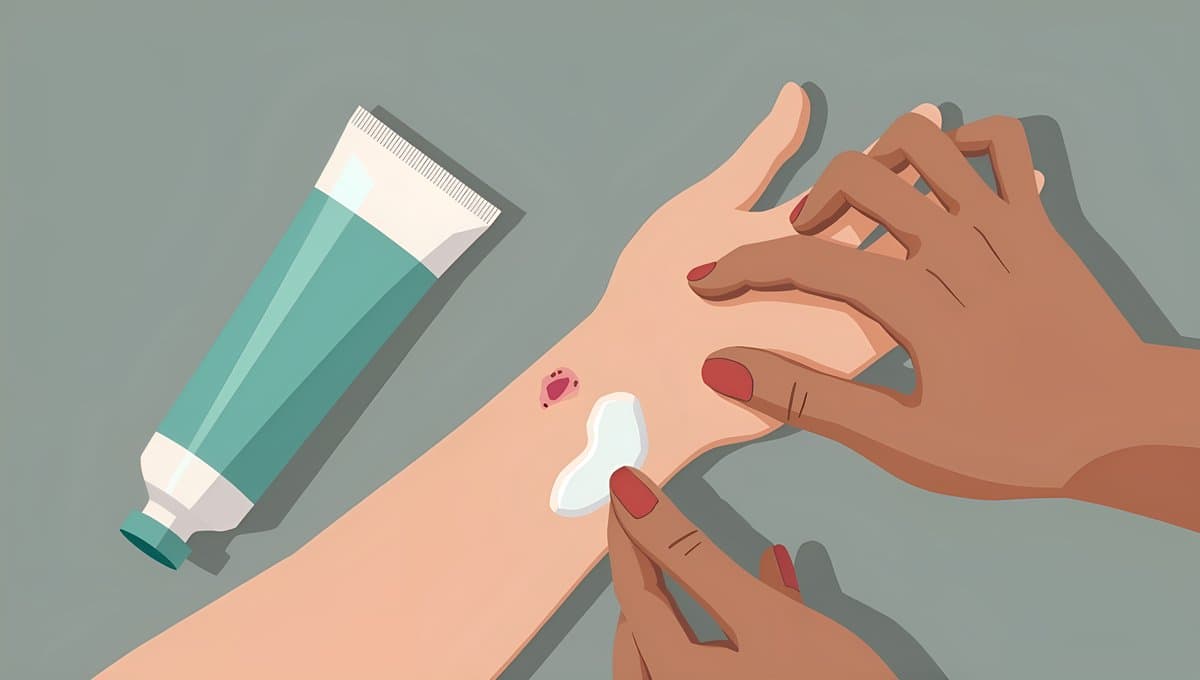
Mild bacterial folliculitis often resolves on its own within one to two weeks with basic hygiene measures such as gentle cleansing and warm compresses. Topical antibiotics like mupirocin or clindamycin are effective for persistent superficial infections, while oral antibiotics may be necessary for more widespread or deep folliculitis. Fungal folliculitis requires antifungal medications rather than antibiotics, which is why accurate diagnosis matters. For chronic or recurrent cases, your doctor may recommend combination approaches including antiseptic washes with benzoyl peroxide or chlorhexidine.
Prevention Strategies
Preventing folliculitis involves minimizing friction and irritation to the skin while maintaining good hygiene practices. Shave carefully using a clean, sharp razor and shaving cream, and consider shaving in the direction of hair growth to reduce follicular trauma. After swimming or using a hot tub, shower promptly and change out of wet swimwear.
Avoid sharing towels, razors, or other personal items that could spread bacteria. If you are prone to folliculitis, consider switching to electric razors or hair removal creams, and wear loose, breathable fabrics during exercise.
Monitoring Your Skin with Technology
Keeping track of recurring folliculitis can help you identify patterns and triggers that lead to flare-ups. Documenting the appearance of your skin over time provides valuable information for your healthcare provider when discussing treatment strategies. Skinscanner can help you monitor changes in your skin and track how affected areas evolve with treatment. Regular self-examination combined with digital tracking tools empowers you to take a proactive approach to managing folliculitis and maintaining overall skin health.