
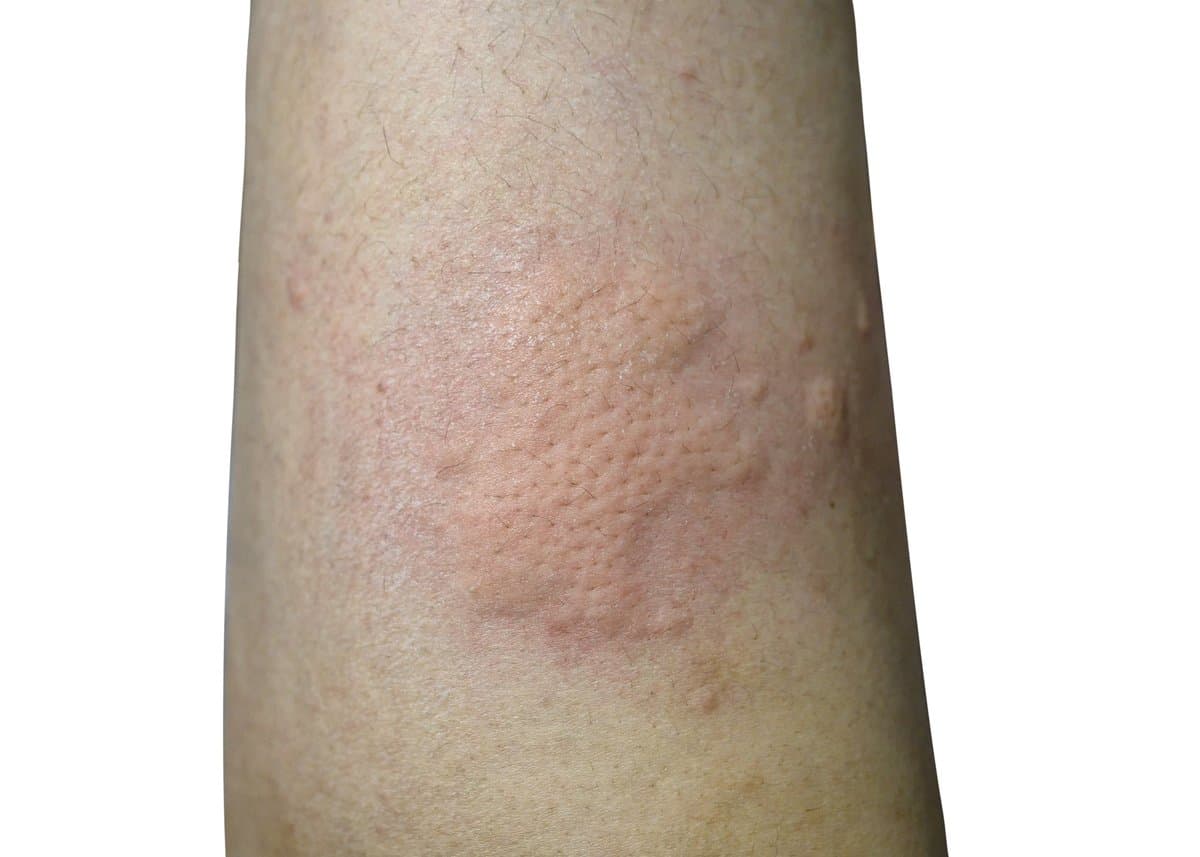
What Is Cellulitis?
Cellulitis is a common bacterial infection of the skin and the soft tissues beneath it. It occurs when bacteria, most commonly Streptococcus pyogenes (group A strep) and Staphylococcus aureus, enter through a break in the skin and spread into the deeper layers including the dermis and subcutaneous tissue. Cellulitis is not contagious from person to person, but the bacteria that cause it are widespread in the environment and on human skin.
The infection affects millions of people each year and is one of the most frequent reasons for emergency department visits related to skin conditions. While most cases respond well to antibiotic treatment, untreated or severe cellulitis can lead to life-threatening complications.
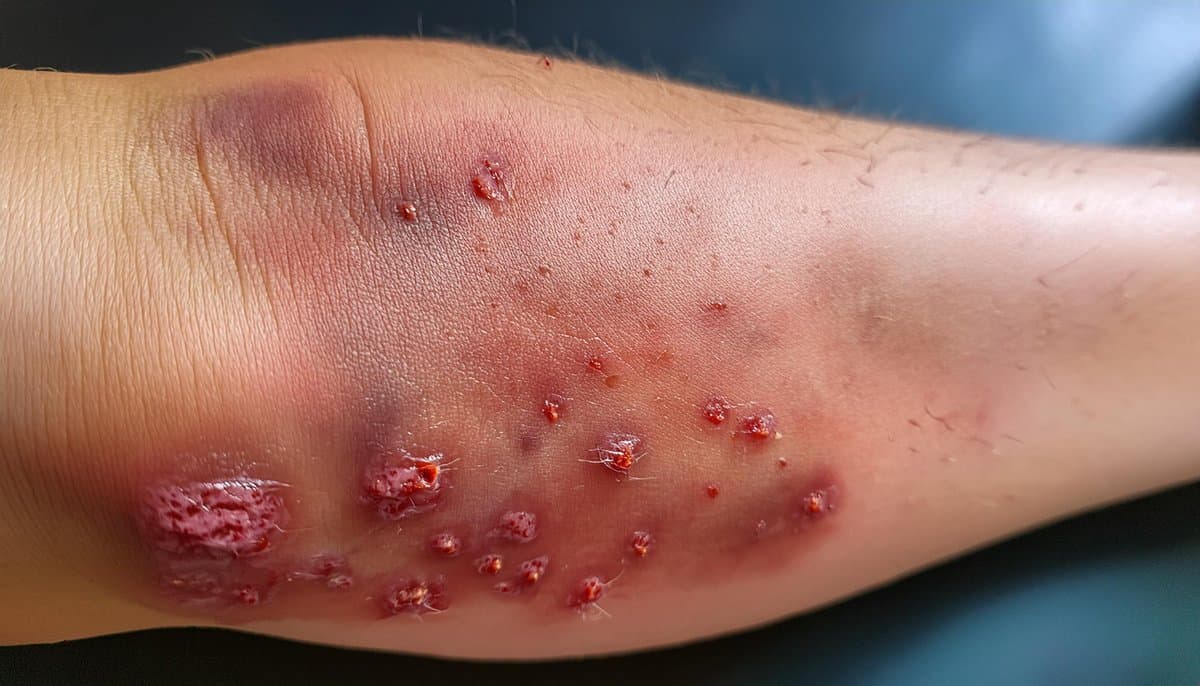
Causes and How the Infection Develops
Cellulitis develops when bacteria penetrate the skin's protective barrier through cuts, scrapes, surgical wounds, insect bites, ulcers, or areas of cracked and dry skin such as those caused by eczema or athlete's foot. Even microscopic breaks in the skin that are invisible to the naked eye can serve as an entry point. Once inside, the bacteria multiply rapidly and produce enzymes that break down tissue, allowing the infection to spread horizontally through the skin and deeper into subcutaneous fat.
The body's immune response triggers inflammation, which produces the characteristic redness, warmth, swelling, and pain. In some cases, particularly with more virulent bacterial strains or in immunocompromised patients, the infection can spread to the bloodstream (bacteremia) or deeper structures like fascia and muscle.

Symptoms of Cellulitis
The hallmark symptoms of cellulitis include an area of skin that is red, swollen, warm to the touch, and tender or painful. The redness typically spreads outward from the initial site of infection and may have poorly defined, irregular borders. The affected skin often appears shiny and tight due to swelling, and you may notice red streaks extending from the area toward nearby lymph nodes.
Blisters or small pus-filled bumps can develop on the surface. Systemic symptoms such as fever, chills, fatigue, and body aches indicate that the infection may be spreading beyond the skin. Cellulitis most commonly affects the lower legs, but it can occur anywhere on the body including the face, arms, and around surgical sites.

Risk Factors
Several factors increase the likelihood of developing cellulitis. Any condition that compromises the skin barrier raises risk, including eczema, psoriasis, athlete's foot, chronic wounds, and surgical incisions. Lymphedema, a condition in which lymph fluid accumulates and causes swelling in the limbs, is a major predisposing factor because the stagnant fluid provides an environment conducive to bacterial growth.
Obesity, diabetes, and peripheral vascular disease impair circulation and immune function, making the skin more vulnerable to infection. Immunosuppression from medications, chemotherapy, or conditions like HIV increases susceptibility. A history of previous cellulitis is one of the strongest risk factors, with recurrence rates estimated between 20 and 50 percent. Intravenous drug use and chronic alcohol use also elevate risk.
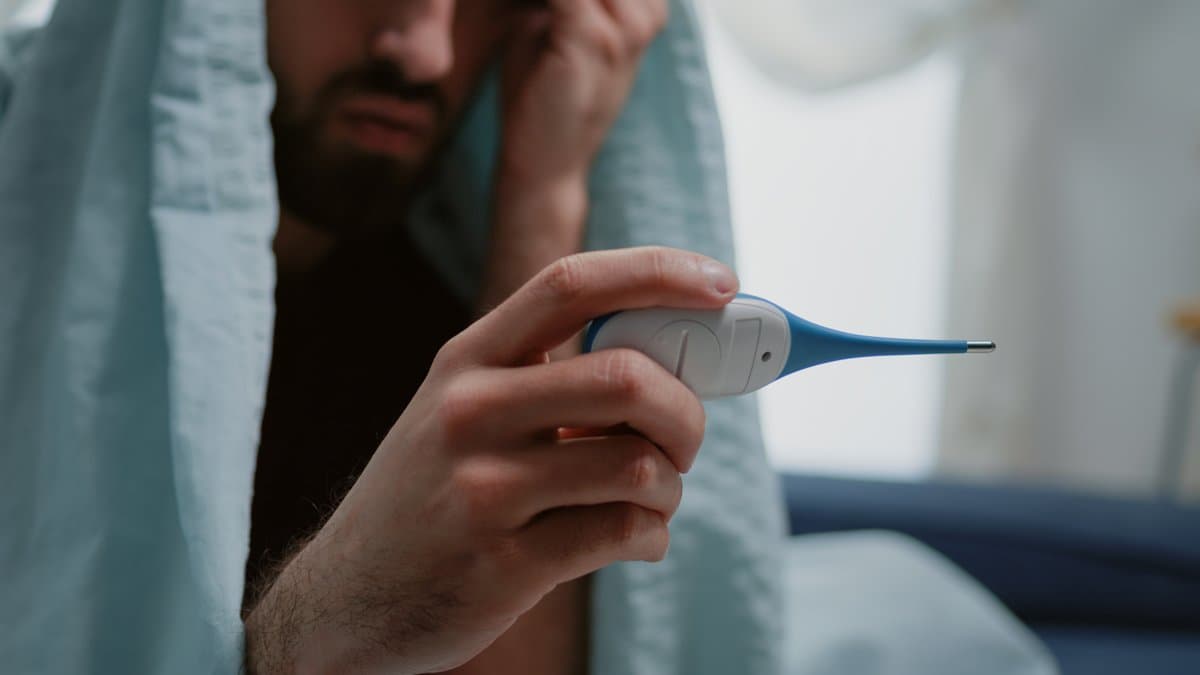
When Cellulitis Is an Emergency
While most cellulitis can be treated with oral antibiotics on an outpatient basis, certain signs indicate a medical emergency that requires immediate attention. 5 degrees Celsius, rapidly spreading redness that you can visibly track expanding over hours, intense pain that seems disproportionate to the visible skin changes, large blisters or areas of skin that turn dark or purple, numbness or tingling in the affected area, or signs of confusion or altered mental status. These symptoms may indicate necrotizing fasciitis, a rare but life-threatening deep tissue infection that requires emergency surgery, or sepsis, a systemic inflammatory response to infection that can lead to organ failure. Drawing a line around the border of the redness with a pen and noting the time can help you and your doctor track whether the infection is spreading despite treatment.

Treatment
The primary treatment for cellulitis is antibiotics, which are selected based on the suspected bacteria and the severity of the infection. Mild to moderate cellulitis is typically treated with a 5 to 14 day course of oral antibiotics such as cephalexin, dicloxacillin, or amoxicillin-clavulanate. If MRSA (methicillin-resistant Staphylococcus aureus) is suspected, antibiotics like trimethoprim-sulfamethoxazole or doxycycline may be prescribed.
Severe cellulitis or cellulitis in immunocompromised patients often requires hospitalization and intravenous antibiotics. In addition to antibiotics, treatment includes elevating the affected limb to reduce swelling, applying cool compresses for comfort, taking pain relievers, and keeping the skin clean and moisturized. Most patients begin to see improvement within 48 to 72 hours of starting antibiotics, but the full course must be completed to prevent recurrence and antibiotic resistance.

Prevention and Skin Care
Preventing cellulitis focuses on maintaining the integrity of your skin barrier and promptly treating any breaks in the skin. Clean all cuts, scrapes, and insect bites thoroughly with soap and water and apply an antiseptic ointment. Keep your skin moisturized to prevent cracking, particularly on the lower legs and feet.
Treat underlying conditions like athlete's foot, eczema, and toenail fungus promptly, as these create openings for bacteria. If you have lymphedema, use compression garments as prescribed and practice good skin hygiene. People with recurrent cellulitis may benefit from long-term low-dose prophylactic antibiotics. Skinscanner can help you monitor areas of skin that appear inflamed or unusual, making it easier to recognize early signs of infection and seek timely medical advice before a mild issue escalates into a serious problem.