
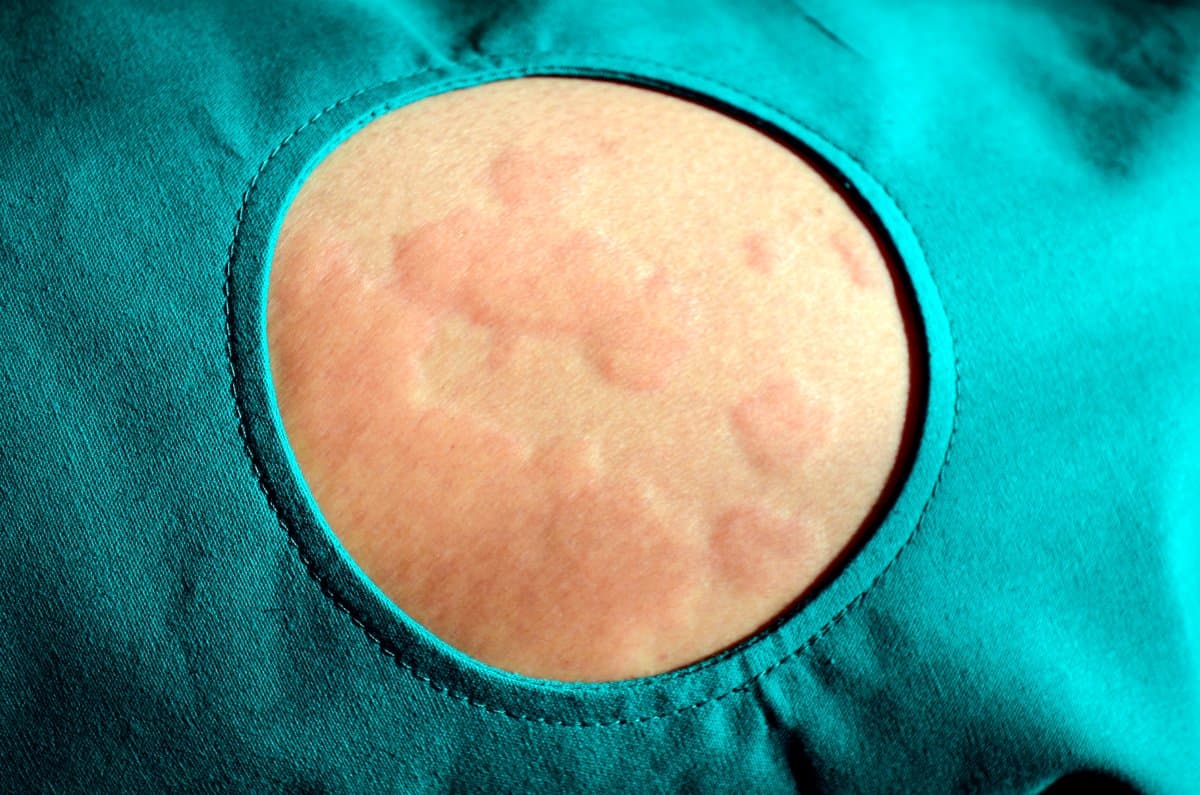
What Is Tinea Corporis?
Tinea corporis, commonly known as ringworm, is a superficial fungal infection of the skin on the body. Despite its name, ringworm has nothing to do with worms. The infection is caused by dermatophyte fungi, a group of organisms that feed on keratin, the protein found in skin, hair, and nails. Tinea corporis is one of the most common fungal infections worldwide and can affect people of all ages, though it is particularly prevalent in children and those living in warm, humid climates.
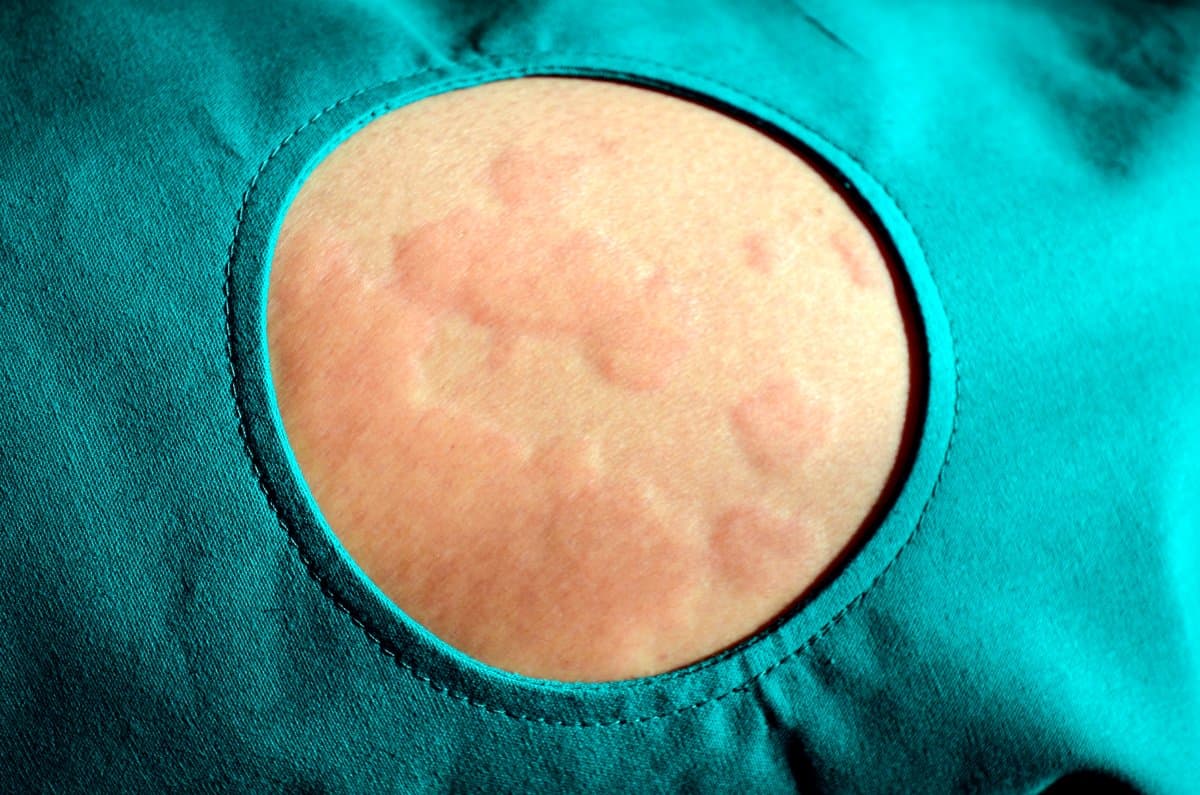
Appearance and Symptoms
The hallmark of tinea corporis is one or more ring-shaped patches on the skin. These patches typically have a raised, red, scaly border that may be slightly bumpy or contain small blisters, while the center of the ring often appears clearer or lighter. The affected area is usually itchy and may become more irritated with sweating or friction from clothing. In some cases, multiple rings can overlap or merge, creating larger irregular patches.
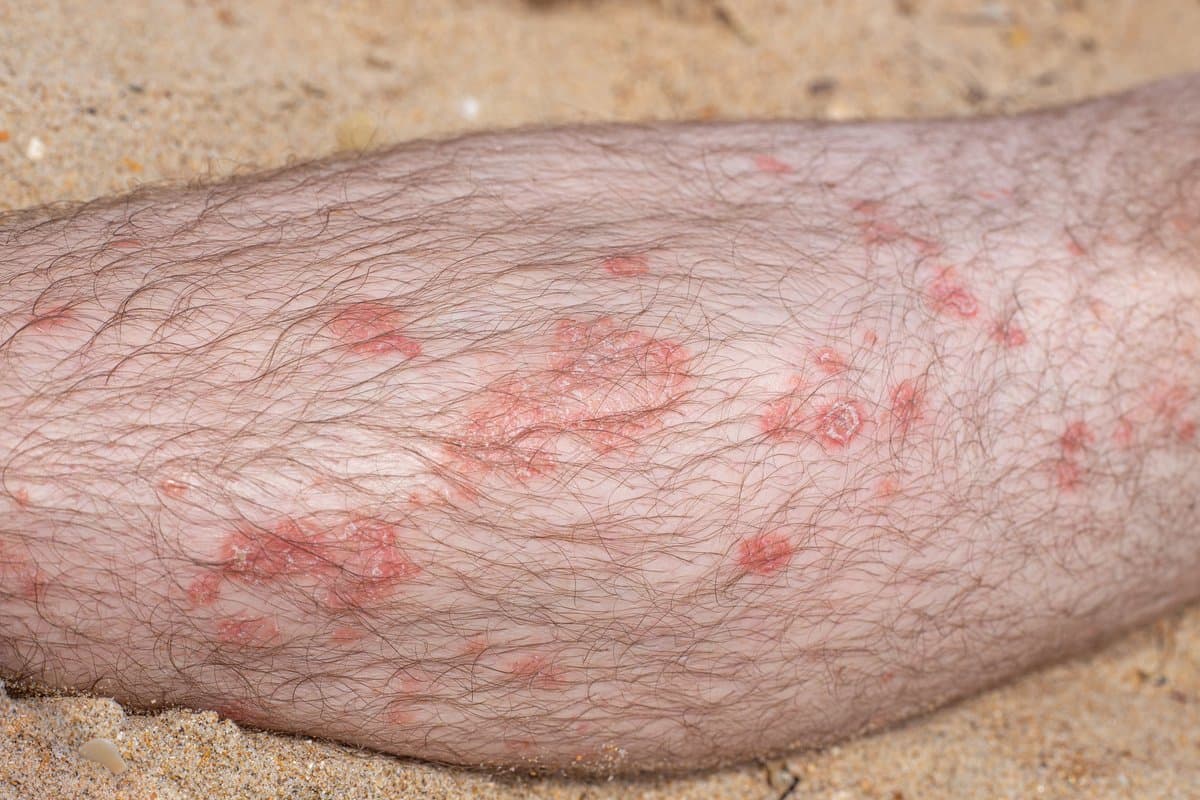
How Ringworm Spreads
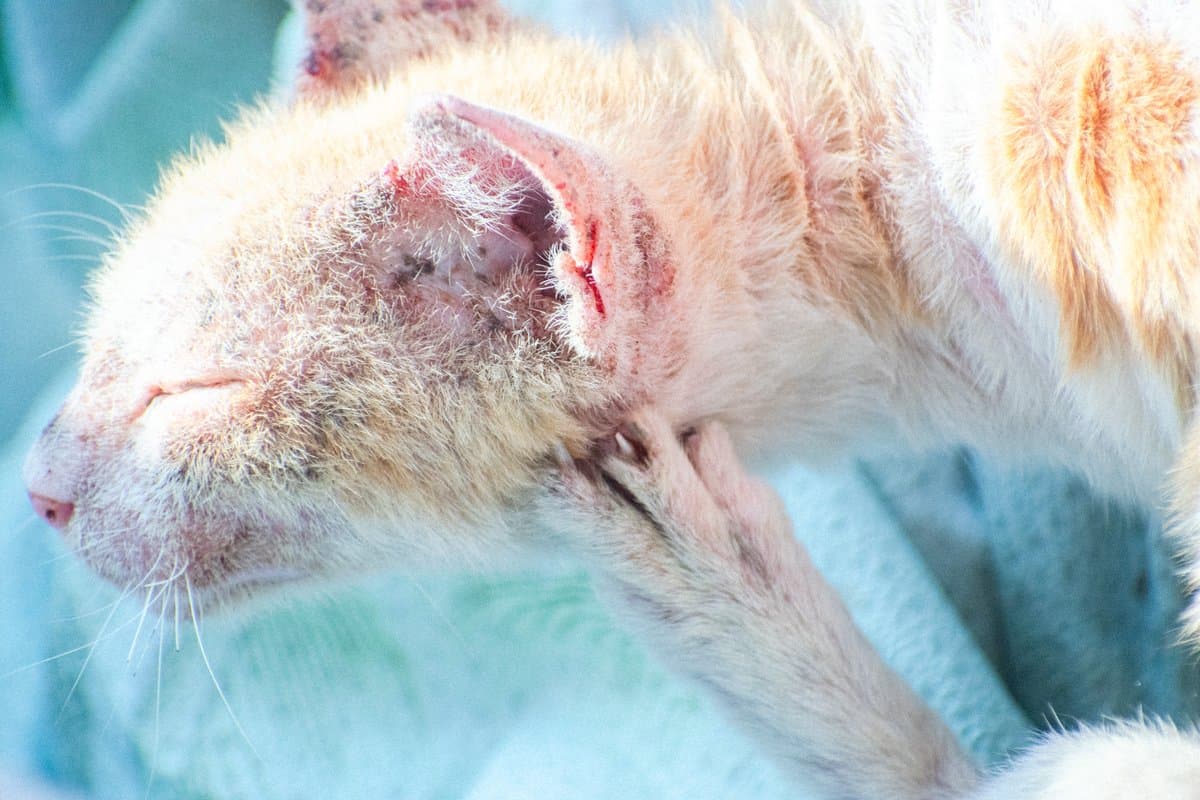
Tinea corporis is highly contagious and can spread through several routes. Direct skin-to-skin contact with an infected person is the most common means of transmission, making it prevalent in contact sports like wrestling. The fungi can also be transmitted from infected animals, particularly cats, dogs, and livestock.
Contaminated objects such as towels, clothing, bedding, and gym equipment can harbor the fungi. Warm, moist environments like locker rooms and swimming pool areas provide ideal conditions for the fungi to survive.!!
Diagnosis
A dermatologist can often diagnose tinea corporis based on the characteristic appearance of the rash. To confirm the diagnosis, a KOH preparation test is commonly performed, in which skin scrapings from the edge of the lesion are treated with potassium hydroxide and examined under a microscope. In some cases, a fungal culture may be performed to identify the specific dermatophyte species. A Wood lamp examination, which uses ultraviolet light, can help diagnose certain fungal species that fluoresce.

Treatment Options
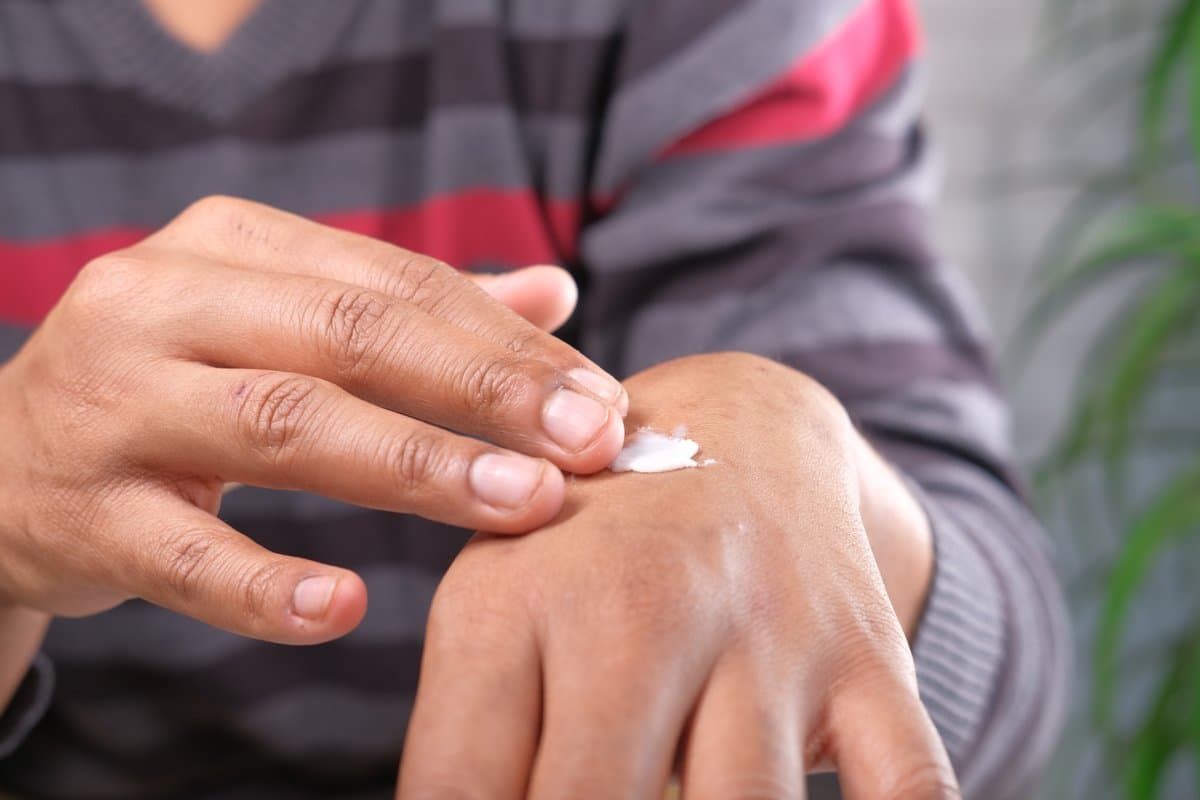
Most cases of tinea corporis respond well to topical antifungal medications available over the counter. Common effective treatments include creams or ointments containing clotrimazole, miconazole, terbinafine, or ketoconazole, applied to the affected area for two to four weeks. It is important to continue treatment for at least one week after the rash has cleared to prevent recurrence.!! For widespread, severe, or treatment-resistant infections, oral antifungal medications such as terbinafine, itraconazole, or fluconazole may be prescribed.
Prevention Strategies
Preventing tinea corporis involves minimizing exposure to the fungi and maintaining good skin hygiene. Avoid sharing personal items like towels, clothing, combs, and sports equipment. Wear loose-fitting, breathable clothing, especially in hot and humid weather, and change out of sweaty clothes promptly after exercise. If you have pets, watch for signs of ringworm such as patchy fur loss and have affected animals treated by a veterinarian.

When to See a Doctor and Monitoring Your Skin
You should see a doctor if the rash does not improve after two weeks of over-the-counter antifungal treatment, if it spreads despite treatment, or if you develop a fever or signs of a secondary bacterial infection. People with weakened immune systems should seek medical attention promptly, as fungal infections can be more difficult to treat in these individuals. Skinscanner can help you track skin changes and rashes over time, providing AI-powered analysis that can help distinguish between common fungal infections and other skin conditions.