What Is Tinea Pedis?
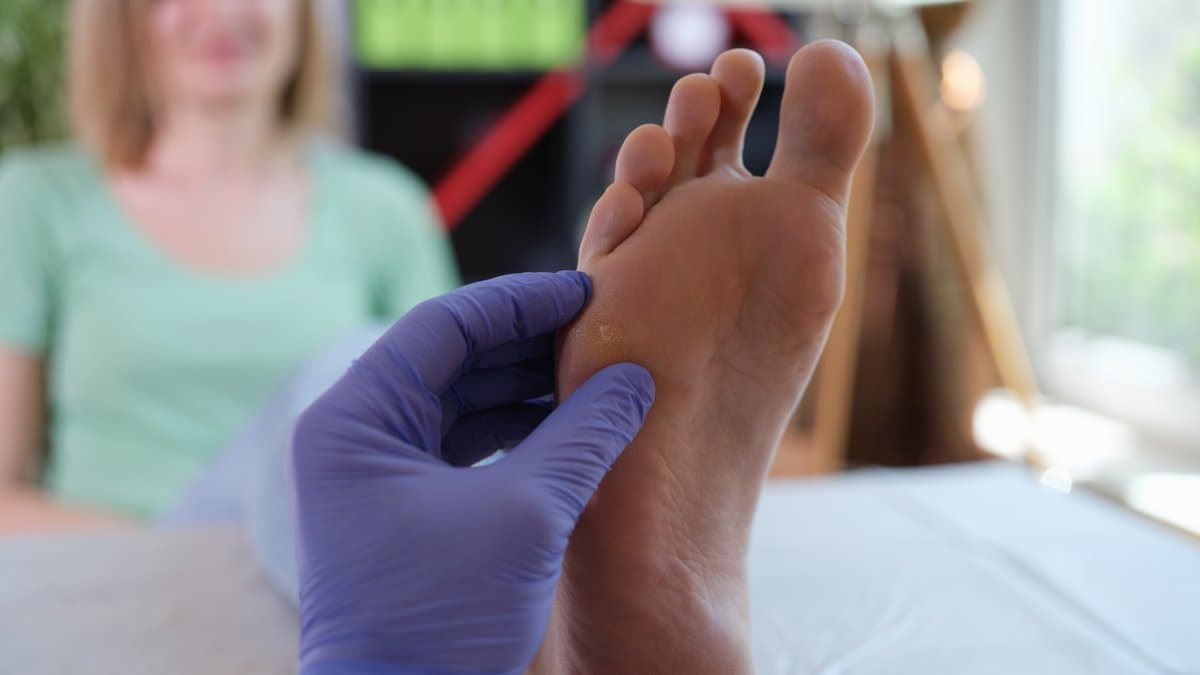
Tinea pedis, commonly known as athlete's foot, is a fungal infection that affects the skin of the feet. It is one of the most prevalent fungal infections in the world, estimated to affect up to 15 to 25 percent of the population at any given time. The infection is caused by dermatophyte fungi, the same group of organisms responsible for ringworm and jock itch. Despite its name, athlete's foot is not limited to athletes.
Types of Athlete's Foot
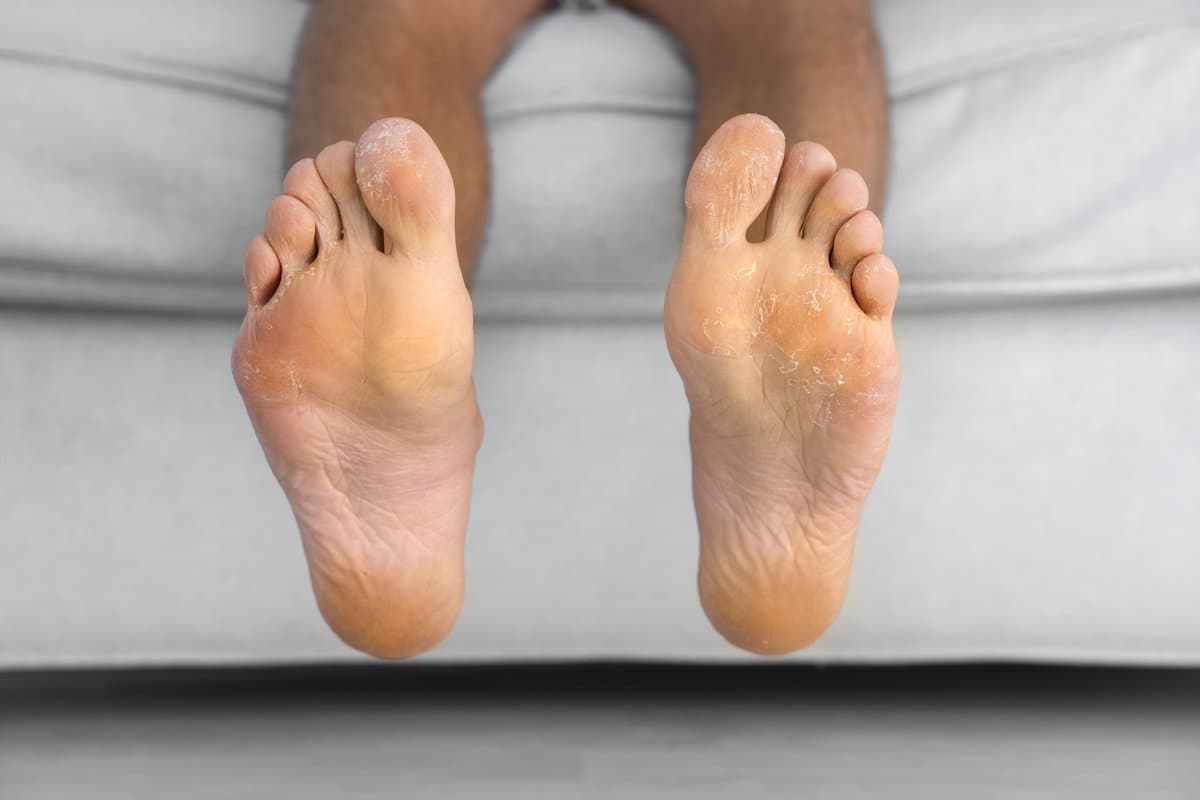
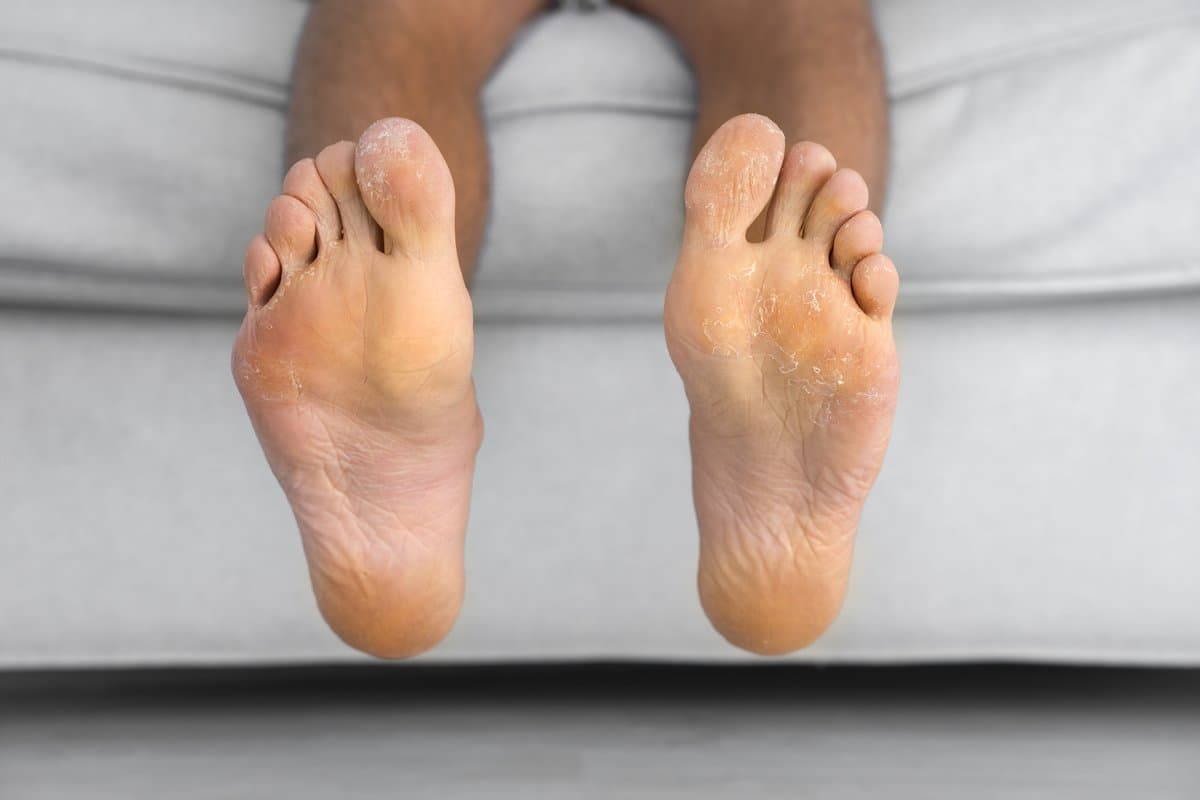
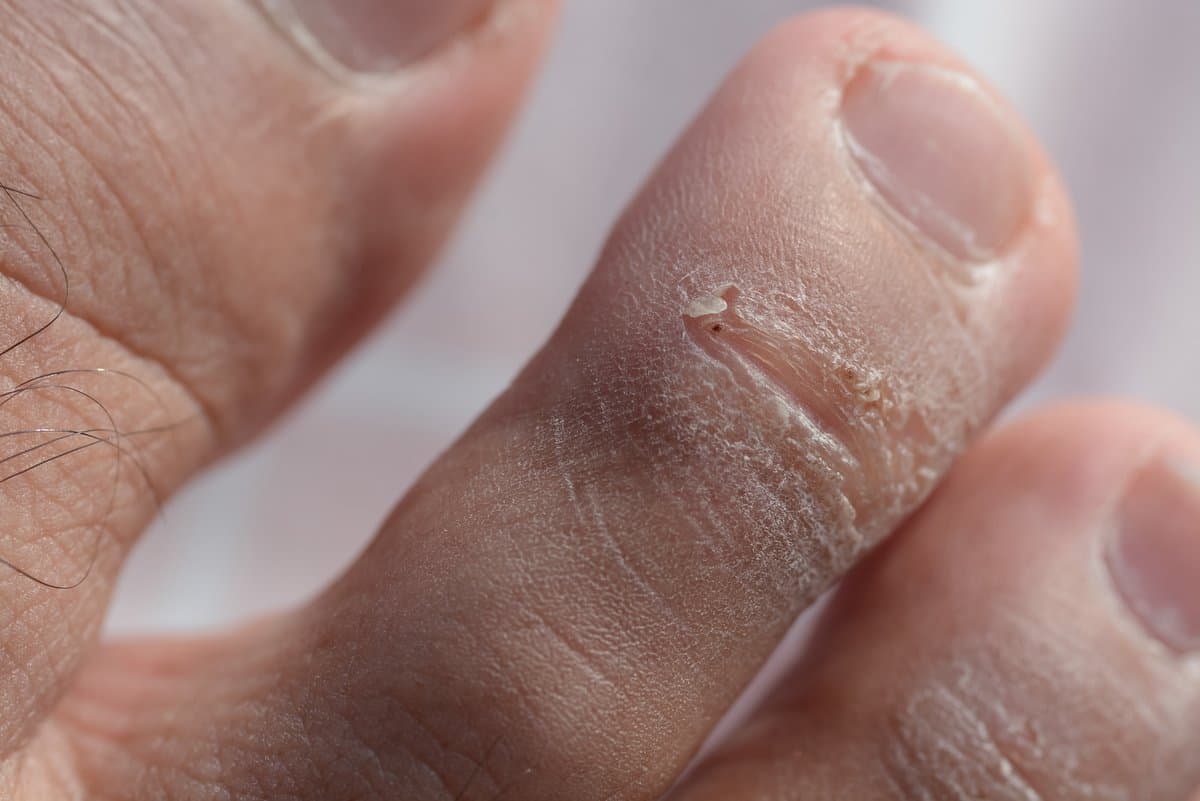
Tinea pedis presents in three main clinical forms. The interdigital type is the most common, affecting the spaces between the toes and causing peeling, maceration, and itching. The moccasin type produces a chronic, dry, scaly rash across the sole and sides of the foot, and can cause the skin to thicken and crack over time. The vesicular type is the least common and is characterized by sudden outbreaks of fluid-filled blisters, usually on the sole of the foot.
Causes and How It Spreads
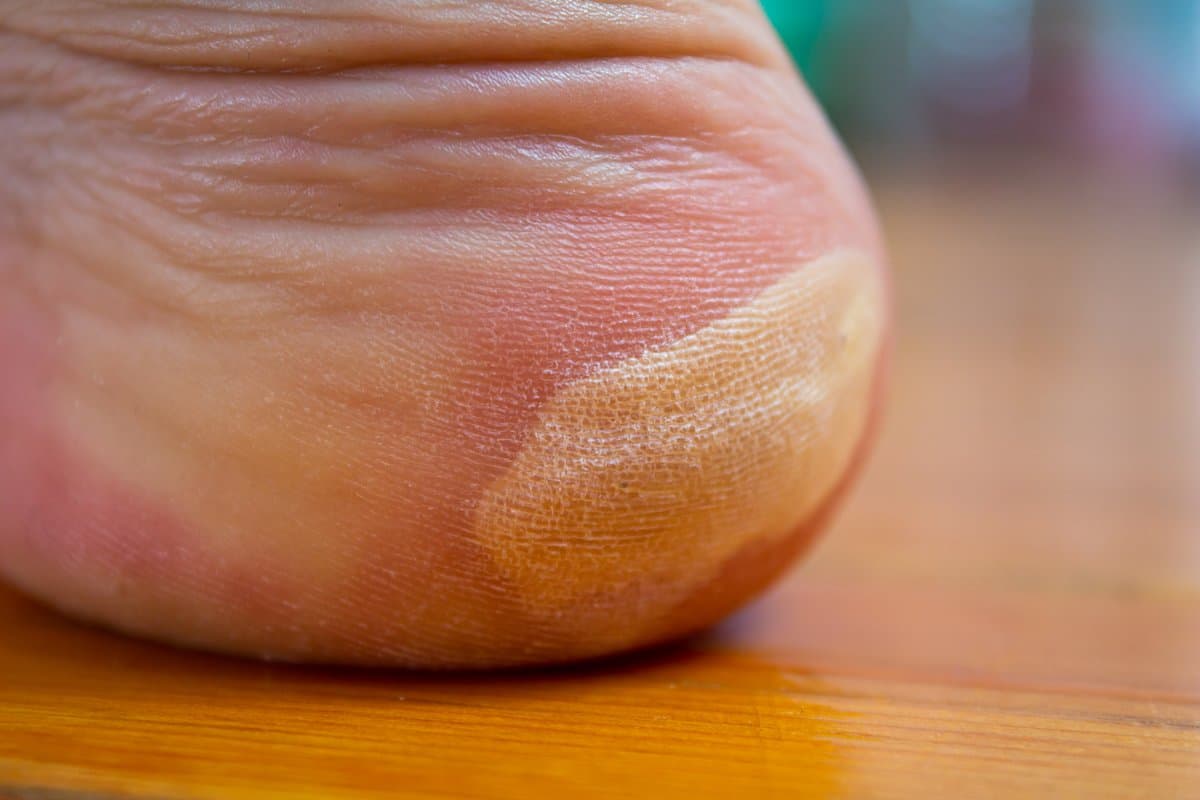
Athlete's foot is caused by dermatophyte fungi, most commonly Trichophyton rubrum and Trichophyton interdigitale. These fungi thrive in warm, moist environments and feed on keratin in the outer layer of skin. The infection is spread through direct contact with an infected person's skin or indirectly through contaminated surfaces such as shower floors, pool decks, locker room floors, and shared towels or footwear.

Risk Factors
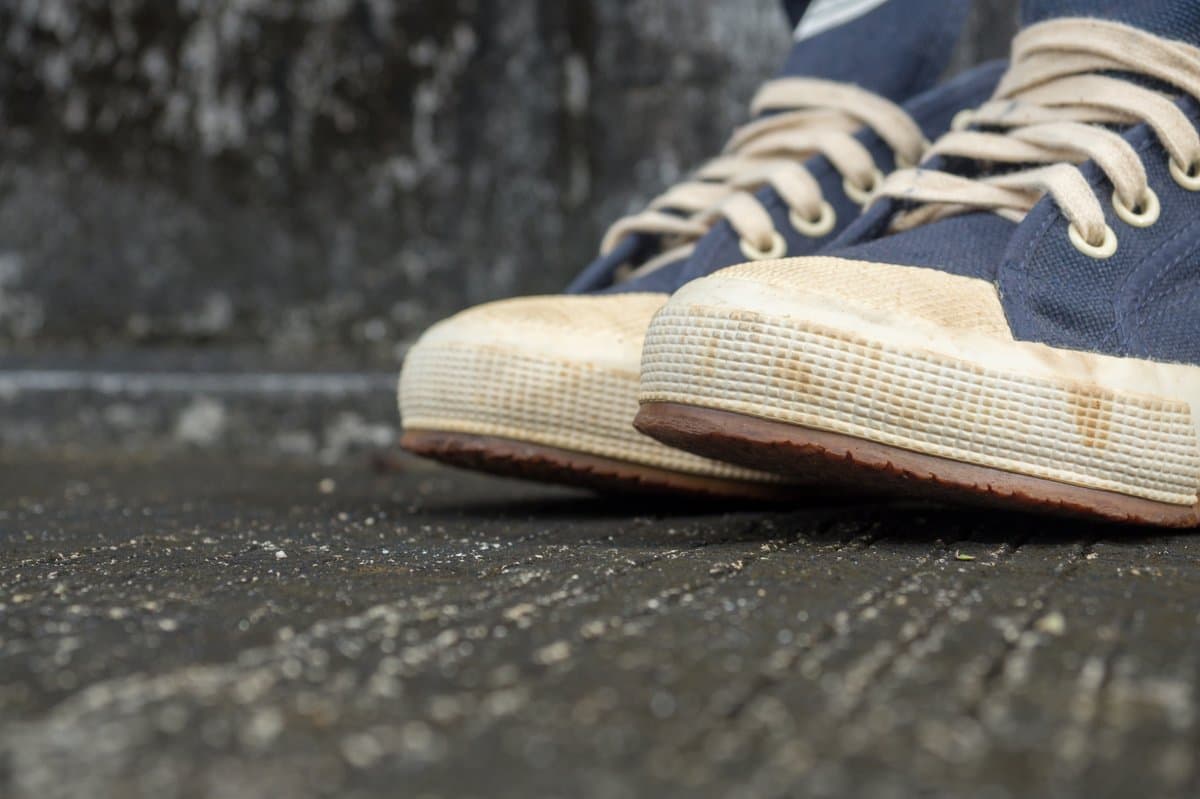
Several factors increase the likelihood of developing tinea pedis. Wearing tight, enclosed shoes that trap moisture creates an ideal environment for fungal growth. People who sweat heavily from their feet are at greater risk.
Frequent use of communal showers, swimming pools, and gym locker rooms increases exposure. A weakened immune system, diabetes, and peripheral vascular disease also raise susceptibility.
Treatment Options
Most cases of athlete's foot can be treated effectively with over-the-counter topical antifungal medications. Products containing terbinafine, clotrimazole, miconazole, or butenafine are applied to the affected area once or twice daily for two to four weeks. For the moccasin type or cases that do not respond to topical treatment, oral antifungal medications may be prescribed. It is important to continue treatment for the full recommended duration even after symptoms improve.!!
Prevention and Foot Hygiene
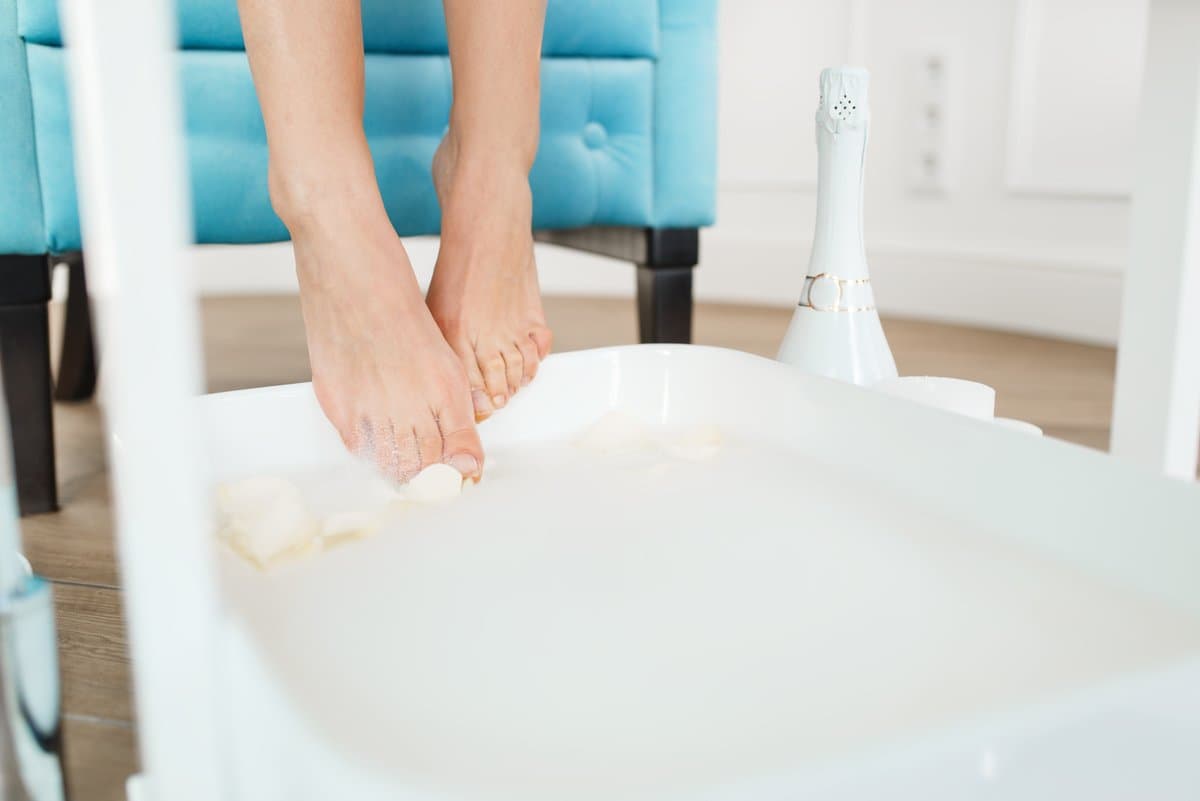
Good foot hygiene is the cornerstone of preventing athlete's foot. Wash your feet daily with soap and water and dry them thoroughly, paying special attention to the spaces between the toes. Wear moisture-wicking socks and change them at least once daily.
Choose breathable shoes and alternate between pairs to allow each one to dry out fully. Wear sandals or shower shoes in communal showers, locker rooms, and pool areas.
When to Seek Medical Advice and Skin Monitoring
You should see a doctor if your symptoms do not improve after two to four weeks of over-the-counter treatment, if the infection spreads, or if you notice signs of a bacterial infection. People with diabetes or compromised immune systems should seek medical attention at the first sign of a foot infection.!! Skinscanner can help you monitor skin conditions on your feet by analyzing images with AI, assisting you in tracking whether a rash is improving with treatment.