

Какво всъщност е гъбичен акне
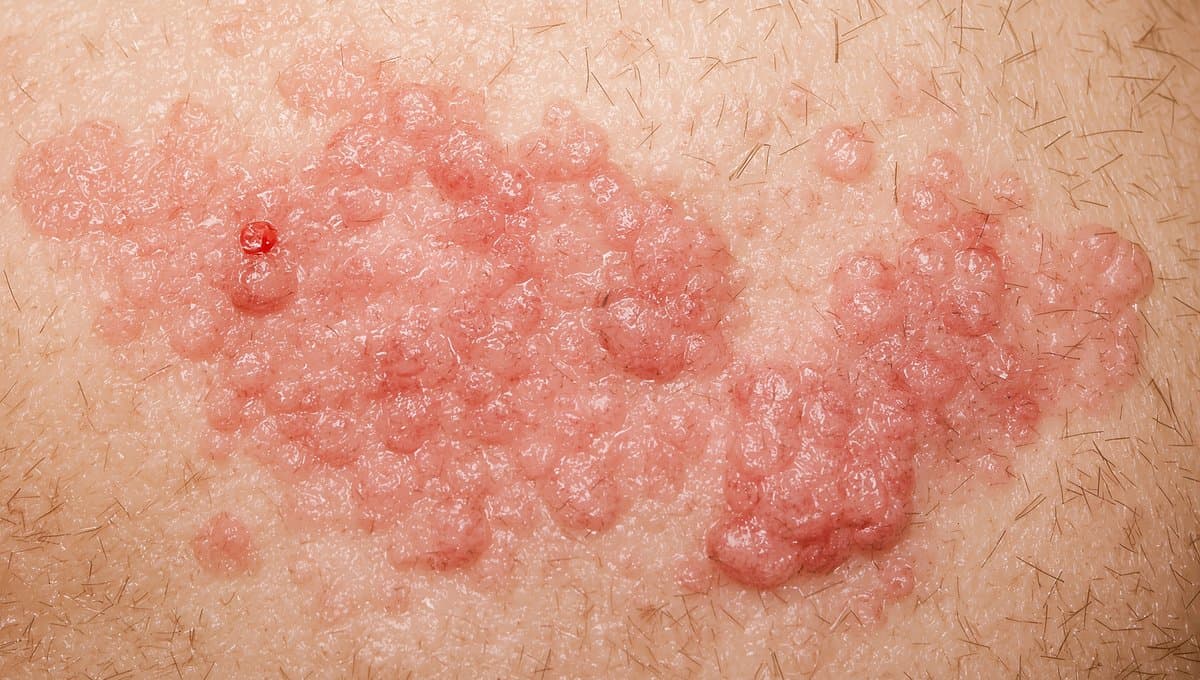
Гъбичният акне е едно от най-често неправилно диагностицираните кожни състояния, а самото име е подвеждащо, тъй като всъщност не е акне. Медицинското му наименование е Malassezia folliculitis, преди наричано pityrosporum folliculitis, и представлява инфекция на космените фоликули, причинена от прекомерен растеж на дрожди Malassezia, гъбичка, която естествено живее на кожата на всеки. Когато условията благоприятстват размножаването на дрождите, като прекомерно изпотяване, влажност, облекло, което запушва, или употреба на антибиотици, които нарушават микробния баланс на кожата, популацията на Malassezia експлодира и възпалява фоликулите.
Гъбичният акне обикновено се проявява като равномерни, малки, сърбящи б bumps, обикновено с размер от един до два милиметра, струпани на челото, гърдите, горната част на гърба и раменете. Основната отличителна черта от обикновения акне е равномерността: всички б bumps са приблизително с еднакъв размер и форма, докато обикновеният акне произвежда смес от различни типове лезии, включително черни точки, бели точки, папули, пустули и понякога кисти с различни размери. Друга критична разлика е сърбежът.
Гъбичният акне е характерно сърбящ, понякога интензивно, докато обикновеният акне обикновено е болезнен или чувствителен на допир, а не сърбящ, което прави този симптом един от най-надеждните начини да се различат двете състояния.!! Гъбичният акне не реагира на традиционните лечения за акне като бензоил пероксид, ретиноиди или антибиотици. Всъщност, оралните антибиотици могат да влошат гъбичния акне, тъй като убиват бактериите, които конкурират с дрождите Malassezia, позволявайки на гъбичната популация да расте още повече без контрол. Затова много хора с недиагностициран гъбичен акне установяват, че състоянието им се влошава след започване на антибиотично лечение за акне.
Как да лекуваш гъбичен акне правилно
След като заподозреш гъбичен акне, подходът за лечение е коренно различен от управлението на обикновен акне. Най-достъпното първоначално лечение е противогъбичен продукт без рецепта. Шампоан с кетоконазол с концентрация два процента може да се използва като душ гел или за измиване на лице: нанеси на засегнатата област, остави за три до пет минути, след това изплакни.
Използвай това ежедневно в продължение на две до четири седмици, след това две до три пъти седмично за поддържане. Душ гелове с пиритион цинк работят по подобен начин, контролирайки растежа на Malassezia. Топични противогъбични кремове, съдържащи клотримазол, еконазол или миконазол, нанесени два пъти дневно на засегнатите области, осигуряват целенасочено лечение.
За тежки или устойчиви случаи, дерматолозите могат да предписват орални противогъбични медикаменти като флуконазол или итраконазол за кратък курс. Освен противогъбичното лечение, коригирането на твоите навици за грижа за кожата и начин на живот е също толкова важно за предотвратяване на рецидив. Дрожди Malassezia се хранят с определени масла и мастни киселини, които обикновено се срещат в продуктите за грижа за кожата.
Преминаването към продукти, безопасни за Malassezia, които избягват съставки като мастни киселини, естери, полисорбати и определени масла, може да бъде трансформативно, а проверката на списъците със съставки срещу безплатни онлайн бази данни за безопасни за Malassezia продукти помага да се идентифицират продукти, които няма да хранят дрождите.!! Носи дишащи, влагоотводящи тъкани по време на упражнения и бързо се преобличай след изпотяване. Душирай се възможно най-скоро след интензивно изпотяване.
Избягвай тежки, запушващи кремове и масла на области, предразположени към гъбичен акне. Обикновеният акне, от друга страна, е бактериално и възпалително състояние, лекувано с съставки като салицилова киселина, бензоил пероксид, ретиноиди и понякога орални антибиотици. Ако не си сигурен/а дали имаш гъбичен акне или обикновен акне, дерматологът обикновено може да каже с визуален преглед и може да потвърди с прост кожен скрап, изследван под микроскоп.
