
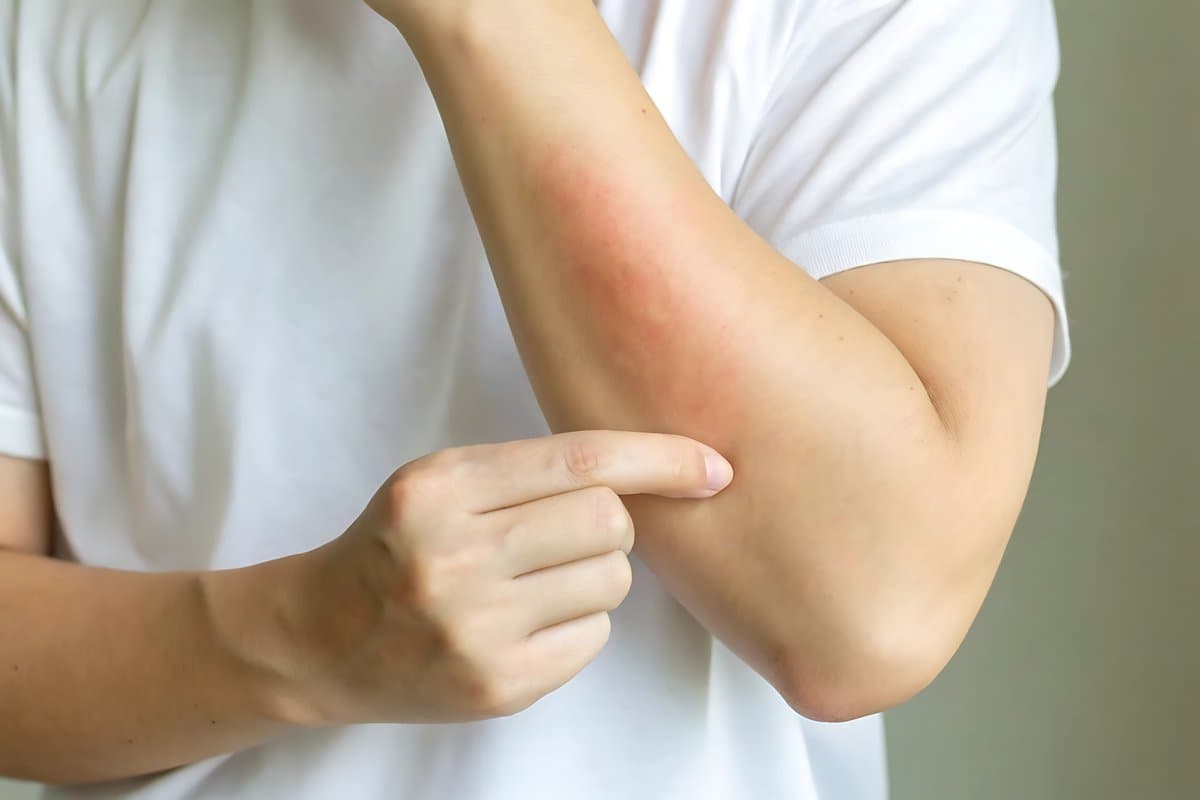
When Your Rash Refuses to Stay Gone
It cleared up. You thought it was over. Then, days or weeks later, there it is again—that same itchy, inflamed patch of skin that makes you want to scratch until you bleed.
Recurring rashes are one of the most frustrating skin problems because they create a cycle of hope and disappointment. You try a cream, it works temporarily, then the rash returns exactly where it was before. Or it appears somewhere new, making you wonder if it's even the same problem.
The itching disrupts your sleep, your concentration, and your confidence. You've probably already googled this more times than you'd like to admit, landing on everything from harmless dry skin to terrifying autoimmune diseases. The truth is somewhere in between, and understanding why your rash keeps coming back is the first step toward breaking the cycle permanently.
Worried? Get a free AI skin check in under 30 seconds to identify patterns that might explain what you're dealing with. Recurring rashes are rarely random—they're usually your body's consistent response to a specific trigger or an underlying condition that hasn't been properly addressed.
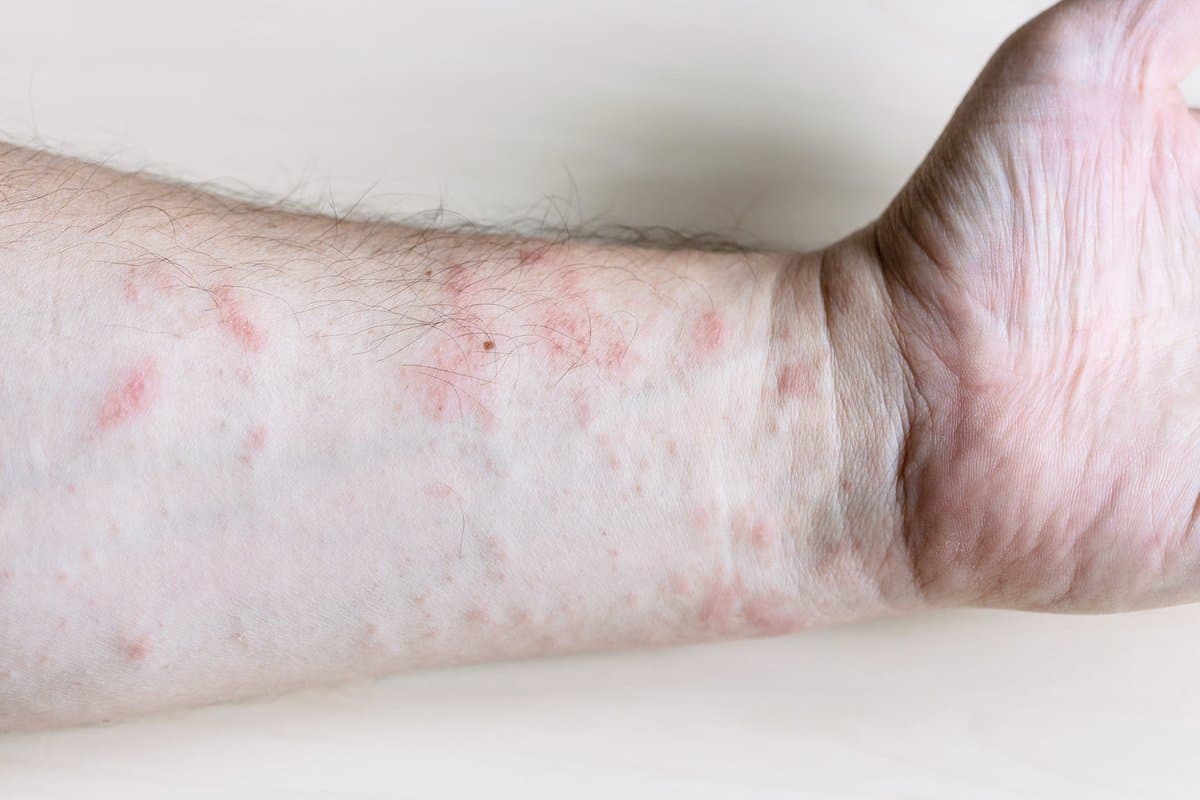
The Most Common Culprits Behind Recurring Rashes
Contact dermatitis tops the list—your skin's allergic or irritant reaction to something you're repeatedly exposed to. This could be a fragrance in your soap, nickel in your jewelry, preservatives in your lotion, or even the detergent you wash your clothes with. Eczema (atopic dermatitis) is notorious for cycling through flare-ups and remissions, often triggered by stress, weather changes, or allergens.
Psoriasis creates thick, scaly patches that can improve and worsen in response to infections, stress, or certain medications. Seborrheic dermatitis causes red, flaky rashes especially on the scalp and face, worsening during dry weather or times of stress. Fungal infections like ringworm or yeast-based rashes will return if treatment wasn't thorough or if you're re-exposed to the source.
Hives (urticaria) can be chronic, recurring in response to foods, medications, temperature changes, or sometimes no identifiable trigger at all. Less commonly, recurring rashes might signal conditions like lupus, dermatomyositis, or cutaneous T-cell lymphoma. Upload a photo now and know within minutes whether your rash matches common patterns that dermatologists recognize—because identifying the type of rash is crucial to stopping its return.

The Trigger Hunt: Why Your Rash Comes Back
If your rash keeps recurring, there's almost always a trigger—something that provokes your skin's inflammatory response repeatedly. For contact dermatitis, this might be obvious once you think about it: the rash appears on your wrist where your watch sits, on your neck where your necklace rests, or on your hands after using a particular cleaning product. Sometimes triggers are maddeningly subtle—a new ingredient in a reformulated product you've used for years, or a cross-contamination issue where allergens transfer from one surface to another.
For eczema, triggers include dry air, harsh soaps, certain fabrics, sweating, stress, and foods in some cases. Psoriasis flares can be triggered by strep throat, skin injuries, stress, or starting or stopping certain medications. Heat, sweat, and friction trigger some rashes, which is why they appear in folds of skin or after exercise.
Identifying your specific trigger often requires detective work: keeping a symptom diary, doing elimination trials with products, or undergoing patch testing with an allergist or dermatologist. Your phone camera could save your skin—literally. Photographing your rash each time it appears can reveal patterns you might not otherwise notice—does it always happen after wearing certain clothes, eating specific foods, or during particular seasons?

Why Over-the-Counter Treatments Keep Failing You
You've tried every cream at the pharmacy. Some provide temporary relief, but nothing actually stops the rash from returning. Here's why: most over-the-counter treatments address symptoms, not causes.
Hydrocortisone cream reduces inflammation temporarily but doesn't remove the allergen or irritant causing it. Antihistamines can quiet the itch but won't fix the underlying immune response. Moisturizers help with dryness but won't cure eczema or psoriasis.
Antifungal creams work only if your rash is actually fungal—using them on eczema or psoriasis won't help and might worsen irritation. Many people also don't use treatments long enough or correctly. Fungal infections, for example, require weeks of consistent treatment even after visible symptoms disappear, because stopping too soon allows the infection to rebound.
Another common mistake is using too strong a treatment for too long. Overusing topical steroids can cause skin thinning, rebound inflammation, and dependence—where stopping the steroid triggers a worse flare. One photo.
One minute. Peace of mind. AI-powered analysis can help identify whether your rash type typically responds to OTC treatment or whether you're wasting time and money on approaches that will never work for your specific condition.

When a Recurring Rash Signals Something Serious
While most recurring rashes are benign if annoying, certain patterns warrant immediate medical evaluation. A rash accompanied by fever, joint pain, or fatigue could indicate a systemic condition like lupus or vasculitis. Rashes that blister severely or affect mucous membranes (mouth, eyes, genitals) might signal serious conditions like Stevens-Johnson syndrome.
Rapidly spreading rashes or those associated with difficulty breathing could be severe allergic reactions. A rash that's unresponsive to standard treatments after several weeks might require biopsy to rule out cutaneous lymphoma or other uncommon conditions. Recurring rashes in sun-exposed areas that are particularly photosensitive might indicate lupus or polymorphous light eruption.
' Stop guessing. Start scanning. The line between 'annoying but harmless' and 'needs investigation' isn't always obvious, which is why professional evaluation or AI-assisted assessment can provide valuable guidance about whether your recurring rash falls within expected patterns or shows features that deserve urgent attention.

Breaking the Cycle: Treatment That Actually Works
Successfully treating a recurring rash requires a two-pronged approach: managing the symptoms when they appear AND identifying and eliminating the trigger. For contact dermatitis, this means definitively identifying the allergen through patch testing and avoiding it completely—not just when you have a rash, but always. For eczema, comprehensive management includes regular moisturizing (even when skin looks clear), identifying and avoiding triggers, using prescribed topical medications during flares, and sometimes taking oral medications or biologics for severe cases.!!
Psoriasis often requires long-term management with topical treatments, phototherapy, or systemic medications that address the underlying immune dysfunction. Fungal infections need complete treatment courses—usually 2-4 weeks beyond when symptoms disappear—and addressing predisposing factors like moisture and poor air circulation. Chronic hives might require daily antihistamines for months, even when no rash is visible, to prevent recurrence.
Lifestyle modifications often play a crucial role: stress management for conditions triggered by anxiety, dietary changes for food-related triggers, wardrobe adjustments for friction or allergic contact issues. Most people wait too long. Don't be most people. The longer a recurring rash persists without proper treatment, the more it can affect your skin's barrier function, making it more susceptible to future flares and infections.

The Hidden Cost of Living with Chronic Itch
Chronic itch from recurring rashes isn't just uncomfortable—it's exhausting and psychologically damaging. Research shows that people with chronic pruritic (itchy) conditions experience rates of anxiety and depression comparable to people with chronic pain conditions. Sleep disruption from nighttime itching leads to daytime fatigue, impaired cognitive function, and decreased productivity.
The visible nature of many rashes causes social anxiety and avoidance, with people skipping social events, covering up despite heat, or feeling self-conscious about others noticing them scratching. There's also the scratch-itch cycle: scratching provides momentary relief but damages skin, leading to more inflammation and more itching. Over time, chronic scratching can cause lichenification—thickened, leathery skin that's even more prone to itching.
The financial burden adds up too: dermatology visits, prescription medications, special soaps and detergents, clothing modifications, and lost work time. Some people with chronic rashes report that the condition affects their intimate relationships and overall quality of life as significantly as major medical illnesses. Upload a photo now and take the first step toward ending this cycle. You deserve better than learning to 'live with it'—you deserve answers and effective treatment.

How AI Analysis Helps You Get Ahead of the Next Flare
Modern technology offers something previous generations never had: the ability to track, analyze, and predict skin conditions with your smartphone. AI-powered skin analysis can identify your rash type by comparing visual features to thousands of confirmed diagnoses—distinguishing between eczema, psoriasis, contact dermatitis, fungal infections, and other common causes of recurring rashes. This identification is crucial because different rash types require completely different treatment approaches, and using the wrong treatment can waste months while making the problem worse.
Beyond single-time assessment, AI tracking allows you to photograph your skin regularly, creating a visual timeline that reveals patterns you might not otherwise notice. Does your rash worsen every February? After eating certain foods?
Following stressful events? These patterns guide trigger identification and avoidance strategies. AI can also assess treatment response—comparing images from before and during treatment to objectively measure whether your approach is working or whether you need to try something different.
For healthcare systems, AI pre-screening helps patients arrive at dermatology appointments with valuable information already documented, making consultations more efficient and treatment more targeted. Stop guessing. Start scanning.
Your recurring rash is trying to tell you something about your health, your environment, or your habits. Listen with technology that was built specifically to decode those messages and guide you toward finally breaking free from the itch-flare-clear-repeat cycle that's stolen too much of your peace already.