

Red Flags That Should Not Wait
While most skin changes are harmless, certain warning signs should prompt a dermatology appointment within days rather than weeks. Recognizing these red flags can make the difference between catching a problem early and allowing it to progress to a stage that is more difficult to treat. A sore that does not heal within three to four weeks is one of the most important warning signs.
Non-healing wounds can be a sign of basal cell carcinoma, squamous cell carcinoma, or other conditions that require professional evaluation. If a spot bleeds, scabs over, appears to heal, and then reopens repeatedly, this cycle of incomplete healing is particularly concerning and should not be dismissed as a minor irritation. Rapid changes in any existing mole deserve urgent attention.
Use the ABCDE rule for skin monitoring to evaluate suspicious moles. A mole that doubles in size over weeks, develops dramatically different coloring, or suddenly becomes raised after being flat for years is behaving in a way that needs professional assessment. Rapid growth of a skin lesion over a period of weeks is one of the most important clinical red flags and should prompt an expedited dermatology referral rather than a routine scheduled appointment.!!
A dark streak appearing under a fingernail or toenail that is not explained by recent trauma can indicate subungual melanoma. This is particularly important in adults over 50 and in any person who notices the pigmentation spreading from the nail onto the surrounding skin fold. New pigmented lesions appearing on the palms, soles, or mucous membranes in adults also warrant prompt evaluation.
Persistent itching, pain, or tenderness localized to a specific skin lesion, especially when that lesion shows other changes, adds urgency. While many benign conditions can itch, a mole that has never been symptomatic and suddenly develops persistent symptoms is telling you something has changed at the cellular level.

Routine Screening Recommendations by Risk Level
Not everyone needs to see a dermatologist at the same frequency. Screening recommendations vary based on individual risk factors, and understanding your personal risk level helps you schedule appropriately. Average-risk individuals with no personal or family history of skin cancer, fewer than 50 moles, and no history of severe sunburns should have a baseline full-body skin exam by a dermatologist starting in early adulthood.
After that, annual skin checks are generally recommended, though your dermatologist may adjust this interval based on their clinical findings and your specific situation. Higher-risk individuals benefit from more frequent professional monitoring. This group includes anyone with a personal history of melanoma or other skin cancer, a first-degree relative with melanoma, more than 50 common moles or any atypical moles, a history of blistering sunburns particularly before age 18, fair skin that burns easily, a history of tanning bed use, or chronic immunosuppression from medication or medical conditions.
For those in the higher-risk category, dermatologists typically recommend skin exams every three to six months, particularly in the first few years after a melanoma diagnosis. Some high-risk patients benefit from total body photography, where a professional photographer documents their entire skin surface to create a comprehensive baseline that aids in detecting new or changing lesions at subsequent visits. People with darker skin tones sometimes underestimate their skin cancer risk and forgo screening.
While melanoma is less common in people with more melanin, it tends to be diagnosed at later stages in these populations, partly due to reduced screening. Skin cancer can affect people of all skin tones, and acral melanoma, which occurs on palms, soles, and under nails, occurs at similar rates across all racial groups.!! Everyone benefits from knowing their skin and having access to professional evaluation when changes occur.
What Happens During a Dermatology Appointment
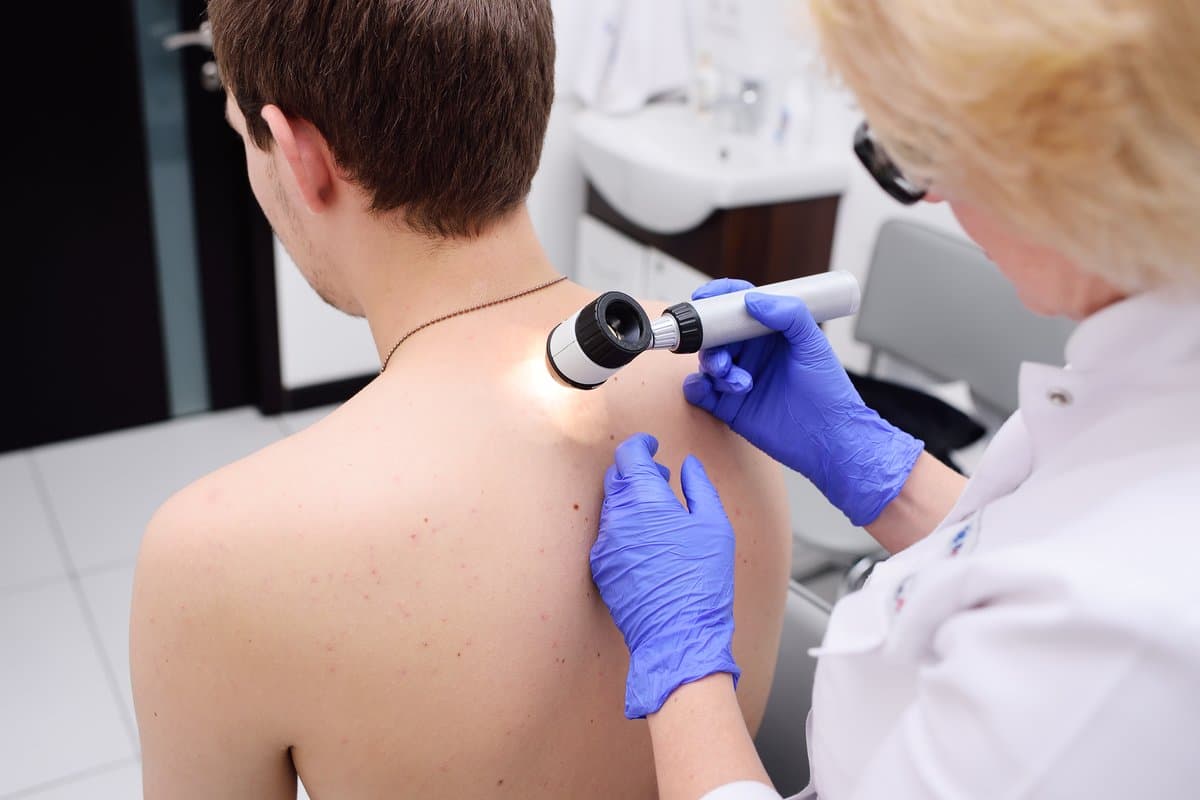
Knowing what to expect during a dermatology visit reduces anxiety and helps you prepare. A full-body skin exam is straightforward, typically lasting 10 to 15 minutes for the examination itself, though your entire appointment including discussion may take 20 to 30 minutes. You will be asked to change into a gown so the dermatologist can examine your entire skin surface.
The physician will systematically inspect your skin from scalp to soles using a bright examination light. They will often use a dermatoscope, a handheld magnifying device with polarized light that allows them to see structures beneath the skin surface that are invisible to the naked eye. Dermoscopy significantly improves diagnostic accuracy.
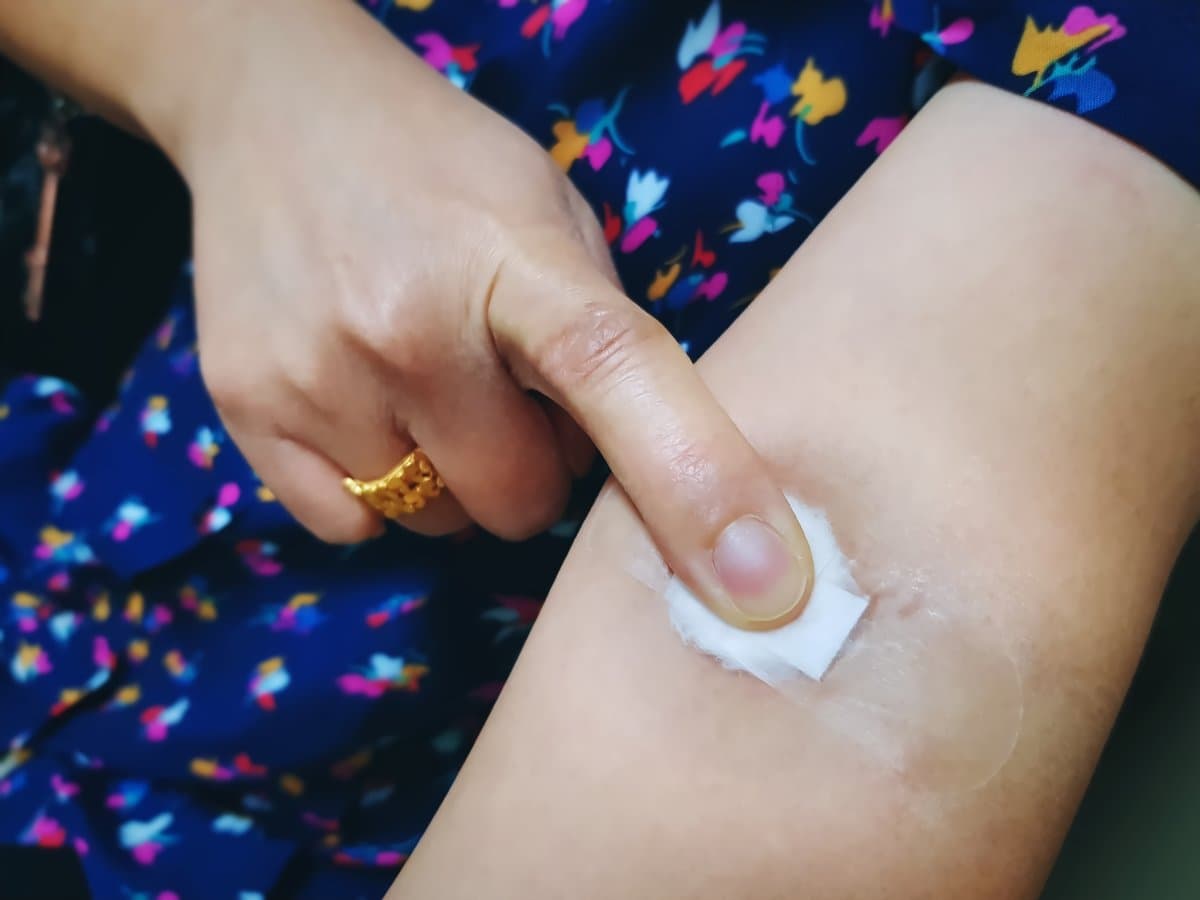
If the dermatologist identifies any lesions of concern, they may recommend one of several approaches. For mildly atypical lesions, they might photograph the area and schedule a follow-up visit in three months to monitor for change. For more concerning lesions, they may recommend a biopsy, which involves removing all or part of the lesion for microscopic examination by a pathologist.
A shave biopsy removes the top layers of a raised lesion using a small blade. A punch biopsy uses a circular tool to remove a small cylindrical sample of tissue including deeper layers. An excisional biopsy removes the entire lesion with a margin of surrounding normal skin.
Your dermatologist will explain which type is appropriate and why. Most biopsies are performed in the office under local anesthesia and take only a few minutes. Results from a biopsy typically take one to two weeks.
If the results are benign, you will continue with your regular monitoring schedule. If the biopsy reveals a precancerous or cancerous lesion, your dermatologist will discuss treatment options and next steps with you promptly.
Preparing for Your Dermatology Visit
Preparation can significantly improve the quality and efficiency of your dermatology appointment. A few simple steps before your visit help ensure that your dermatologist has the information they need to provide the best care. Remove all nail polish from your fingernails and toenails before your appointment.
Pigmented lesions under the nails cannot be evaluated through polish, and subungual melanoma is a diagnosis that relies on visual examination of the nail bed. Similarly, arrive without heavy makeup so your facial skin can be examined thoroughly. Bring your documentation if you have been tracking moles at home.
Comparison photographs showing a mole at different time points are extremely valuable to a dermatologist because they provide evidence of change over time that a single examination cannot reveal. Organize your photos chronologically and note which specific lesion or change prompted your visit. Prepare a list of your specific concerns before the appointment.
Write down which spots have been bothering you, when you first noticed a change, and what the change looks like. Include any symptoms such as itching, bleeding, or tenderness. If you have multiple areas of concern, prioritize them in case time is limited.
Review your personal and family medical history as it relates to skin cancer. Know whether any blood relatives have been diagnosed with melanoma or other skin cancers. Note any medications you take, particularly immunosuppressants.
Mention your history with sun exposure, including sunburns, tanning bed use, and occupational or recreational outdoor exposure. Bring up any previous biopsies or removed skin lesions, including those done by other physicians, so your dermatologist has a complete picture of your dermatological history.

Beyond the Annual Check: Ongoing Vigilance
Professional dermatology visits are essential but represent only a few minutes of skin evaluation per year. The remaining time falls to you, making ongoing self-awareness between appointments a critical component of comprehensive skin health management. Maintain your monthly skin self-examination routine between professional visits.
Use each professional exam as an opportunity to validate and calibrate your self-monitoring skills. Ask your dermatologist to point out which of your moles they are watching and why, so you can focus your own monitoring efforts on the areas they consider most important. Do not wait for your next scheduled appointment if you notice a new concern.
Most dermatology practices have protocols for fitting in patients with urgent new skin findings between regularly scheduled visits. Call the office, describe the change you have noticed, and ask for the earliest available appointment. The staff can help triage your concern and determine appropriate scheduling urgency.
Understand that your risk profile can change over time. A new medication, a significant sunburn, changes in your immune status, or a new family diagnosis of melanoma may shift your risk category and warrant more frequent screening. Communicate any changes in your medical situation to your dermatologist so they can adjust your monitoring plan accordingly.
Keep a running list of questions between appointments. As you perform your monthly self-exams, jot down anything you want to ask your dermatologist at the next visit. This might include general questions about sun protection, specific questions about a particular mole's appearance, or inquiries about new screening technologies. Arriving with prepared questions ensures you make the most of your limited appointment time.