

Чому внутрішня частина стегна схильна до висипів
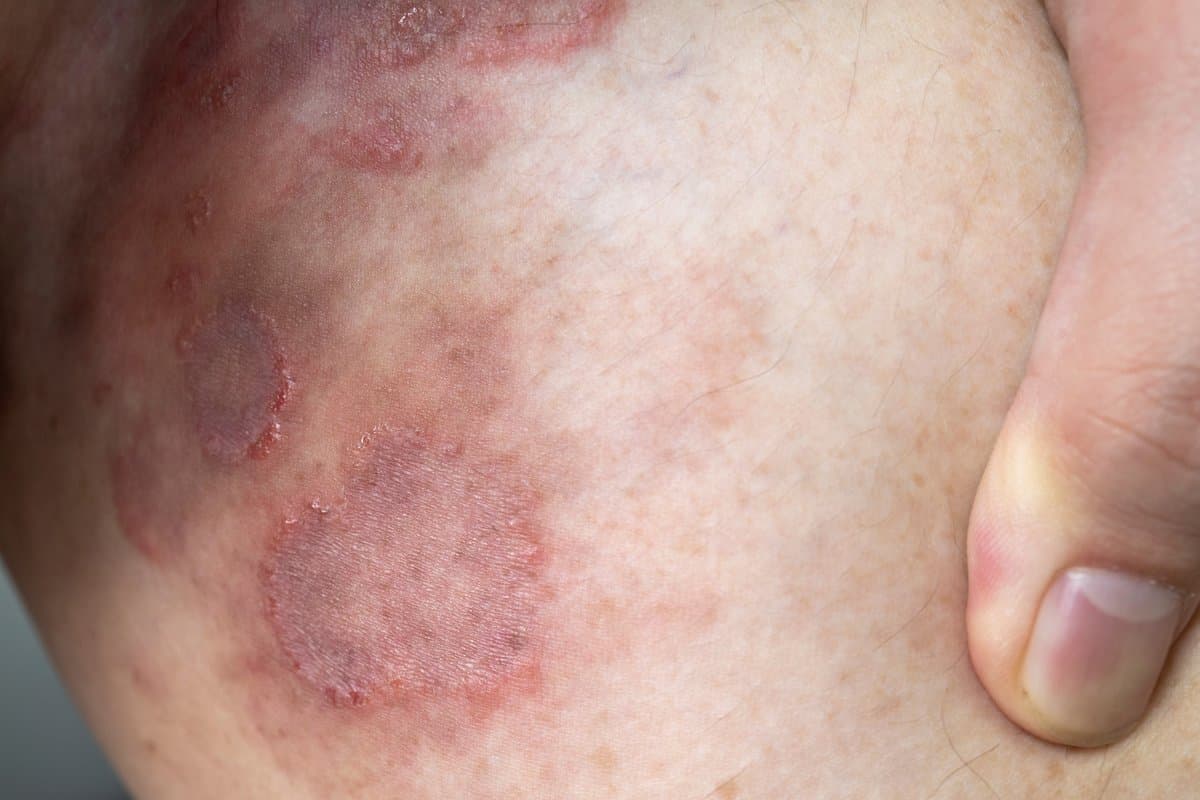
Внутрішня частина стегна є однією з найбільш схильних до висипів ділянок на тілі через ідеальне поєднання умов, які ставлять під загрозу здоров'я шкіри. Ця ділянка піддається постійному тертю під час ходьби та руху, утримує тепло і вологу від поту, має обмежену циркуляцію повітря та характеризується контактом шкіри зі шкірою, що створює ідеальне середовище для подразнення та мікробного зростання. Тертя, або інтертриго, є найпоширенішою причиною висипів на внутрішній частині стегна.
Повторне тертя між стегнами під час ходьби, бігу або їзди на велосипеді пошкоджує поверхню шкіри, викликаючи сирий, червоний, палючий висип, який може стати надзвичайно болючим. Тертя посилюється вологою від поту та теплом, тому висипи, пов'язані з тертям, найчастіше виникають влітку та у людей, які активно займаються спортом. Грибкова інфекція, медично відома як тінія крижів, викликана тими ж дерматофітними грибами, що і грибок стопи.
Вона викликає червоний, кільцеподібний висип з піднятими, лускатими краями, який зазвичай починається в складці паху і поширюється на внутрішню частину стегна. Висип є інтенсивно сверблячим і процвітає в теплій, вологій обстановці внутрішньої частини стегна. Важливо розрізняти тертя та грибкову інфекцію, оскільки тертя реагує на бар'єрний захист і контроль вологості, тоді як грибкова інфекція вимагає протигрибкових препаратів і погіршиться або пошириться без належного лікування.!!
Контактний дерматит від залишків прального порошку в нижній білизні, кондиціонерів для тканин або гелів для душу також може вражати цю ділянку. Екзема та інверсний псоріаз, які специфічно вражають складки шкіри, є додатковими причинами постійних висипів на внутрішній частині стегна.
Лікування, профілактика та коли звертатися за допомогою
Ефективне лікування висипу на внутрішній частині стегна починається з визначення, чи є причиною тертя, грибкова інфекція або інше захворювання. Для тертя першочерговим завданням є зменшення тертя та дозволення пошкодженій шкірі загоїтися. Нанесіть бар'єрний продукт, такий як вазелін, пасту з оксидом цинку або спеціалізований бальзам проти тертя перед фізичною активністю.
Носіть нижню білизну, що відводить вологу, або компресійні шорти, які зменшують контакт шкіри зі шкірою. Тримайте ділянку чистою та сухою, швидко змінюючи потертий одяг. Для активного тертя м'який крем з оксидом цинку заспокоює висип і захищає від подальшого подразнення.
Для грибкової інфекції нанесіть безрецептурний протигрибковий крем, що містить клотримазол, міконазол або тербінафін, на уражену ділянку двічі на день протягом щонайменше двох-четирьох тижнів. Продовжуйте лікування ще на тиждень після того, як висип візуально зникне, щоб усунути залишкові гриби та запобігти рецидиву. Тримайте ділянку сухою, змінюйте нижню білизну щодня та уникайте спільного використання рушників.
Якщо у вас також є грибок стопи, лікуйте обидва одночасно, щоб запобігти поширенню грибка між ділянками. Профілактика є основою управління висипами на внутрішній частині стегна: носіння дихаючих тканин, нанесення продуктів проти тертя перед вправами, підтримка гарної гігієни, ретельне висушування області паху після купання та зміна вологого або потертого одягу якомога швидше значно знижують ймовірність рецидиву.!! Для екземи або інверсного псоріазу, що вражає внутрішні стегна, зазвичай потрібні рецептурні топічні препарати, оскільки безрецептурний гідрокортизон часто є занадто слабким для цих станів. Зверніться до лікаря, якщо висип погіршується незважаючи на лікування, якщо він поширюється, якщо є ознаки вторинної бактеріальної інфекції, такі як зростаючий біль, тепло або гній, або якщо висип триває більше двох тижнів без поліпшення.
