

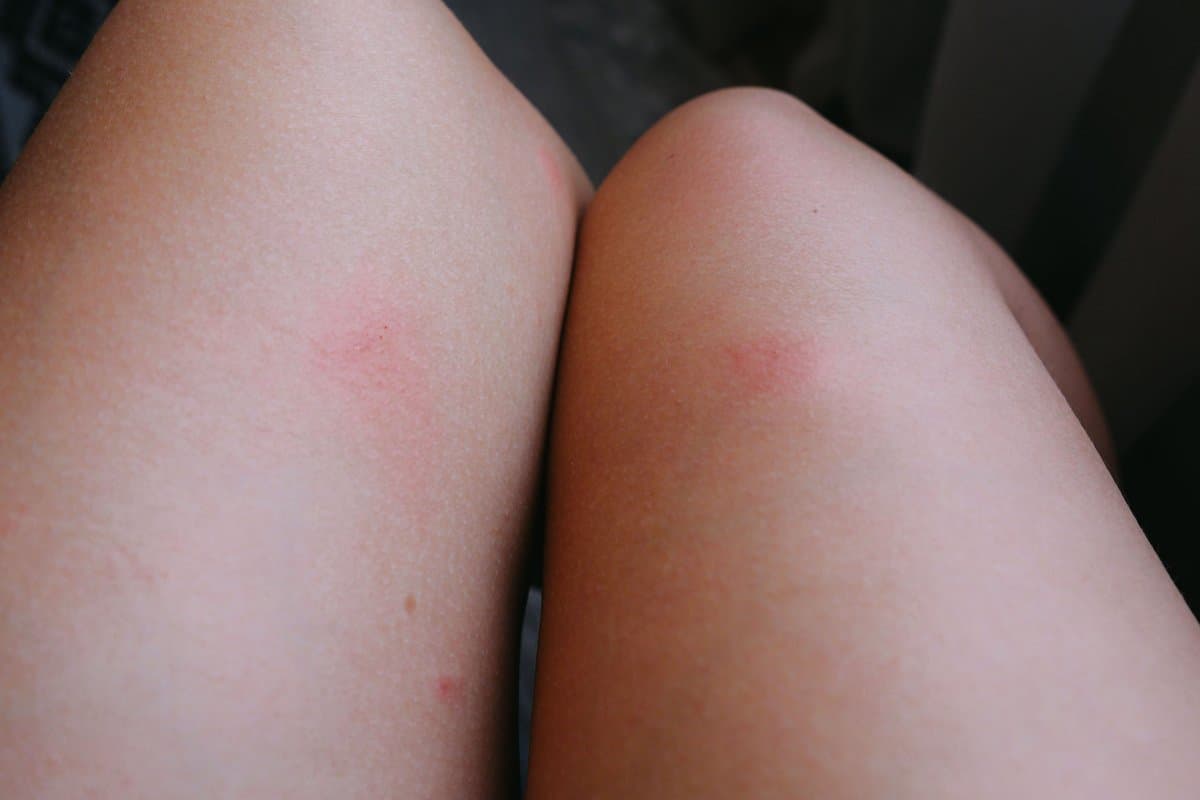
Si Duket Keratosis Pilaris dhe Pse Ndodh
Ato njolla të vogla dhe të ashpra në duar që ndihen si ngritje të përhershme kanë një emër: keratosis pilaris, shpesh e shkurtuar si KP. Kjo gjendje e zakonshme e lëkurës prek një përqindje të vlerësuar prej 40 deri në 50 përqind të të rriturve dhe deri në 80 përqind të adoleshentëve në mbarë botën, duke e bërë atë një nga gjendjet dermatologjike më të përhapura. Keratosis pilaris ndodh kur keratina, një proteinë e fortë që mbron lëkurën, grumbullohet dhe formon bllokime brenda folikujve të flokëve.
Këto bllokime keratine krijojnë njollat e vogla, të ashpra, ngjyrë lëkure ose pak të kuqe që zakonisht gjenden në pjesët e jashtme të duarve, megjithatë ato mund të shfaqen gjithashtu në kofshë, të pasme dhe faqe. Njollat zakonisht nuk janë të dhimbshme, por mund të ndihen të ashpra ose si letër sandpaper kur i prekni dhe mund të shoqërohen me kruajtje të lehtë, veçanërisht kur lëkura është e thatë. Kjo gjendje ka një komponent të fortë gjenetik dhe shpesh kalon nëpër familje.
Ajo është gjithashtu më e zakonshme tek njerëzit me gjendje të tjera të lëkurës së thatë si ekzema, astma ose feçka, një grup i njohur si triada atopike. Keratosis pilaris është plotësisht e padëmshme dhe nuk ka lidhje me ndonjë gjendje serioze shëndetësore, por shumë njerëz e gjejnë teksturën e ashpër dhe ngjyrën e rastësishme të kuqe shqetësuese nga ana estetike, veçanërisht gjatë muajve më të ngrohtë kur duar janë më të ekspozuara.!! Ndryshimet hormonale gjatë pubertetit dhe shtatzënisë mund të ndikojnë në ashpërsinë e saj, dhe shumë njerëz vërejnë se KP e tyre përmirësohet natyrshëm me kalimin e moshës, shpesh duke u zbehur ndjeshëm pas të tridhjetave. Mjediset e thata, moti i ftohtë dhe lagështia e ulët tendencojnë të përkeqësojnë gjendjen duke rritur grumbullimin e keratinës dhe duke reduktuar përmbajtjen natyrale të lagështisë së lëkurës.

Trajtimet Efektive për Një Lëkurë Më Të Zbutur
Ndërsa keratosis pilaris nuk mund të kurohet përherë, pasi tendenca themelore për të prodhuar keratin të tepruar është gjenetike, ajo mund të menaxhohet shumë efektivisht me kujdes të vazhdueshëm. Thelbi i trajtimit të KP është një kombinim i eksfolimit të butë për të hequr bllokimet e keratinës dhe hidratimit intensiv për të mbajtur lëkurën të butë dhe për të parandaluar formimin e bllokimeve të reja. Eksfoliantët kimikë janë shumë më efektivë dhe më pak irritues se scrubs fizikë për KP.
Kërkoni locione ose kremra për trup që përmbajnë acide alfa-hidroksilike si acidi laktik ose acidi glikolik në përqindje prej 10 deri në 15 përqind. Këto acide shpërbëjnë bllokimet e keratinës dhe promovojnë një rikthim më të butë të qelizave. Kremrat me bazë uree në përqindje prej 20 deri në 40 përqind janë një opsion tjetër shumë të shkëlqyer, pasi urea eksfolion dhe hidratohet thellësisht njëkohësisht.
Acidi salicilik, një acid beta-hidroksilik, depërton në folikul për të shpërbërë bllokimet e keratinës nga brenda dhe funksionon mirë për rastet më të ngulitura. Aplikoni produktin tuaj të zgjedhur eksfoliant në zonat e prekura një ose dy herë në ditë, idealisht pas një dushi kur lëkura është ende pak e lagur. Pasojeni me një hidratues të pasur, pa aromë për të siguruar lagështinë.
Rezultatet nga trajtimi i vazhdueshëm të KP zakonisht bëhen të dukshme brenda katër deri në gjashtë javësh, por njollat do të kthehen gradualisht nëse ndaloni trajtimin, kështu që ndërtimi i këtyre hapave në rutinën tuaj të përhershme të kujdesit për trupin është thelbësor për një butësi të qëndrueshme.!! Shmangni scrubs fizikë të ashpra, loofahs dhe fërkime agresive, pasi këto mund të irritojnë folikujt dhe të shkaktojnë inflamacion që e përkeqëson skuqjen. Në motin e ngrohtë dhe të lagësht, mund të vëreni përmirësim natyror pasi lagështia në ajër ndihmon në mbajtjen e lëkurës të hidratuar. Nëse trajtimet pa recetë ofrojnë përmirësim të pamjaftueshëm, një dermatolog mund të përshkruajë kremra më të fortë retinoidë ose eksfoliantë me përqindje më të lartë.
