Защо е важно месечното наблюдение на бенките
Повечето възрастни имат между 10 и 40 бенки, а огромното мнозинство остават напълно безвредни през целия живот. Въпреки това, промените в съществуващите бенки представляват значителна част от диагнозите на меланом, поради което редовното самообследване е една от най-ефективните стратегии за ранно откриване, достъпни за всички. Месечните проверки на бенките отнемат само 10 до 15 минути, след като установите рутина, но този прост навик може да ви помогне да уловите притеснителни промени в най-ранния и най-лечим етап.
Дерматолозите последователно препоръчват домашно наблюдение между професионалните кожни прегледи, тъй като вие сте човекът, който най-добре познава собствената си кожа. Целта на домашното наблюдение не е да диагностицирате нещо сами. По-скоро е да забележите промени, които изискват професионална оценка.
Изследванията показват, че пациентите, които извършват редовни самообследвания, откриват меланоми в по-тънки, по-лечими стадии в сравнение с тези, които са открити случайно.!! Мислете за себе си като за наблюдател и репортер, а не като за диагностик. Установяването на последователен график е по-важно от обсесивното проверяване.
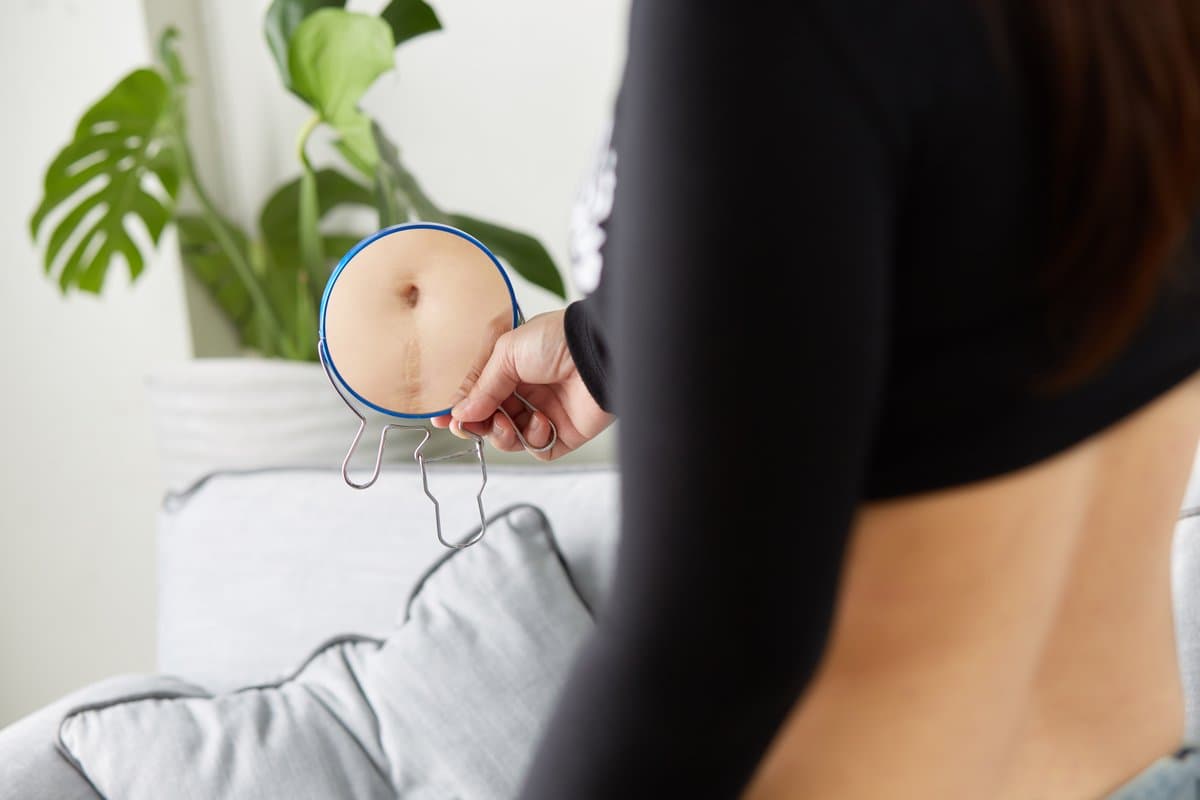
Изберете конкретен ден всеки месец, може би първата неделя или деня след получаване на повторно сметка, и го свържете с друга рутина, за да изградите навика. Последователността в времето ви помага да забележите постепенни промени, които иначе биха могли да избегнат вниманието. Вашата месечна проверка трябва да се извършва в добре осветена стая с огледало в цял ръст и ръчно огледало за труднодостъпни области.
Имате партньор, който да ви помага с области като гърба и скалпа, което значително подобрява задълбочеността на вашето изследване. Поддържайте средата и осветлението последователни всеки месец, така че очевидните промени да отразяват действителни промени в кожата, а не разлики в осветлението.
Методът ABCDE за оценка на бенките
ABCDE рамката ви предоставя структурирана система за оценка на всяка бенка по време на вашата месечна проверка. Докато нито един критерий не е окончателен, разбирането на тези пет характеристики ви помага да комуникирате ясно с дерматолог, ако нещо изглежда различно. Асиметрията се отнася до това дали едната половина на бенката отразява другата.
Начертайте въображаема линия през центъра на бенката в която и да е посока. Доброкачествените бенки обикновено са приблизително симетрични, докато притеснителните лезии често показват една половина, която изглежда ясно различна от другата по форма, цвят или височина. Нерегулярността на границата описва краищата на бенката.
Повечето нормални бенки имат гладки, добре дефинирани граници, които ясно разделят бенката от околната кожа. Граници, които изглеждат вълнообразни, с изрези, размити или които изглеждат, че избледняват в околната кожа без ясна граница, заслужават по-внимателно наблюдение. Вариацията в цвета в рамките на една бенка е друг сигнал, на който да се внимава.
Доброкачествените бенки обикновено са в един единствен нюанс на кафяво. Когато бенка съдържа множество цветове, включително различни нюанси на кафяво, черно, червено, бяло или синьо, тази хетерогенност изисква професионална оценка. Бенка, която преди е била с единен цвят и развива нови нюанси или петна с различен цвят, е особено важна да бъде оценена незабавно.!!
Диаметърът традиционно се отбелязва, когато бенка надвишава шест милиметра, приблизително размерът на гумичка за молив. Въпреки това, меланомите могат да бъдат по-малки от този праг, така че диаметърът сам по себе си никога не трябва да се използва, за да се отхвърли притеснението. Еволюцията, Е в ABCDE, се счита за най-важния критерий от много дерматолози. Всяка бенка, която променя размера, формата, цвета, височината или симптомите като сърбеж или кървене, заслужава внимание, независимо от това как се оценява по другите четири критерия.
Настройване на вашата система за карта на тялото
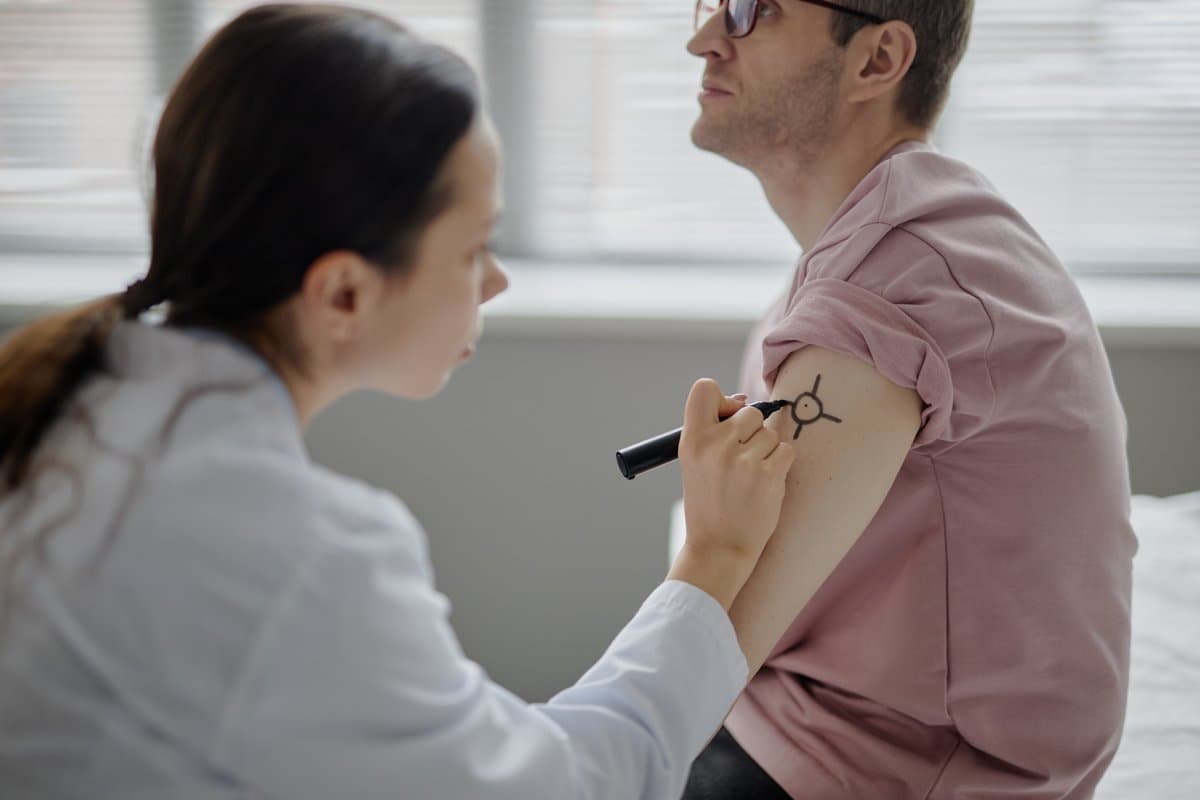
Картата на тялото е систематичен запис на вашите бенки и кожни маркировки, който служи като ваш личен базов стандарт. Без документация става трудно да се определи дали бенка наистина е променила или просто забелязвате нещо, което винаги е било там. Започнете, като получите или нарисувате прост контур на човешкото тяло от предната, задната и двете страни.
Можете да намерите шаблони за печат на карта на тялото онлайн от дерматологични организации. Маркирайте приблизителното местоположение на всяка бенка, купчинка лунички и забележителна кожна маркировка, която можете да идентифицирате. Номерирайте всяка, за да можете да се позовавате на тях последователно с времето.
За всяка номерирана точка запишете кратко описание, включващо приблизителен размер, цвят, форма и всякакви отличителни черти. Тази писмена документация допълва фотографиите и ви помага да формулирате промените ясно, ако трябва да се консултирате с лекар. Някои хора предпочитат цифрови таблици, докато други намират ръчно написаните бележки в специален тетрадка за по-практични.
Снимайте всяка номерирана бенка индивидуално, в допълнение към по-широките снимки на области на тялото. Поставете малка линия или монета до бенката за референтен размер. Направете снимката директно над бенката, а не под ъгъл, и се уверете, че осветлението е последователно всеки път, когато актуализирате документацията си.
Преглеждайте картата на тялото на всяка месечна проверка. Сравнявайте текущите видове с вашите базови фотографии и бележки. Когато забележите нещо различно, маркирайте го на картата с датата и описание на промяната.
Тази хронологична документация става безценна по време на дерматологични прегледи, тъй като предоставя обективни доказателства за промяна, вместо да разчита само на паметта. Актуализирайте базовите си фотографии на всеки шест месеца или когато дерматолог потвърди, че променената бенка е доброкачествена.
Съвети за фотография за точна документация на бенките
Несъответстващата фотография е едно от най-честите препятствия за ефективно домашно наблюдение. Бенка може да изглежда драматично различно в зависимост от осветлението, ъгъла и разстоянието на камерата, което създава фалшиви аларми или, още по-лошо, маскира истински промени. Използвайте естествена светлина, когато е възможно, позиционирайки се близо до прозорец с индиректна светлина.
Избягвайте пряка слънчева светлина, която създава остри сенки, и избягвайте осветлението в банята, което може да промени видимия цвят на кожата и бенките. Ако естествената светлина не е налична, използвайте ярка, неутрално оцветена лампа, позиционирана под същия ъгъл всеки път. Смартфоните работят добре за документация на бенките, когато се използват правилно.
Изключете светкавицата, тъй като тя създава отблясъци и избледнява детайлите на цвета. Използвайте макро режим или портретен режим на телефона, ако е наличен, за близки снимки. Дръжте камерата на приблизително 10 до 15 сантиметра от бенката и се уверете, че обективът е паралелен на повърхността на кожата, за да избегнете изкривяване на перспективата.
Винаги включвайте референция за размер в кадъра. Малка линия, маркирана в милиметри, е идеална, но монета с известен диаметър работи в краен случай. Поставете референтния обект на същото ниво като бенката и колкото е възможно по-близо до нея, без да прикривате детайл.
Това ви позволява да откривате промени в размера дори от един или два милиметра между сесиите. Създайте последователна система за архивиране на вашите снимки. Организирайте ги по дата и област на тялото и етикетирайте всеки файл с отговарящия номер на картата на тялото.
Облачното хранилище с автоматично маркиране на датата работи добре, но се уверете, че избраният от вас метод е частен и архивиран. Целта на тази система е да позволи сравнение от месец на месец и от година на година, така че възможността за извличане е толкова важна, колкото и качеството на отделните снимки. За по-дълбочинно разглеждане на техниките за документация, вижте нашия наръчник за фотографска документация.
Кога промените изискват професионално внимание
Знанието какви промени изискват посещение при дерматолог предотвратява както опасната самодоволство, така и ненужната тревожност. Не всяка промяна показва проблем, но определени модели винаги трябва да предизвикват професионална оценка, а не подход на изчакване. Потърсете оценка за всяка бенка, която се променя бързо в течение на седмици, а не години.
Бавните, постепенни промени през десетилетия са чести, тъй като кожата старее, но бенка, която изглежда забележимо различна от един месец на друг, се държи извън нормалния диапазон. Това включва промени в размера, формата, цвета, височината или развитието на нови симптоми. Новите симптоми в съществуваща бенка са особено важни.
Бенка, която започва да сърби постоянно, кърви без травма, образува коричка или изтича течност, трябва да бъде прегледана независимо от визуалния си вид. По същия начин, бенка, която става чувствителна на допир или развива усещане за твърдост, където преди е била мека, заслужава внимание. Всяка напълно нова бенка, появила се след 30-годишна възраст, трябва да бъде внимателно наблюдавана и показана на дерматолог при следващото ви посещение.
Докато новите бенки все още могат да бъдат доброкачествени при възрастни, вероятността новите доброкачествени бенки да намалява с възрастта, а новите пигментирани лезии при по-възрастни възрастни заслужават по-внимателно разглеждане. Признак на грозната патка се отнася до бенка, която просто изглежда различна от всички ваши други бенки. Повечето бенки на човек споделят семейна прилика по отношение на цвят и обща форма.
Бенка, която се откроява като видимо различна от съседите си, дори ако не нарушава ясно критериите ABCDE, трябва да бъде спомената на вашия дерматолог. Накрая, доверете се на инстинктите си. Ако точка ви притеснява по каквато и да е причина, търсенето на професионална оценка винаги е разумно и подходящо.