
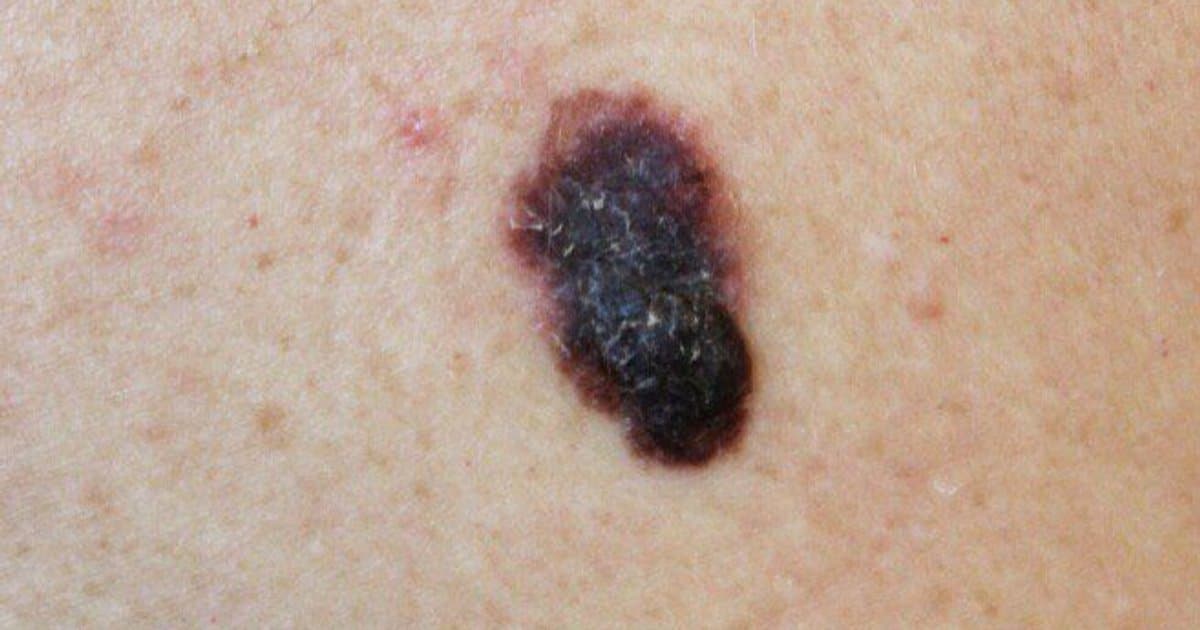
What Is Melanoma and Why Is It So Dangerous?
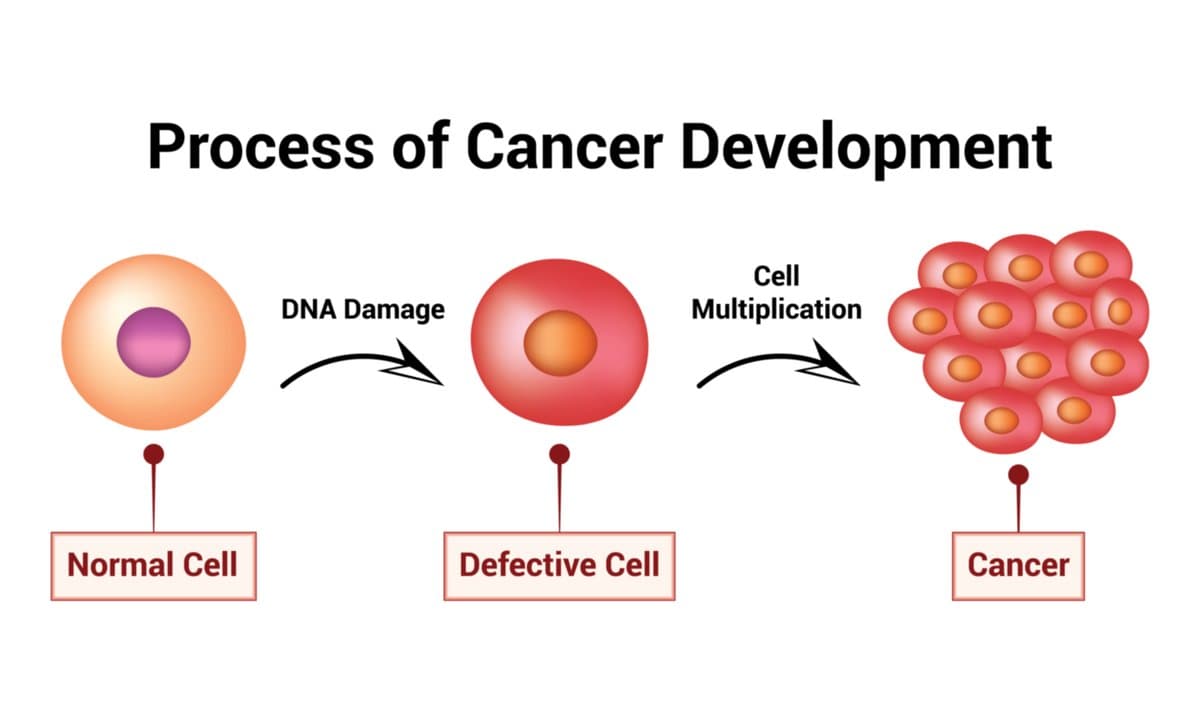
Melanoma is the most aggressive and deadly form of skin cancer, developing in the melanocytes—the cells that produce melanin, your skin's pigment. While it accounts for only about 1% of all skin cancers, melanoma causes the vast majority of skin cancer deaths. What makes melanoma particularly terrifying is its ability to spread rapidly to other organs if not caught early.
Unlike basal cell or squamous cell carcinomas that tend to stay localized, melanoma can metastasize to your lymph nodes, lungs, liver, brain, and bones. The American Cancer Society estimates over 100,000 new cases of melanoma are diagnosed annually in the United States alone, with nearly 8,000 deaths. Yet here's the critical fact that could save your life: when detected at Stage 0 or Stage I, the five-year survival rate exceeds 99%.
The difference between life and death often comes down to a single moment—the moment you decide to check that suspicious mole. Every month you wait, melanoma can progress from a treatable surface lesion to a life-threatening systemic disease. The clock is ticking on every unusual spot on your skin.

The ABCDE Rule: Recognizing Melanoma Before It's Too Late
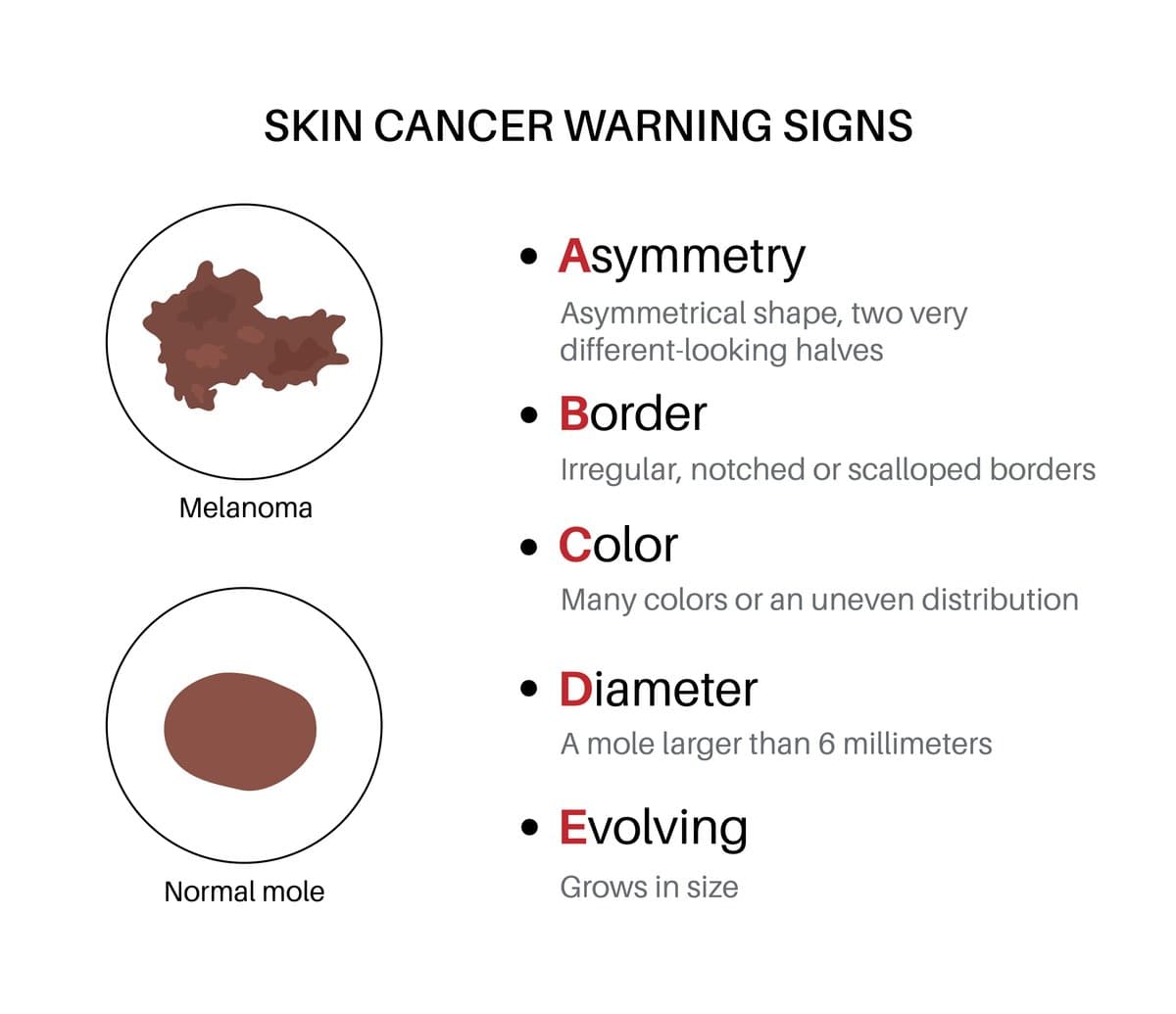
Dermatologists worldwide use the ABCDE rule as the gold standard for melanoma detection, and you need to memorize it today. A stands for Asymmetry—if you draw a line through the middle of your mole and the two halves don't match, that's a red flag. B represents Border irregularity—melanomas typically have notched, scalloped, or poorly defined edges rather than smooth, even borders.
C is for Color variation—multiple colors within a single mole (brown, black, tan, red, white, or blue) should trigger immediate concern. D indicates Diameter—while melanomas are often larger than 6mm (the size of a pencil eraser), they can be smaller, so don't let size alone reassure you. E stands for Evolving—any mole that changes in size, shape, color, elevation, or develops new symptoms like bleeding, itching, or crusting demands urgent attention.
But here's what most people don't know: not all melanomas follow these rules. Amelanotic melanomas lack dark pigmentation and appear pink or skin-colored, making them exceptionally difficult to identify. Nodular melanomas can develop rapidly without the typical horizontal growth phase.
That weird-looking spot you've been ignoring? It could be the exception that kills. Don't wait—upload a photo and get results in seconds.
Who Is at Risk? (Spoiler: Probably You)
If you're reading this, you're likely at risk for melanoma. While certain factors dramatically increase your chances, melanoma doesn't discriminate—it affects people of all ages, skin types, and backgrounds. The highest risk group includes individuals with fair skin, light hair, and blue or green eyes who burn easily and tan poorly.
If you've had even one blistering sunburn in childhood, your melanoma risk doubles. People with more than 50 moles or with atypical (dysplastic) nevi face elevated risk. A family history of melanoma increases your likelihood by 50% or more.
Previous skin cancer diagnosis? You're at significantly higher risk for additional melanomas. But here's the uncomfortable truth: darker-skinned individuals, while less likely to develop melanoma, often have worse outcomes because the disease is detected later and tends to appear in less obvious locations like the palms, soles, and under nails.
Indoor tanning bed use before age 35 increases melanoma risk by 59%. Immunosuppressed individuals, including organ transplant recipients, face dramatically elevated risk. Even if you don't fit the classic risk profile, melanoma can still find you.
Bob Marley died of acral melanoma at age 36—a type that appears on hands and feet and has nothing to do with sun exposure. Your skin tells a story. Let AI read it.

Melanoma Stages: Understanding Your Prognosis
Melanoma staging determines treatment and survival, ranging from Stage 0 (melanoma in situ) to Stage IV (metastatic disease). Stage 0 melanoma remains confined to the epidermis with a near 100% cure rate through simple surgical excision. Stage I melanomas have invaded deeper but remain localized, with five-year survival rates above 95%.
Stage II indicates thicker tumors or ulceration but no lymph node involvement, with survival rates between 65-93% depending on thickness and ulceration. Here's where it gets frightening: Stage III means the cancer has spread to nearby lymph nodes or skin, dropping five-year survival to 40-78%.!! Stage IV melanoma has metastasized to distant organs, and the five-year survival rate plummets to just 15-20%.
The Breslow thickness measurement—how deep the melanoma has invaded—is critical for staging. A melanoma less than 1mm thick has an excellent prognosis. Once it exceeds 4mm, outcomes worsen significantly.
Ulceration (breakdown of the skin over the melanoma) automatically increases the stage and worsens prognosis. The presence of microscopic satellites or in-transit metastases indicates aggressive disease. Every fraction of a millimeter matters.
Every day you delay checking that suspicious lesion allows potential melanoma to grow deeper, advance to the next stage, and dramatically reduce your chances of survival. The difference between Stage I and Stage III can be measured in months. Take 30 seconds to scan—it could save your life.
Where Melanoma Hides: Checking the Places You Forget
Most people check the obvious spots—arms, legs, face—but melanoma is cunning, appearing in locations you'd never think to examine. Men most commonly develop melanoma on their backs, a location difficult to self-examine without mirrors or assistance. Women frequently develop melanoma on their lower legs.
But melanoma doesn't limit itself to sun-exposed areas. Acral melanoma appears on palms, soles, and under fingernails or toenails, accounting for less than 5% of melanomas in Caucasians but up to 70% in darker-skinned individuals. Subungual melanoma appears as a dark streak in the nail bed, often mistaken for bruising or fungal infection.
Mucosal melanomas develop in the mouth, nasal passages, vagina, or anus—areas that never see sunlight. Ocular melanoma affects the eye itself, presenting as vision changes or a dark spot on the iris. Scalp melanomas, particularly in balding men, are often detected late because they're hidden by hair or ignored as age spots.
Between your toes, behind your ears, on your buttocks, in your genital area—melanoma exploits every blind spot in your self-examination routine. People have died from melanomas they never knew existed because they formed in places they never looked. When was the last time you thoroughly examined your entire body, including the areas you can't easily see?
Not sure if it's serious? Let our AI take a look.

Treatment Options: From Surgery to Immunotherapy
Treatment for melanoma depends entirely on stage, and early detection offers the most straightforward and successful outcomes. For melanomas caught at Stage 0 or thin Stage I, treatment is refreshingly simple: surgical excision with clear margins. 5-2cm depending on thickness.
This outpatient procedure often cures the disease completely. 8mm to check for microscopic spread. If lymph nodes test positive, complete lymph node dissection may be necessary.
Advanced melanomas require aggressive multimodal treatment. Immunotherapy drugs like pembrolizumab (Keytruda) and nivolumab (Opdivo) have revolutionized melanoma treatment by unleashing the immune system to attack cancer cells, producing durable responses even in metastatic disease. Targeted therapy with BRAF and MEK inhibitors works specifically for melanomas with certain genetic mutations, shrinking tumors rapidly.
Radiation therapy may be used for brain metastases or as adjuvant treatment. Chemotherapy, once the only option for advanced melanoma, is now rarely used due to superior alternatives. But here's the reality: while immunotherapy has transformed melanoma from a death sentence to a manageable disease for some patients, it comes with serious side effects and doesn't work for everyone.
Treatment for advanced melanoma is grueling, expensive, and uncertain. Prevention and early detection remain your best weapons. Don't wait—early detection saves lives.

Living with Melanoma: Surveillance and Recurrence
Surviving melanoma isn't the end of your journey—it's the beginning of lifelong vigilance. Once you've had melanoma, you face a 10-15% chance of developing another primary melanoma and must be monitored intensively for recurrence. Melanoma can recur locally near the original site, regionally in nearby lymph nodes, or distantly in organs throughout your body.
Recurrence can happen months, years, or even decades after your initial diagnosis. Survivors typically undergo full-body skin examinations every 3-6 months for the first few years, then annually for life. Depending on your stage, you may need regular imaging studies—CT scans, PET scans, or brain MRIs—to monitor for metastatic disease.
Blood tests measuring lactate dehydrogenase (LDH) and other markers may be ordered. Self-examination becomes a permanent routine, checking not just for new suspicious lesions but also for signs of recurrence like new lumps under the skin, unexplained pain, or persistent cough. The psychological toll is substantial—every new freckle triggers anxiety, every headache raises fears of brain metastases, every routine scan becomes an emotional ordeal.
Many melanoma survivors describe living in a constant state of dread, unable to fully relax even when scans are clear. The sun, once a source of pleasure, becomes the enemy. Vacations require extreme sun protection.
Simple outdoor activities demand calculation and precaution. Living with melanoma history means living with the knowledge that a tiny malignant cell could be hiding anywhere in your body, biding its time. But it also means understanding the precious gift of early detection and second chances.
Curious about that spot? Get instant AI analysis.

How Skinscanner Helps You Stay Ahead of Melanoma
You now understand that melanoma is a race against time—the earlier you catch it, the better your chances of survival. But most people don't have monthly access to dermatologists, and suspicious lesions can develop between annual check-ups. This is where Skinscanner becomes your first line of defense.
Our advanced artificial intelligence has been trained on thousands of images of melanomas, benign moles, and other skin lesions, learning to identify subtle patterns that might escape the untrained eye. Simply photograph any suspicious spot using your smartphone, and our AI analyzes it within seconds, flagging concerning features and recommending whether dermatologist evaluation is warranted. Skinscanner doesn't replace professional medical diagnosis—nothing can substitute for a skilled dermatologist's examination and biopsy if needed—but it serves as an accessible, immediate screening tool that can catch red flags early.
Think of it as a smoke detector for your skin: it alerts you to potential danger so you can take action before disaster strikes. The interface guides you through documenting and tracking moles over time, making it easy to spot the "evolving" changes that signal melanoma. For those at high risk—previous melanoma survivors, people with numerous moles, fair-skinned individuals—Skinscanner provides peace of mind between dermatology appointments and empowers you to monitor your entire body, including those hard-to-see areas where melanoma hides.
Every day matters in melanoma detection. Every early catch saves a life. Check your skin now with a free AI scan and give yourself the advantage that could make all the difference between a simple excision and a devastating diagnosis.