
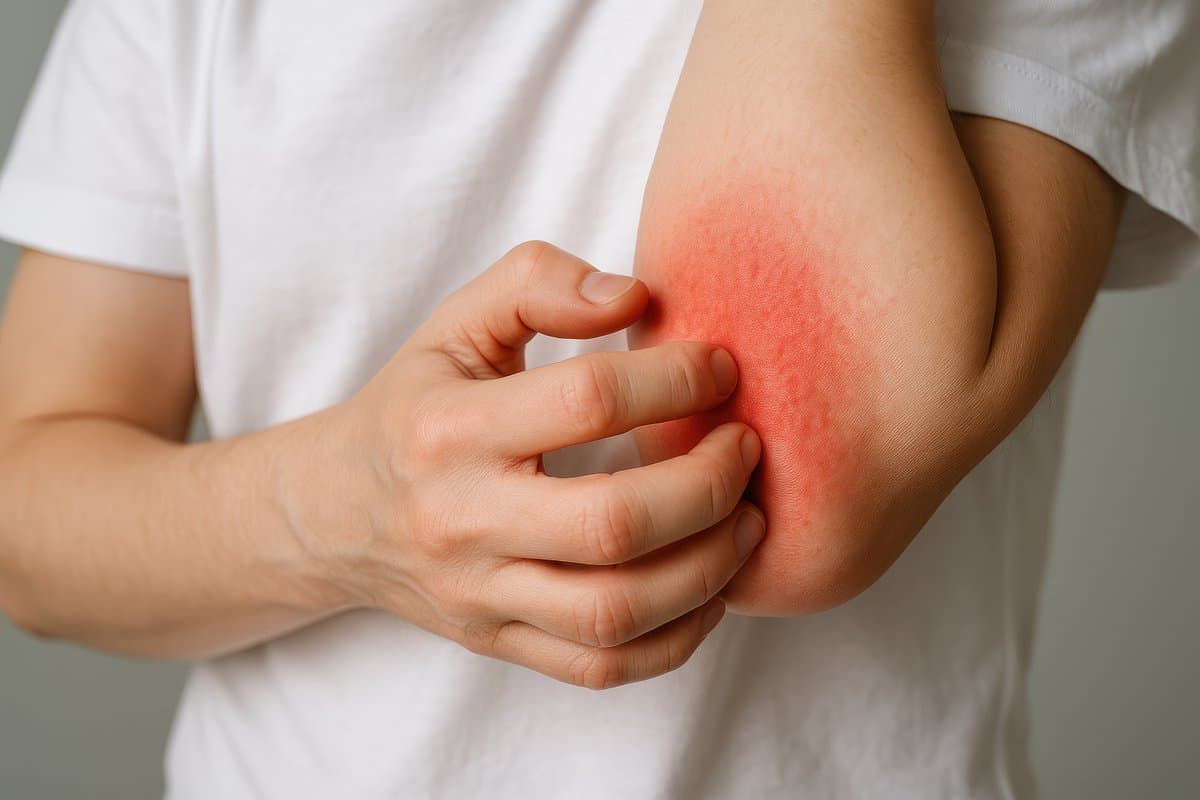
Ukushisa Ongakukhiphi
Izinkumbulo ezimbalwa zikhangisa njengokushisa okuqhubekayo. Okubizwa ngempela ngokuthi i-pruritus, ukushisa kuyinye yezizathu ezivamile abantu abafuna usizo lwezokwelapha. Ngenkathi umuzwa wokuqala ungukuklwebha, ukuqonda ukuthi kungani isikhumba sakho sishisa kuqala kuyindlela engcono yokuthola ukukhululeka kwesikhathi eside.
Ukushisa kwenzeka lapho ama-fiber e-nerves esikhumbeni akhuthazwa izizathu ezahlukene — ukukhululwa kwe-histamine, ukuvuvukala, ukoma, noma ngisho nezizathu zokucabanga. Isikhumba siqukethe inethiwekhi eyinkimbinkimbi ye-fiber ye-nerves ethile yokushisa ebizwa ngokuthi ama-C-fibers athumela izimpawu ebuchosheni, akhiqiza umuzwa ongathandeki wokuklwebha. Kubalulekile, ukuklwebha kuhlinzeka kuphela ngokukhululeka kwesikhashana futhi kuvame ukwenza kube kubi kakhulu ukushisa ngokusebenzisa umjikelezo wokubuyisela obizwa ngokuthi umjikelezo wokushisa-ukuklwebha.
Izindaba ezinhle ukuthi iningi lokushisa linomthombo olula, ongenabungozi. Isikhumba esomile, ukuvuvukala okuncane okuvela emikhiqizweni, izinguquko zesizini, kanye nengcindezi kubalwa ezimweni eziningi. Lezi zimbangela zisebenza kahle ezinyathelweni ezilula ezifana nokufaka ama-moisturizers, ukushintsha imikhiqizo, noma ukuphatha izimo zemvelo.
Nokho, ukushisa kungase kube uphawu lokuthi kudingeka ukunakwa kwezokwelapha, ikakhulukazi uma kukhuluma kakhulu, kuqhubeka, noma kuhambisana nezinye izimpawu. Le ndatshana igxile kakhulu ezizathwini ezivamile, ezingenabungozi abantu abaningi abahlangabezana nazo, ngenkathi ibonisa nezimpawu ezidinga uhambo kudokotela. Ukuqonda ukushisa kwakho kuyisinyathelo sokuqala sokukumisa.
Umphezulu Omile Nezizathu Zemvelo
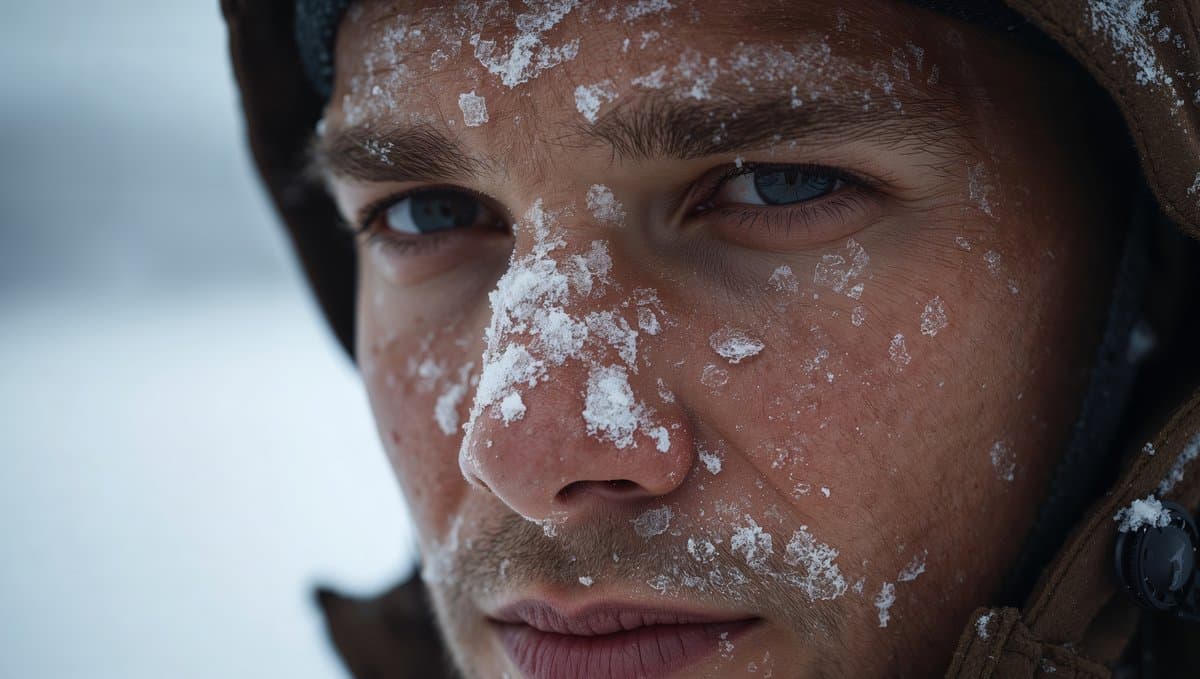
Umphezulu omile — noma i-xerosis — ungumthombo ophakeme kakhulu wokukhathazeka, ikakhulukazi phakathi nezinyanga zehlobo nezimvula. Lapho i-stratum corneum, ungqimba oluphakeme kakhulu lwezikhumba, lulahlekelwa umswakama, luthola ama-cracks amancane avula ama-nerve endings futhi akhuthaze ukukhathazeka. Ukushisa kwendawo, umswakama ophansi, ukugeza ngamanzi ashisayo, kanye nokub exposure komoya konke kukhuthaza ukulahleka komswakama.
Ukwakhiwa komoya opholile ngaphandle kanye nezindawo ezishisayo ngaphakathi kudala umgapho womswakama okhipha umkhawulo wesikhumba emswaneni obalulekile, okwenza ukukhathazeka kwezimvula kube cishe kuhlangene ezindaweni ezishisayo.!! Ungase uqaphele ukuthi ukukhathazeka kubi kakhulu ezinyaweni, ezandleni, nasezandleni — izindawo ezinegazi elincane elithintekayo elithintekayo kakhulu ekulahlekelweni umswakama. Amanzi ashisayo angumthombo ophawulekayo.
Nakuba ukugeza okude, okushisayo kuzwakala kukhululekile, amanzi angaphezu kuka-40 degrees Celsius akhipha umkhawulo wemvelo wesikhumba, eshiya umphumela omile kakhulu kunakuqala. Ukushintsha ukuya ekugezeleni okuphakathi kwemizuzu eyishumi noma ngaphansi kungakhiqiza ukuthuthuka okubonakalayo ezinsukwini. Izinguquko zesizini nazo zithinta ukukhathazeka ngaphandle kokushisa.
Ihlobo iletha i-pollen engase ihlale esikhumbeni futhi ibangele ukuphazamiseka kwendawo ngisho nasezindaweni ezingenayo i-hay fever ejwayelekile. Ukushisa kwehlobo nokuphuma kokushisa kungakhuthaza ukushisa okuphakeme noma kukhuphule i-eczema. Ukwehla komswakama kwehlobo kuqala umjikelezo wokoma.
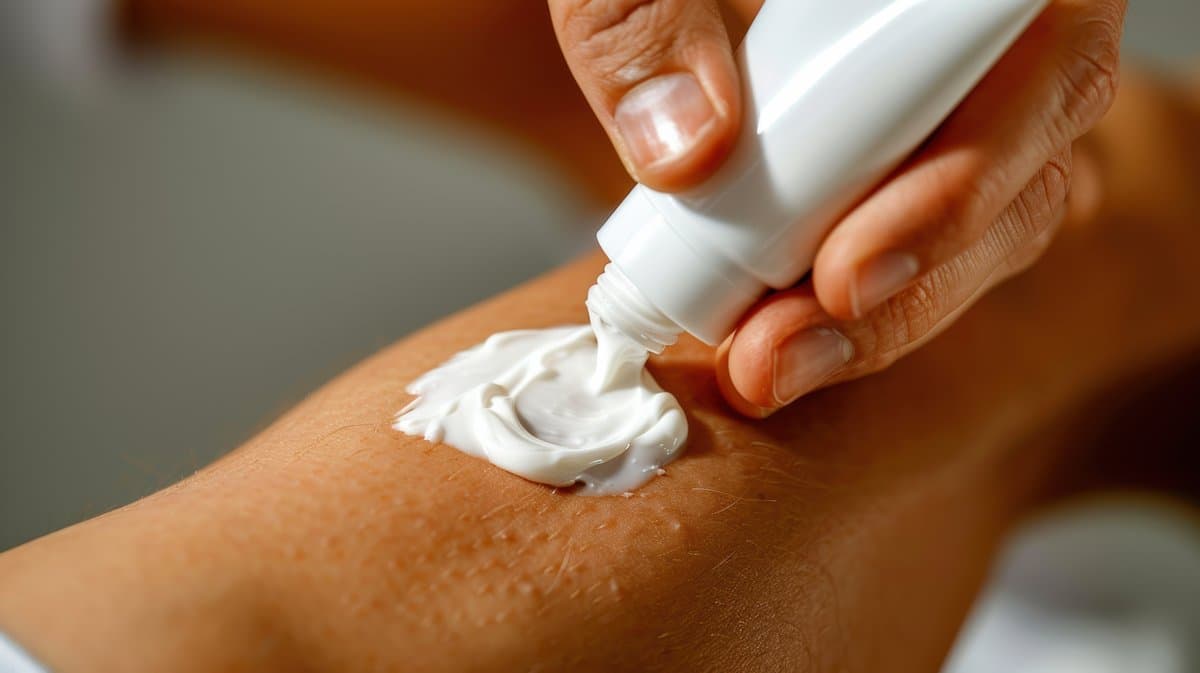
Isisekelo sokwelashwa kokukhathazeka okukhuthazwe imvelo ukuhlinzeka ngomswakama njalo. Faka i-cream noma i-ointment engena nefragrance phakathi kwemizuzu emithathu yokugeza ukuze uvikele umswakama. Bheka izithako ezifana nama-ceramides, i-glycerin, i-shea butter, noma i-petrolatum. Ama-lotion akhishwe ezikhwameni eziphakanyisiwe ajwayele ukuba namanzi amaningi futhi anemiphumela emincane, okwenza kube nzima kakhulu kumphumela omile kunama-cream noma ama-ointment anesisindo esikhulu.
Ukuphazamiseka Kokuxhumana, I-Eczema, Nezimpawu Zokuhlaselwa
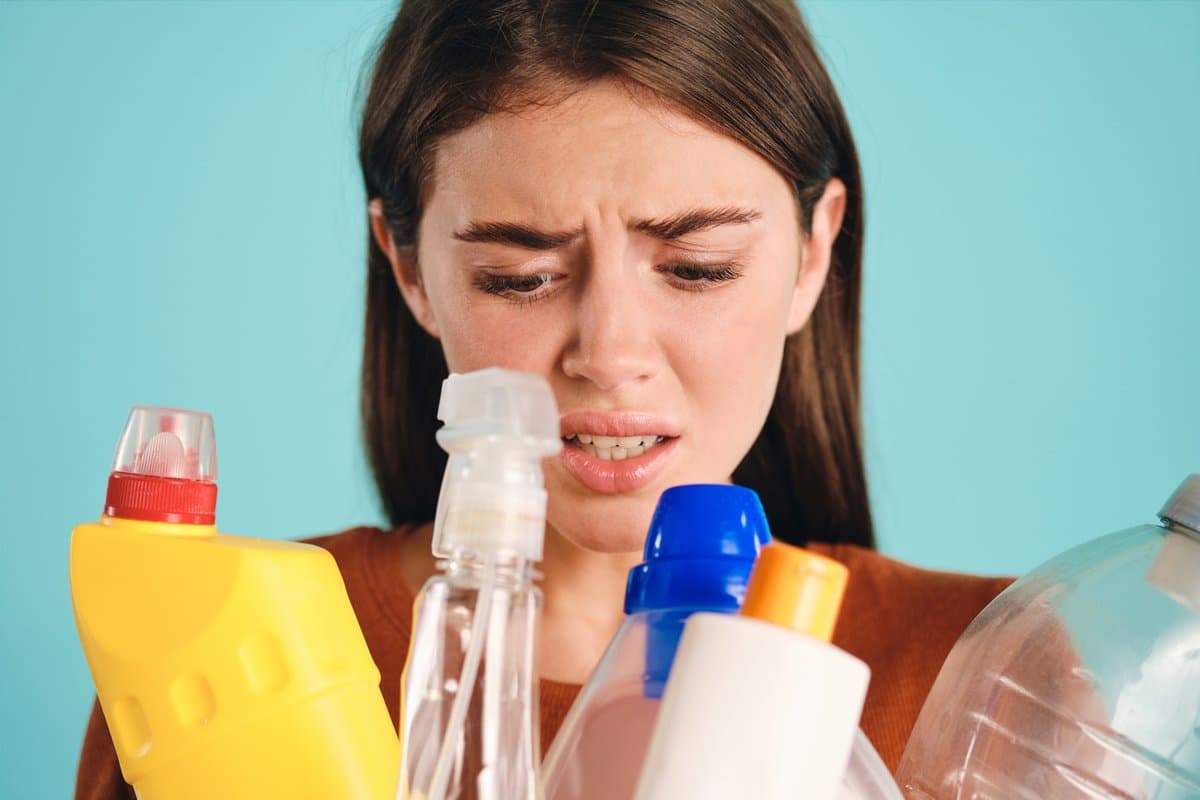
Ukuphazamiseka kokuxhumana kuyisizathu esikhulu sokukhathazeka kwesikhumba. Ngokungafani ne-allergic contact dermatitis, ebandakanya impendulo yomzimba, i-irritant contact dermatitis ivela ngenxa yokulimala okuqondile kwekemikhono noma kwezemvelo kumkhawulo wesikhumba. Izinto ezivamile eziphazamisayo zifaka ama-soap anama-sodium lauryl sulfate, ama-hand sanitizers anama-alcohol, imikhiqizo yokuhlanza yasekhaya, izindwangu zeflezi noma ezihlanganisiwe ezisikhumbeni, kanye nezinsiza zokuhlanza ezinefragrance.
I-Eczema, noma i-atopic dermatitis, iyisimo esiphindaphindiwe esithinta kuze kube ngu-20% wezinsizwa kanye no-3% wabantu abadala emhlabeni jikelele. Ibandakanya umkhawulo wesikhumba onobuthakathaka obuvumela izinto eziphazamisayo nezinto ezibangela ukungahambi kahle ukuba zingeze kalula, zikhuthaze ukuvuvukala nokukhathazeka okukhulu. I-Eczema ivame ukuvela ezindaweni eziphakeme ze-elbows nasezinyaweni, ezandleni, ebusweni, nasekhanda, nakuba ingavela noma kuphi.
Ukukhathazeka kuvame ukuhamba phambili kokuphazamiseka okubukwayo, kuholele abantu ukuba baphazamise ngaphambi kokuba kube ne-redness. Izimpawu zokuhlaselwa zingavela njengekhathazeka. Ama-hives — ama-welts aphakeme, akhathazayo avela ngokushesha — ngokuvamile abangelwa impendulo yomzimba kokudla, imithi, izinyosi, noma izinto ezibangela ukungahambi kahle.
Izigameko eziningi zama-hives zixazululwa phakathi nezinsuku eziyi-24, nakuba ama-hives aphindaphindiwe aphila isikhathi eside kunamaviki ayisithupha edinga ukuhlola. Uma uqaphela ukuthi ukukhathazeka kuhlale kulandela ukuvezwa komkhiqizo othile, indwangu, noma ukudla, ukugcina i-diary yezimpawu izinsuku ezimbili kuya kwezintathu kungasiza ukuthola umthombo ngokuqonda okukhulu kunememori kuphela.!! Ukuze uphathe i-eczema, odokotela bezikhumba bavame ukuhlinzeka ngohlelo lokuhlinzeka ngomswakama nsuku zonke, ukugwema imithombo, kanye nezindlela zokwelapha eziphumelelayo ezifana nama-corticosteroids aphansi noma ezinye izinketho ezingekho ze-steroidal ezifana ne-tacrolimus noma i-crisaborole ukuze kuhlangatshezwane nezinkinga.
Ukwanda KweStress, Ukubanjwa Kwezinyosi, Nezikhala Zokukhathazeka
Ubudlelwano phakathi kwe-stress nokukhathazeka buvele bukhona ezincwadini zezokwelapha. Ukucindezeleka kwengqondo kukhuthaza ukukhululwa kwe-cortisol kanye ne-neuropeptides ezivuvukalayo ezinganciphisa umkhawulo wokukhathazeka, okusho ukuthi izinto ezizokwenza ukukhathazeka zingaqala ukukwenza. Ukucindezeleka futhi kubi kakhulu ezimweni zesikhumba ezikhona njenge-eczema, i-psoriasis, kanye ne-urticaria, kudala umjikelezo lapho ukucindezeleka kudala ukukhathazeka, futhi ukukhathazeka kudala ukucindezeleka okwengeziwe.
Funda kabanzi ngokuthi ukucindezeleka, ukulala, nokuphila kwesikhumba kuhlobene kanjani. Ukukhathazeka okukhuthazwayo — ukukhathazeka ngaphandle kwesikhumba esitholakalayo noma isizathu esijwayelekile — kuvame kakhulu kunalokho abantu abaningi abazi. Kuyinto eyenzeka ngempela ye-neurological, hhayi eyenzekayo, futhi ingathinta kakhulu izinga lempilo.
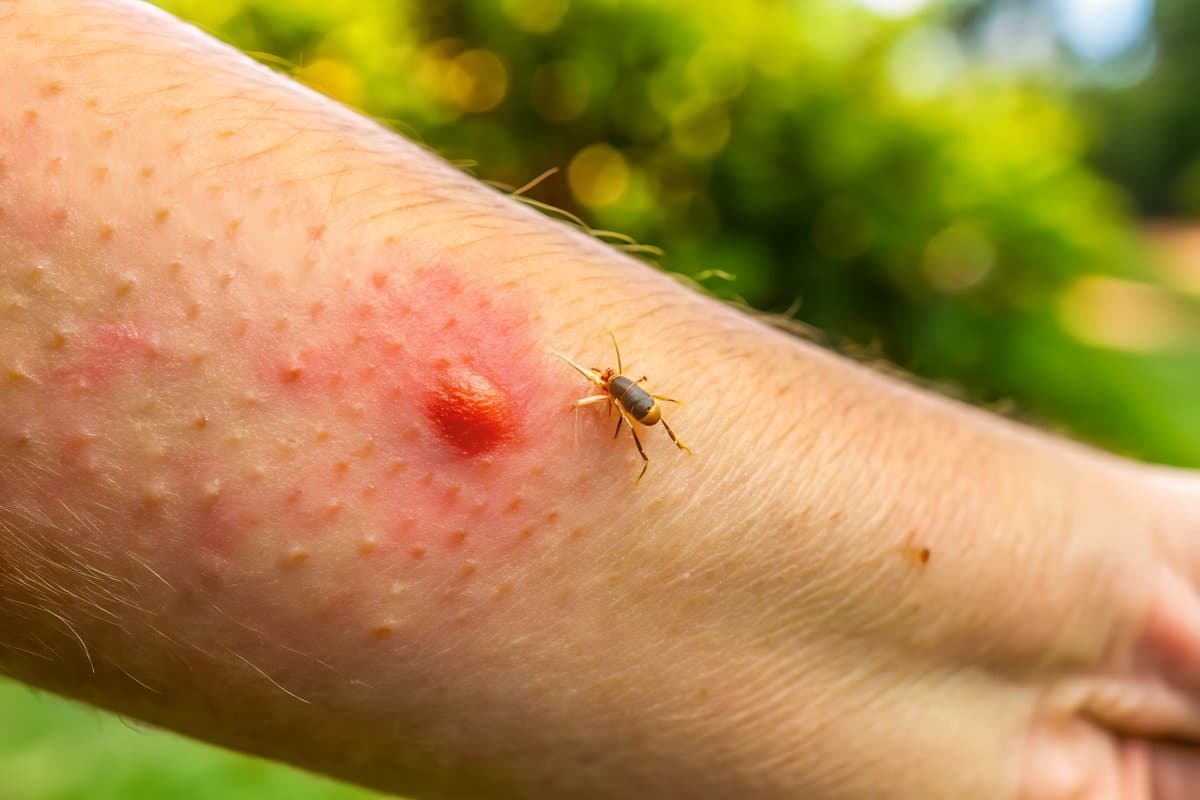
Ukwelashwa kuvame ukufaka phakathi ukubhekana nokukhathazeka okukhona noma ukucindezeleka ngama-techniques wokuziphatha, ukucabangela, noma kwezinye izimo, imithi efana ne-selective serotonin reuptake inhibitors ethinta umuzwa wokukhathazeka. Ukubanjwa kwezinyosi kuyinsiza ejwayelekile yokukhathazeka. Ukubanjwa kwezigebengu kukhuthaza impendulo ye-histamine endaweni ethile edala i-wheal ekhathazayo.
Ukubanjwa kweflezi kuvame ukuvela ezindaweni ezihlangene ezizungeze izinyawo nezinyawo eziphansi. Ukubanjwa kwezigebengu kuvame ukuhlinzeka ngohlobo oluhambisana noluhlu futhi lungathatha izinsuku eziningi ukuze lube nokukhathazeka. Izigebengu eziningi zixazululwa ngokwazo phakathi nesonto, futhi ukwelashwa kugxile ekunciphiseni umuzwa wokuphazamiseka ngama-cold compresses, ama-antihistamines, kanye ne-hydrocortisone ye-topical.
Ukuze uphathe ukukhathazeka okuhlobene ne-stress, izindlela zokuphila ezisebenzayo zifaka phakathi ukuhamba njalo, okunciphisa amazinga e-cortisol, ukulala okwanele, ukucindezela kwemisipha, nokunciphisa i-caffeine ne-alcohol, kokubili okungakhuthaza ukukhathazeka. Uma uthola ukuthi isikhumba sakho sikhathazeka kakhulu ngesikhathi sokucindezeleka ngaphandle kokuba ne-rash ebukwayo, ubudlelwano be-stress-kukhathazeka kungenzeka kube incazelo efanele.
Lapho Ukukhathazeka Kukhipha Okuthile Okubalulekile
Noma ukukhathazeka okuningi kungokungathandeki, ezinye izindlela kufanele zikhuthaze ukuhlolwa kwezokwelapha. Ukukhathazeka okujwayelekile ngaphandle kokuphazamiseka okubukwayo — ikakhulukazi uma kuqhubeka ngaphezu kwezinsuku ezimbili — kungase kube uphawu lwezimo zangaphakathi ezifana nezifo ze-liver, ukungasebenzi kahle kwezinso, izinkinga ze-thyroid, noma i-iron deficiency anemia. Lezi zimo zikhuthaza ukukhathazeka ngezindlela ezingahlangene nesikhumba uqobo, yingakho akukho rash ebukwayo.
Ukukhathazeka okukhulu okukhona okuphazamisayo ukulala njalo, okungaphenduli kokuhlinzeka ngomswakama nokuhlinzwa, noma okukhona okukhona kokulahlekelwa kwesisindo okungachazeki, ukuvuvukala, noma ukukhathala kudinga ukuhlolwa okunembile kwezokwelapha okuhlanganisa nomsebenzi wegazi. Ukukhathazeka okukhona endaweni eyodwa ngaphandle kokuphathwa kungase kube uphawu lwezimo ezihlobene ne-nerve njenge-notalgia paresthetica noma, ngezikhathi ezithile, ukukhula okungaphansi. Nokho, kubantu abaningi abahlangabezana nokukhathazeka kwesikhumba, umthombo uyatholakala futhi ungaphathwa.
Indlela ehlelekile yokuphuma ifaka phakathi ukuthola nokususa izinto eziphazamisayo, ukusungula uhlelo oluqinile lokuhlinzeka ngomswakama, ukuphatha umswakama wemvelo nge-humidifier phakathi nezinyanga ezomile, ukugqoka izindwangu ezithambile eziphumelelayo esikhumbeni, nokugcina izipikili zifushane ukuze kuncishiswe ukulimala okuvela ekuhlangabezaneni okungaziwa. Ama-antihistamines atholakala ngaphandle kokwelashwa afana ne-cetirizine noma i-loratadine angasiza ekukhathazekeni okukhuthazwa yi-histamine okuvela kuma-hives noma ekubanjweni kwezinyosi kodwa angase angabi namphumela omuhle ekukhathazekeni kwesikhumba esomile noma i-eczema. Imikhiqizo equkethe i-menthol noma i-pramoxine ingahlinzeka ngempumelelo yesikhashana.
Iziqukathi ze-colloidal oatmeal zineziqubulo ezisekela izakhiwo zazo zokulwa nokukhathazeka nokulungisa umkhawulo. Uma izinyathelo zokuzinakekela zinganiki izixazululo ezanele phakathi kwezinsuku ezimbili kuya kwezintathu, bona udokotela wezikhumba ukuze uthole ukuhlolwa okuqondile kanye nokwelashwa okuqondile.