Mi az övsömör?
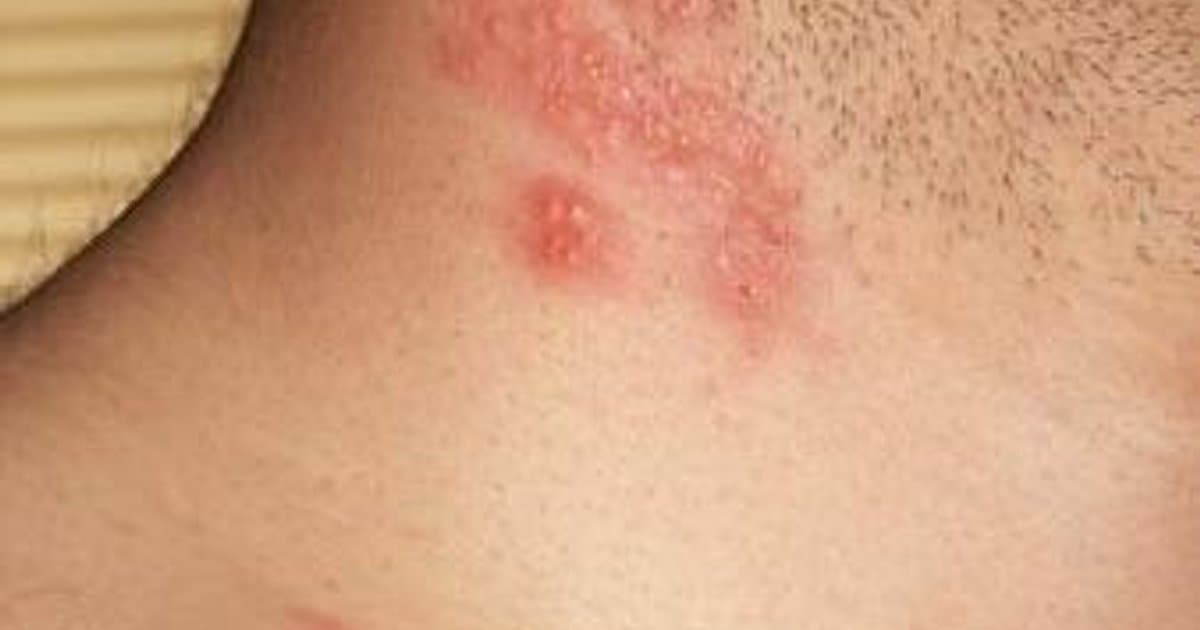
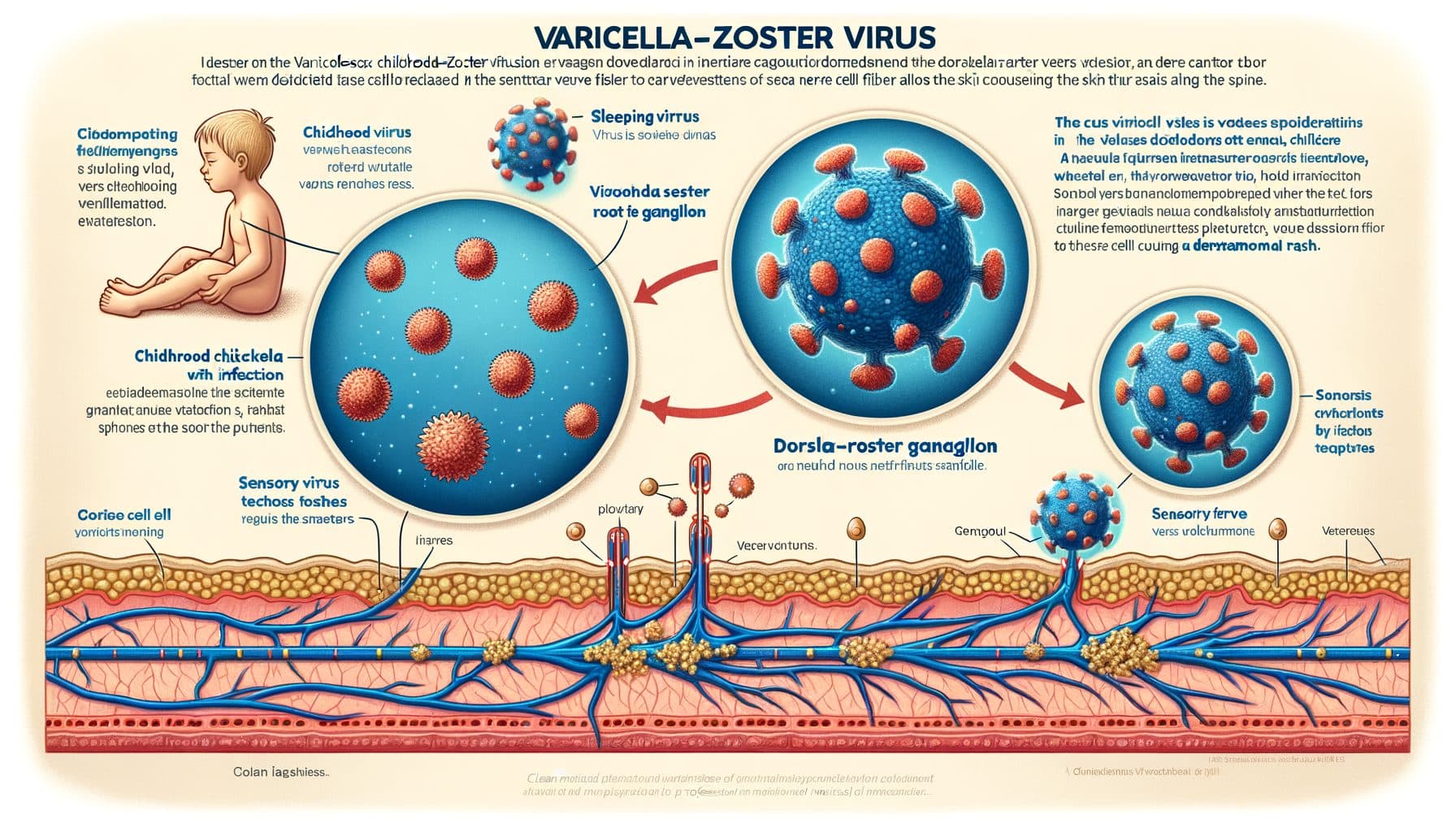
A zsindely (herpes zoster) a varicella-zoster vírus (VZV) reaktiválódásából alakul ki, amely a bárányhimlő fertőzés után életre szólóan lappang a háti gyökérganglionokban és a koponyaideg ganglionjaiban. Amikor a sejtes immunitás csökken, a vírus újraaktiválódhat és az érző idegrostokon keresztül a bőrre utazhat, ami a tipikus egyoldali, sávos kiütést okozza, amely egy dermatómára korlátozódik. Körülbelül minden harmadik ember, aki átesett a bárányhimlőn, zsindelyt fog kialakítani élete során — főként 50 éves kor után.
A reaktiválódás okai
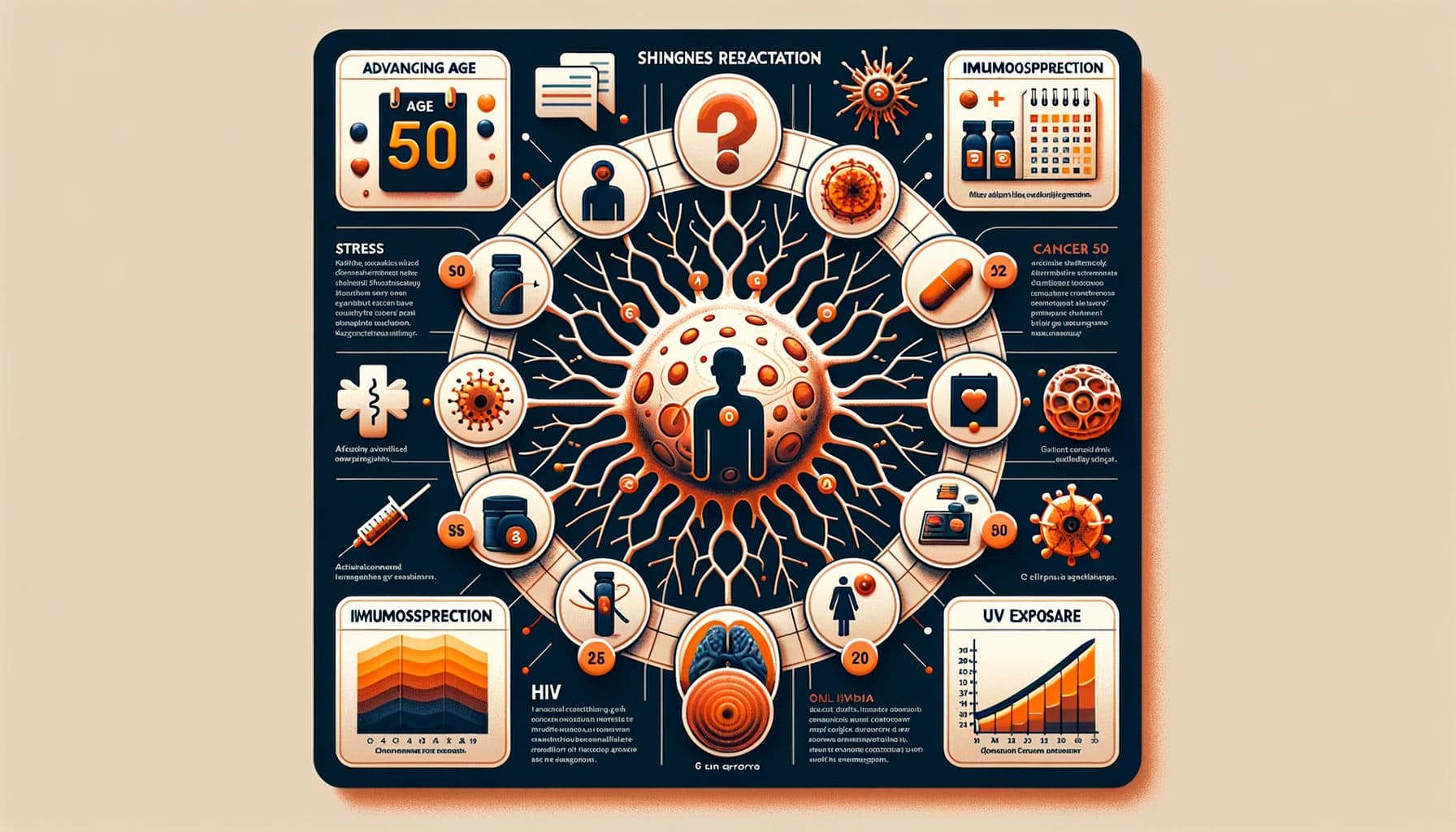
A reaktiválódást a csökkenő sejtes immunitás elősegíti. A gyakori kiváltó okok és kockázati tényezők közé tartozik: az életkor előrehaladása (a legnagyobb kockázati tényező), gyógyszerek miatti immunelnyomás (kortikoszteroidok, kemoterápia, biológiai szerek), HIV/AIDS, szervátültetés, daganatok (különösen limfómák), súlyos fizikai vagy érzelmi stressz, és UV-expozíció. A kockázat meredeken nő 50 éves kor után, körülbelül minden évtizedben megduplázódik.
Tünetek és lefolyás
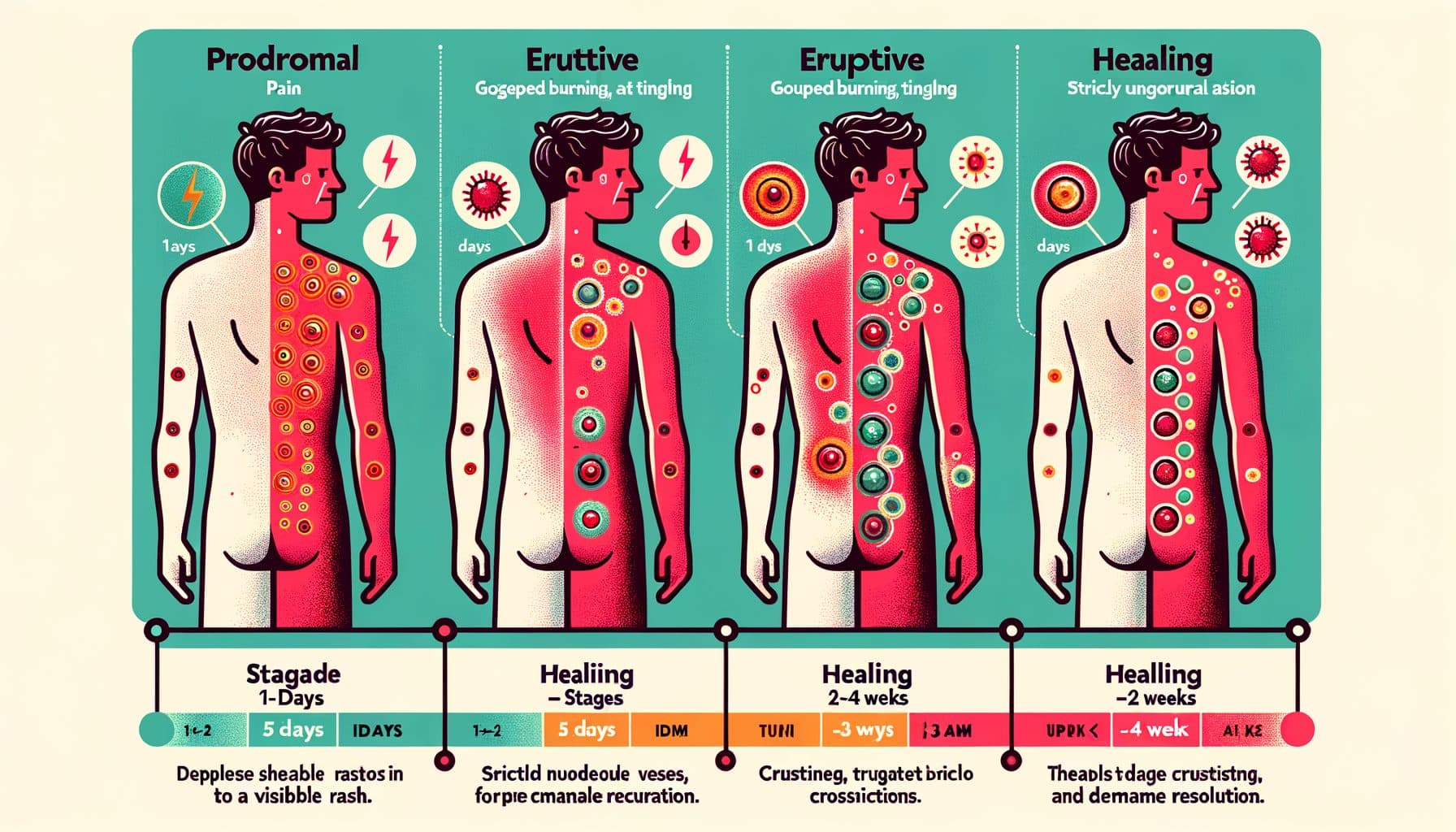
A betegség lefolyásának tipikus fázisai vannak: Prodromális fázis (1–5 nap) — fájdalom, égő érzés, bizsergés vagy zsibbadás az érintett dermatómában, gyakran még látható kiütés nélkül. Kiütéses fázis — csoportos hólyagok megjelenése erythemás alapon, szigorúan egyoldali és dermatómához kötött (általában a thoraxon övként, innen a név). A hólyagok zavarossá válnak, megrepednek és 7–10 napon belül kérgesednek.
A gyógyulás 2–4 hetet vesz igénybe. A fájdalom gyakran a domináló tünet, és intenzív, nehezen kezelhető lehet.
Szövődmények
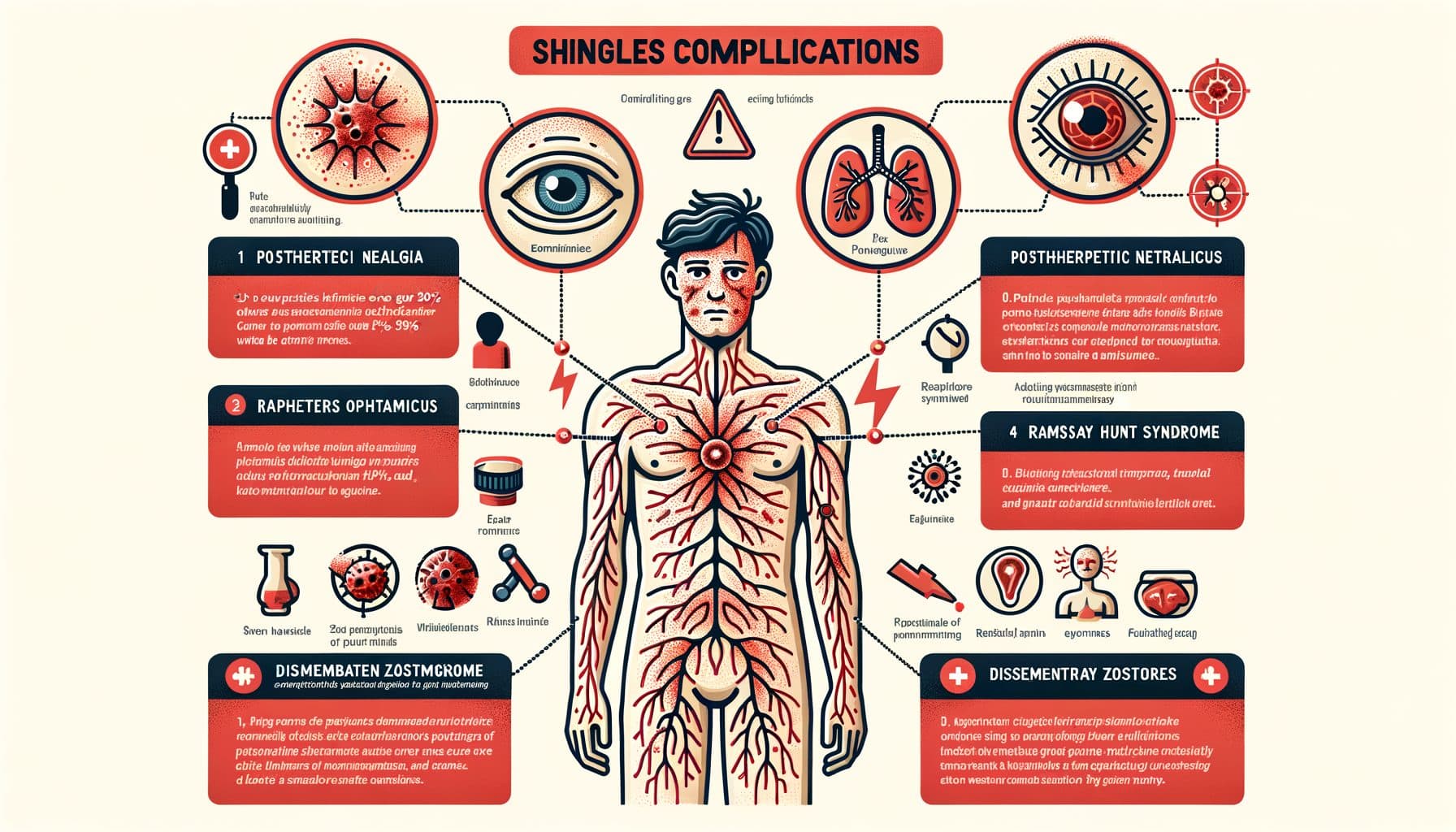
A leggyakoribb és legfélelmetesebb szövődmény a posztherpetikus neuralgia (PHN) — tartós neuropátiás fájdalom az érintett dermatómában, amely hónapokig vagy évekig fennállhat a kiütés gyógyulása után. A kockázat életkorral nő, a 60 év felettiek akár 30%-át is érintheti. A herpes zoster ophthalmicus (szem érintettsége az okuláris idegen keresztül) keratitist, uveitist és látásvesztést okozhat — szemészeti sürgősségi állapot. Egyéb szövődmények közé tartozik a bakteriális szuperinfekció, a zoster oticus (Ramsay Hunt szindróma arcbénulással), a disseminált zoster immunhiányos betegeknél, és ritkán encephalitis vagy myelitis.
Kezelés
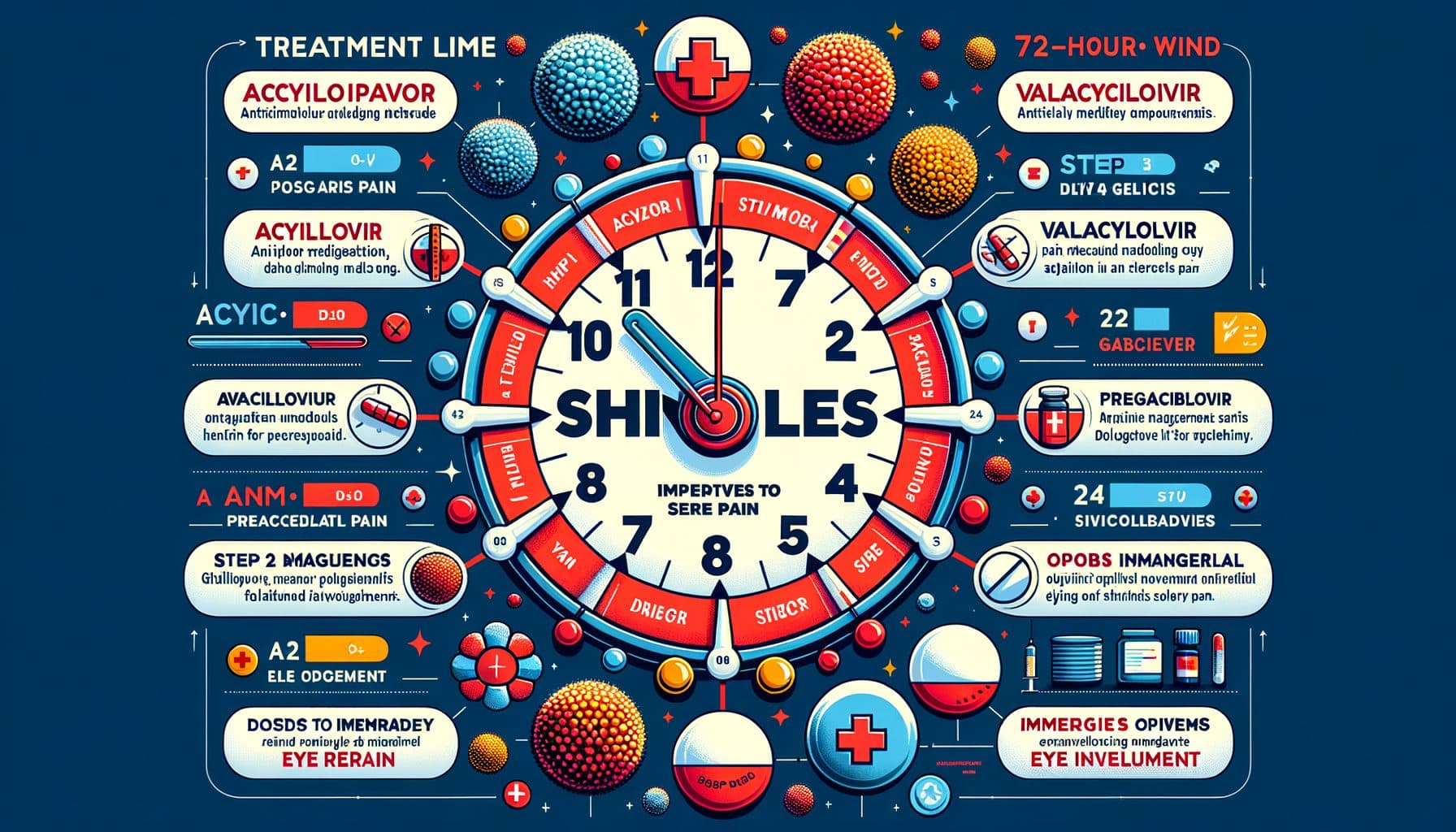
Antivirális terápia (aciclovir, valaciclovir vagy famciklovir) ideális esetben a kiütés megjelenését követő 72 órán belül meg kell kezdeni — minél korábban, annál hatékonyabb.!! Az antivirális szerek lerövidítik a betegség időtartamát, csökkentik a vírus replikációját, és csökkentik a posztherpetikus neuralgia kockázatát. A fájdalomkezelés elengedhetetlen: fájdalomcsillapítók (acetaminofen, NSAID-ok), opioidok súlyos fájdalom esetén, és neuropátiás fájdalomcsillapítók (gabapentin, pregabalin, amitriptilin) posztherpetikus neuralgia esetén. Helyi sebkezelés és azonnali szemészeti beutalás herpes zoster ophthalmicus esetén fontos.
Vakcina és megelőzés
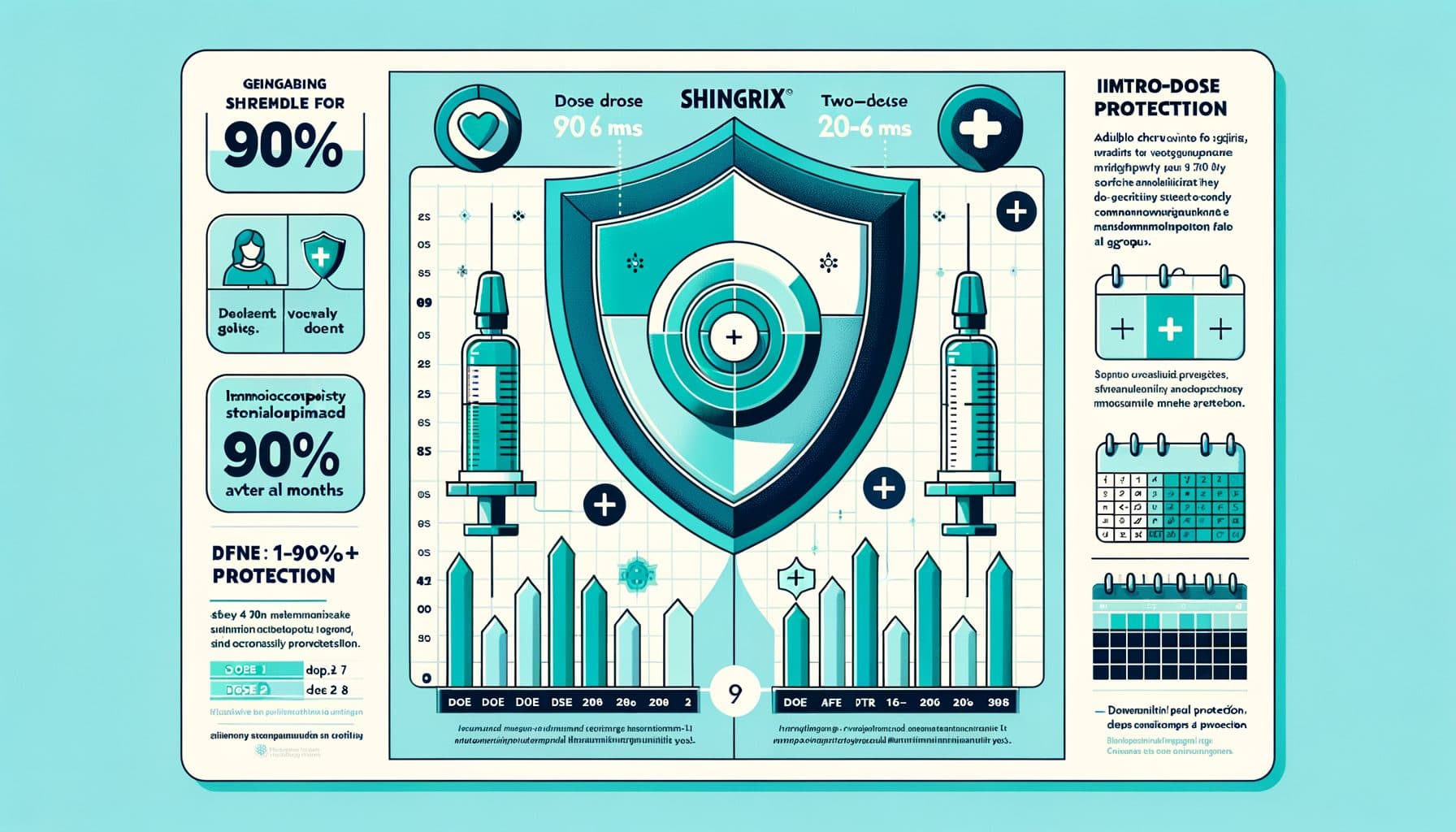
A vakcináció a leghatékonyabb megelőző intézkedés. A rekombináns adjuváns vakcina, a Shingrix, több mint 90% védelmet nyújt a zsindely ellen, és több mint 89% védelmet a posztherpetikus neuralgia ellen.!! Ajánlott minden 50 év feletti felnőtt számára, valamint 18 év feletti, immunhiányos vagy krónikus betegségben szenvedő egyéneknek.
A vakcina két dózisból áll, amelyeket 2–6 hónap eltéréssel adnak be. Még azok is beoltathatók, akik már átestek a zsíndelyen, mivel a visszaesések lehetségesek.
Hogyan segíthet az AI bőranalízis
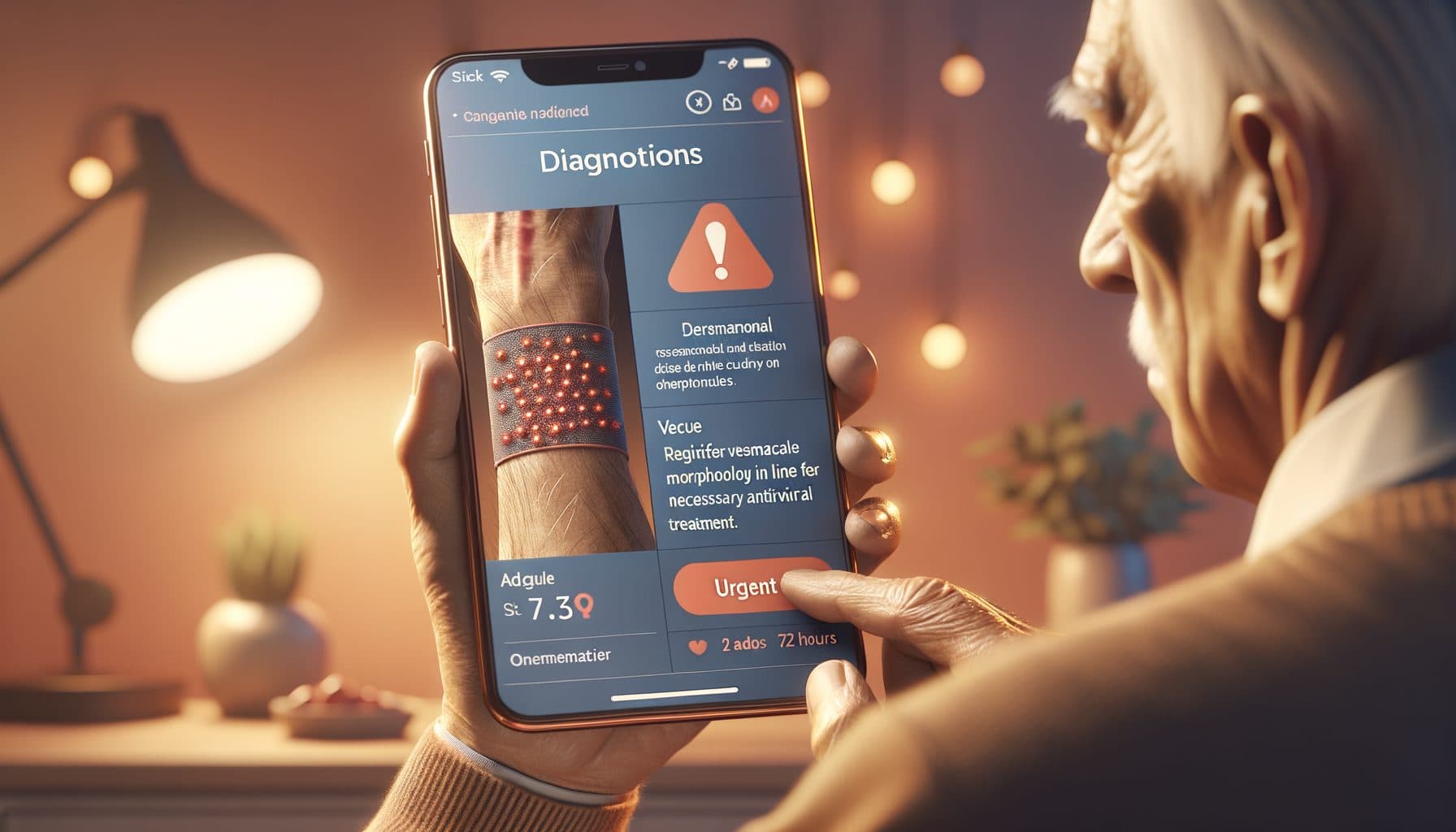
Amikor fájdalmas hólyagok jelennek meg a tested egyik oldalán, az idő kulcsfontosságú — az antivirális kezelés megkezdése 72 órán belül jelentősen javítja az eredményeket. A Skinscanner gyorsan értékelheti, hogy egy új kiütés összhangban van-e a zsindellyel az egyoldalú eloszlása, a hólyagok morfológiája és a dermatomális minta alapján. Ez a gyors kezdeti értékelés arra ösztönözhet, hogy sürgős orvosi ellátást keress, ahelyett, hogy megvárnád, hogy a kiütés magától elmúljon.
A gyógyulási folyamat során a fényképes dokumentáció segít nyomon követni a hólyagok aktív állapotától a kérgesedésen át a megoldásig, hasznos információt nyújtva az egészségügyi szolgáltatód számára. A Skinscanner nem helyettesíti a sürgős orvosi értékelést — a zsindely gyors antivirális kezelést és szakmai irányítást igényel — de segíthet gyorsan felismerni a betegséget és megérteni a sürgős ellátás keresésének fontosságát.