How AI Skin Analysis Works
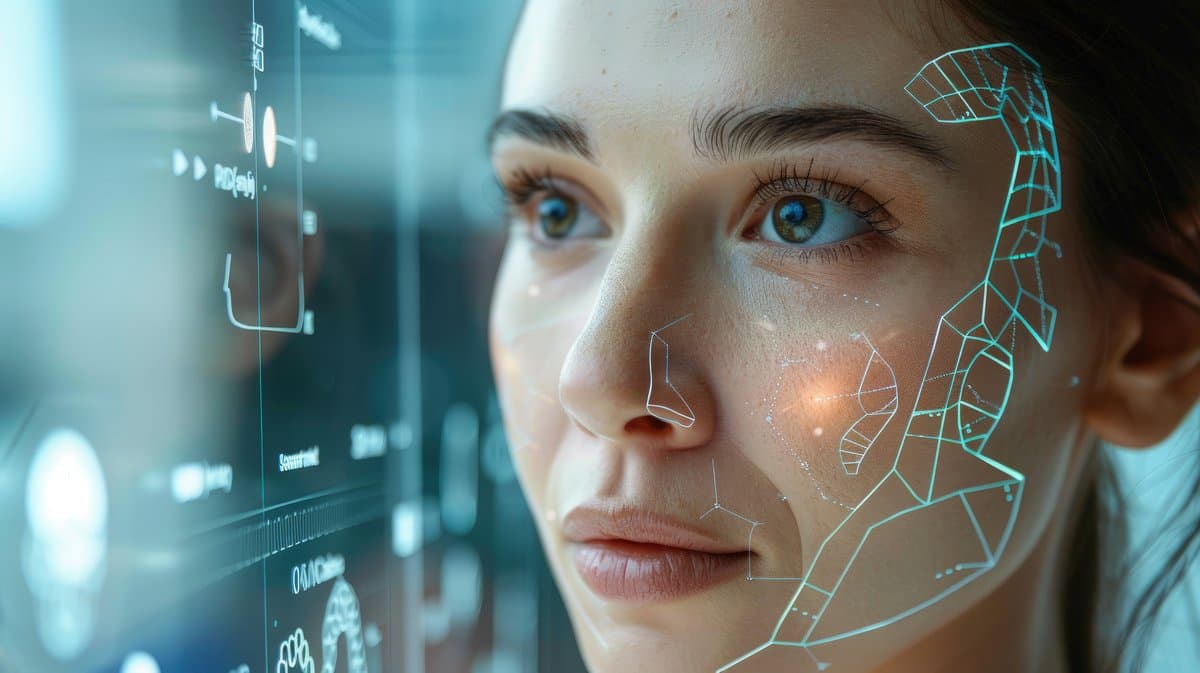
Artificial intelligence applied to skin analysis relies on a branch of machine learning called deep learning, specifically convolutional neural networks that have been trained to recognize patterns in images. These systems learn by processing hundreds of thousands of labeled dermoscopic and clinical photographs, developing the ability to identify visual features associated with different skin conditions. The training process involves feeding the algorithm images that have been diagnosed by expert dermatologists and confirmed through biopsy when appropriate.
Over many iterations, the network learns to recognize subtle patterns in color distribution, texture, border characteristics, structural features, and other visual properties that correlate with specific diagnoses. The result is a system that can analyze a new image and provide a probability assessment of various possible conditions. Modern AI skin analysis systems do not simply apply the ABCDE rule programmatically.
They identify patterns far more complex and subtle than any checklist-based approach. Some features the AI weighs heavily may not even have names in clinical terminology because they represent mathematical relationships between pixel values that are meaningful statistically but invisible to human pattern recognition. Current AI systems for skin lesion classification have achieved accuracy levels comparable to board-certified dermatologists in controlled research settings, though real-world performance involves additional variables that affect reliability.!!
These systems excel at processing large volumes of images quickly and consistently, without the fatigue or cognitive biases that can affect human evaluators. However, understanding how AI analysis works also means understanding its limitations. These systems produce probabilistic assessments, not definitive diagnoses.
They are trained on specific datasets that may not represent all skin tones, lesion types, or photographic conditions equally. The quality of the input image dramatically affects the quality of the output assessment, making proper photography technique essential.
Machine Learning in Clinical Dermatology
Within dermatology clinics, AI is being integrated as a decision support tool that augments rather than replaces the dermatologist's clinical judgment. These clinical systems typically work with dermoscopic images captured using standardized medical equipment, providing a level of image quality and consistency that supports higher analytical accuracy. Several clinical AI systems have received regulatory approval for use as adjunct diagnostic tools.
These systems analyze dermoscopic images in real-time during patient examinations and flag lesions that display features associated with malignancy. The dermatologist sees the AI's assessment alongside their own clinical impression, creating a two-perspective evaluation that may catch findings that either human or machine might miss alone. Total body photography platforms enhanced by AI represent another clinical application.
These systems photograph the patient's entire skin surface using a standardized multi-camera setup, then use algorithms to identify, catalog, and track every visible lesion. At follow-up visits, the system automatically compares new photographs against the baseline, highlighting lesions that have changed in size, shape, or color and flagging new lesions that were not present at the previous visit. This automated change detection addresses one of the biggest challenges in dermatology: reliably identifying subtle changes among potentially hundreds of moles on a single patient.
Even the most experienced dermatologist cannot memorize the exact appearance of every mole between annual visits, making AI-assisted sequential monitoring a genuine improvement in clinical capability. Research continues to expand the applications of AI in dermatology beyond melanoma detection. Algorithms are being developed and refined for identifying basal cell carcinoma, squamous cell carcinoma, actinic keratoses, and various benign conditions. Some systems aim to triage skin complaints in primary care settings, helping general practitioners decide which patients need urgent dermatology referrals and which can be safely monitored.

Smartphone-Based Screening: Possibilities and Realities
Consumer-facing AI skin analysis delivered through smartphone applications has made technology-assisted screening accessible to anyone with a phone and an internet connection. These applications allow users to photograph a skin lesion and receive an AI-generated assessment within seconds, democratizing access to a form of preliminary analysis. The appeal is obvious.
Not everyone has easy access to a dermatologist, whether due to geographic distance, cost, wait times, or awareness. A smartphone application that can flag potentially concerning lesions and encourage users to seek professional evaluation fills an important gap, particularly in underserved areas where dermatologists are scarce. However, smartphone-based screening comes with significant caveats.
The image quality from consumer phone cameras varies enormously depending on the device, lighting conditions, steadiness of hand, and distance from the lesion. AI systems trained on high-quality dermoscopic images may perform differently when analyzing photographs taken with consumer smartphones under variable real-world conditions.!! Users must understand that these tools provide preliminary assessments, not diagnoses.
Accuracy studies on consumer skin analysis applications have shown mixed results. Some applications perform well in controlled evaluations, while others have shown concerning rates of false negatives where potentially dangerous lesions were classified as low-risk. Regulatory oversight of these applications varies by country, and not all commercially available apps have undergone rigorous clinical validation.
The most responsible smartphone skin analysis applications position themselves as triage tools that help users decide whether to seek professional evaluation, rather than as diagnostic replacements for dermatologists. They encourage users who receive concerning assessments to schedule dermatology appointments, and many include educational content about self-examination and warning signs.

Complementing, Not Replacing Dermatologists
The most important principle in understanding AI's role in skin health is that these technologies are designed to complement human expertise rather than replace it. This distinction is not merely diplomatic but reflects genuine technical and practical limitations that make human oversight essential. AI systems lack the ability to take a patient history, ask about symptom duration, inquire about family history, palpate a lesion to assess texture and depth, or integrate the full clinical context that informs a dermatologist's assessment.
A photograph captures visual information only, while a complete dermatological evaluation incorporates tactile, historical, and systemic information that no image-based AI can access. Dermatologists bring contextual reasoning that current AI systems cannot replicate. They understand that a lesion on the sole of an elderly patient carries different implications than an identical-appearing lesion on the trunk of a teenager.
They recognize when a patient's medication history, immune status, or genetic background changes the probability of various diagnoses. They notice signs of sun damage, aging patterns, and other contextual clues visible across the broader skin surface. The optimal model positions AI as a highly capable assistant that enhances dermatological care at multiple levels.
For patients, AI-powered self-monitoring tools increase awareness and provide preliminary screening between professional visits. For primary care physicians, AI triage systems help identify patients who need urgent specialist referral. For dermatologists, AI decision support systems provide a second opinion that may catch subtle findings and improve diagnostic consistency.
This collaborative model has shown promising results in studies where dermatologist-plus-AI combinations outperformed either dermatologists alone or AI alone. The complementary strengths of human clinical reasoning and algorithmic pattern recognition create a more robust detection system than either approach operating independently.
The Future of AI in Skin Health
The trajectory of AI in skin health points toward increasingly integrated, accessible, and accurate systems that will reshape how skin conditions are detected and monitored over the coming decade. Several emerging developments suggest the direction this technology is heading. Multimodal AI systems that analyze not just images but also patient-reported symptoms, medical history, genetic risk factors, and environmental data are under development.
These more holistic systems aim to provide assessments that approach the comprehensive evaluation a dermatologist performs, incorporating multiple data streams rather than relying on visual analysis alone. Federated learning approaches may address one of the current limitations of AI skin analysis: dataset bias. By training algorithms across diverse populations without centralizing sensitive medical images, federated learning could produce more representative models that perform reliably across all skin tones and types.
Current systems often underperform on darker skin tones due to training data that skews toward lighter-skinned populations, and addressing this inequity is a research priority. Wearable technology may enable continuous or semi-continuous skin monitoring in the future. Devices with imaging capabilities could periodically photograph and analyze skin surfaces, automatically detecting changes and alerting users to lesions that warrant attention.
This shift from periodic self-examination to passive continuous monitoring could detect changes at even earlier stages. Integration with electronic health records would allow AI skin analysis results to become part of a patient's longitudinal medical record, available to all their healthcare providers. This connectivity would enable more coordinated care and better tracking of skin health trends over a patient's lifetime.
Regulatory frameworks are evolving to keep pace with the technology. As AI skin analysis tools become more sophisticated and widely used, clearer standards for validation, accuracy reporting, and clinical positioning will help both consumers and healthcare providers understand the appropriate role of these tools within the broader healthcare ecosystem.