
What Is Amelanotic Melanoma?
Amelanotic melanoma is a rare subtype of melanoma that produces little to no melanin pigment, meaning it does not display the characteristic dark brown or black coloring most people associate with skin cancer. Instead, these lesions can appear pink, red, skin-colored, or even slightly translucent. Amelanotic melanomas account for roughly 2 to 8 percent of all melanoma cases, but their unusual appearance makes them disproportionately dangerous. Because they lack obvious visual cues, both patients and clinicians can easily overlook them or mistake them for benign conditions like a pimple, scar, or insect bite.
Why Amelanotic Melanoma Is So Dangerous
The primary danger of amelanotic melanoma lies in its ability to evade detection. While most melanomas draw attention because of their dark, uneven pigmentation, amelanotic lesions blend in with the surrounding skin and rarely trigger alarm. As a result, amelanotic melanoma is frequently diagnosed at a later stage compared to pigmented melanomas, which directly worsens the prognosis.
Studies have shown that patients with amelanotic melanoma have thicker tumors at the time of diagnosis and a higher rate of misdiagnosis.!! This delay in recognition means the cancer has more time to invade deeper layers of the skin and potentially spread to lymph nodes and distant organs before treatment begins.
How Amelanotic Melanoma Presents on the Skin
Amelanotic melanomas can appear as a flat or slightly raised lesion that is pink, red, or flesh-toned. Some may have a small amount of residual pigmentation at the edges, appearing as a faint brown rim, while others are entirely devoid of color. They may resemble a non-healing wound, a raised bump similar to a basal cell carcinoma, or even an inflamed patch of skin.
The lesion may feel firm to the touch and can develop a crusty or ulcerated surface over time. Any new skin growth that persists for more than a few weeks, does not heal, or slowly changes in size or shape should be evaluated by a dermatologist even if it lacks dark pigmentation.!!
Risk Factors for Amelanotic Melanoma
The risk factors for amelanotic melanoma overlap significantly with those for pigmented melanoma. Fair-skinned individuals who burn easily, those with a history of intense or chronic sun exposure, and people who have used tanning beds are at elevated risk. A personal or family history of melanoma increases susceptibility, as does having a weakened immune system due to medications or medical conditions.
Interestingly, amelanotic melanoma appears to occur more frequently in older adults and may arise in anatomical locations that are less commonly associated with sun damage. People with many moles or a history of atypical moles should also be aware that melanoma does not always present in a textbook fashion.
Diagnosis Challenges and Dermoscopy
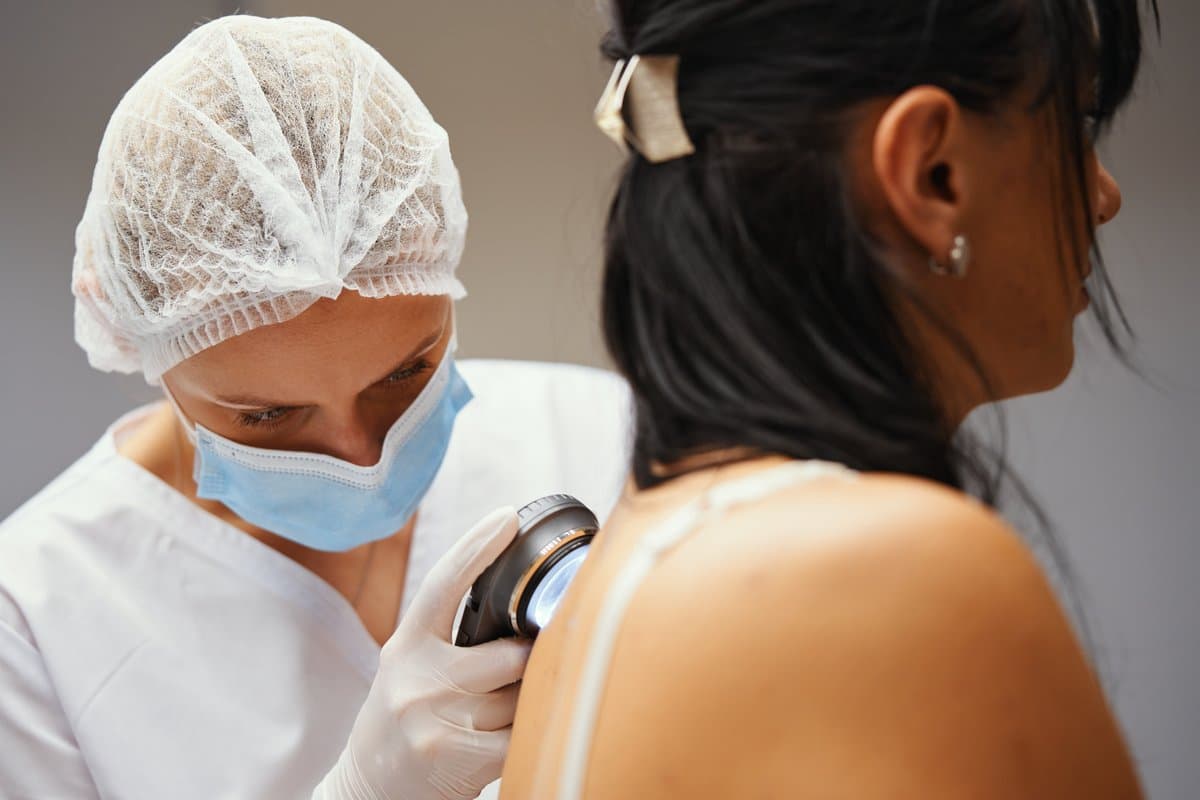
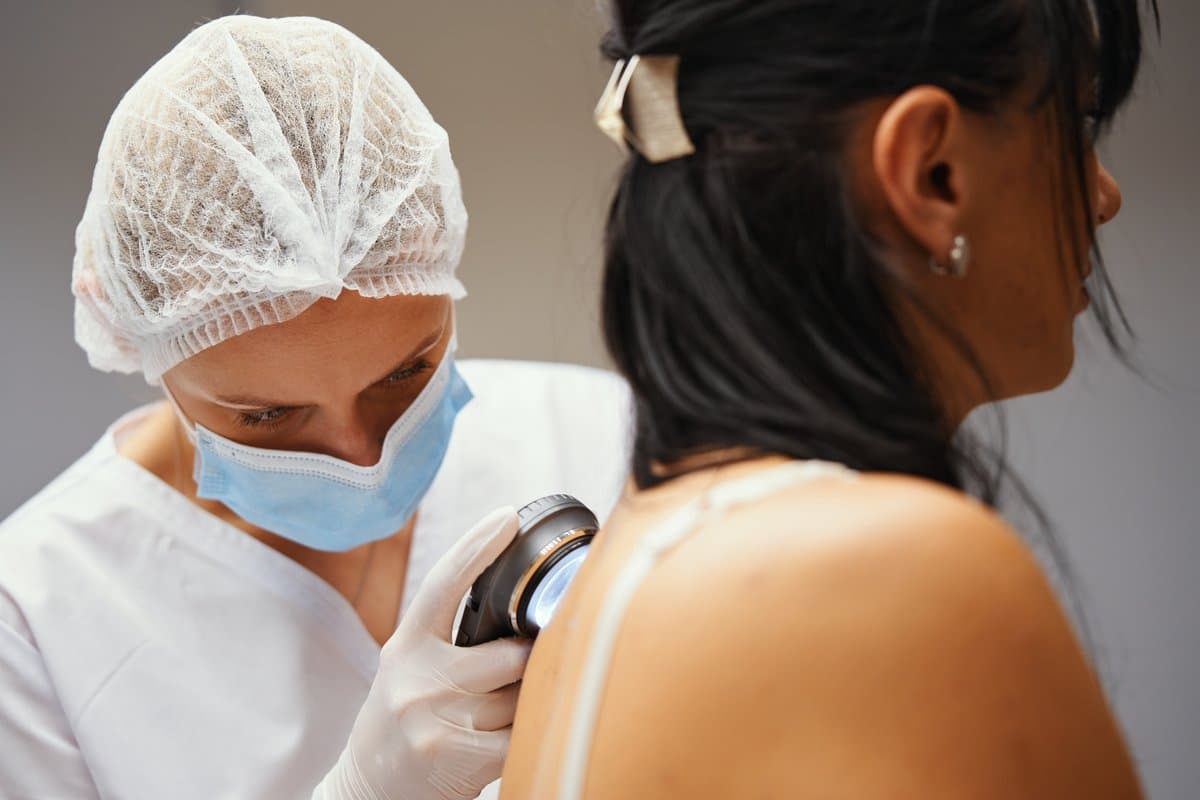
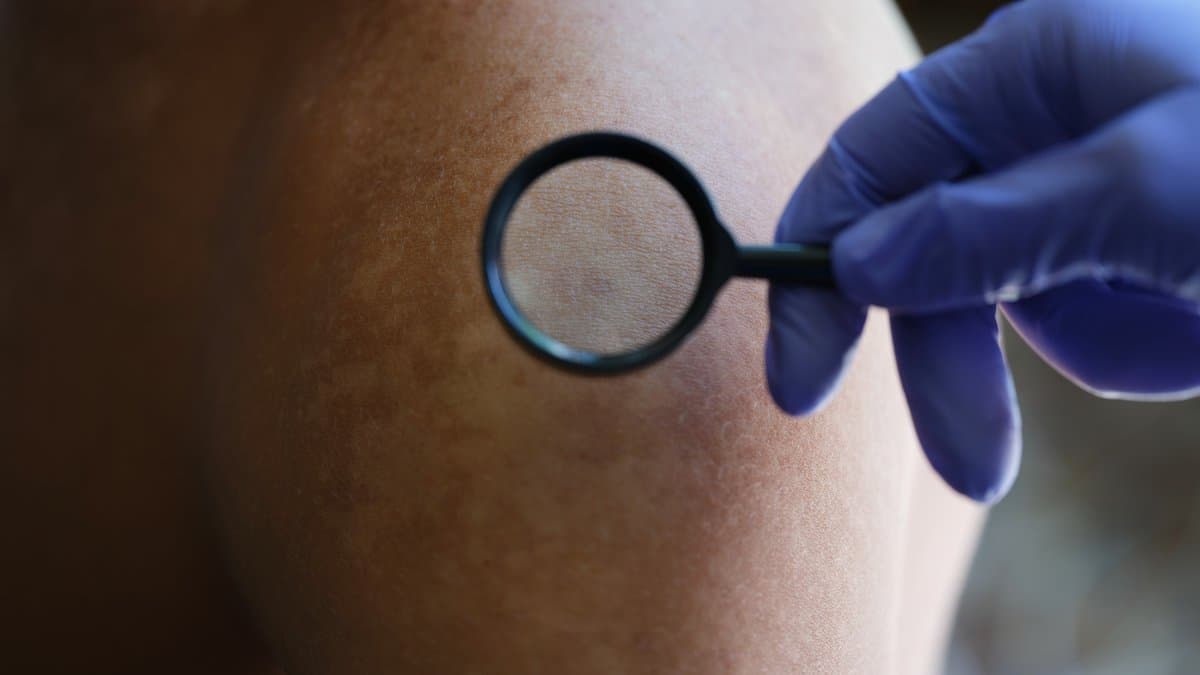
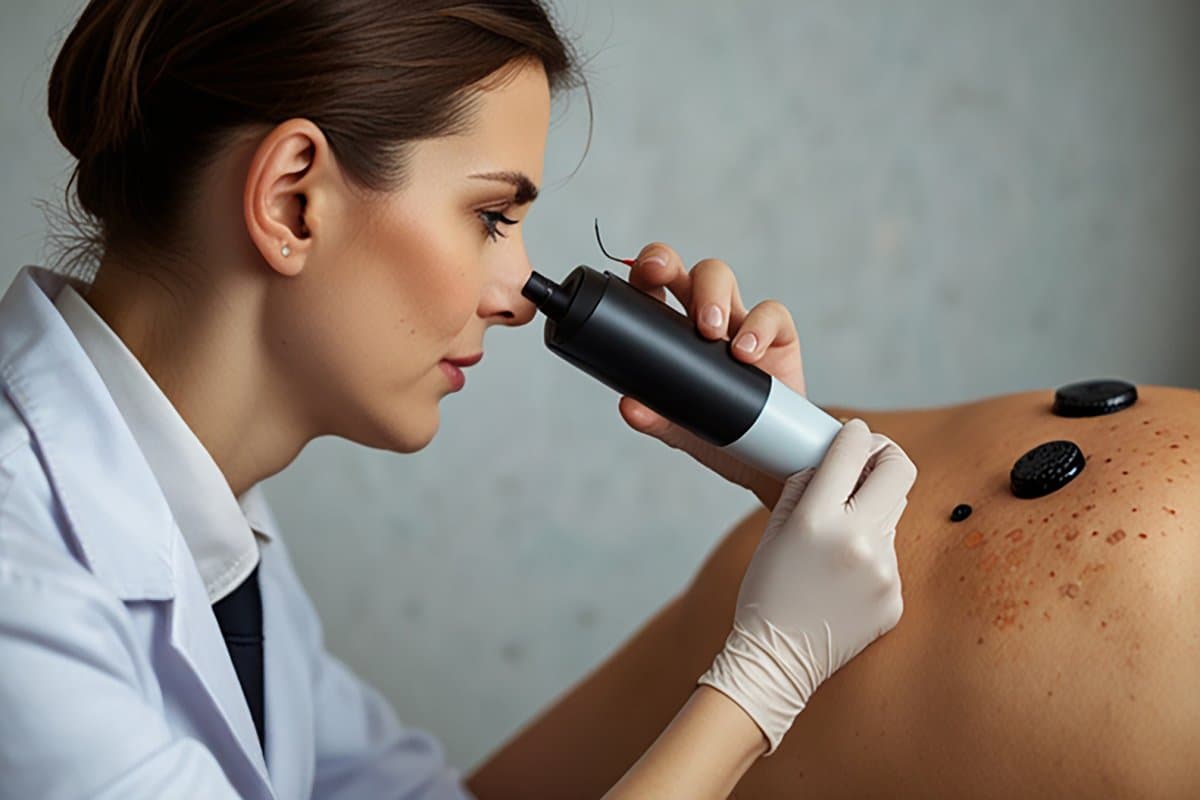
Diagnosing amelanotic melanoma is one of the greatest challenges in dermatology. Standard visual inspection often fails because clinicians rely heavily on pigmentation patterns to flag suspicious lesions. Dermoscopy, a technique that uses a magnifying lens and polarized light to examine skin structures below the surface, is invaluable in these cases.
Under dermoscopy, amelanotic melanomas may reveal vascular patterns such as dotted or irregular vessels, milky-red areas, or remnants of pigment structures that are invisible to the naked eye. When a lesion raises any degree of clinical suspicion, a biopsy is the definitive step to confirm or rule out melanoma. Clinicians are increasingly trained to maintain a high index of suspicion for any persistent, unexplained pink or red lesion.
Treatment Options
Treatment for amelanotic melanoma follows the same principles as treatment for pigmented melanoma and depends on the stage at diagnosis. Surgical excision with appropriate safety margins remains the standard first-line treatment. For thin, early-stage amelanotic melanomas, wide local excision is often curative.
If the melanoma has progressed, sentinel lymph node biopsy may be recommended to check for regional spread. Advanced cases may require immunotherapy with checkpoint inhibitors, targeted therapy for tumors carrying specific genetic mutations, or radiation therapy. Because amelanotic melanoma is often caught at a more advanced stage, the likelihood of needing systemic therapy is higher than with typical melanomas.

Prevention and the Role of AI Skin Scanning
Preventing amelanotic melanoma involves the same sun-safe behaviors that reduce risk for all skin cancers: regular use of broad-spectrum sunscreen, wearing protective clothing, avoiding tanning beds, and seeking shade during peak UV hours. However, because amelanotic melanoma is so difficult to detect visually, routine self-examination and professional skin checks are essential. Pay attention to any new or changing lesion regardless of its color.
Skinscanner can assist in identifying suspicious features in skin lesions that might otherwise be dismissed due to a lack of pigmentation. By analyzing structural and vascular patterns in your skin photos, AI-powered tools add an extra layer of vigilance and can prompt you to seek professional evaluation before a dangerous lesion progresses undetected.