
Causes
The main cause of actinic keratosis is long‑term exposure to UV radiation from the sun or tanning beds, which gradually damages skin cells. Fair skin, older age, weakened immunity, and certain chemicals or radiation further increase the risk.
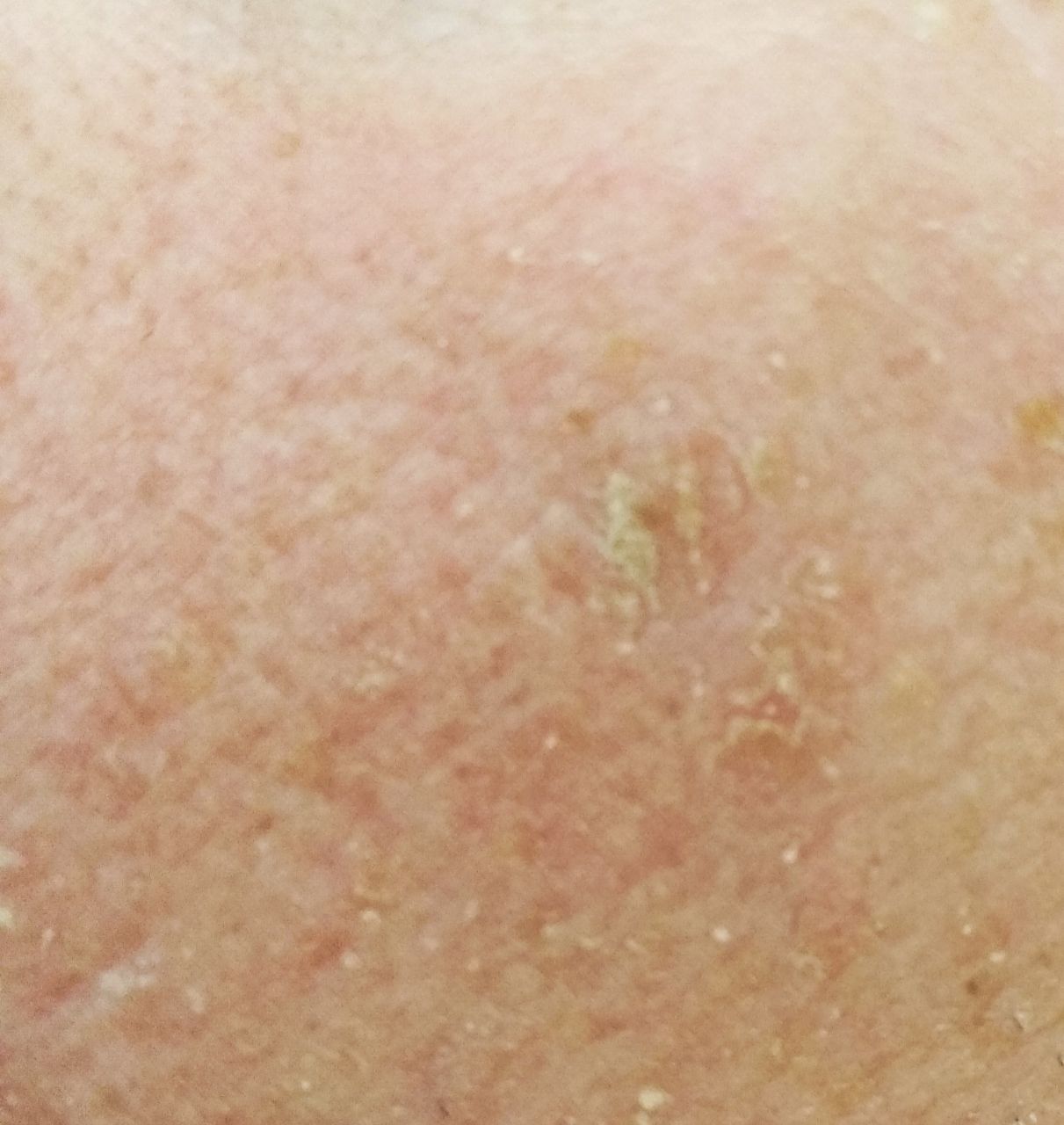
Actinic keratosis
Frequency
Common
Age Group
Adults & Elderly
Progression
Chronic
Contagious
No
Actinic keratosis is a rough, scaly patch on sun‑exposed skin caused by long‑term UV damage. It’s considered a precancerous change because a small portion can turn into squamous cell carcinoma over time, so regular checks and often treatment are recommended.
This is general information. With a scan you'll receive a detailed, personalized analysis — including individual risk assessment, progression tracking and recommended actions.
The main cause of actinic keratosis is long‑term exposure to UV radiation from the sun or tanning beds, which gradually damages skin cells. Fair skin, older age, weakened immunity, and certain chemicals or radiation further increase the risk.
Actinic keratosis is a precancerous condition, and a proportion of lesions can turn into squamous cell carcinoma over time. Having many or thick, inflamed lesions also signals a higher general risk of skin cancer in the surrounding sun‑damaged skin.
Treatment usually combines strong sun protection with removing or destroying the damaged spots using methods like freezing, laser, creams, or photodynamic therapy. The exact choice depends on how many lesions you have, how they look, and whether cancer is suspected, which may require a biopsy or surgical removal.
The information provided here is for educational purposes only and does not replace professional medical advice. Always consult a dermatologist or physician if you have any concerns.
Lentigo melanoma is a type of melanoma that usually develops on sun‑damaged skin of the face in older adults, often on top of a long‑standing flat brown patch called lentigo maligna (Dubreuilh melanosis). It tends to grow slowly on the surface for years, but once it starts growing deeper it becomes aggressive, can spread to lymph nodes and internal organs, and always needs prompt specialist treatment.
Melanoma is an aggressive skin cancer that develops from pigment-producing cells called melanocytes. It most often appears on the skin but can also occur on the eye, mucous membranes, or under the nails. Early detection and complete surgical removal greatly improve the chances of cure.
The best prevention is lifelong sun protection: limit strong sun, avoid tanning beds, use SPF 30+ sunscreen, and wear hats and covering clothing. Regular skin self‑checks and early removal of suspicious spots also help prevent progression to skin cancer.
You should see a dermatologist for any persistent rough, scaly sun‑exposed spot, especially if it grows, thickens, hurts, or bleeds. Regular follow‑up is important because actinic keratosis is a precancerous condition and new lesions often appear over time.
Actinic keratosis is not an emergency, but you should see a dermatologist within a few weeks to months for diagnosis and treatment, especially if you have multiple lesions or any spot that is growing, painful, or bleeding.
Bowen disease is an early, non‑invasive form of squamous cell skin cancer where abnormal cells are limited to the top layer of the skin. It shows up as a slowly growing red, scaly patch or plaque that doesn’t heal and can eventually turn into invasive skin cancer if not treated.