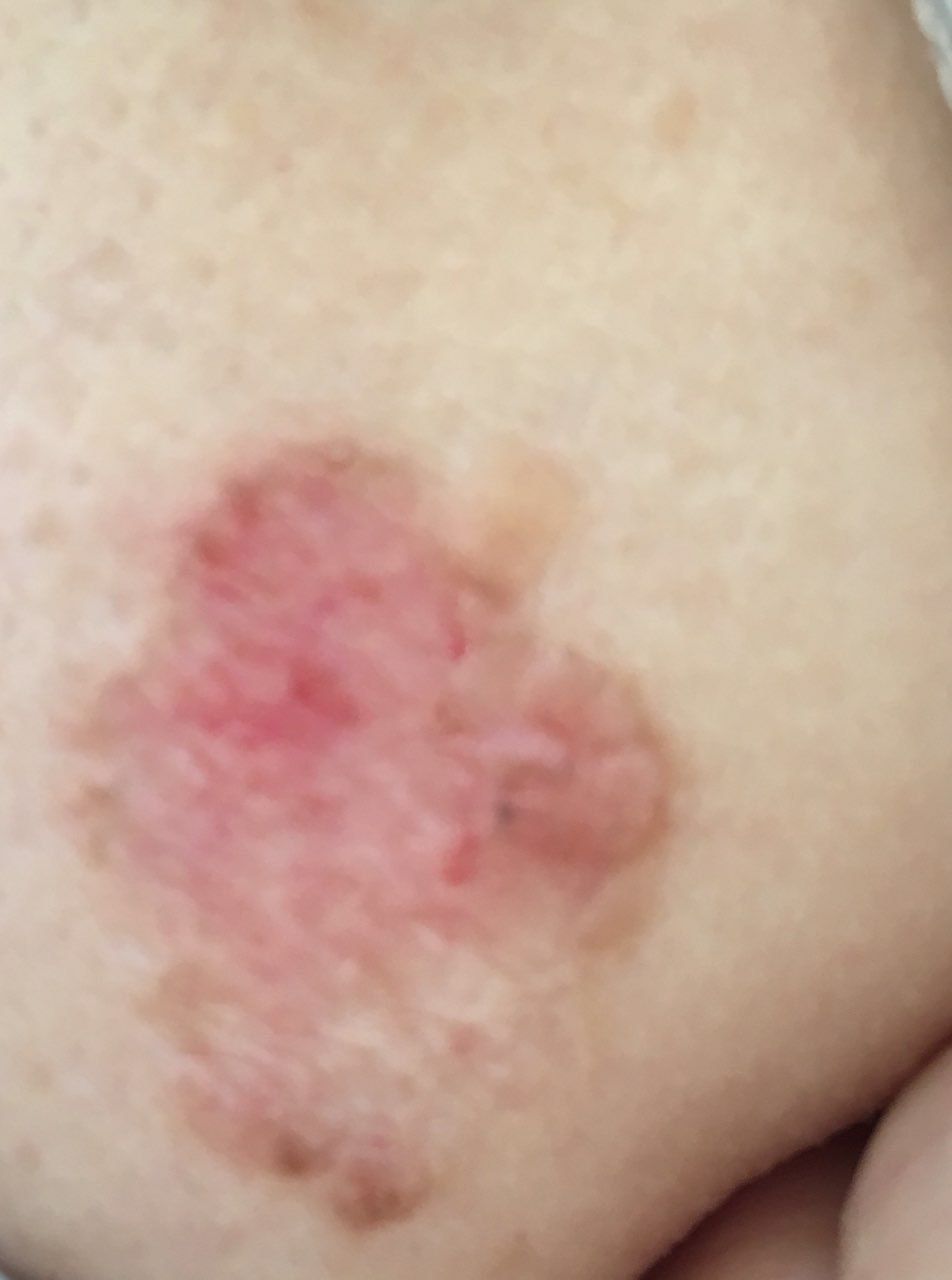
There is no single cause of squamous cell carcinoma, but long‑term UV exposure, radiation, certain chemicals, chronic skin damage, and some rare skin diseases all increase the risk. In some cases, human papillomavirus (HPV) and a weakened immune system also play a role.
SCC can come back after treatment and, in some cases, spread to nearby lymph nodes or distant organs, especially when it is large, deep, or long‑standing. People with one SCC have a higher chance of developing new skin cancers in the future and need regular skin checks.
The main treatment for squamous cell carcinoma is complete surgical removal of the tumor with a margin of healthy skin. Depending on the size, depth, and location, doctors may also use radiotherapy, specialized surgery (like Mohs), or, in advanced cases, systemic treatments such as immunotherapy or chemotherapy.
You can lower your risk of squamous cell carcinoma by protecting your skin from UV, avoiding tanning beds, preventing chronic skin injuries, and following safety rules when working with skin‑damaging chemicals or radiation. Regular self‑checks, our AI skin analysis, and timely visits to a dermatologist for changing spots are key.
If you notice a persistent scaly patch, a firm pink lump, or a sore that doesn’t heal and bleeds easily, you should see a dermatologist or oncologist as soon as possible. Early diagnosis with a skin exam, dermatoscopy, and biopsy is crucial to confirm or rule out squamous cell carcinoma.
Possible squamous cell carcinoma should be evaluated by a dermatologist or oncologist within days to a few weeks, not months. Go urgently (within days) if the lesion is rapidly growing, deeply ulcerated, very painful, or if nearby lymph nodes feel enlarged or hard.