

Why Your Skin Type Determines Everything
Building an effective skincare routine starts with one fundamental question: what is your skin type? Your skin type is largely determined by genetics and dictates how much sebum your sebaceous glands produce, how well your skin retains moisture, and how it reacts to environmental stressors. There are five widely recognized skin types: oily, dry, combination, sensitive, and normal.
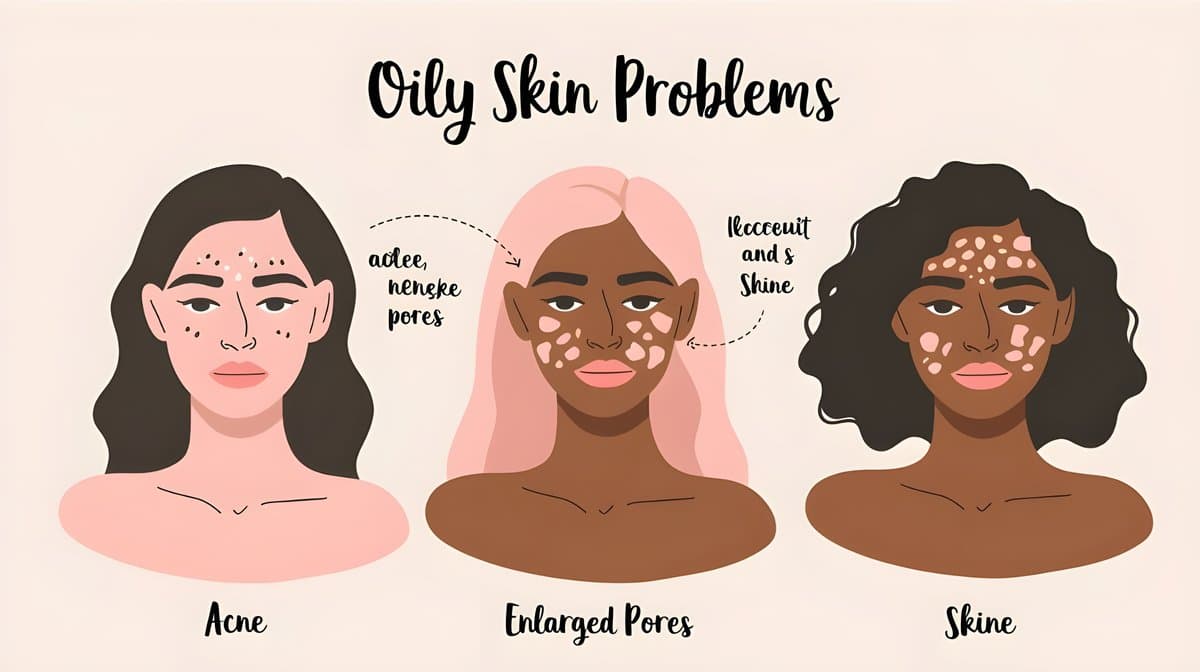
Each behaves differently throughout the day and responds uniquely to products. Oily skin tends to produce excess sebum, leading to shine, enlarged pores, and a higher likelihood of breakouts. Dry skin lacks adequate natural oil production, often feeling tight, rough, or flaky.
Combination skin features an oily T-zone (forehead, nose, and chin) alongside drier cheeks. Sensitive skin reacts easily to ingredients and environmental factors, often showing redness, stinging, or irritation. Normal skin maintains a balanced moisture level with minimal concerns.
To determine your skin type, wash your face with a gentle cleanser, pat dry, and wait 30 minutes without applying any product. If your entire face feels slick, you likely have oily skin. If it feels tight and parched, you are probably dry.
If only your forehead, nose, and chin feel oily while your cheeks feel normal or dry, you have combination skin. If your skin looks red or feels irritated from the cleanser alone, sensitivity is a factor. If your skin feels comfortable and balanced, you likely have normal skin. Understanding this baseline is essential because using products formulated for the wrong skin type can worsen existing concerns rather than resolve them.
The Morning Routine: Protection and Hydration
A well-structured morning routine focuses on preparing your skin to face environmental aggressors like UV radiation, pollution, and free radicals. The steps are the same for every skin type, but the specific products you choose should differ. Start with a gentle cleanser.
For oily skin, a foaming or gel cleanser with salicylic acid helps manage excess oil without stripping. For dry skin, opt for a cream or milk cleanser that preserves natural oils. Combination skin does well with a balanced gel cleanser, while sensitive skin benefits from fragrance-free, minimal-ingredient formulas.
After cleansing, apply a toner or essence. This step rebalances your skin's pH and prepares it to absorb subsequent products more effectively. Hydrating toners containing hyaluronic acid or glycerin work across all skin types and help the skin absorb serums more efficiently.!!
Next, apply a targeted serum. Vitamin C serums are an excellent universal morning choice because they provide antioxidant protection against free radical damage from UV exposure and pollution. For oily or acne-prone skin, niacinamide serums at concentrations of 5 to 10 percent help regulate oil production and minimize pores.
Follow with a moisturizer suited to your skin type: lightweight gel moisturizers for oily skin, richer creams for dry skin, and lotion-textured formulas for combination skin. Sensitive skin should look for moisturizers with ceramides and no added fragrance. The final and arguably most critical step is sunscreen.
Apply a broad-spectrum SPF 30 or higher as the last layer of your routine every single morning, regardless of weather or whether you plan to go outside. UV radiation penetrates clouds and windows, making daily protection non-negotiable for preventing premature aging, hyperpigmentation, and skin cancer.

The Evening Routine: Repair and Renewal
Your nighttime routine is where the real skin transformation happens. While you sleep, your skin enters repair mode, with cell turnover and collagen production increasing significantly during the night. An effective evening routine removes the day's buildup and delivers active ingredients that support this natural regeneration process.
Begin with a double cleanse if you wear sunscreen or makeup. The first cleanse uses an oil-based or balm cleanser to dissolve oil-soluble impurities like SPF, sebum, and makeup. The second cleanse with your regular water-based cleanser removes any remaining residue and ensures a clean surface.
Double cleansing is particularly important because sunscreen left on the skin overnight can clog pores and interfere with the skin's natural repair cycle.!! After cleansing, apply your treatment products. This is the ideal time for active ingredients like retinoids, which increase cell turnover and stimulate collagen production.
5 percent) two to three times per week and gradually increase frequency as your skin builds tolerance. For those not using retinoids, chemical exfoliants like alpha-hydroxy acids (glycolic or lactic acid) or beta-hydroxy acids (salicylic acid) can be used two to three times weekly to promote cell turnover and keep pores clear. On nights when you use actives, simplify the rest of your routine to reduce irritation risk.
Follow with a nourishing moisturizer that is slightly richer than your daytime formula. Night creams containing peptides, ceramides, or squalane support the skin barrier and lock in hydration while you sleep. Those with very dry skin may benefit from an occlusive final layer, such as a thin application of petroleum jelly or a sleeping mask, to prevent transepidermal water loss overnight.

Tailoring Your Routine to Oily and Acne-Prone Skin
Oily and acne-prone skin requires a careful balance between controlling excess sebum and maintaining adequate hydration. A common mistake is using harsh, stripping products that temporarily remove oil but trigger a rebound effect where the skin produces even more sebum to compensate. Instead, choose gentle, pH-balanced cleansers and lightweight hydrating layers.
In the morning, a gel cleanser containing salicylic acid at two percent provides mild exfoliation within the pore lining, helping to prevent the clogs that lead to breakouts. Follow with a niacinamide serum, which research has shown to reduce sebum production by up to 30 percent over several weeks of consistent use. Choose an oil-free, gel-textured moisturizer that provides hydration without heaviness.
Look for formulas labeled non-comedogenic, meaning they have been tested to not block pores. For sunscreen, fluid or gel-textured mineral or chemical formulas sit better on oily skin than heavy creams. In the evening, incorporate a retinoid two to four times per week to regulate cell turnover and prevent the buildup of dead skin cells that contributes to congestion.
On alternate nights, a leave-on salicylic acid treatment helps keep pores clear. People with oily skin still need a moisturizer because dehydrated skin increases inflammation and can actually worsen acne.!! An important point for acne-prone individuals: introduce new products one at a time, waiting at least two weeks between additions.
This makes it easier to identify if a specific product triggers breakouts. Avoid the temptation to pile on multiple acne-fighting actives simultaneously. Using benzoyl peroxide, salicylic acid, and retinoids all in the same routine often causes irritation, dryness, and a compromised skin barrier, which paradoxically makes breakouts worse. Targeted, consistent use of fewer well-chosen products outperforms an aggressive multi-product assault every time.

Caring for Dry, Sensitive, and Combination Skin
Dry skin needs extra attention to both hydration (water content) and moisture (oil content). Use a cream-based or oil-based cleanser that cleans without disrupting the lipid barrier. After cleansing, apply a hydrating serum with hyaluronic acid while your skin is still slightly damp so the humectant can draw moisture into the upper skin layers.
Follow with a rich moisturizer containing ceramides, fatty acids, and cholesterol, which are the three key lipids that make up your skin's natural barrier. In winter or dry climates, adding a facial oil before or mixed into your moisturizer provides an extra layer of protection against transepidermal water loss. Avoid products containing high concentrations of alcohol, fragrance, or astringent ingredients, as these can further deplete already compromised dry skin.
Sensitive skin requires the most cautious approach. Keep your ingredient list short, avoid known irritants like fragrance, essential oils, and drying alcohols, and always patch test new products on a small area of your inner forearm or behind your ear for 48 hours before applying them to your face. Look for products specifically formulated for sensitive or reactive skin, often containing soothing ingredients like centella asiatica, allantoin, or colloidal oatmeal.
When incorporating actives, choose gentler forms: bakuchiol instead of retinol, polyhydroxy acids instead of glycolic acid, and azelaic acid instead of stronger chemical exfoliants. Combination skin benefits from a multi-zone approach. You can apply lighter, oil-controlling products to your T-zone while using richer, more hydrating formulas on your cheeks and jawline.
Alternatively, many people with combination skin find that a balanced gel-cream moisturizer addresses both zones adequately without the complexity of applying different products to different areas. The key is observing how each zone of your face responds and adjusting accordingly rather than treating the entire face as a single uniform surface.