

Recognizing the Signs of Sun Damage
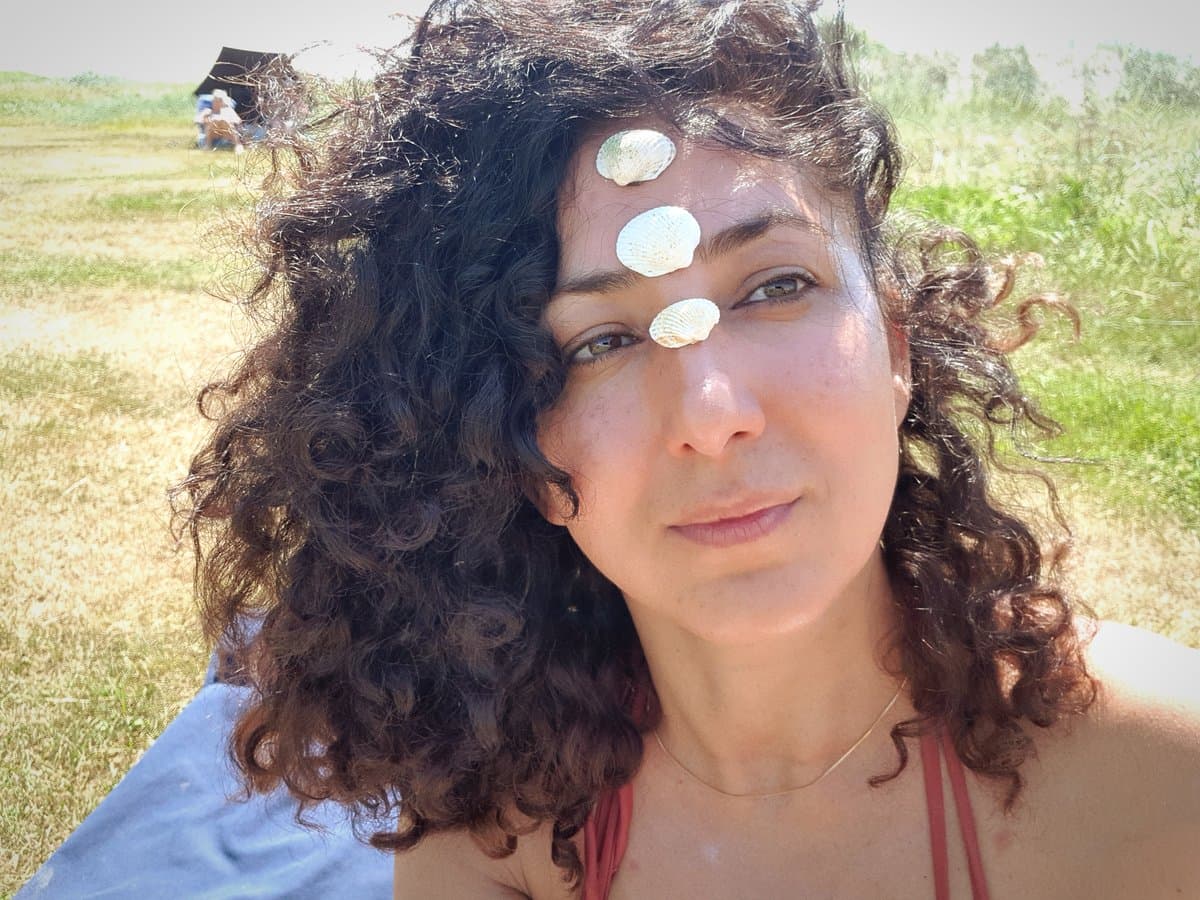
Sun damage accumulates silently over years, and by the time visible signs appear, significant changes have already occurred beneath the surface. The most common indicators include fine lines and wrinkles that appear earlier than expected, rough or leathery skin texture, uneven pigmentation such as sunspots or age spots, and a loss of firmness and elasticity. Freckles that darken or multiply, broken capillaries on the nose and cheeks, and a mottled or blotchy complexion are all hallmarks of photoaging.
More concerning signs include actinic keratoses, which are rough, scaly patches that feel like sandpaper and represent precancerous changes in the skin. Up to 90 percent of visible skin aging is caused by UV exposure rather than the natural aging process, which means most of what we consider aging is actually preventable sun damage.!! Areas that receive the most sun exposure, including the face, neck, chest, hands, and forearms, show damage earliest.
Even skin that has never been sunburned can carry extensive UV damage, because the low-grade daily exposure from walking to your car, sitting near windows, and brief outdoor moments adds up over decades. If you notice new or changing spots, rough patches, or areas that do not heal, those changes deserve evaluation.

How to Prevent Further Damage and Repair Your Skin
The single most effective step is consistent daily sunscreen use. A broad-spectrum SPF 30 or higher applied every morning and reapplied every two hours during prolonged exposure blocks the UV rays that drive further damage. m.
m. provide additional defense. For repair, retinoids are the gold standard.
Prescription tretinoin has decades of clinical evidence showing it can reverse fine lines, improve skin texture, and fade pigmentation by accelerating cell turnover and boosting collagen production. Vitamin C serums provide antioxidant protection and help brighten existing sun spots. Clinical studies show that consistent retinoid use combined with daily sunscreen can reverse up to 10 years of visible photoaging within 6 to 12 months.!!
Chemical exfoliants like glycolic acid remove damaged surface cells and stimulate renewal. For deeper damage, professional treatments such as chemical peels, laser resurfacing, intense pulsed light therapy, and microneedling can target pigmentation, broken capillaries, and collagen loss more aggressively. Actinic keratoses require medical treatment through cryotherapy, topical chemotherapy creams, or photodynamic therapy, as they carry a small but real risk of progressing to squamous cell carcinoma if left untreated.
