What Is Skin Texture and Why Does It Matter?
Skin texture refers to the surface quality of your skin — how it feels to the touch and how it looks in different lighting conditions. Perfectly smooth, poreless skin exists only in heavily filtered photographs. In reality, every person has some degree of textural variation, including visible pores, fine lines, and occasional bumps.
If pores are your main concern, see our article on large pores explained. This is entirely normal. However, persistent textural irregularities — clusters of small bumps, rough patches, uneven surfaces, or a sandpaper-like feel — often indicate a specific dermatological condition that can be identified and addressed.
Unlike color-based concerns such as redness or dark spots, textural issues are most noticeable in side lighting and often feel more obvious to the person experiencing them than they appear to others. Common texture concerns include keratosis pilaris (small rough bumps typically on the upper arms and thighs), milia (tiny hard white bumps), closed comedones (flesh-colored bumps caused by clogged pores), and general roughness from insufficient exfoliation or barrier damage. Each has a distinct cause and responds to different treatments.
Texture can also be influenced by scarring from previous acne, sun damage that has altered the skin's surface, dehydration that creates a crinkled appearance, and the natural aging process that changes skin renewal rates. Understanding the specific cause of your textural concern is essential, because using the wrong treatment can worsen the problem. An approach that smooths closed comedones may irritate keratosis pilaris, and vice versa.
Keratosis Pilaris and Milia
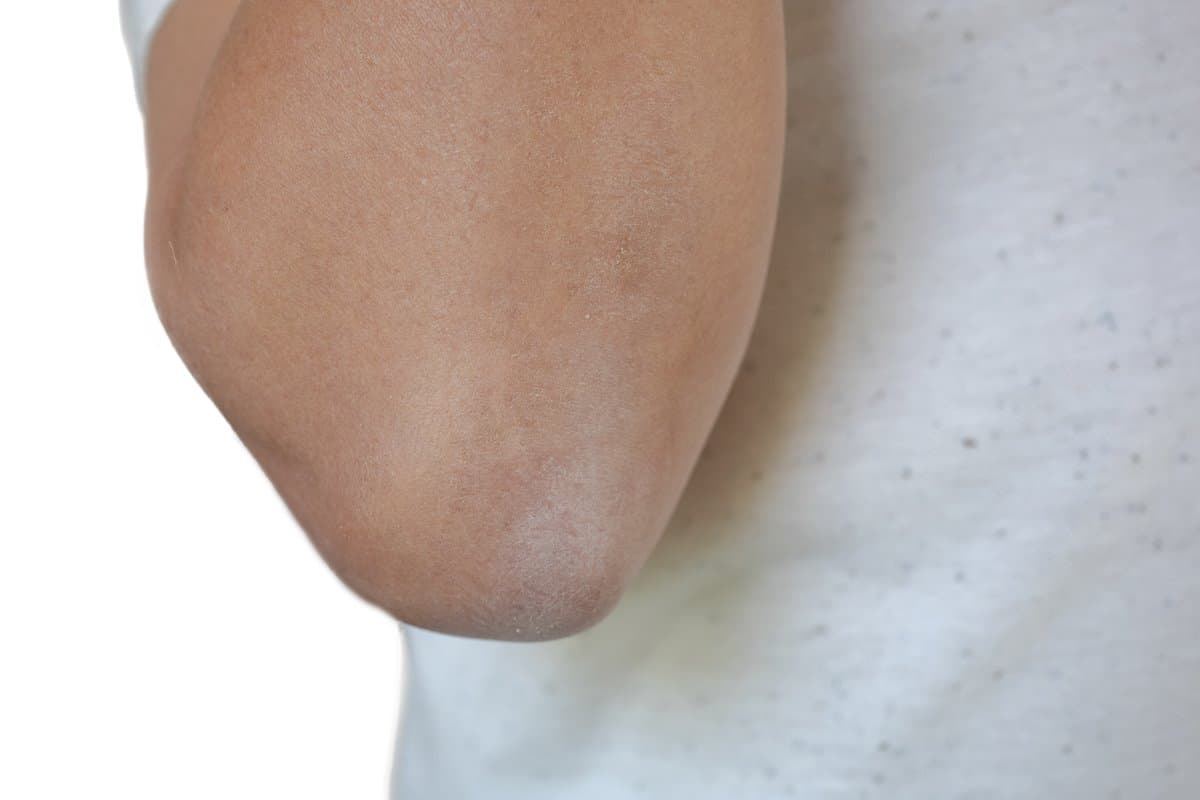
Keratosis pilaris, often called KP or colloquially known as chicken skin, is one of the most common skin conditions, affecting up to 40 percent of adults. It presents as small, rough, flesh-colored or slightly red bumps, most commonly on the upper arms, thighs, buttocks, and sometimes the cheeks. The bumps are caused by a buildup of keratin — a protein that normally protects the skin — that plugs the opening of individual hair follicles.
KP is genetic and harmless. It tends to be more noticeable during winter when skin is drier and often improves in summer with increased humidity and sun exposure. While it cannot be permanently cured, it responds well to regular use of chemical exfoliants containing alpha-hydroxy acids like glycolic or lactic acid, and urea-based moisturizers at 10 to 20 percent concentration.
These dissolve the keratin plugs and smooth the skin surface. Consistent moisturizing is essential — KP worsens significantly with dry skin. Keratosis pilaris is often mistaken for acne, but unlike acne it is not caused by bacteria or excess oil, which means acne treatments like benzoyl peroxide are ineffective and may cause unnecessary dryness and irritation.!!
Physical exfoliation with gentle scrubs can help but should be moderate — aggressive scrubbing worsens KP by triggering inflammation. Milia are firm, white, dome-shaped bumps typically 1 to 2 millimeters in diameter that appear most often around the eyes, on the cheeks, and on the forehead. They form when keratin becomes trapped beneath the surface of the skin in small cysts.
Unlike whiteheads, milia are not associated with a pore opening and cannot be squeezed out. They are harmless and sometimes resolve spontaneously, but persistent milia are best treated by a dermatologist through gentle extraction with a sterile needle or lancet. Retinoids can help prevent new milia by promoting cell turnover.
Closed Comedones and Other Textural Bumps
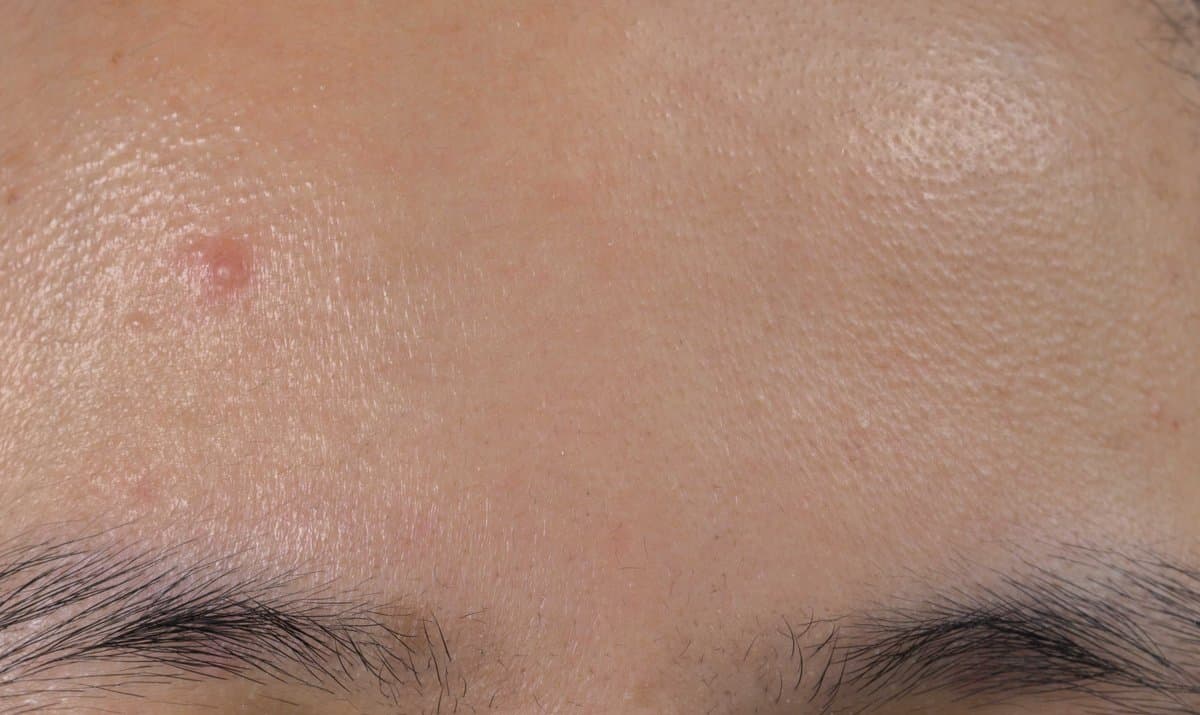
Closed comedones are flesh-colored or slightly white bumps that form when a pore becomes clogged with a mixture of sebum and dead skin cells but remains covered by a thin layer of skin. Unlike open comedones (blackheads), closed comedones are not exposed to air and therefore do not oxidize. They are most common on the forehead, chin, and jawline and create a bumpy, uneven texture that is particularly visible in side lighting.
Closed comedones are a form of acne and respond to acne treatments. Salicylic acid at 1 to 2 percent is often the first-line topical treatment because it penetrates oil to clear pore blockages. Retinoids are highly effective for closed comedones because they normalize the shedding of cells within the follicle, preventing the buildup that causes the clog.
Adapalene (available over the counter in many countries) is a good starting retinoid for this purpose. A common cause of sudden-onset closed comedones is a new skincare or cosmetic product that is comedogenic — meaning it tends to clog pores. Heavy oils, silicone-rich primers, and certain moisturizing ingredients can trigger comedonal breakouts in susceptible individuals.
If you develop a crop of closed comedones shortly after introducing a new product, that product is the likely culprit. Fungal acne, medically known as Malassezia folliculitis, presents as uniform small bumps that closely resemble closed comedones but are actually caused by yeast overgrowth in hair follicles, and it does not respond to traditional acne treatments — a distinction that is important for avoiding months of ineffective therapy.!! Fungal acne often itches, which is unusual for standard comedones, and tends to appear on the chest, back, and forehead. Antifungal treatments like ketoconazole are effective where acne products fail.
Chemical vs Physical Exfoliation for Texture
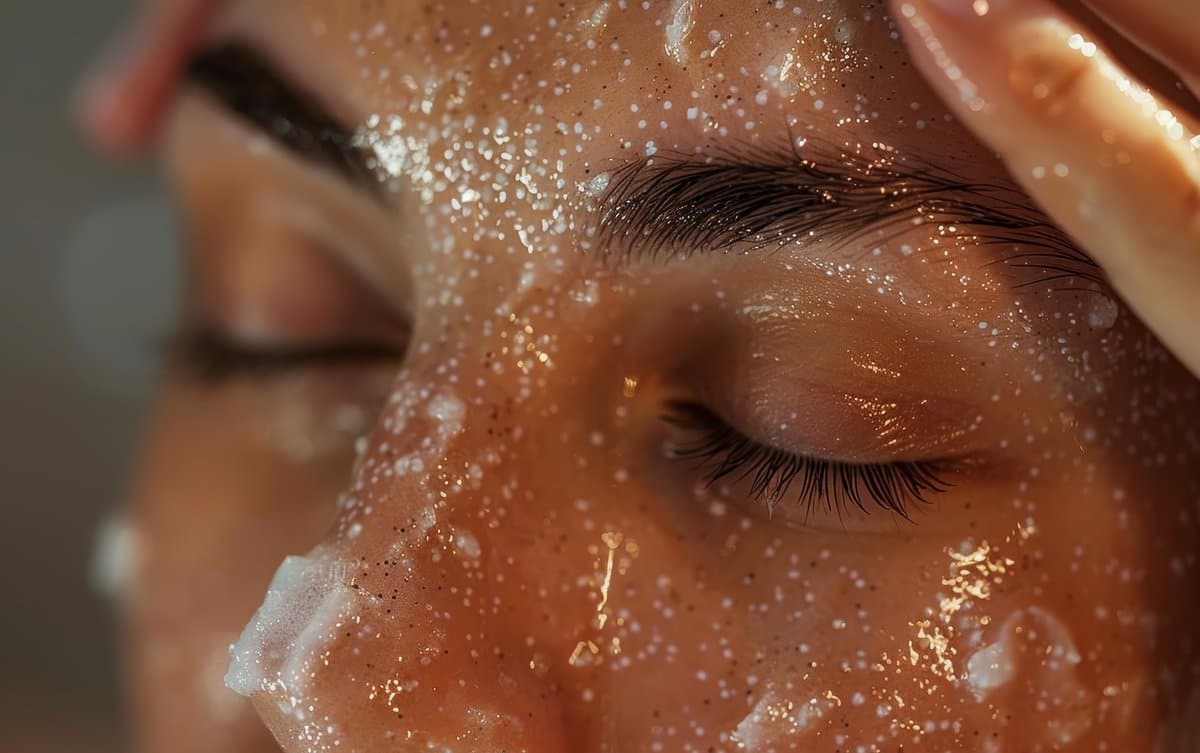
Exfoliation is the primary tool for improving skin texture, but choosing the right method matters. Chemical and physical exfoliation work through different mechanisms, and each has advantages and limitations. Chemical exfoliation uses acids or enzymes to dissolve the bonds between dead skin cells, allowing them to shed more evenly.
Alpha-hydroxy acids like glycolic acid and lactic acid are water-soluble and work primarily on the skin surface to improve overall smoothness and radiance. Beta-hydroxy acid — salicylic acid — is oil-soluble and penetrates into pores, making it better suited for addressing comedonal bumps and congestion. Polyhydroxy acids like gluconolactone and lactobionic acid are larger molecules that work more gently, making them suitable for sensitive skin.
Physical exfoliation involves manually removing dead cells through scrubbing with a textured product or tool. Gentle options include konjac sponges, soft washcloths, and finely milled scrubs. Harsher options like walnut shell scrubs, stiff brushes, and microdermabrasion devices carry a higher risk of creating micro-tears and irritation, particularly on the face.
For most textural concerns, chemical exfoliation is the more effective and lower-risk approach. It provides more even results, does not depend on application pressure, and can target specific layers of the skin depending on the acid used. 5 to 1 percent salicylic acid — used two to three times per week, increasing frequency as tolerance builds.
Over-exfoliation is a real risk and produces the opposite of the intended result. Stripping the skin barrier causes redness, sensitivity, tightness, and paradoxically rougher texture as the skin desperately tries to regenerate. If your skin stings when you apply moisturizer, you have likely over-exfoliated and need to stop all actives until the barrier recovers.
When Texture Changes Indicate a Condition
Most textural irregularities are cosmetic concerns rather than medical ones. However, certain changes in skin texture warrant professional evaluation. A new rough, scaly patch that does not resolve with moisturizing, particularly on sun-exposed areas like the face, ears, scalp, or backs of the hands, could be an actinic keratosis — a precancerous lesion caused by cumulative UV damage.
These feel rough like sandpaper and may be easier to feel than to see. Early treatment with cryotherapy or topical medications is straightforward and effective. Sudden, widespread textural changes accompanied by other symptoms like itching, redness, or pain may indicate a dermatological condition requiring diagnosis.
Psoriasis can cause thick, scaly plaques. Lichen planus produces flat-topped, shiny bumps. Granuloma annulare forms ring-shaped raised areas.
These conditions have specific treatments that differ significantly from over-the-counter texture-improvement products. Acne scarring creates permanent textural irregularities including ice pick scars, boxcar scars, and rolling scars. While not medically concerning, they can significantly impact self-confidence.
Treatment options include microneedling, fractional laser resurfacing, dermal fillers for individual depressed scars, and chemical peels. These are most effective when performed by experienced practitioners and often require a series of sessions. For everyday textural improvement, patience is essential.
Cell turnover takes approximately 28 days in young adults and progressively longer with age. Any texture-improving treatment needs at least four to six weeks of consistent use before results can be fairly evaluated. Building a simple routine — gentle cleanser, appropriate chemical exfoliant, moisturizer, sunscreen — and maintaining it consistently yields better results than cycling through aggressive treatments.