
Understanding Pore Size and Function
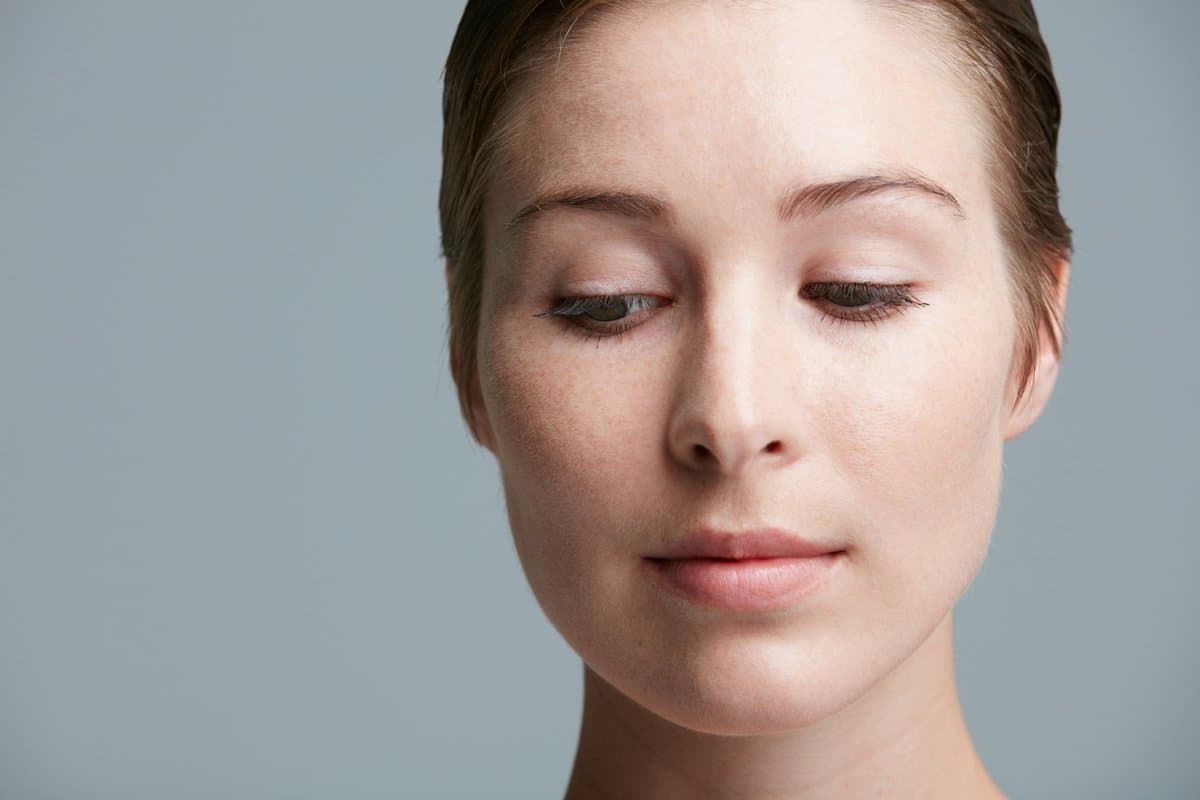
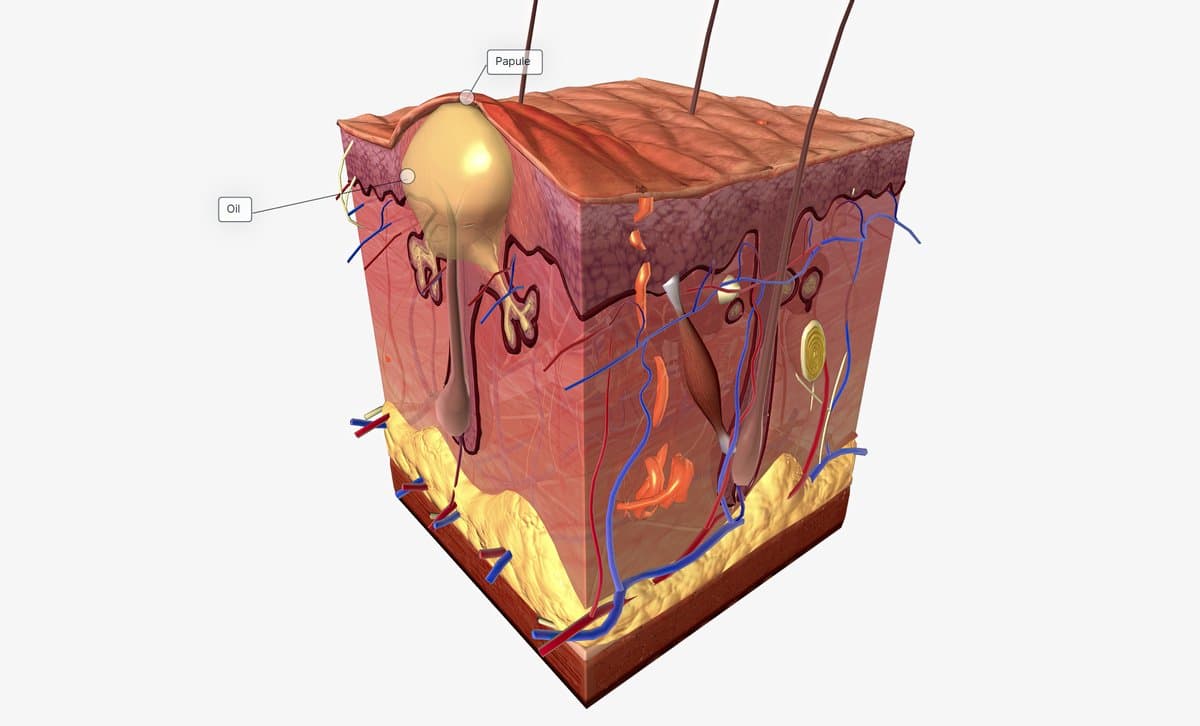
Pores are a source of endless frustration for many people, yet they serve an essential biological function. Every pore on your skin is the opening of a hair follicle, and most also contain a sebaceous gland that produces sebum — the oily substance that lubricates and protects the skin. Without pores, your skin could not regulate temperature through sweating, excrete waste products, or maintain its protective lipid layer.
Pore size is largely determined by genetics. If your parents had visibly large pores, you are more likely to as well. Pore size also correlates with skin type — people with oily skin tend to have larger, more visible pores because their sebaceous glands are more active and the pore openings expand to accommodate higher sebum output.
It is worth clarifying a common misconception from the start: pores do not open and close like doors. They do not have muscles. While heat can cause slight dilation of the pore opening and cold can cause minor contraction, these changes are temporary and minimal.
Products or treatments that claim to permanently shrink or close pores are making promises that are not physiologically possible. What is achievable, however, is minimizing the appearance of pores. The visual prominence of pores is influenced by several modifiable factors including sebum accumulation, loss of skin elasticity, sun damage, and debris within the pore.
Addressing these factors can make pores appear noticeably smaller, even though their actual structural size remains unchanged. Understanding this distinction between pore size and pore appearance is essential for setting realistic expectations.
Why Pores Become More Visible
Several factors beyond genetics contribute to pore visibility, and understanding them explains why pores often seem to enlarge with age even though new pores do not actually form after birth. Sebum overproduction is the most immediate factor. When sebaceous glands produce excess oil, it accumulates within the pore and stretches the opening.
Combined with dead skin cells and environmental debris, this creates visible plugs — blackheads and enlarged pore openings — that make pores look bigger than they are. This is why the T-zone, where oil glands are most concentrated, typically has the most visible pores. Sun damage is one of the most significant and underappreciated causes of enlarged pore appearance, because ultraviolet radiation breaks down collagen and elastin in the skin surrounding each pore, causing the supportive structure to weaken and the pore to appear larger and more lax.!!
Years of cumulative sun exposure gradually degrade the scaffolding that keeps pores taut, which is why pore visibility often increases noticeably in sun-exposed areas compared to sun-protected skin. Aging compounds this effect. Natural collagen production declines by approximately one percent per year after age 20.
As the dermis thins and loses its structural support, pores lose the surrounding firmness that kept them visually tight. Gravity also plays a subtle role, particularly on the cheeks where pores can take on a more elongated, teardrop shape with age. Skin picking and aggressive extraction can physically damage the pore wall, leading to permanently stretched openings. Similarly, chronic inflammation from untreated acne can weaken the tissue surrounding pores over time.
Niacinamide, Retinoids, and Evidence-Based Treatments
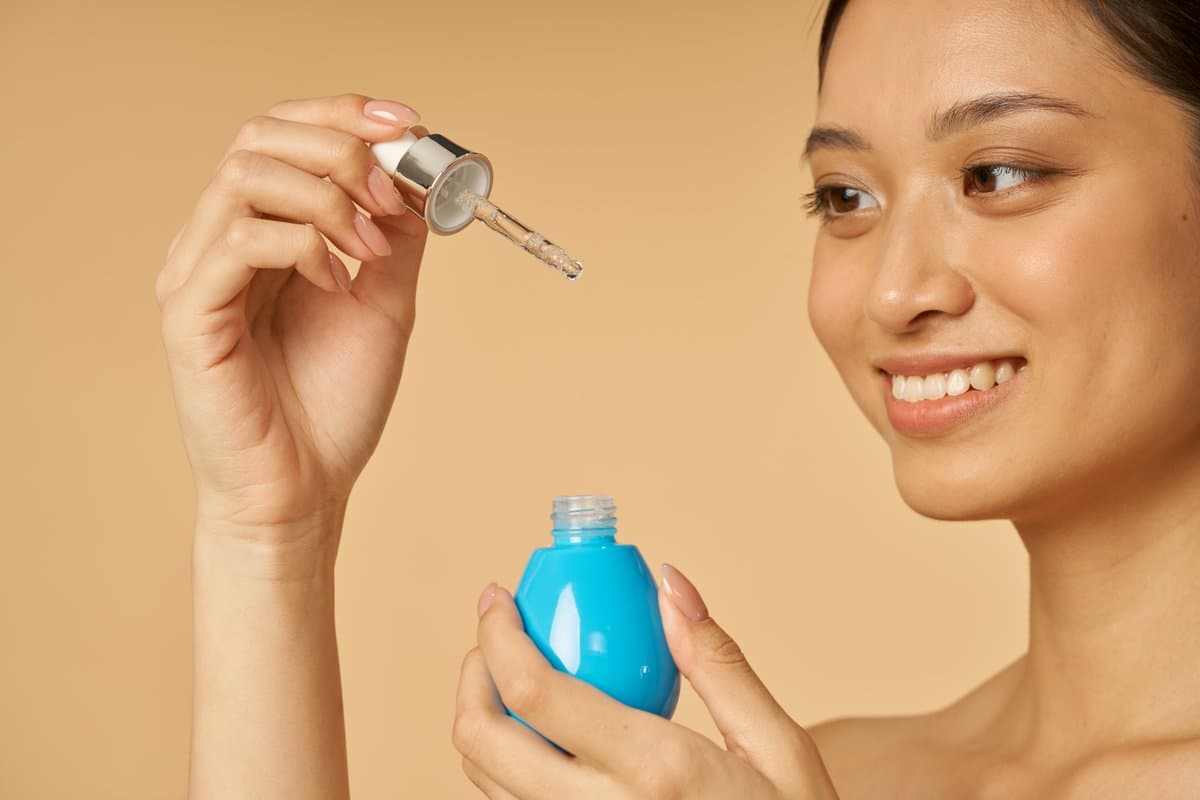
When it comes to ingredients with genuine evidence for improving pore appearance, niacinamide and retinoids stand out as the most well-supported options. For a broader overview, see our guide on the best ingredients for glowing skin. Niacinamide, a form of vitamin B3, has been shown in multiple clinical studies to reduce pore appearance when used at concentrations of 2 to 5 percent.
It works through several mechanisms: regulating sebum production, improving skin elasticity, strengthening the skin barrier, and reducing inflammation. A controlled study published in dermatological research demonstrated visible pore size reduction after 12 weeks of twice-daily niacinamide application. It is well tolerated by most skin types, including sensitive skin, and plays well with other active ingredients.
Retinoids — including over-the-counter retinol and prescription tretinoin — are considered the gold standard for pore minimization because they increase cell turnover, prevent pore clogging, stimulate collagen production, and normalize sebum output, addressing multiple contributing factors simultaneously.!! Results with retinoids typically become visible after 8 to 12 weeks of consistent use, with continued improvement over six months to a year. Salicylic acid is another effective option, particularly for oily skin.
As a beta-hydroxy acid, it is oil-soluble and can penetrate into pores to dissolve sebum plugs and dead cell buildup from the inside. 5 to 2 percent concentration helps keep pores clear and visually smaller. Alpha-hydroxy acids like glycolic acid and lactic acid work on the surface to improve cell turnover and skin texture, which indirectly improves pore appearance. Professional treatments including chemical peels, microneedling, and fractional laser resurfacing can produce more dramatic results by stimulating collagen remodeling at a deeper level.
Myths About Pore Size Debunked
The skincare industry is rife with myths about pores, and separating fact from fiction is important for avoiding wasted money and effort. Myth: Ice cubes or cold water can shrink pores. While cold causes temporary minor constriction of the pore opening, the effect lasts only minutes and has no lasting impact on pore appearance.
Ice can be soothing for inflamed skin but is not a pore treatment. Myth: You can permanently shrink pores to invisibility. Pore size is structurally determined.
You can minimize their appearance significantly, but the goal of pore-free skin that some marketing promotes is not realistic. Even with the best treatments, pores remain visible at close inspection — and that is perfectly normal. Myth: Pore strips remove blackheads and shrink pores.
Pore strips remove the superficial portion of sebaceous filaments and some blackheads, but the effect is temporary. The pore refills within days. More importantly, aggressive use of pore strips can damage the skin surface and potentially enlarge pore openings through repeated mechanical stress.
Myth: Oily skin does not need moisturizer, and skipping it will reduce pore size. Depriving oily skin of moisture can actually trigger compensatory oil production, making pores appear larger. A lightweight, non-comedogenic moisturizer supports barrier function and can help regulate oil output.
Myth: Makeup causes large pores. Makeup itself does not enlarge pores, but failing to remove makeup thoroughly can lead to pore congestion, which makes pores more visible. Proper cleansing — ideally double cleansing with an oil-based cleanser followed by a water-based one — prevents product buildup within pores.
Myth: Steaming opens pores for better cleaning. Steam softens sebum and loosens surface debris, which can make extraction slightly easier, but it does not change pore size. Excessive steaming can also worsen redness and sensitivity in reactive skin types.
A Realistic Routine for Pore Minimization
Building a routine around pore minimization requires patience and consistency rather than aggressive treatment. The most effective approach targets the modifiable factors — oil control, collagen support, pore clarity, and sun protection — simultaneously. Start with a gentle cleanser morning and evening.
Over-cleansing strips the barrier and stimulates oil production, which is counterproductive. If you wear makeup or sunscreen, use an oil-based cleanser first to dissolve those products, followed by a gentle foaming or gel cleanser. Incorporate a salicylic acid product two to three times per week to keep pores clear.
5 to 2 percent concentration. If your skin tolerates it well, daily use is acceptable. Apply a niacinamide serum at 3 to 5 percent concentration daily.
Niacinamide is stable, well tolerated, and compatible with most other active ingredients, making it easy to layer into any routine. Apply after cleansing and before moisturizing. Introduce a retinoid gradually — starting two to three nights per week with a low concentration retinol, building to nightly use over several weeks.
Prescription tretinoin offers stronger results but requires a dermatologist's guidance. Always use retinoids in the evening and follow with moisturizer. Sunscreen is non-negotiable.
UV damage degrades collagen and directly worsens pore appearance over time. Use a broad-spectrum SPF 30 or higher every morning. If your primary concern is daytime shine, mineral sunscreens containing zinc oxide often have a mattifying effect.
Set realistic expectations. Noticeable improvement typically takes 8 to 12 weeks of consistent use. Pores will not vanish, but their appearance can be significantly refined with sustained effort.