Què és el Molluscum Contagiosum?
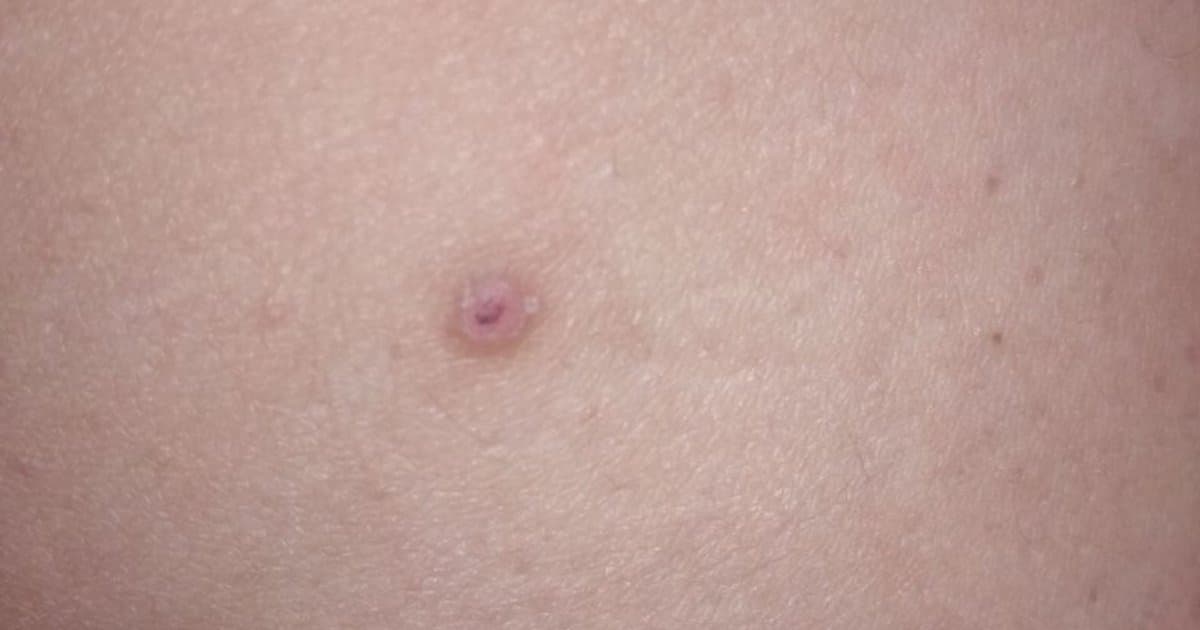
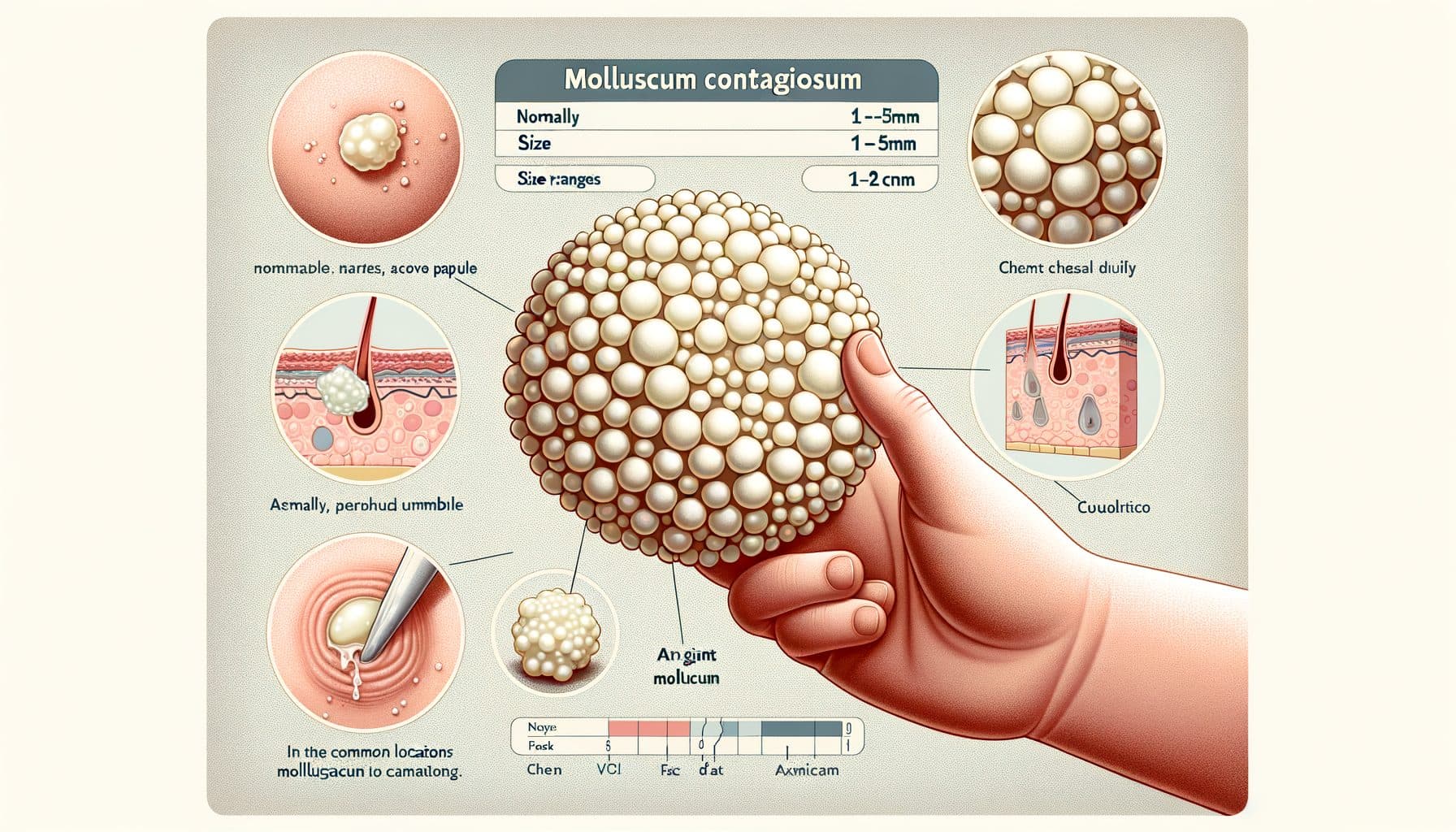
El molluscum contagiosum (verrugues d'aigua) són creixements cutanis benignes causats pel virus del molluscum contagiosum (MCV) de la família dels poxvirus. Malgrat el nom, no són veritables verrugues (que són causades per l'HPV). Són típics petits nòduls perllongats de 2 a 5 mm amb un forat central característic (umbilicació). El molluscum contagiosum afecta principalment nens entre 2 i 12 anys, però pot ocórrer a qualsevol edat — en adults, sovint es transmet sexualment.
Transmissió i Factors de Risc
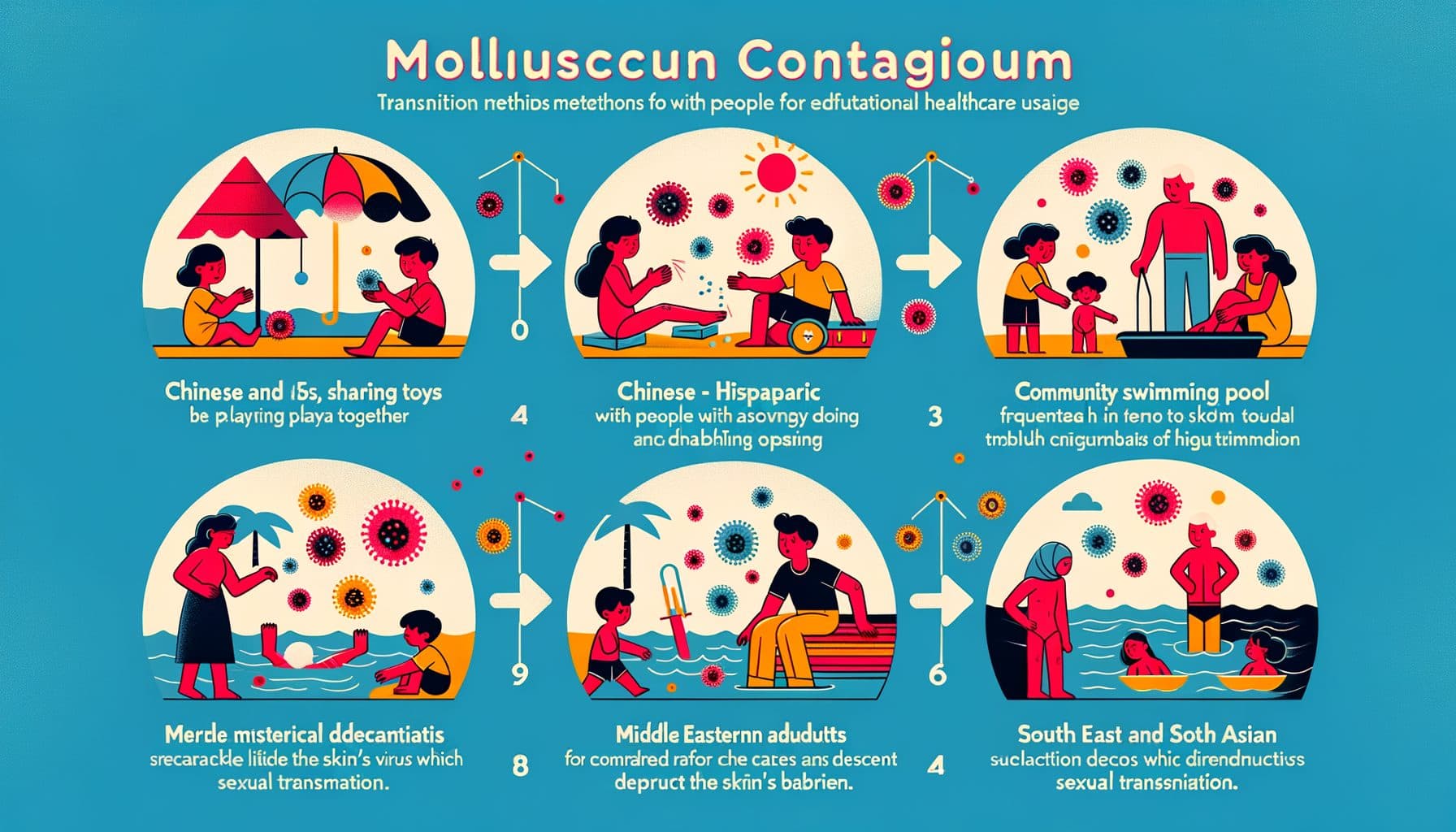
El virus es transmet a través del contacte directe amb la pell o mitjançant objectes contaminats (tovalloles, joguines, articles de piscina). En nens, la infecció sovint es produeix durant el joc, a les piscines o quan es comparteixen objectes. L'auto-inoculació — la propagació a altres llocs del cos mitjançant el raspat — és comú.
En adults, la transmissió sexual és una ruta prevalent. La dermatitis atòpica (eczema) és un factor de risc significatiu, ja que la barrera cutània deteriorada permet un fàcil accés al virus.!!
Símptomes i Reconeixement
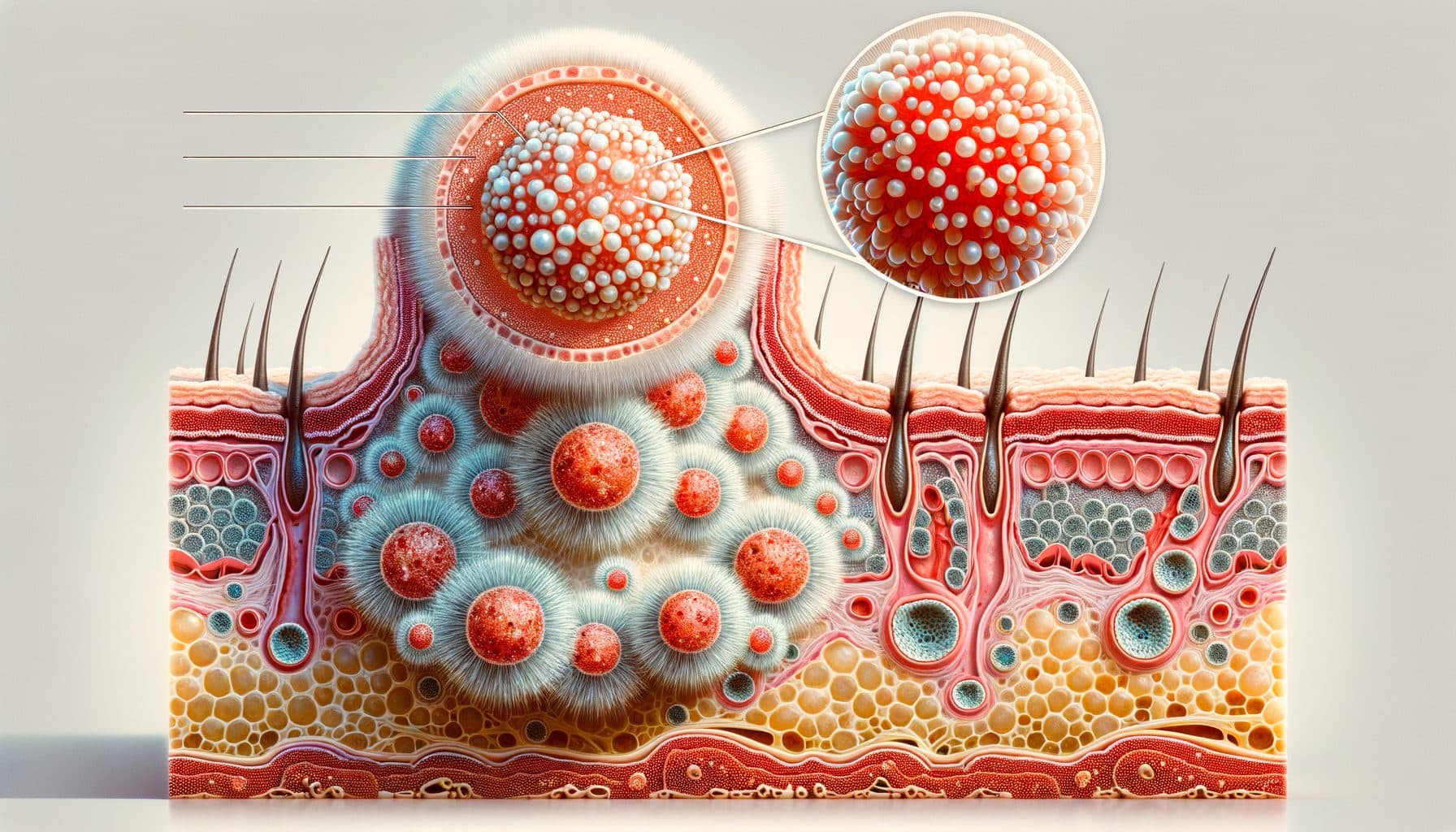
El molluscum contagiosum apareix com a pápules rodones, llises, perles o de color de pell amb una indentació central característica (umbilicació). Quan es comprimeixen, emergeix una massa blanquinosa i formatjosa — el conegut cos de molluscum, que conté una gran quantitat de partícules virals. La mida varia entre 1–5 mm, rarament fins a 1–2 cm (molluscum gegant en immunodeficiència).
Els llocs favorits en nens són el tronc, les extremitats, les aixelles i la cara. En adults amb transmissió sexual, les lesions es troben a la regió genital i inguinal.
Diagnòstic
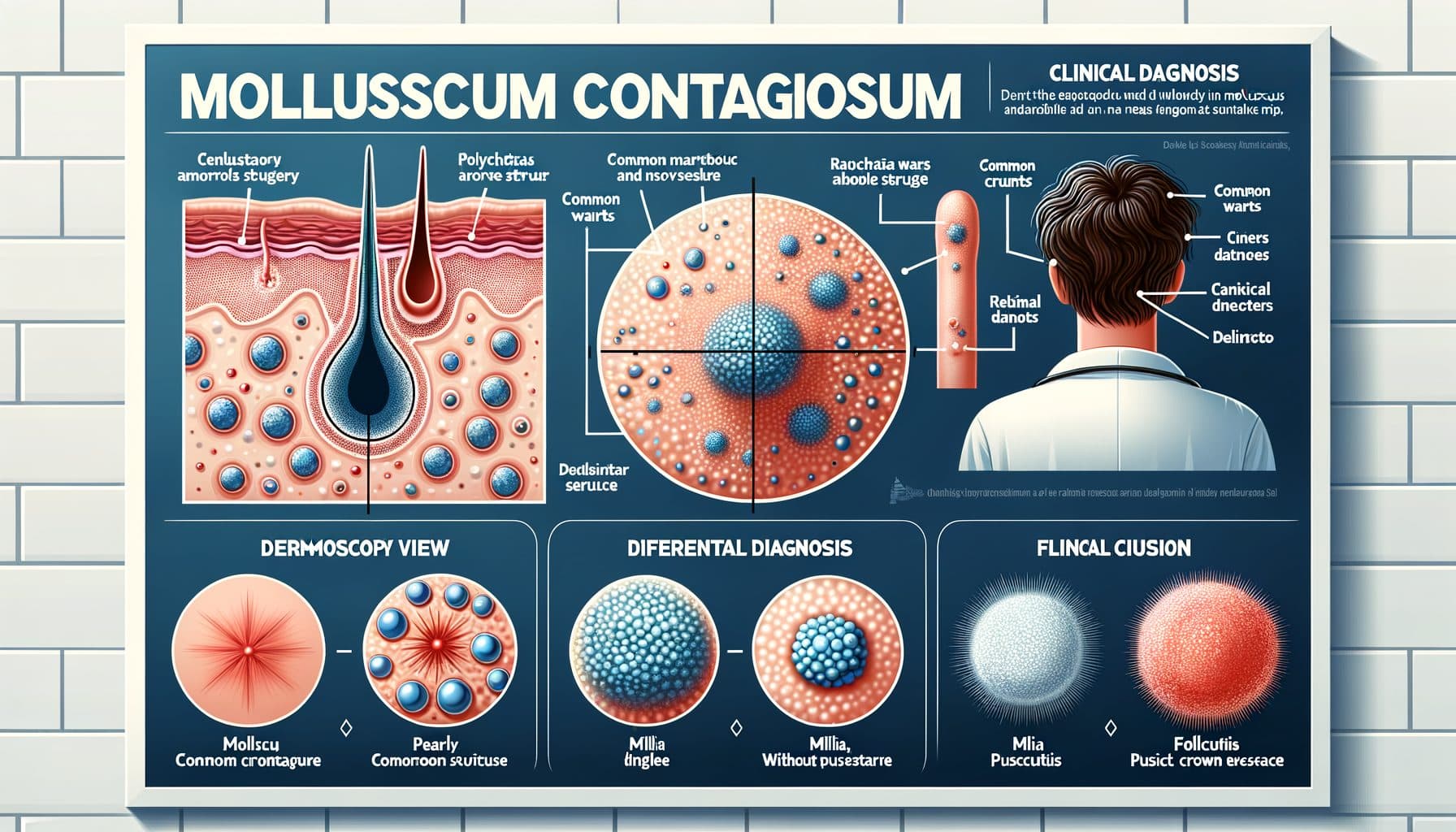
El diagnòstic és clínic, basat en l'aparença típica — pápules perlades amb un forat central. La dermatoscòpia mostra un patró típic amb un porus central o una estructura amorfa policromàtica envoltada de vasos radials (signe de la corona). Els diagnòstics diferencials inclouen berrugues comunes, milia, callositats, histoplasmosi i en pacients immunosupressos, criptococosi. La biòpsia és poc freqüent però pot ajudar amb presentacions atípiques.
Opcions de Tractament
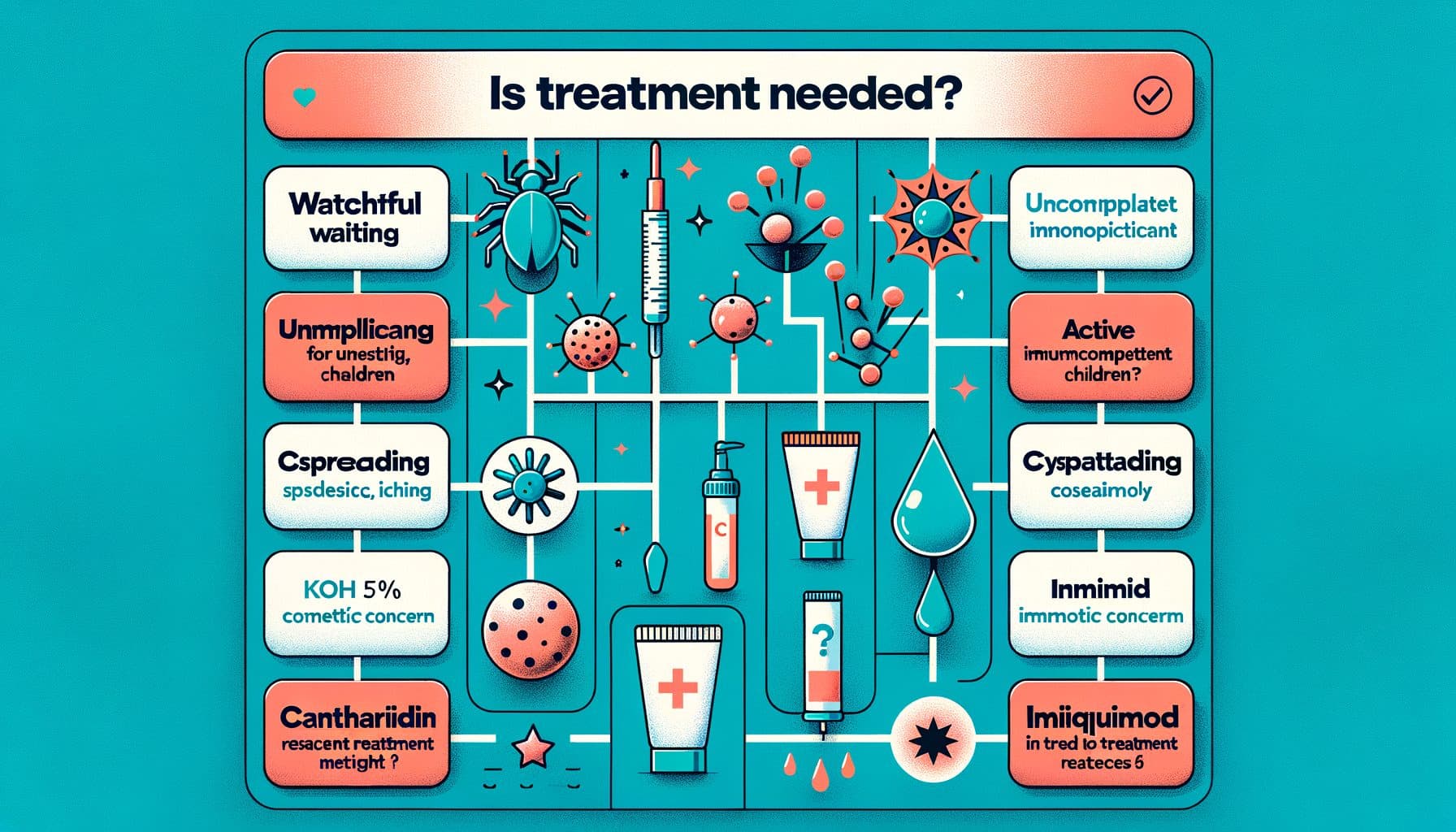
Atès que el molluscum contagiosum és autolimitat, l'espera vigilant és acceptable en casos no complicats en nens. Es recomana un tractament actiu per: propagació, picor, molèsties estètiques, transmissió sexual en adults o immunodeficiència. Les opcions inclouen: curetatge (raspallant els nòduls — ràpid però pot requerir anestèsia tòpica en nens), crioteràpia, solució d'hidroxid de potassi (KOH 5–10% tòpic), cantharidina (extracte de l'escarabat butllofes, disponible en alguns països), i immunomoduladors tòpics com l'imiquimod.
Evolució i Prevenció
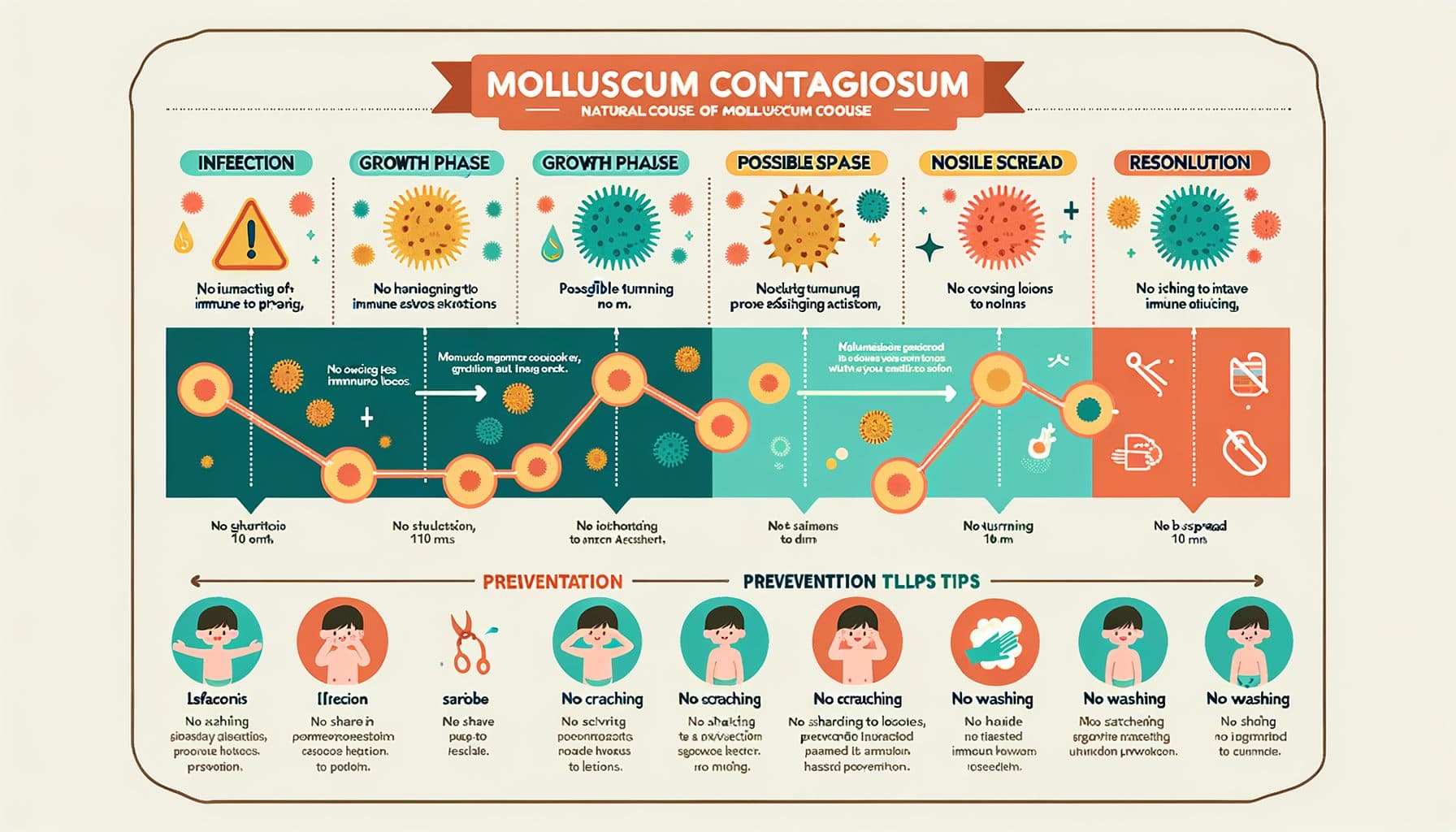
Sense tractament, el molluscum contagiosum es resol en individus immunocompetents en un període de 6–18 mesos (de vegades fins a 4 anys). Abans de desaparèixer, les lesions poden inflamar-se — un signe de resposta immune activada (reacció BOTE: Beginning Of The End).!! Prevenció: evitar el contacte directe de la pell amb lesions, no compartir tovalloles i equip de natació, cobrir lesions i no rascar. Els nens amb molluscum no han de ser excloïts de la natació, però les lesions han de ser cobertes.
Com l'Anàlisi de Pell per IA Pot Ajudar
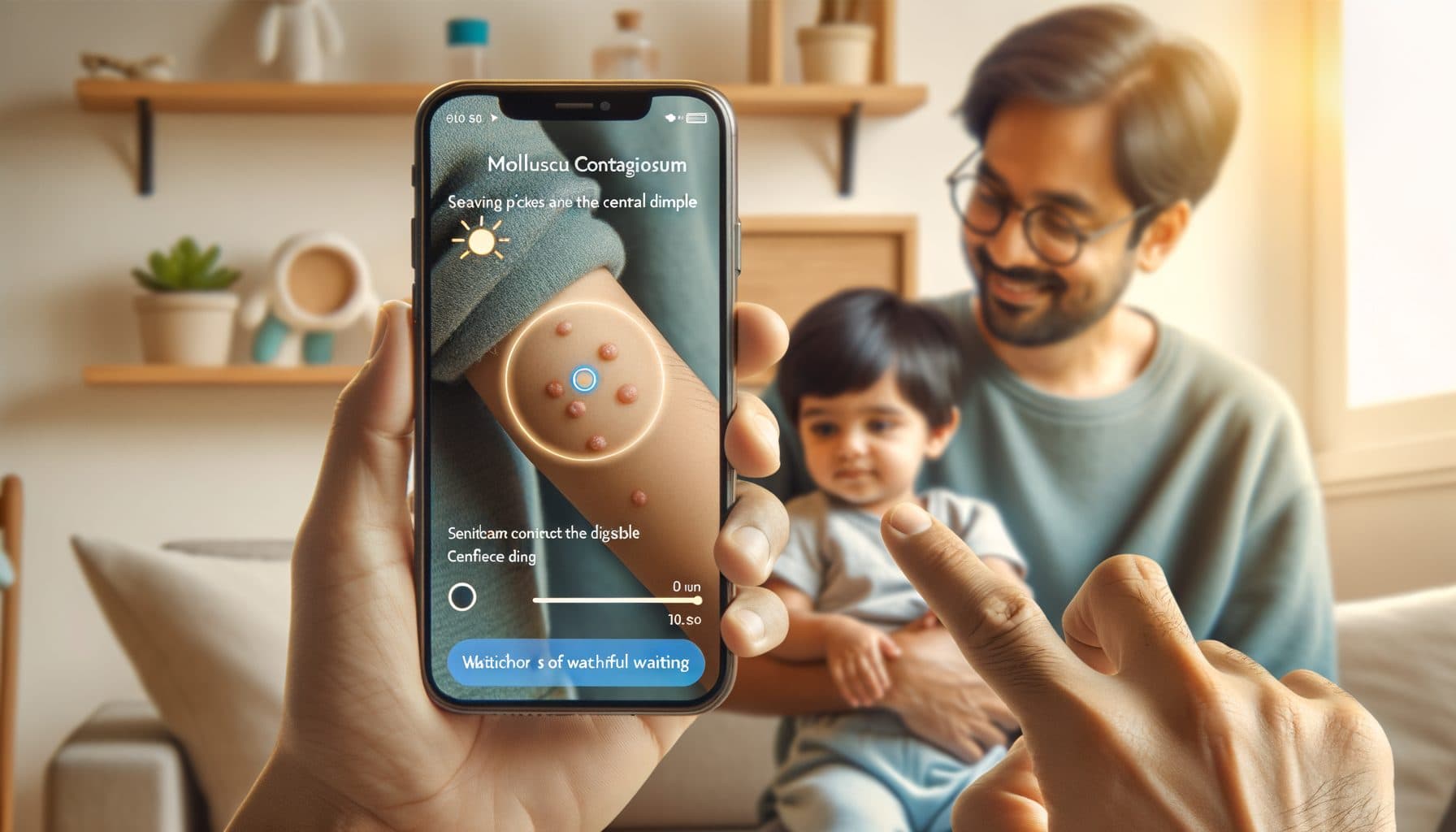
Els pares sovint noten petites protuberàncies a la pell del seu fill i no estan segurs del que són — molluscum, berrugues, milia o alguna altra cosa. Skinscanner analitza la forma, les característiques de la superfície i el característic forat central per ajudar a identificar si les protuberàncies són coherents amb el molluscum contagiosum. Aquesta avaluació inicial pot reduir l'ansietat parental i ajudar-te a decidir si l'espera vigilant és apropiada o si s'ha de seguir un tractament.
El seguiment regular de fotos és valuós per monitorar la propagació de lesions, documentar-ne de noves i detectar la fase d'inflamació (reacció BOTE) que senyala que el sistema immune està netejant el virus. Per als adults amb molluscum genital, l'aplicació pot ajudar amb la identificació inicial abans de buscar confirmació mèdica. Skinscanner no substitueix el diagnòstic clínic, però proporciona orientació accessible per a una condició infantil comú que sovint causa més preocupació de la que realment justifica.