
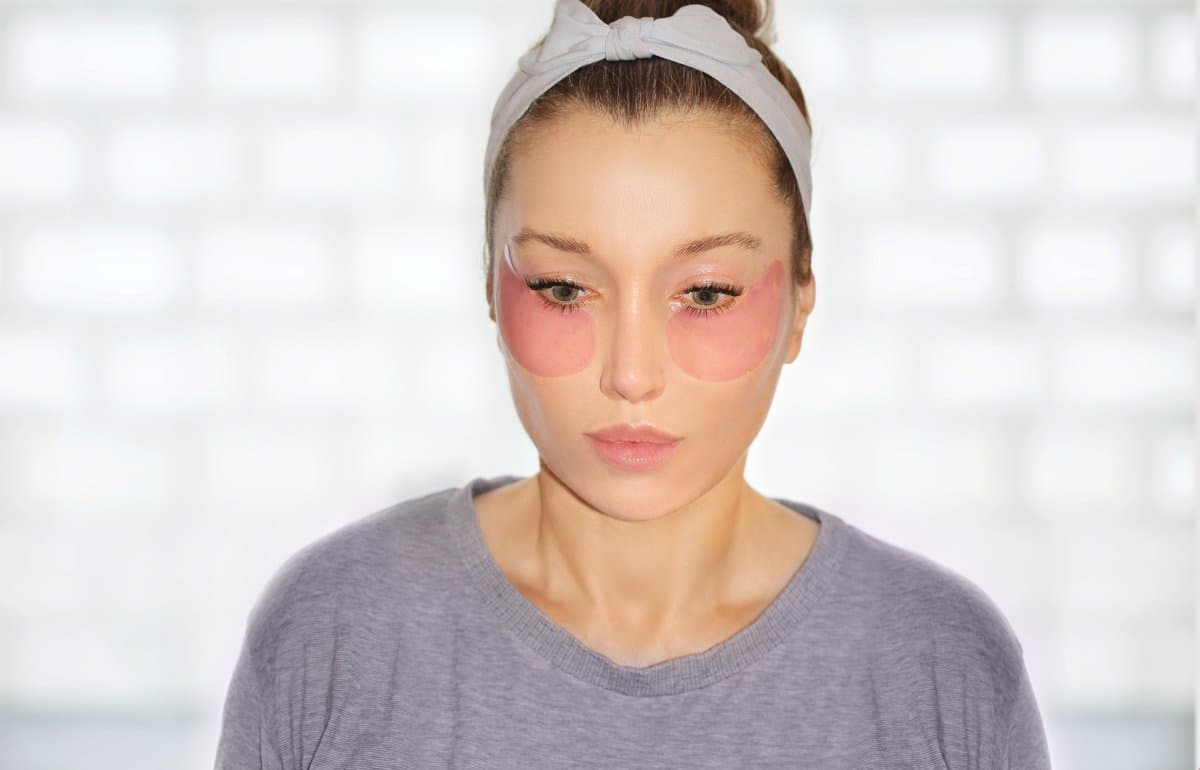
Why Does Your Face Turn Red?
Facial redness is one of the most common dermatological complaints, affecting people of all skin tones and ages. While it is often harmless and temporary — triggered by exercise, heat, or embarrassment — persistent redness can signal an underlying skin condition that benefits from targeted care. The skin on your face is thinner than on most other parts of your body, and it contains a dense network of blood vessels close to the surface.
When these vessels dilate or become inflamed, redness becomes visible. In lighter skin tones, this appears as pink or red patches. In darker skin tones, redness may present as a deeper brown, purplish, or dusky hue, which can make it harder to identify without careful examination.
Understanding the pattern, duration, and accompanying symptoms of facial redness is the first step toward identifying its cause. Redness that comes and goes is usually less concerning than redness that persists for weeks or worsens over time. Accompanying symptoms like burning, stinging, flaking, or pustules can help narrow down the diagnosis.
Some causes of facial redness are purely cosmetic concerns, while others — such as lupus — require medical attention. The goal of this article is to walk through the most common causes, help you recognize patterns, and clarify when professional evaluation is warranted. No single article can replace a dermatologist's assessment, but understanding the landscape of possibilities can help you communicate more effectively with your healthcare provider.
Rosacea: The Most Common Culprit
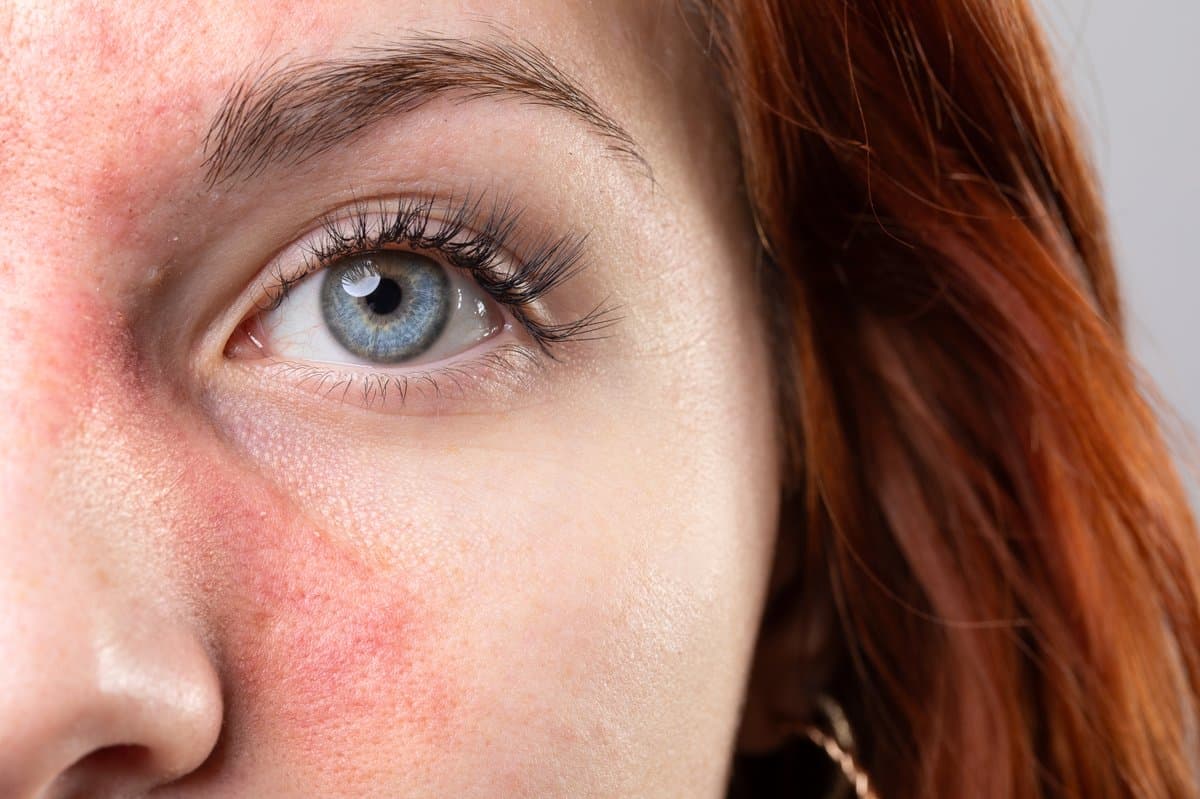
Rosacea affects an estimated 415 million people worldwide and is one of the leading causes of persistent facial redness, particularly across the cheeks, nose, chin, and forehead. It typically develops between the ages of 30 and 50, and while it can affect anyone, it is most commonly diagnosed in individuals with lighter skin. The condition presents in several subtypes.
Erythematotelangiectatic rosacea involves persistent central facial redness and visible blood vessels. Papulopustular rosacea adds acne-like bumps and pustules to the redness. Phymatous rosacea causes skin thickening, most notably on the nose.
Ocular rosacea affects the eyes, causing dryness, irritation, and swollen eyelids. Rosacea is a chronic condition that can be effectively managed but not permanently cured, making early identification particularly valuable.!! Common triggers include sun exposure, hot beverages, spicy food, alcohol, temperature extremes, stress, and certain skincare ingredients like alcohol-based toners or fragrance.
Management typically involves gentle skincare, consistent sun protection with SPF 30 or higher, and avoidance of known triggers. Prescription treatments include topical metronidazole, azelaic acid, ivermectin cream, and in some cases low-dose oral antibiotics for their anti-inflammatory properties rather than their antimicrobial effects. One important distinction is that rosacea is not caused by poor hygiene, and harsh cleansing can actually worsen it. If you notice that your facial redness tends to flare in response to specific triggers, persists across the central face, and is accompanied by a burning or stinging sensation, rosacea is a strong possibility worth discussing with a dermatologist.
Contact Dermatitis and Seborrheic Dermatitis
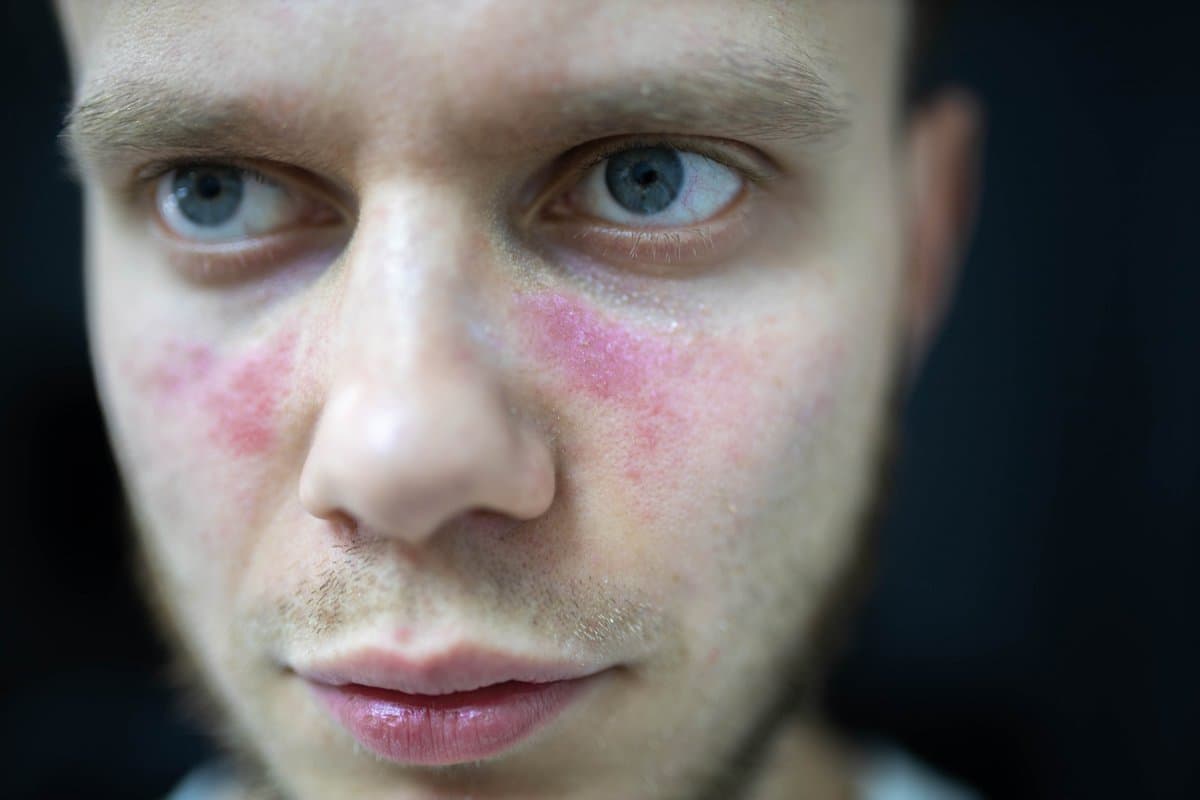
Contact dermatitis is an inflammatory reaction that occurs when the skin comes into contact with an irritant or allergen. On the face, common culprits include fragranced skincare products, certain sunscreen ingredients, nickel in eyeglass frames, hair dye chemicals, and preservatives like methylisothiazolinone. The redness typically appears in the area of contact, often accompanied by itching, swelling, or small blisters.
Irritant contact dermatitis is more common than allergic contact dermatitis and results from direct damage to the skin barrier. Allergic contact dermatitis involves an immune-mediated response that may not appear until 24 to 72 hours after exposure, which can make identifying the trigger more challenging. Patch testing performed by a dermatologist is the gold standard for identifying specific allergens.
Seborrheic dermatitis is a separate condition that causes redness and flaking, particularly around the eyebrows, nasal folds, scalp, and behind the ears. It is associated with an overgrowth of Malassezia yeast, a normal component of the skin microbiome that can trigger inflammation in susceptible individuals. Seborrheic dermatitis tends to worsen during colder months and periods of stress, following a relapsing and remitting pattern that many people find frustrating.!!
Treatment for contact dermatitis focuses on identifying and avoiding the trigger, along with short-term use of topical corticosteroids to calm inflammation. Seborrheic dermatitis is typically managed with antifungal agents like ketoconazole cream, gentle zinc pyrithione cleansers, and occasional low-potency topical steroids. Both conditions respond well to restoring the skin barrier with fragrance-free moisturizers containing ceramides or hyaluronic acid.
Lupus Butterfly Rash and Broken Capillaries
While most causes of facial redness are benign, the butterfly rash of systemic lupus erythematosus deserves special attention. This distinctive rash spreads symmetrically across both cheeks and the bridge of the nose, sparing the nasolabial folds — the creases running from the nose to the corners of the mouth. It is often flat or slightly raised, may worsen with sun exposure, and can be accompanied by systemic symptoms like joint pain, fatigue, fever, and mouth sores.
The lupus butterfly rash is present in roughly 50 percent of people with systemic lupus erythematosus at some point during their disease. If you develop a persistent butterfly-shaped facial rash, especially alongside other unexplained symptoms, prompt medical evaluation is important. Diagnosis involves blood tests including antinuclear antibody testing, and management requires a rheumatologist's involvement.
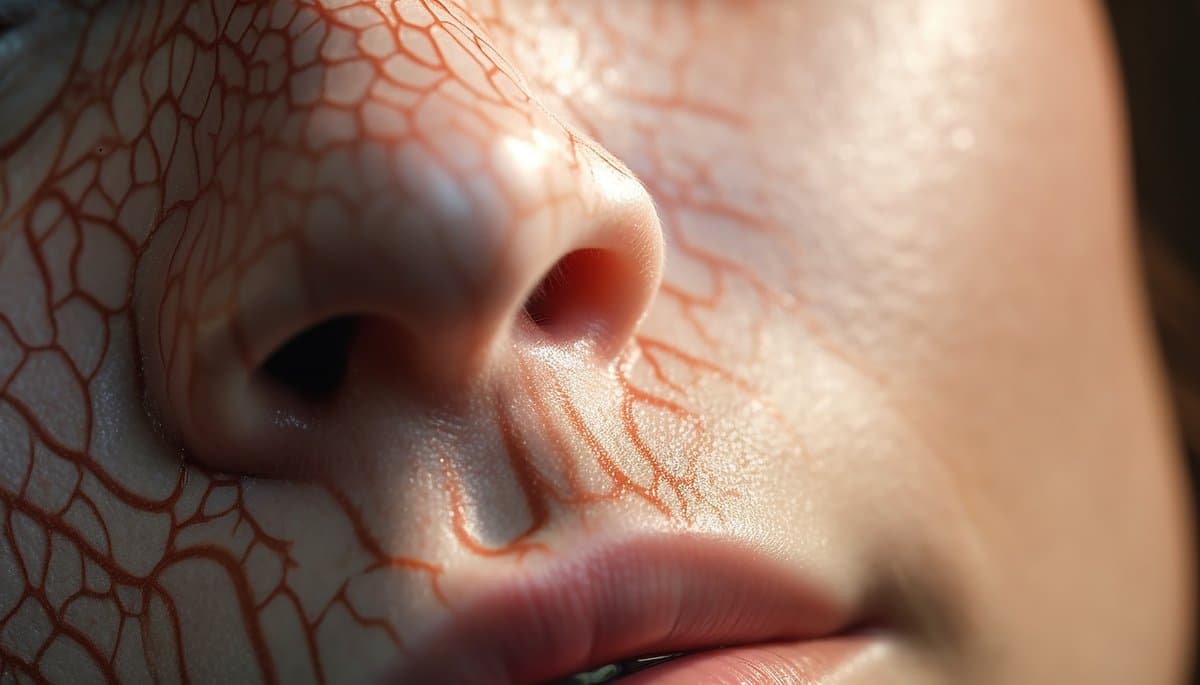
On the less alarming end of the spectrum, broken capillaries — medically known as telangiectasias — are another common source of facial redness. These tiny, permanently dilated blood vessels appear as fine red or purple lines, most often on the nose and cheeks. They result from weakened vessel walls and can be caused by sun damage, aging, rosacea, genetic predisposition, excessive alcohol consumption, or repeated trauma such as aggressive nose blowing.
Broken capillaries do not resolve on their own, but they pose no health risk. Cosmetic treatments such as intense pulsed light therapy and vascular laser treatments like pulsed dye laser can effectively reduce their appearance. Prevention focuses on diligent sun protection, gentle skincare, and avoiding extreme temperature fluctuations. If you have rosacea, managing it effectively can help prevent new capillary damage.
When Redness Warrants Medical Attention
Most facial redness is benign and manageable with over-the-counter products and lifestyle adjustments. However, several red flags indicate that professional evaluation is needed. Seek medical attention if facial redness is accompanied by fever, joint pain, or unexplained fatigue, as these may suggest a systemic condition like lupus.
A rash that spreads rapidly, blisters, or causes significant pain requires prompt assessment to rule out infections or severe allergic reactions. Redness that does not improve after four to six weeks of consistent gentle skincare and trigger avoidance should also be evaluated. Persistent redness localized to one area that changes in size or appearance over time could occasionally indicate a precancerous lesion, particularly in sun-exposed areas of individuals with extensive sun damage history.
Acne-related redness is extremely common and typically resolves as the underlying acne is treated, but it can leave behind post-inflammatory erythema — persistent pink or red marks that linger for weeks to months after a breakout has healed.!! This is distinct from post-inflammatory hyperpigmentation, which involves brown discoloration, and is more common in lighter skin tones. For general facial redness management, a simplified routine often works best.
Use a gentle, fragrance-free cleanser, apply a moisturizer with barrier-supporting ingredients, and wear broad-spectrum sunscreen daily. Ingredients like niacinamide, centella asiatica, and green tea extract have evidence supporting their anti-redness properties. Avoid hot water when washing your face, minimize alcohol-based products, and introduce new products one at a time to identify potential triggers. When in doubt, see a dermatologist for a specific diagnosis and targeted treatment plan.