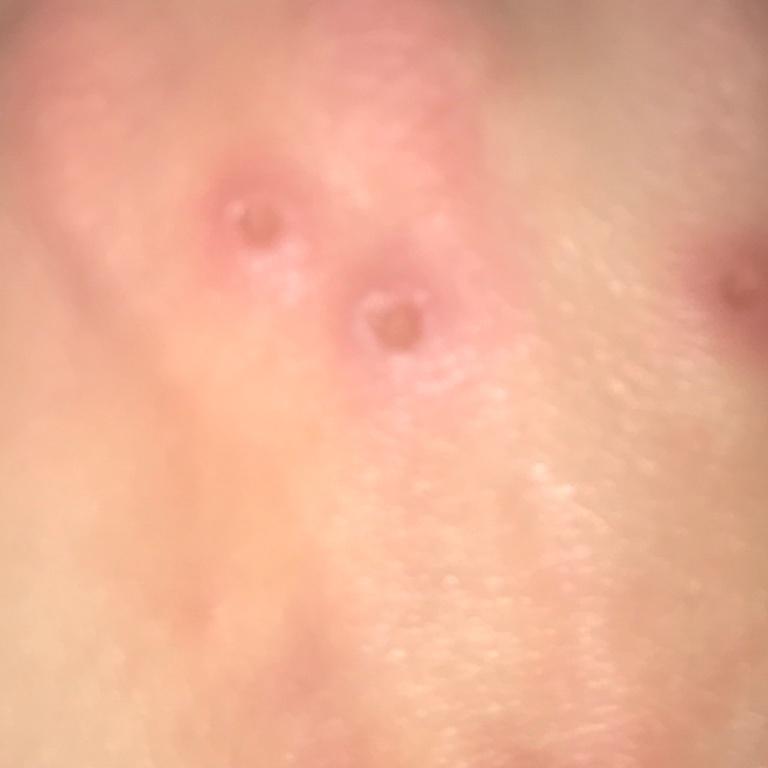
La varicela es causada por el virus varicela-zóster, que se propaga principalmente a través de gotas en el aire cuando una persona infectada tose o estornuda, y por contacto directo con el líquido de las ampollas. Después de la primera infección, el virus permanece en el cuerpo de por vida y puede reactivarse más tarde como herpes zóster.
La varicela es más común en niños, especialmente en entornos grupales como guarderías y escuelas. El mayor riesgo de enfermedad grave y complicaciones es en bebés, adultos, mujeres embarazadas sin inmunidad y personas con sistemas inmunológicos debilitados.
En niños sanos, la varicela generalmente se trata en casa con descanso, líquidos, reductores de fiebre como el paracetamol, y medidas contra la picazón como lociones calmantes y antihistamínicos. Los pacientes de alto riesgo (mujeres embarazadas sin inmunidad, adultos y personas con sistemas inmunológicos débiles) pueden necesitar medicamentos antivirales como aciclovir y, a veces, atención hospitalaria. Evita rascarte, mantén las uñas cortas y nunca des aspirina a los niños con varicela.
La mejor manera de prevenir la varicela es la vacunación, que ofrece una fuerte protección contra la enfermedad grave. Las personas infectadas son contagiosas desde 1 a 2 días antes del sarpullido hasta que todas las ampollas hayan formado costras, por lo que deben quedarse en casa durante este tiempo. Evita el contacto cercano entre niños enfermos y mujeres embarazadas o personas con sistemas inmunológicos débiles.
Deberías ver a un médico si sospechas de varicela, especialmente en bebés, adultos, mujeres embarazadas o cualquier persona con un sistema inmunológico débil. Busca atención urgente si hay problemas respiratorios, confusión, fiebre muy alta, dolor de cabeza severo o enrojecimiento y dolor que empeoran rápidamente alrededor de las manchas.
La mayoría de los niños sanos con varicela pueden manejarse en casa y ser vistos por un médico dentro de las 24 a 48 horas para obtener consejos. Se necesita atención inmediata o de emergencia si la persona es un bebé pequeño, está embarazada, inmunocomprometida o desarrolla problemas respiratorios, confusión, dolor de cabeza severo o enrojecimiento y dolor en la piel que empeoran rápidamente.