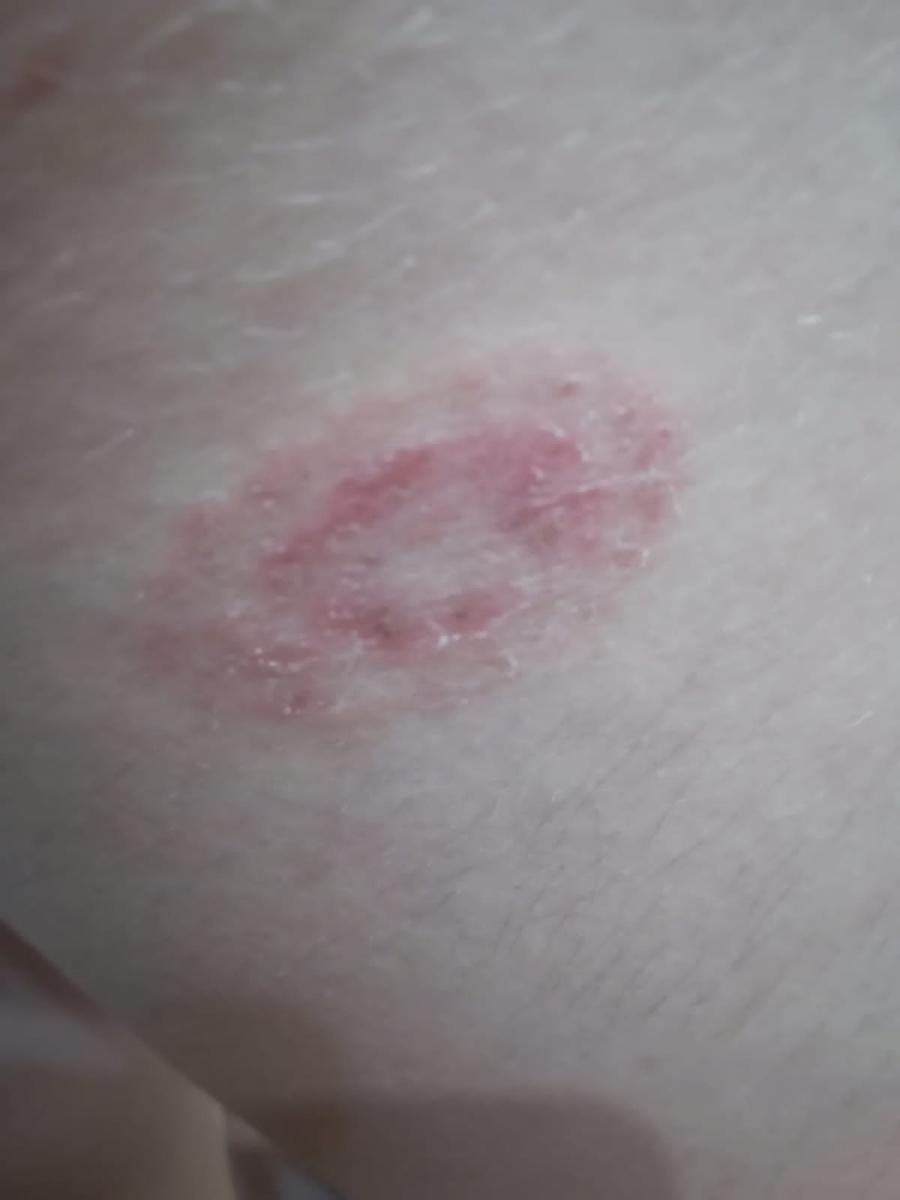
Skin mycoses are caused by different groups of fungi: dermatophytes (mold‑like fungi that feed on keratin in skin, hair, and nails), Candida (yeast‑like fungi that normally live on the body), and Malassezia (yeast that lives in oily skin areas). Infection develops or flares when conditions favor fungal overgrowth, such as warmth, moisture, skin damage, tight clothing, or a weakened immune system.
You are more likely to develop skin mycosis if you live in a warm, humid climate, sweat a lot, wear tight or non‑breathable clothing or shoes, share towels or footwear, or have conditions like diabetes, obesity, or a weakened immune system. Long‑term antibiotics, steroids, or other immunosuppressive medicines also increase the risk, especially for Candida infections.
Most skin mycoses are treated with topical antifungal medicines (creams, gels, sprays, or shampoos) applied once or twice daily for several weeks, and by keeping the area clean, dry, and well‑ventilated. More extensive, recurrent, or deep infections, or infections in people with weak immunity, may need prescription oral antifungals and medical supervision.
To prevent skin mycoses, keep your skin clean and dry, especially in folds, between the toes, and in the groin; wear breathable shoes and clothing; and avoid sharing towels, shoes, or razors. Managing conditions like diabetes, limiting unnecessary antibiotics or steroids, and promptly treating small fungal spots can also reduce recurrences.
See a doctor if the rash is spreading quickly, very painful, or not improving after 2–3 weeks of proper antifungal treatment, or if you have diabetes, a weak immune system, or fever and feel unwell. For mild, stable rashes, you can use over‑the‑counter antifungals and monitor changes with our AI skin analysis, but seek medical advice if you are unsure of the diagnosis.
Usually not dangerous but can spread or complicate; medical review needed if severe or persistent.