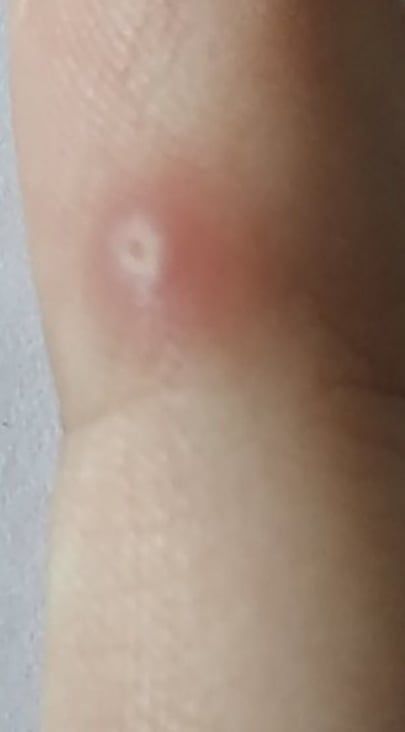
Many common warts go away on their own, so if they are small, stable, and not bothersome, careful observation is often enough. When treatment is needed, dermatologists usually use local destructive methods such as laser removal, cryotherapy with liquid nitrogen, radiofrequency or electric cautery, or surgical excision if the diagnosis is unclear. Self‑cutting, burning, or tearing off warts is unsafe because of bleeding, infection, scarring, and the risk of missing a more serious lesion. Our AI skin analysis can help you monitor warts under observation and track the results after professional treatment.
You can reduce the risk of common warts by protecting your skin from chronic irritation and small injuries, keeping good hand and foot hygiene, and treating infections and metabolic conditions like diabetes in a timely way. Supporting your immune system with enough sleep, stress control, healthy nutrition, and avoiding smoking also helps your body control HPV. Avoid picking at existing warts, sharing personal items like towels or nail tools, and overexposing your skin to UV or ionizing radiation. Our AI skin analysis can remind you to check your skin regularly and keep an eye on any existing warts.
Most common warts can be monitored without urgency, but you should see a dermatologist if a wart grows quickly, changes shape or color, becomes painful, bleeds easily, or looks different from your other warts. It is also worth seeing a doctor if you have many warts, warts in unusual locations, a weakened immune system, or if home care has failed and the warts are bothering you. Our AI skin analysis can help you decide when a change looks significant enough to get checked in person.
Chickenpox is a highly contagious infection caused by the varicella zoster virus, usually affecting children. It starts with fever and tiredness, followed by an itchy red rash that turns into fluid-filled blisters and then crusts. In healthy kids it usually clears on its own in about 7–10 days, but it can be dangerous for infants, pregnant women, adults, and people with weak immune systems. After chickenpox, the virus stays in the body and can later cause shingles.