
Why the Order of Your Skincare Products Matters
You might own every high-quality serum and cream on the market, but if you apply them in the wrong order, you could be wasting their potential or even causing harm. Product layering matters because of how ingredients interact with your skin and each other. Your skin is a selectively permeable barrier, and the order in which you apply products determines which ingredients can penetrate effectively and which get blocked by layers applied before them.
The general rule of thumb is to apply products from thinnest to thickest consistency. Lighter, water-based formulas are applied first because they contain smaller molecules that can penetrate the skin. If you apply a thick cream before a watery serum, the cream creates a physical barrier that prevents the serum's active ingredients from reaching the skin.
Think of it like getting dressed: you wear your base layers first and outerwear last. Beyond consistency, formulation chemistry matters. Water-based products and oil-based products do not mix well.
Applying an oil-based serum before a water-based one means the water-based product will bead up on the surface instead of absorbing. Similarly, certain active ingredients can deactivate each other when layered directly. Vitamin C, for example, operates at a low pH, while niacinamide works at a higher pH.
Though recent research suggests these two can coexist better than previously thought, understanding these interactions helps you get the most from every product in your routine. A properly ordered routine ensures that each product can do its job, active ingredients reach their target depth in the skin, and occlusive layers seal everything in at the end rather than blocking absorption at the start.
The Complete Morning Layering Sequence
Your morning routine should follow this precise order for maximum efficacy. Step one: cleanser. Use a gentle, water-based cleanser to remove overnight sebum and any residue from your evening products.
Step two: toner or essence. Pat a hydrating toner onto slightly damp skin. This rebalances pH and creates a hydrated base that helps serums absorb better.
Step three: water-based serums. This is where your active treatments go. Vitamin C serum is the most popular morning choice because its antioxidant properties protect against UV-induced free radical damage.
Apply a few drops and let them absorb for 30 to 60 seconds before the next step. If you use multiple serums, apply the one with the thinnest consistency first. Step four: eye cream, if you use one.
The skin around your eyes is thinner and more delicate, so dedicated eye products are formulated with appropriate concentrations. Pat gently with your ring finger to avoid pulling on this fragile skin. Applying eye cream before moisturizer prevents the heavier moisturizer from creating a barrier that blocks the eye cream's smaller molecules from absorbing.!!
Step five: moisturizer. Choose a formula appropriate for your skin type. This step locks in the hydration and active ingredients from your serums while reinforcing the skin barrier.
Step six: sunscreen. This is always the final step in your morning skincare routine, applied after moisturizer and before makeup. Sunscreen needs to form an even film on the skin's surface to provide its rated protection, which is why it goes on top of everything else.
Wait two to three minutes after sunscreen application before applying makeup to allow the sunscreen to set properly. Skipping this wait can cause pilling and reduce UV protection.
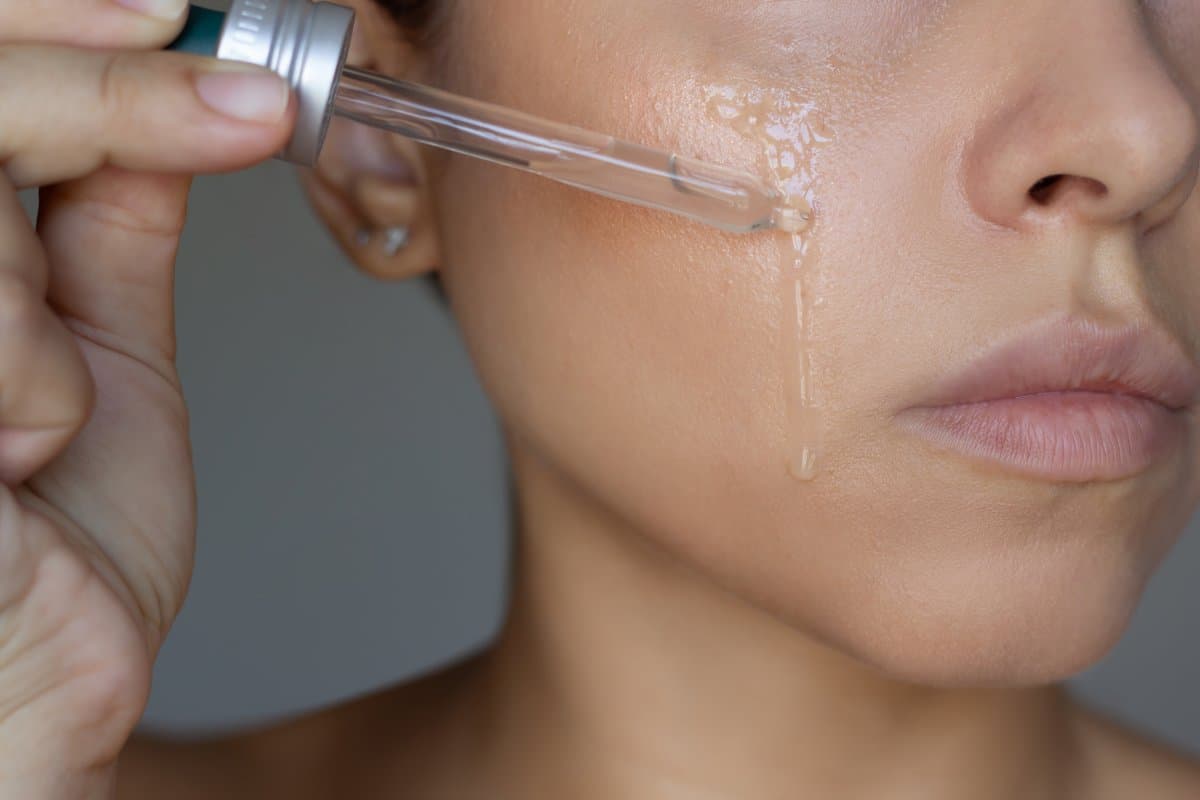
The Complete Evening Layering Sequence
Your evening routine follows a similar thin-to-thick principle but includes additional treatment steps and excludes sunscreen. Step one: oil-based cleanser or cleansing balm. This dissolves sunscreen, makeup, and sebum accumulated throughout the day.
Massage into dry skin for 30 to 60 seconds before emulsifying with water and rinsing. Step two: water-based cleanser. This second cleanse removes any remaining water-soluble impurities.
Together, these two steps ensure a truly clean canvas for your treatment products. Step three: exfoliating treatment, if it is an exfoliation night. Chemical exfoliants like glycolic acid, lactic acid, or salicylic acid go on clean, dry skin.
Allow them to absorb for the time recommended on the product label before proceeding. Chemical exfoliants should typically be used only two to three times per week to avoid over-exfoliation and barrier damage.!! Step four: toner or essence on non-exfoliation nights, or after your exfoliant has been absorbed.
Step five: treatment serums. This is the optimal time for retinoids, peptide serums, or other targeted treatments. If using a prescription retinoid, apply a pea-sized amount to your entire face and allow it to absorb for a few minutes.
Step six: eye cream. Step seven: moisturizer or night cream. Evening moisturizers can be richer than morning formulas since you do not need to worry about sunscreen interaction or daytime shine.
Step eight: facial oil, if desired. Oils are occlusive, meaning they sit on the surface and lock moisture in. Applying oil as the last step seals everything beneath it.
Step nine: spot treatments. Pimple patches or localized treatments go on last so they sit directly over the area they need to treat without being diluted by subsequent layers.
How to Layer Active Ingredients Safely
Active ingredients are the workhorses of any skincare routine, but combining them incorrectly can lead to irritation, redness, and a compromised skin barrier. Understanding which actives play well together and which should be separated is critical for both safety and effectiveness. Retinoids and alpha-hydroxy acids are both potent exfoliants, and using them together in the same routine can cause excessive dryness, peeling, and sensitivity.
The safest approach is to use AHAs on some nights and retinoids on others, alternating through the week. Retinoids and benzoyl peroxide were traditionally considered incompatible because benzoyl peroxide can oxidize retinol and reduce its effectiveness. However, newer stabilized retinoid formulations are less affected.
If you use both, apply benzoyl peroxide in the morning and your retinoid at night to avoid any interaction. Vitamin C and retinoids can be used together, but the combination may increase sensitivity for some people. A safer strategy is to use vitamin C in the morning for its antioxidant and photoprotective benefits and retinoids in the evening for repair and renewal.
Niacinamide is one of the most versatile actives because it pairs safely with nearly every other ingredient, including retinoids, vitamin C, and exfoliating acids.!! Hyaluronic acid is another universally compatible ingredient that can be layered with anything. When in doubt about combining two actives, use them at different times of the day or on alternating days. Always introduce new active ingredients one at a time, allowing two to four weeks between additions so you can monitor how your skin responds to each one individually.
Common Layering Mistakes and How to Fix Them
Even people who follow a consistent routine often make layering mistakes that reduce their results. One of the most frequent errors is applying sunscreen before moisturizer. Sunscreen must be the last skincare step before makeup to form a protective film on the skin's surface.
Mixing it with moisturizer dilutes it and creates uneven coverage, significantly reducing its SPF rating. Another common mistake is applying too many products without allowing absorption time. Each layer needs 30 to 60 seconds to absorb before the next one goes on.
Rushing through your routine causes products to pill, slide off, or fail to penetrate properly. Using oil-based products before water-based ones is another frequent issue. Oil creates a hydrophobic barrier that repels water-based formulas, so always apply water-based serums and treatments before any oils or oil-containing products.
Many people also misuse their exfoliants by applying them after toner. Active exfoliants work best on freshly cleansed, dry skin where they can make direct contact without being buffered by other products. Applying them over a hydrating toner dilutes their concentration and reduces effectiveness.
Overcomplicating your routine is itself a layering mistake. Using six or seven serums in a single session does not produce six or seven times the benefit. The skin can only absorb so much at once, and excessive layering increases the risk of ingredient conflicts and irritation.
A focused routine with three to five well-chosen products layered correctly will outperform a ten-product routine applied haphazardly. Finally, neglecting to adjust your routine seasonally is a subtle but impactful error. In winter, you may need a heavier moisturizer and an additional hydrating serum. In summer, switching to lighter textures and being more diligent with sunscreen reapplication keeps your routine effective year-round.