


What Causes Post-Inflammatory Hyperpigmentation
Post-inflammatory hyperpigmentation, or PIH, is the skin's response to inflammation or injury. When skin is damaged by acne, a cut, a burn, eczema, or even an aggressive cosmetic procedure, melanocytes in the affected area go into overdrive and produce excess melanin as part of the healing process. This excess pigment gets deposited in the epidermis or deeper in the dermis, creating flat, discolored patches that range from pink and red in lighter skin tones to brown, dark brown, or almost black in darker skin tones.
PIH is not scarring in the traditional sense because the skin texture remains smooth, but the color change can persist for months or even years without treatment. PIH affects all skin tones but is significantly more common and more persistent in medium to dark skin because melanocytes in darker skin are larger, more active, and more reactive to inflammatory triggers.!! The severity of PIH depends on several factors: the depth and duration of the original inflammation, your skin tone and genetic predisposition, sun exposure after the injury, and whether you picked at or further traumatized the affected area. Understanding these factors is key to both prevention and treatment, because the same dark mark on two different people may respond very differently to the same approach.
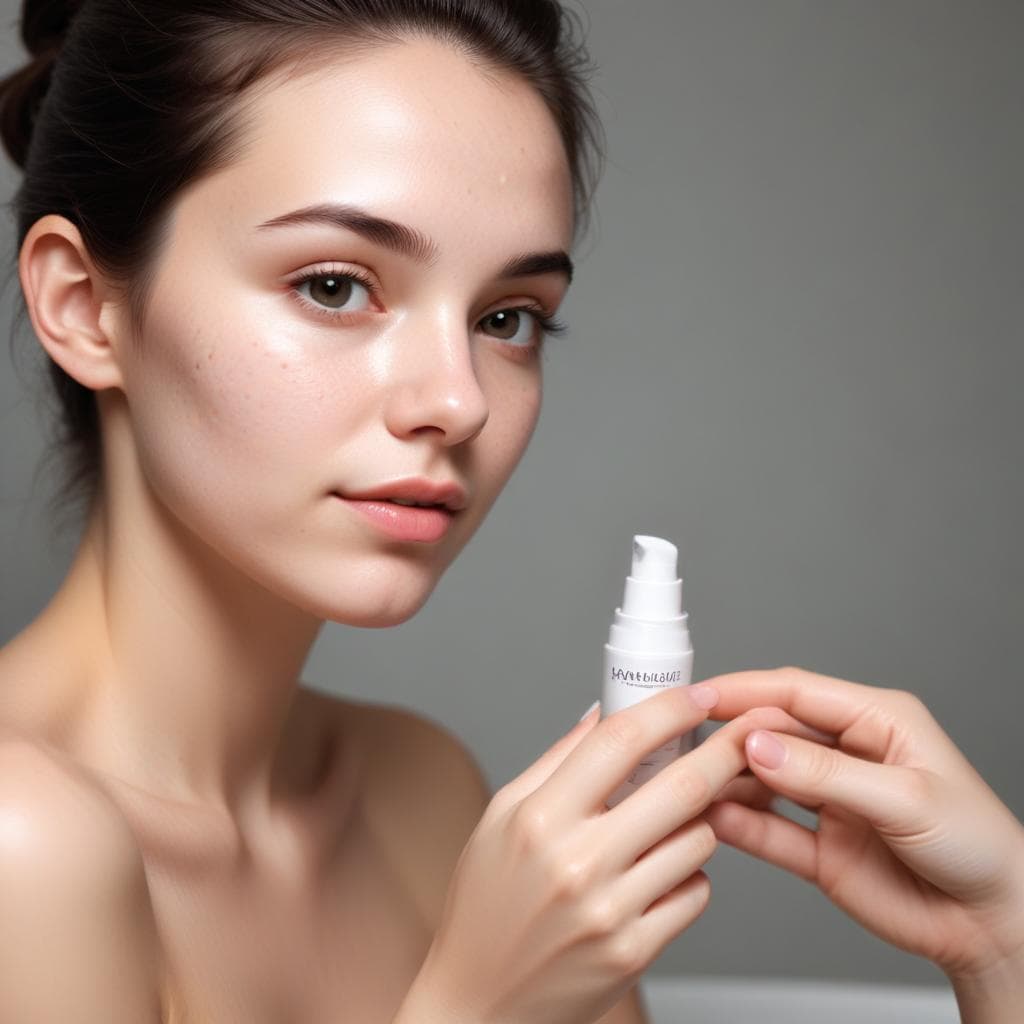
How to Fade Dark Marks and Prevent New Ones
The most important step in treating PIH is sun protection. UV exposure darkens existing marks and stimulates further melanin production, effectively undoing any progress from treatment. A broad-spectrum SPF 30 or higher applied daily is non-negotiable for anyone working to fade PIH.
For active treatment, several ingredients have strong clinical evidence. Vitamin C serums inhibit tyrosinase, the enzyme responsible for melanin production, while also providing antioxidant protection. Niacinamide at concentrations of 4 to 5 percent has been shown to reduce melanin transfer to skin cells.
Azelaic acid is particularly effective and gentle enough for sensitive skin. Alpha arbutin and tranexamic acid are newer options gaining popularity for their pigment-fading abilities. With consistent use of targeted brightening ingredients and strict sun protection, most epidermal PIH fades significantly within 3 to 6 months, though dermal PIH can take a year or longer to resolve.!!
Chemical exfoliants such as glycolic acid and lactic acid speed cell turnover, helping pigmented cells shed faster. For stubborn PIH, dermatologists may recommend prescription-strength treatments like hydroquinone for short-term use, or professional procedures like chemical peels and laser treatments. Avoid picking at acne or wounds, as additional trauma worsens PIH. Treating the underlying cause of inflammation, whether that is acne, eczema, or irritation, is equally important for preventing new dark marks from forming.
