


The Most Common Culprits Behind Scalp Itch
An itchy scalp affects nearly half of all adults at some point, yet many people suffer for months without identifying the cause. Seborrheic dermatitis, commonly known as dandruff, is the number one reason. It is caused by an inflammatory reaction to Malassezia yeast, a normal part of your scalp microbiome that overgrows in some individuals, producing flaky, itchy patches.
Dry scalp, often confused with dandruff, occurs when the skin loses moisture, especially during cold, dry months or from washing with harsh shampoos. Contact dermatitis from hair products is surprisingly common: fragrances, preservatives, sulfates, and even certain natural ingredients like tea tree oil can trigger allergic reactions on the scalp. Product buildup from dry shampoo, styling sprays, and conditioners can clog follicles and irritate the skin beneath.
Scalp psoriasis affects roughly three percent of the population and is frequently misdiagnosed as stubborn dandruff because both conditions cause flaking, but psoriasis produces thicker, silvery-white scales and sharply defined red patches that may extend beyond the hairline.!! Head lice remain a common cause of scalp itching, particularly in school-age children, and are diagnosed by finding live lice or nits attached close to the scalp. Folliculitis, an infection of the hair follicles by bacteria or fungi, causes itchy, tender bumps on the scalp.
Stress and anxiety can trigger or worsen scalp itching through the same neuroinflammatory pathways that affect skin elsewhere on the body. Tinea capitis, a fungal ringworm infection of the scalp, causes itchy, scaly patches that may include hair loss. Finally, sunburn on the scalp, especially along the part line or on thinning areas, causes itching during the healing phase and is frequently overlooked.
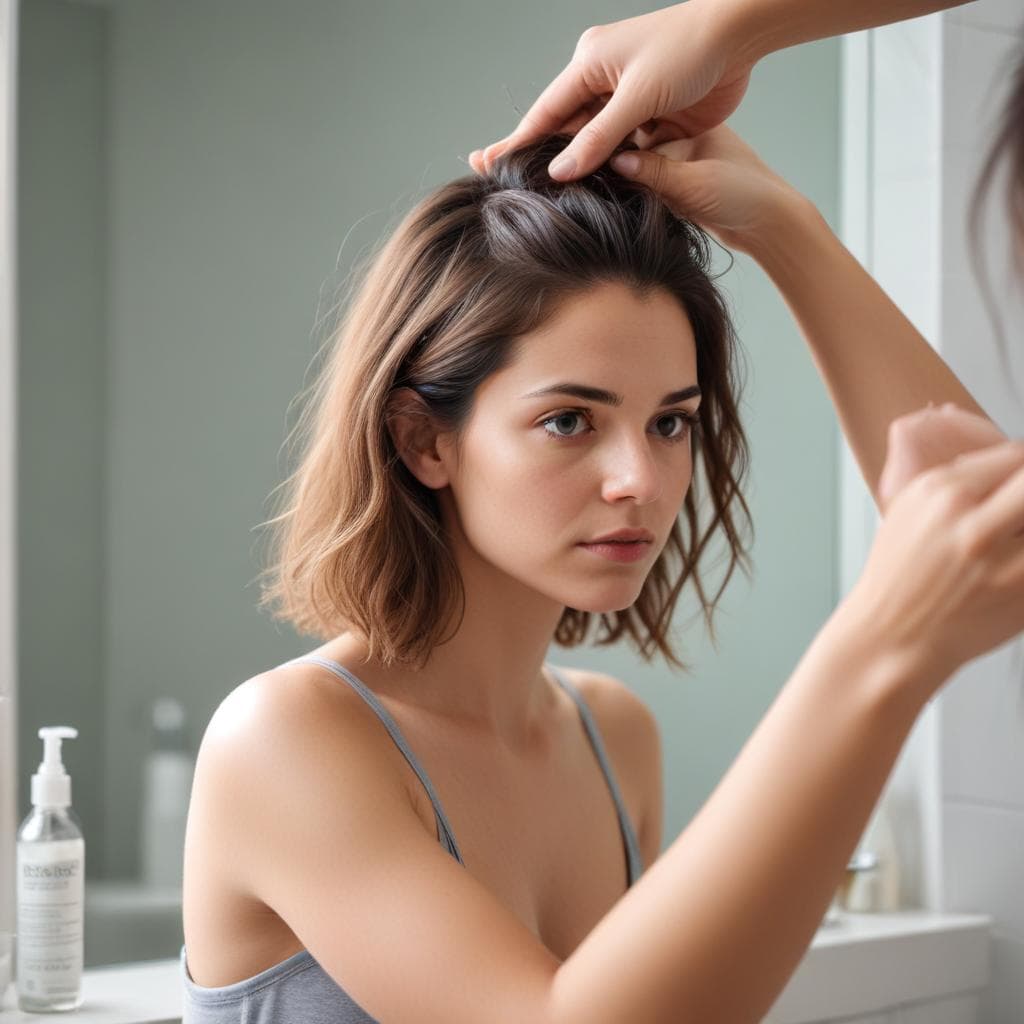
Finding Relief That Actually Lasts
Effective scalp itch relief starts with identifying your specific trigger, because a treatment that works for dandruff will not help contact dermatitis, and vice versa. For seborrheic dermatitis and dandruff, medicated shampoos containing zinc pyrithione, ketoconazole, selenium sulfide, or coal tar are first-line treatments. Use the medicated shampoo two to three times per week, leaving it on the scalp for five minutes before rinsing to allow the active ingredient sufficient contact time.
For dry scalp, switch to a gentle, sulfate-free shampoo and reduce washing frequency to two or three times per week. A lightweight scalp oil applied to damp skin after washing can help restore moisture. If switching your shampoo or hair products resolves the itching within two weeks, contact dermatitis from a product ingredient was likely the cause, and you should identify and permanently avoid the triggering ingredient.!!
For scalp psoriasis, over-the-counter salicylic acid shampoos can help remove scales, but prescription topical steroids or vitamin D analogs are usually needed for meaningful relief. Head lice require specific pediculicide treatments and meticulous nit combing. Bacterial folliculitis may need antibacterial shampoos or topical antibiotics.
To prevent product buildup, use a clarifying shampoo once every one to two weeks and rinse all products thoroughly. If your scalp itching persists beyond three to four weeks despite home treatment, a dermatologist can perform a scalp examination and, if needed, a biopsy to reach a definitive diagnosis. Resist the urge to scratch aggressively, as this damages the scalp barrier, introduces bacteria, and worsens the itch-scratch cycle.
