
The Mole Question That Keeps You Up at Night
You've caught yourself staring at it again—that mole on your back, your arm, or somewhere you can't quite see without contorting in front of a mirror. Maybe it's always been there, or perhaps you only recently noticed it. Either way, you're wondering: Is this dangerous?
Should I be worried? The anxiety is real, and it's justified. Melanoma, the deadliest form of skin cancer, kills approximately 8,000 people in the United States every year, yet when caught early, it's over 99% curable.
That single statistic explains why knowing the difference between a harmless mole and a dangerous one is genuinely life-saving knowledge. Most adults have between 10 and 40 moles, and the vast majority will never cause problems. But buried in that collection, one in every 10,000 moles has the potential to become melanoma.
Stop guessing. Start scanning. The challenge isn't that dangerous moles are rare—it's that they can look deceptively similar to harmless ones, especially in early stages when treatment is simplest and most effective.
The ABCDE Rule: Your First Line of Defense
Dermatologists use a straightforward framework called the ABCDE rule to identify potentially dangerous moles, and you can apply it yourself right now. 'A' stands for Asymmetry—if you draw a line through the middle of your mole, do both halves match? Dangerous moles are often asymmetrical.
'B' is for Border—harmless moles typically have smooth, even borders, while melanomas often have irregular, scalloped, or poorly defined edges. 'C' means Color—benign moles are usually a single shade of brown or tan, whereas concerning moles may contain multiple colors including brown, black, red, white, or blue. 'D' stands for Diameter—while melanomas can be smaller, any mole larger than 6mm (about the size of a pencil eraser) deserves attention.
'E' is for Evolving—any mole that changes in size, shape, color, elevation, or develops new symptoms like bleeding, itching, or crusting is a red flag.!! Worried? Get a free AI skin check in under 30 seconds and see how your mole measures against these critical criteria. The ABCDE rule isn't perfect—some melanomas don't follow these patterns, and some irregular-looking moles are benign—but it's an excellent starting point for self-examination.
The 'Ugly Duckling' Sign: Trust Your Instincts
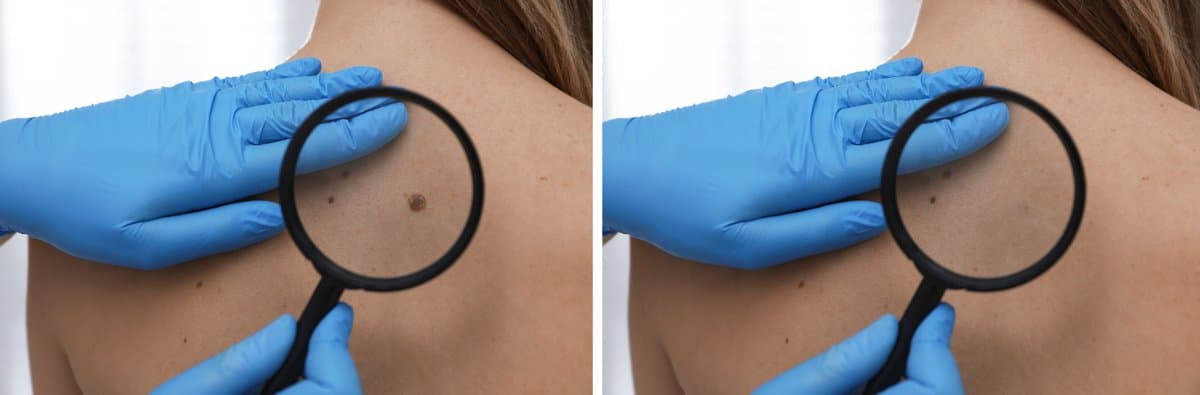
Beyond the ABCDE rule, there's another powerful indicator that dermatologists rely on: the ugly duckling sign. This concept is beautifully simple—if one of your moles looks noticeably different from all your others, it deserves scrutiny. Most people's moles tend to resemble each other, like siblings in the same family.
They're roughly the same size, color, and shape. The ugly duckling is the one that stands out, the mole that doesn't quite fit the pattern. It might be darker, larger, more irregular, or just somehow different in a way you can't quite articulate.
Research shows that melanomas frequently present as this outlier mole, the one that doesn't match its neighbors. This is why full-body photography and comparison over time has become standard in dermatology—it makes that ugly duckling easier to spot. Your instinct that something looks 'off' about a particular mole is valuable data, not paranoia.
One photo. One minute. Peace of mind. Modern AI analysis can actually perform this ugly duckling comparison automatically, assessing whether a mole you're concerned about has visual features that deviate significantly from typical benign patterns.

New Moles After 30: When to Pay Extra Attention
While it's normal to develop new moles during childhood and young adulthood, the appearance of a genuinely new mole after age 30 should catch your attention.!! Not every new mole is dangerous—some people continue developing benign moles throughout their lives—but the statistical risk increases with age, particularly if you have significant sun exposure history or fair skin. What's particularly concerning is a new mole that grows quickly or develops any of the ABCDE warning signs.
Equally important is understanding the difference between a truly new mole and one you simply hadn't noticed before. Many people discover 'new' moles on their backs, scalps, or other hard-to-see areas that may have been present for years. This is where documentation becomes crucial.
Photographing your moles creates a baseline, allowing you to identify genuine changes versus longstanding features you'd simply overlooked. Your phone camera could save your skin—literally. The technology in your pocket can create the kind of visual record that used to require professional medical photography, and AI analysis can flag changes that even trained eyes might miss.
Family History and Risk Factors: Are You in the Danger Zone?
Your personal risk for dangerous moles isn't random—it's influenced by a combination of genetic and environmental factors. Having a first-degree relative (parent, sibling, or child) with melanoma doubles your risk. A history of severe, blistering sunburns, especially during childhood, significantly increases danger.
Fair skin, light hair, and light eyes are associated with higher melanoma rates, though people of all skin tones can and do develop skin cancer. Having more than 50 moles or several atypical (dysplastic) moles elevates risk. A weakened immune system, whether from medical conditions or medications, makes you more vulnerable.
Prior skin cancer history means you're at increased risk for additional cases. If you check multiple boxes on this list, you're not doomed—you're informed. And information drives action.
High-risk individuals should be especially vigilant about regular self-examinations and professional skin checks. Most people wait too long. Don't be most people. Knowing your risk category helps you calibrate your response appropriately, neither ignoring concerning changes nor panicking over every freckle.
What Dermatologists Actually Do When You Come In
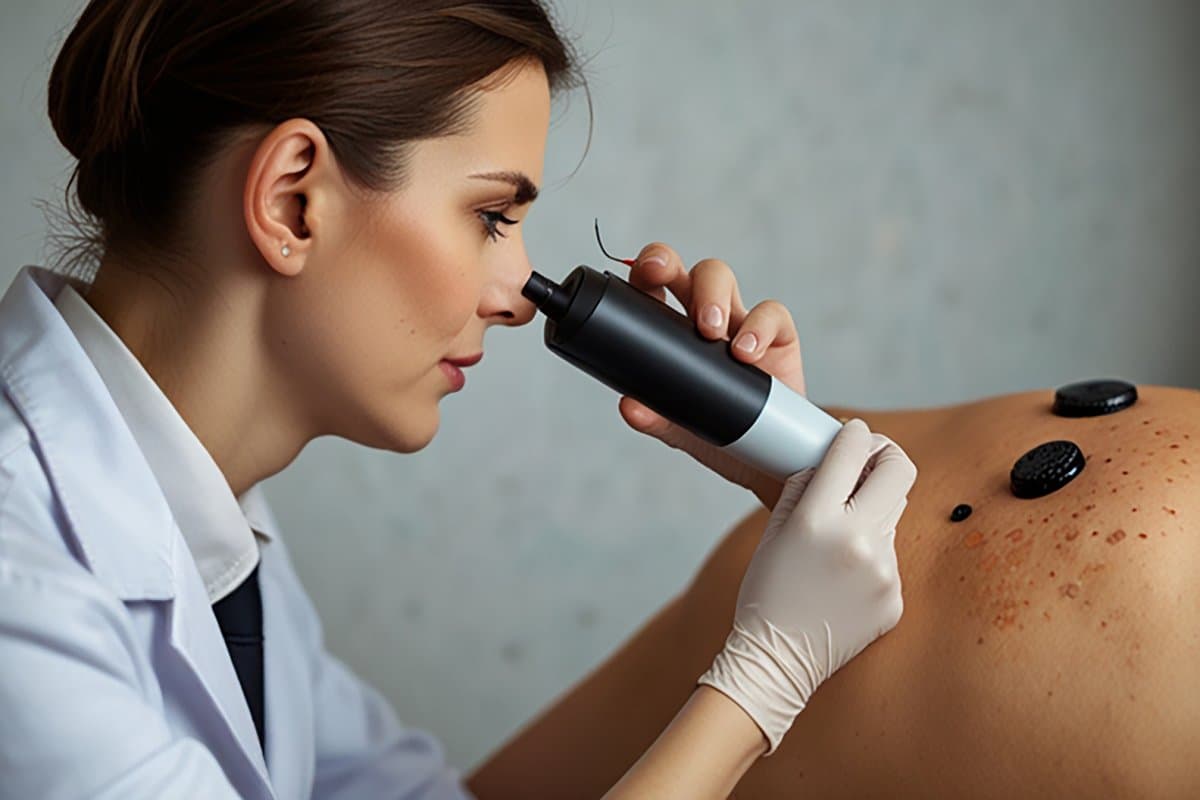
Understanding the professional evaluation process can help you decide when to seek care and what to expect. During a skin check, dermatologists perform a systematic full-body examination, often using a dermatoscope—a specialized magnifying instrument that reveals subsurface patterns invisible to the naked eye. They're looking for the ABCDE criteria, ugly duckling signs, and specific dermoscopic patterns associated with benign versus malignant growths.
If a mole looks suspicious, they'll likely recommend a biopsy, which involves numbing the area and removing all or part of the mole for laboratory analysis. This is typically a quick, in-office procedure with minimal discomfort. Pathology results usually return within 1-2 weeks.
If melanoma is confirmed, staging determines how far it's spread, which guides treatment—ranging from simple surgical excision for early-stage cases to more complex interventions for advanced disease. Here's the critical point: early-stage melanoma can often be cured with a straightforward outpatient procedure. Advanced melanoma requires aggressive, expensive, and sometimes unsuccessful treatment.
Upload a photo now and know within minutes whether your mole warrants this professional evaluation. AI pre-screening doesn't replace the biopsy when needed, but it can help you determine whether that appointment should be this week or can wait a few months.
The Psychological Burden of Mole Anxiety
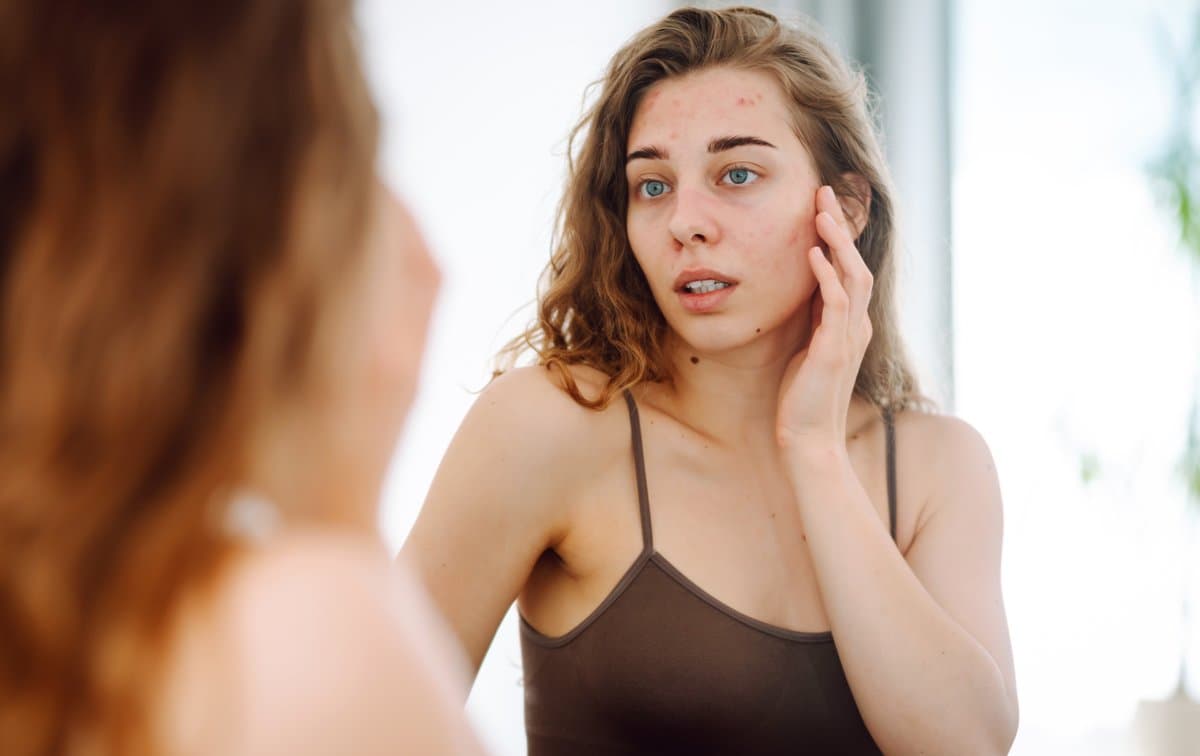
The mental health impact of skin cancer worry is real and underreported. Studies show that people with high melanoma anxiety experience significant psychological distress, sometimes avoiding situations that expose their skin, obsessively checking moles, or conversely, avoiding examination out of fear. This anxiety often exists in a frustrating gray zone—not severe enough to qualify as a clinical disorder, but persistent enough to diminish quality of life.
You might find yourself googling images of melanoma at 2 AM, convinced that your mole matches the most terrifying examples. You might cancel beach trips or feel self-conscious about moles others probably don't even notice. This psychological burden is compounded by the healthcare access problem: dermatology appointments can take months to secure, leaving you in an extended state of worry.
This is where accessible screening technology offers genuine relief. Getting objective, immediate feedback about whether a mole shows concerning patterns can break the anxiety cycle. Stop guessing.
Start scanning. You deserve to either have your concern validated and addressed, or to have your worry eased with data-backed reassurance. Living in uncertainty helps no one.

How AI-Powered Mole Analysis Provides Instant Peace of Mind
Artificial intelligence has transformed mole evaluation from something that required specialist access to something you can do with your smartphone in under a minute. Here's how it works: you photograph the mole you're concerned about, and sophisticated algorithms analyze dozens of visual features—color variation, border irregularity, symmetry, texture patterns, and characteristics that correlate with benign versus malignant pathology. The AI has been trained on tens of thousands of confirmed diagnoses, learning to recognize patterns that even experienced dermatologists sometimes miss.
Within seconds, you receive a risk assessment that helps you understand whether your mole shows features associated with melanoma or matches patterns of common benign moles. This isn't a diagnosis—only a biopsy can definitively identify cancer—but it's clinically validated triage that empowers you to make informed decisions. Low-risk results let you monitor with confidence rather than worry.
High-risk assessments give you the evidence you need to prioritize that dermatology appointment. For people in the middle—those with moderate concern—the technology provides tracking capabilities, allowing you to photograph the same mole monthly and detect subtle changes over time that might otherwise go unnoticed. Upload a photo now and transform mole anxiety into actionable information. Your health deserves better than midnight Google searches and months of wondering.