

What Is Genital Herpes?
Genital herpes is a sexually transmitted infection caused by the herpes simplex virus (HSV) that affects the genital and anal areas. It is one of the most common STIs worldwide, with millions of new cases diagnosed each year. The infection is lifelong, as the virus remains dormant in nerve cells between outbreaks. Despite its prevalence, significant stigma surrounds the condition, which often causes more emotional distress than the physical symptoms themselves.
HSV-1 vs HSV-2: Understanding the Difference
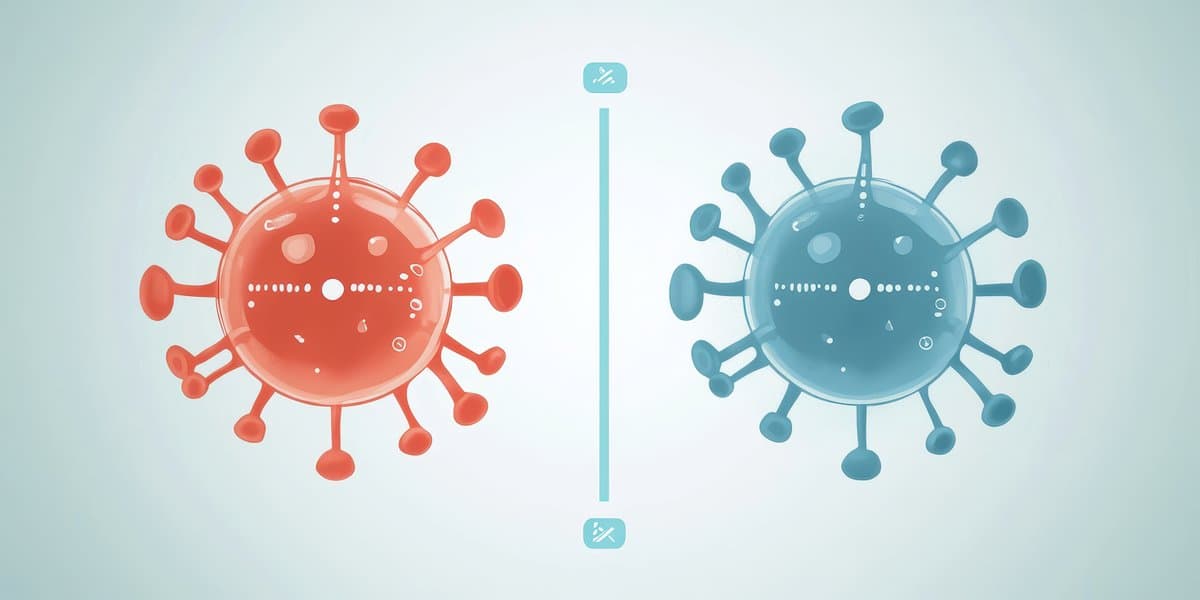
There are two types of herpes simplex virus: HSV-1, which traditionally causes oral cold sores, and HSV-2, which is more commonly associated with genital infections. However, either type can infect either location, and an increasing number of genital herpes cases are caused by HSV-1 through oral-to-genital contact. HSV-2 tends to reactivate more frequently when located in the genital area, while genital HSV-1 infections typically produce fewer and milder recurrences. Knowing which type you have can help predict the course of the infection and guide discussions about transmission risk.
How Genital Herpes Is Transmitted
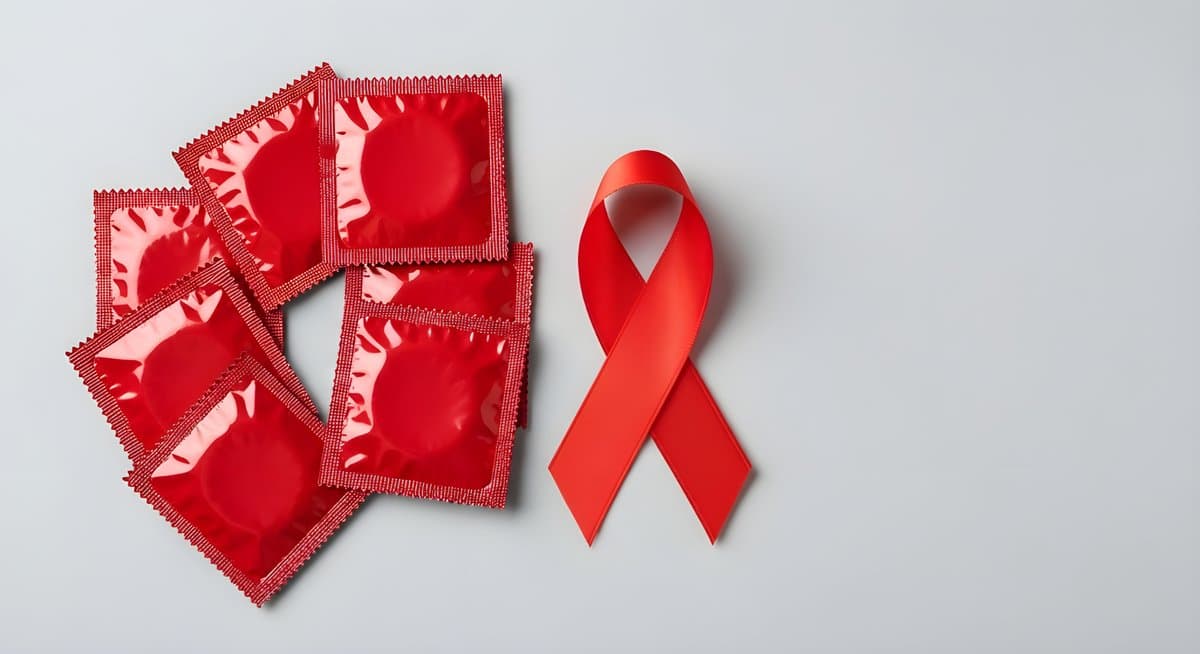
Genital herpes is transmitted through direct skin-to-skin contact during vaginal, anal, or oral sex with someone who has the virus. The virus can be transmitted even when no visible sores are present, through a process called asymptomatic viral shedding.!! Using condoms reduces but does not eliminate transmission risk, since the virus can be present on skin not covered by the condom. The risk of transmission can be further reduced through daily antiviral suppressive therapy and open communication with sexual partners.

Symptoms and the Prodrome Phase
The first outbreak of genital herpes is typically the most severe, often presenting with clusters of painful blisters or ulcers in the genital area, along with flu-like symptoms such as fever, body aches, and swollen lymph nodes. Many people experience a prodrome phase before an outbreak, characterized by tingling, itching, or burning sensations in the area where sores will appear. Subsequent outbreaks are usually milder and shorter in duration, with fewer sores that heal more quickly. Some individuals with genital herpes may have symptoms so mild that they go unnoticed or are mistaken for other conditions.

Outbreaks vs Dormancy
After the initial infection, the herpes virus retreats to nerve ganglia near the base of the spine, where it remains in a dormant or latent state. Periodic reactivation causes recurrent outbreaks, which vary widely in frequency from person to person. Common triggers for reactivation include stress, illness, fatigue, hormonal changes, and sun exposure. Over time, most people experience fewer and less severe outbreaks as the immune system builds a stronger response to the virus, and many find that outbreaks become rare after the first few years.

Treatment with Antivirals
While there is no cure for genital herpes, antiviral medications such as acyclovir, valacyclovir, and famciclovir are highly effective at managing the condition. Episodic therapy, taken at the first sign of an outbreak, can shorten the duration and severity of symptoms. Daily suppressive therapy reduces the frequency of outbreaks by up to 80 percent and significantly lowers the risk of transmitting the virus to partners.!! These medications are generally well tolerated with minimal side effects, and they have been used safely for decades.

Living with Genital Herpes: Emotional and Practical Aspects
Receiving a genital herpes diagnosis can feel overwhelming, but it is important to remember that the condition is extremely common and manageable. Many people find that the emotional impact of the diagnosis is far greater than the physical symptoms. Open and honest communication with sexual partners, while challenging, often goes better than expected and builds trust in relationships. Seeking support through counseling, support groups, or online communities can help process the initial emotions and develop a healthy perspective on living with the virus.

Monitoring and Staying Informed
Keeping track of your outbreaks, triggers, and treatment effectiveness can help you and your healthcare provider optimize your management plan. Noting patterns such as stress levels, menstrual cycles, or illness preceding outbreaks allows you to take proactive steps to reduce recurrences. Skinscanner can assist in monitoring skin changes and documenting symptoms over time, providing useful data for medical consultations. Staying informed about the latest research and treatment developments empowers you to take control of your health and well-being.