
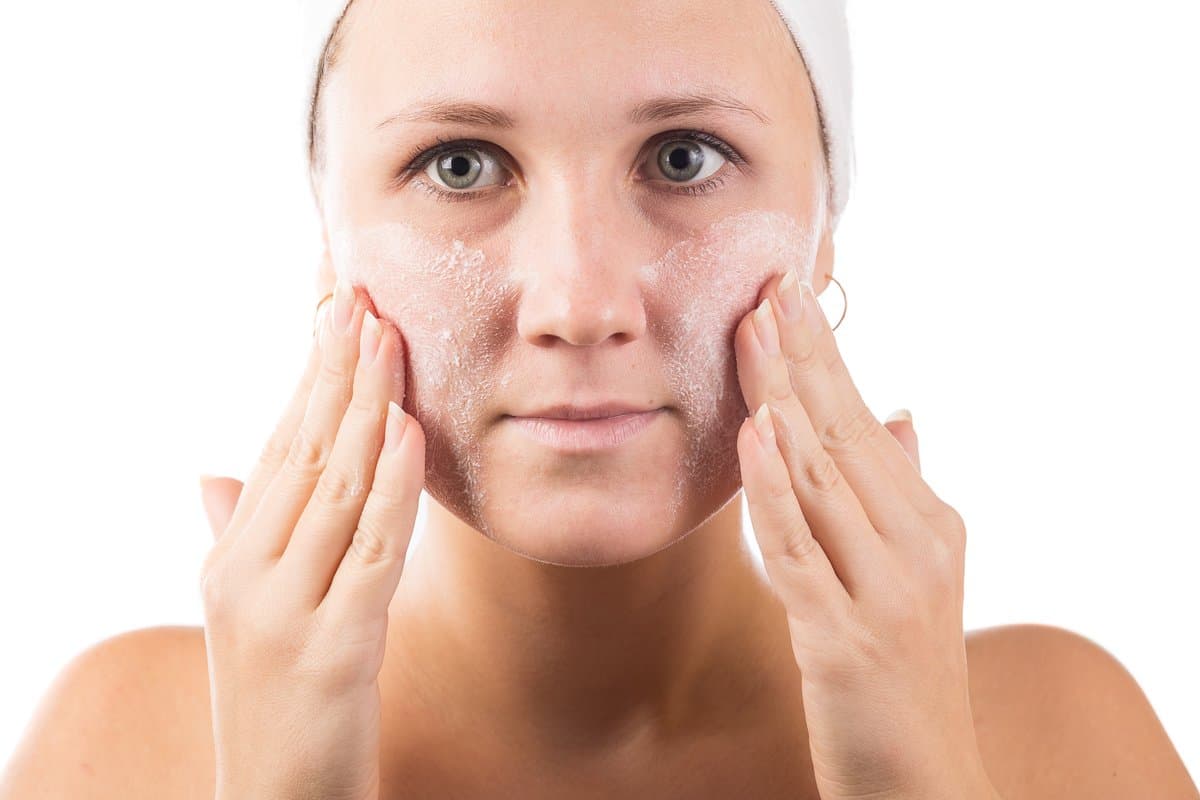
Why Your Face Is Flaking
Flaky skin on the face is one of the most common dermatological complaints, and it signals that something has disrupted your skin's natural moisture balance or cell turnover process. The outermost layer of your skin, the stratum corneum, consists of dead skin cells held together by lipids that form a protective barrier. When this barrier is compromised, cells detach unevenly and visibly, creating the dry, flaky patches that can appear anywhere from the forehead and eyebrows to the nose, cheeks, and chin.
The most frequent cause is simple dehydration of the skin barrier, often triggered by harsh weather, overwashing, or using products that strip natural oils. Winter air combined with indoor heating creates an especially hostile environment for facial skin. However, persistent flaking that does not respond to basic moisturizing may indicate an underlying condition.
Seborrheic dermatitis is a leading cause of facial flaking, producing greasy, yellowish scales typically around the eyebrows, nasal folds, and hairline. It is driven by an overgrowth of Malassezia yeast on the skin and tends to worsen during cold months or periods of stress. Facial eczema, contact dermatitis, psoriasis, and perioral dermatitis are other conditions that present with flaking, and each requires a different treatment approach, which is why identifying the specific cause matters far more than simply piling on moisturizer.!! Overuse of active skincare ingredients like retinoids, alpha-hydroxy acids, and benzoyl peroxide is another increasingly common cause of facial flaking, particularly among people who enthusiastically adopt multi-step routines without adequate skin barrier support.

Restoring Your Skin Barrier and Stopping the Flakes
The first step in treating flaky facial skin is to simplify your skincare routine immediately. Strip back to the basics: a gentle, fragrance-free cleanser, a rich moisturizer, and sunscreen. Pause all active ingredients including retinoids, exfoliating acids, and vitamin C until the flaking resolves, which typically takes one to two weeks with consistent barrier repair.
When cleansing, use lukewarm water and avoid any physical scrubs or exfoliating brushes, as these can further damage the already compromised barrier. Choose a cream-based or micellar cleanser that removes impurities without foaming agents that strip natural oils. Apply your moisturizer to slightly damp skin to lock in extra hydration.
Look for moisturizers containing ceramides, hyaluronic acid, glycerin, and squalane, which work together to restore the lipid barrier and draw moisture into the skin. For seborrheic dermatitis, antifungal treatments like ketoconazole cream or a zinc pyrithione wash used on the face can address the yeast overgrowth driving the flaking. A common mistake is trying to physically remove flaky skin by picking or scrubbing, which tears away healthy cells along with the dead ones and prolongs the healing process significantly.!!
Instead, gentle chemical exfoliation with a mild lactic acid product once or twice a week after the barrier has recovered can help maintain smooth texture without aggression. If flaking persists despite two weeks of barrier-focused care, or if it is accompanied by redness, itching, or spreading to new areas, consult a dermatologist for accurate diagnosis. Conditions like psoriasis and eczema often require prescription treatments including topical corticosteroids or calcineurin inhibitors to fully resolve.