

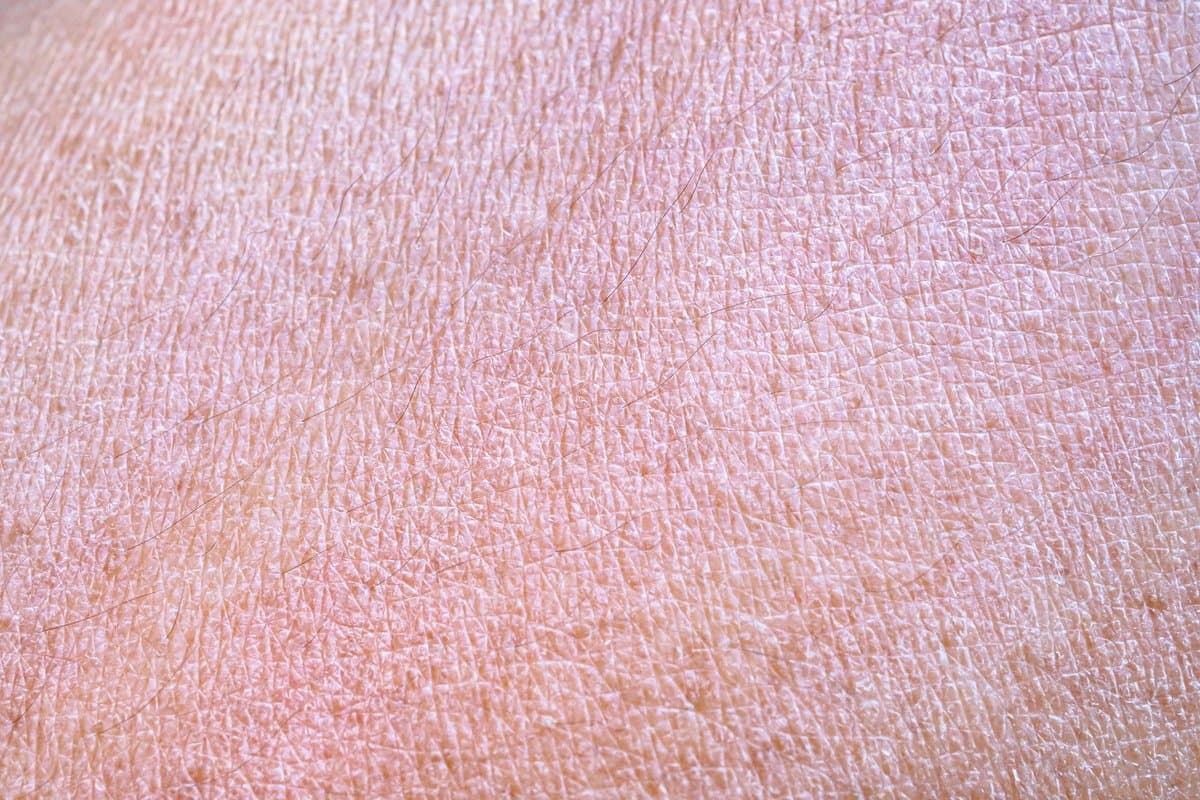
Everyday Habits That Destroy Your Skin Barrier
Extremely dry skin, known medically as xerosis, often results from daily habits that strip the skin of its natural protective oils faster than they can be replenished. Hot showers and baths are one of the biggest culprits. Water above 40 degrees Celsius dissolves the natural lipids that form your skin barrier, and long showers compound the damage.
Harsh soaps and body washes containing sodium lauryl sulfate strip oils aggressively, leaving skin tight and parched within minutes of bathing. Over-exfoliating with scrubs, brushes, or acid-based products more than two to three times per week can damage the stratum corneum, the outermost skin layer responsible for retaining moisture. Low humidity environments, whether from winter air, air conditioning, or heated indoor spaces, accelerate transepidermal water loss.
Your skin loses up to 25 percent more moisture in environments with humidity below 30 percent, which is common in heated buildings during winter months.!! Surprisingly, drinking too little water throughout the day can contribute to skin dehydration, though external moisturizing is far more effective than hydration alone for treating visible dryness. Certain fabrics like wool and synthetic materials can irritate already compromised skin and increase moisture loss through friction.
Swimming in chlorinated pools without rinsing immediately afterward allows chlorine to continue stripping skin oils long after you leave the water. Recognizing which of these habits applies to you is the first step toward restoring your skin barrier and ending the cycle of persistent dryness.

Medical Conditions and Medications That Cause Severe Dryness
When lifestyle adjustments fail to resolve extremely dry skin, an underlying medical condition may be responsible. Eczema, or atopic dermatitis, is the most common skin condition associated with severe dryness, characterized by a genetically impaired skin barrier that loses moisture more readily than normal skin. Psoriasis produces thick, dry, scaly patches that result from accelerated skin cell turnover.
Hypothyroidism slows the body's metabolic processes, including skin cell renewal and oil production, leading to rough, dry, flaky skin that may be among the earliest noticeable symptoms. Diabetes, both type 1 and type 2, can cause severely dry skin through a combination of dehydration from elevated blood sugar, nerve damage that reduces sweating, and impaired circulation. If your skin remains severely dry despite consistent moisturizing and lifestyle changes, ask your doctor to check your thyroid function and blood sugar levels, as these conditions are frequently underdiagnosed.!!
Kidney disease interferes with the body's ability to balance fluids and minerals, often resulting in dry, itchy skin. Several common medications cause dryness as a side effect, including retinoids, statins, diuretics, and acne treatments containing benzoyl peroxide or salicylic acid. Aging naturally reduces sebum production and skin cell turnover, with a significant decline occurring after age 60.
Nutritional deficiencies in essential fatty acids, zinc, and vitamins A and D can impair the skin barrier. Addressing the root cause, whether medical or environmental, is essential because no amount of moisturizer will fully compensate for an active underlying condition that is continuously compromising your skin barrier.
