Understanding the ABCDE Method
The ABCDE method is a simple framework for evaluating moles: Asymmetry (one half doesn't match the other), Border (irregular or blurred edges), Color (uneven distribution or multiple colors), Diameter (larger than 6mm or growing), and Evolution (any changes over time). Any of these signs warrants a professional evaluation.

Regular Self-Examinations
Perform monthly skin checks in a well-lit room with a full-length mirror.!! Examine your entire body, including areas that don't get sun exposure. Use a hand mirror for hard-to-see areas like your back and scalp. Take photos to track changes over time, which makes spotting evolution much easier.

When to See a Dermatologist
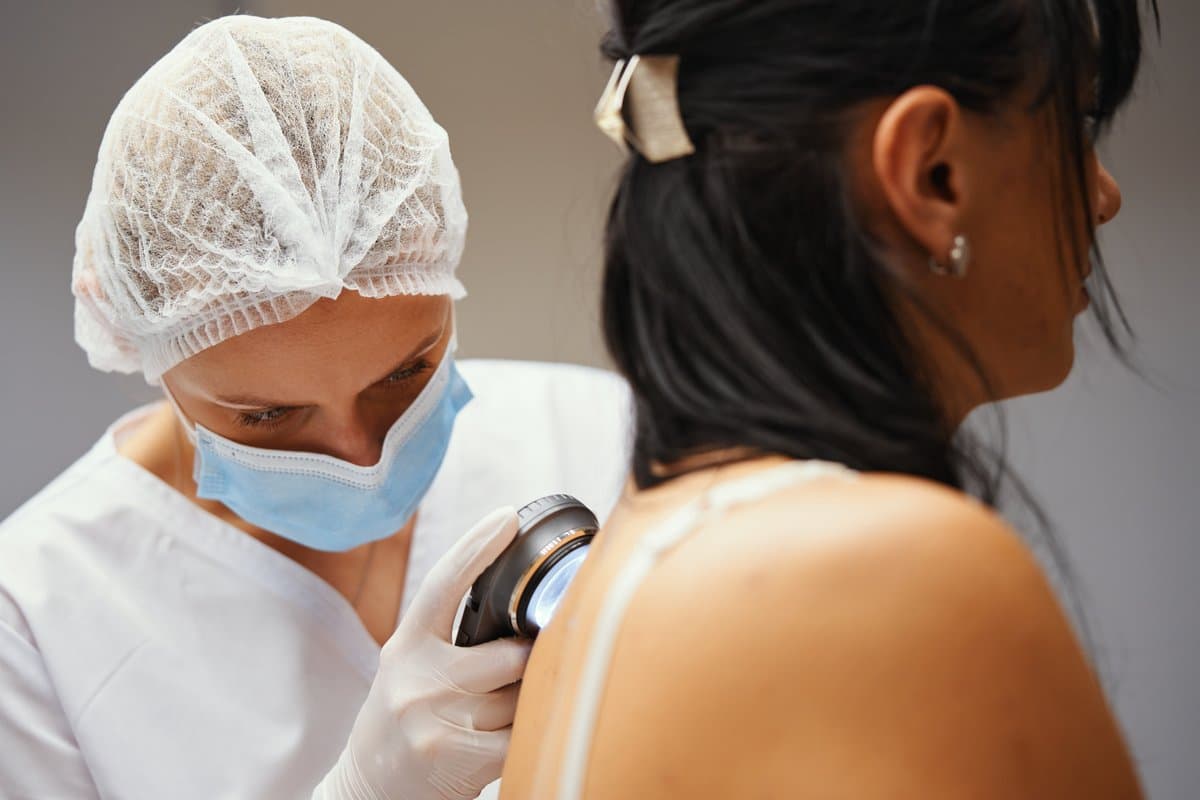
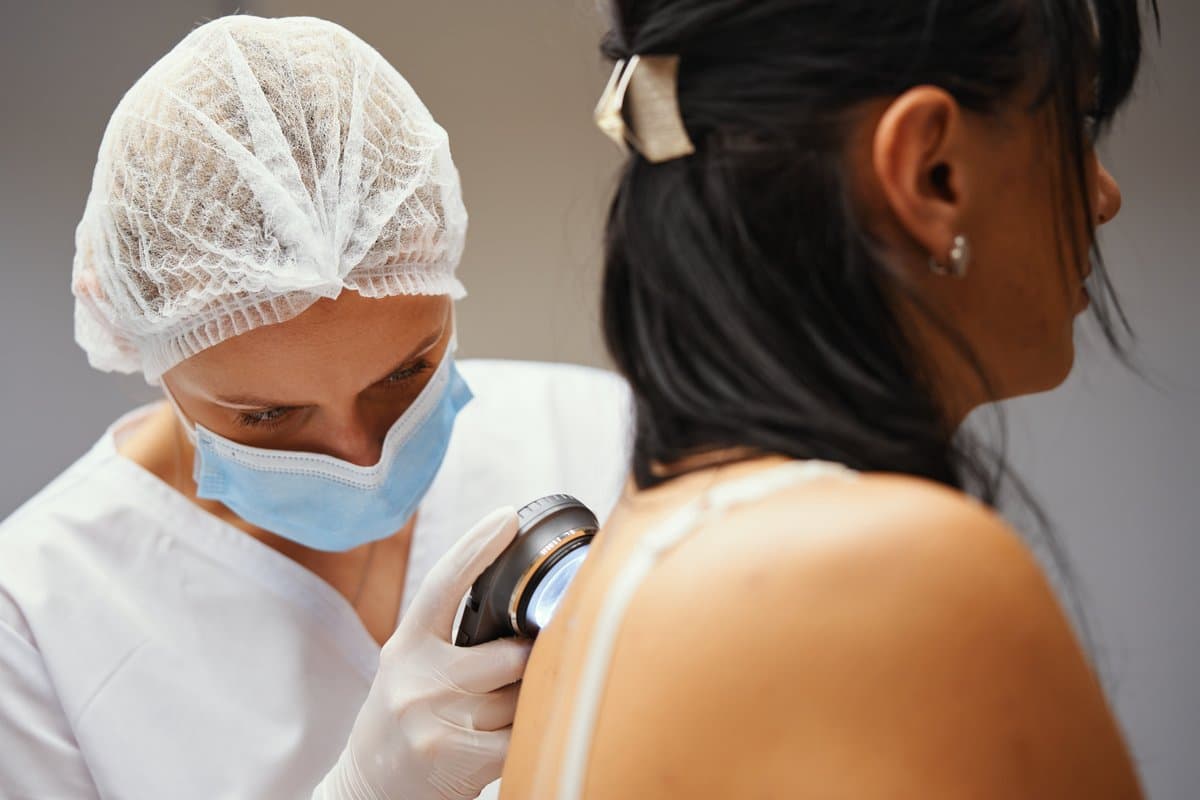
Schedule an appointment if you notice any ABCDE warning signs, a new mole appearing after age 30, a sore that doesn't heal within 3 weeks, or any spot that looks different from your other moles (the 'ugly duckling' sign). Annual professional skin checks are recommended, especially if you have risk factors.

Risk Factors to Know
Higher risk individuals include those with fair skin, history of sunburns, family history of skin cancer, many moles (50+), or weakened immune systems. Previous skin cancer also increases risk of developing another. Understanding your risk level helps you and your doctor determine appropriate monitoring frequency.